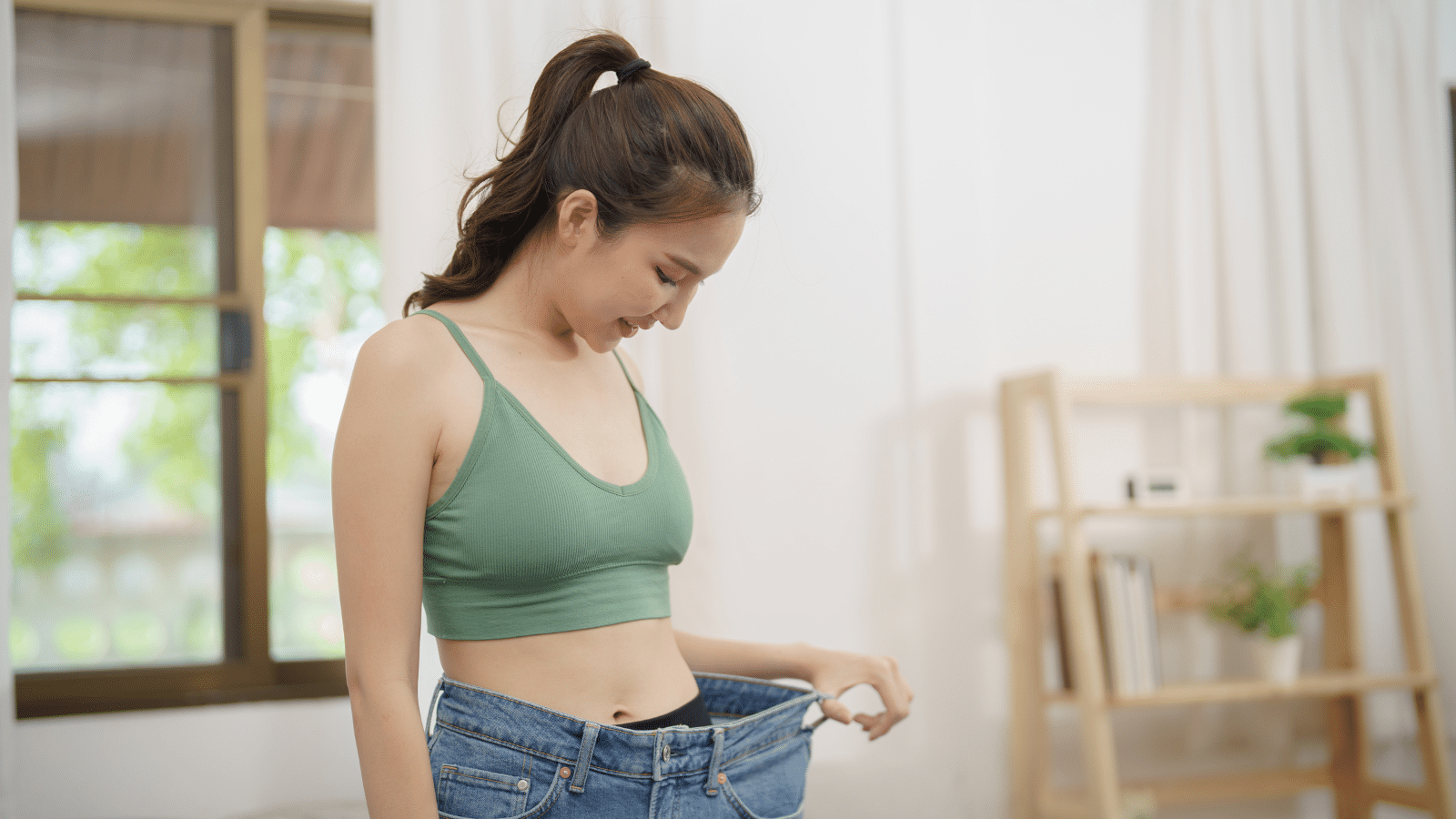
Flattening your stomach and reducing abdominal fat requires a strategic combination of caloric control, targeted nutritional adjustments, progressive physical activity, and adequate recovery management, rather than relying on unverified spot-reduction fads.
Losing stubborn stomach weight and flattening your midsection remains one of the most common yet challenging health and fitness goals. While spot reduction—the idea that you can burn fat from a specific part of your body by exercising that area alone—is a physiological myth, you can systematically reduce overall body fat to reveal a flatter, leaner stomach. Excess visceral fat, which surrounds the abdominal organs, poses significant health risks including metabolic syndrome, type 2 diabetes, and cardiovascular complications. Therefore, adopting sustainable, evidence-based methods is essential not only for aesthetic improvements but also for long-term health optimization.
Disclaimer: The following information is for educational and informational purposes only and does not constitute medical advice. Consult with a qualified healthcare professional or a registered dietitian before making significant changes to your diet, supplement regimen, or exercise routine, particularly if you have underlying medical conditions.
Understanding Abdominal Fat: Subcutaneous vs. Visceral
Before implementing strategies to flatten your stomach, it is vital to understand the two primary types of fat stored in the abdominal region. Recognizing the difference helps set realistic expectations and informs your approach to fat loss.
Subcutaneous Fat
Subcutaneous fat is the layer of fat located directly beneath the skin. This is the fat you can pinch with your fingers. While having too much subcutaneous fat can obscure muscle definition, it is generally less harmful to your metabolic health than the fat stored deeper within the abdominal cavity.
Visceral Fat
Visceral fat wraps around your internal organs, including the liver, pancreas, and intestines. High levels of visceral fat are metabolically active and release inflammatory markers and hormones that increase the risk of chronic diseases. Fortunately, visceral fat responds very favorably to lifestyle interventions such as caloric deficits, regular aerobic exercise, and resistance training.
1. Establish a Sustainable Caloric Deficit
The foundational rule of fat loss is energy balance. To lose weight from your stomach or anywhere else on your body, you must consume fewer calories than your body expends.
When you maintain a consistent caloric deficit, your body mobilizes stored triglycerides from fat cells across the body to meet its energy demands. Calculating your Total Daily Energy Expenditure (TDEE)—which accounts for your basal metabolic rate, the thermic effect of food, and physical activity—allows you to determine your baseline caloric needs.
- Moderate Deficit: Aim for a conservative deficit of 300 to 500 calories below your TDEE. This promotes steady, sustainable fat loss of approximately 0.5 to 1 pound per week without triggering severe metabolic adaptation or muscle catabolism.
- Tracking Intake: Utilize digital food scales and tracking applications to monitor portion sizes accurately during the initial phases of your journey, ensuring you do not unintentionally stall your progress through underestimating calorie consumption.
2. Prioritize High-Quality Protein Intake
Protein is the most critical macronutrient when your goal is to flatten your stomach and preserve lean muscle mass.
Consuming adequate protein influences body composition through several distinct mechanisms. First, protein has a high thermic effect of food (TEF), meaning your body expends approximately 20% to 30% of the calories consumed from protein simply digesting, metabolizing, and processing it. Second, protein stimulates the release of satiety hormones such as peptide YY and GLP-1 while suppressing ghrelin, the hunger hormone.
- Target Intake: Incorporate lean protein sources—such as skinless poultry, fish, eggs, Greek yogurt, tofu, tempeh, and legumes—aiming for roughly 0.7 to 1.0 grams of protein per pound of target body weight.
- Distribution: Spread your protein intake evenly across three to five meals throughout the day to optimize muscle protein synthesis and maintain stable blood sugar levels.
3. Increase Soluble Fiber Consumption
Dietary fiber, particularly soluble fiber, plays an outsized role in flattening the midsection by improving digestive health and regulating appetite.
Soluble fiber dissolves in water to form a viscous, gel-like substance in the digestive tract. This gel slows down the rate at which food empties from the stomach into the small intestine, delaying digestion and absorption. Consequently, you experience prolonged feelings of fullness and reduced postprandial glycemic spikes.
- Food Sources: Excellent sources of soluble fiber include Brussels sprouts, avocados, legumes, blackberries, flaxseeds, oats, and root vegetables.
- Gut Microbiome Support: Soluble fiber also acts as a prebiotic, serving as nourishment for beneficial bacteria in the gut. A diverse and balanced microbiome is increasingly linked by gastroenterological research to healthier body weight regulation and reduced systemic inflammation.
4. Eliminate Trans Fats and Limit Refined Carbohydrates
Not all macronutrients affect body composition equally. The types of fats and carbohydrates you consume directly dictate where your body stores fat and how efficiently you can burn it.
The Danger of Trans Fats
Trans fats are artificially created by hydrogenating liquid vegetable oils to increase their shelf life. Numerous clinical observations have shown that trans fats increase visceral fat storage, even when total caloric intake is controlled. Avoid partially hydrogenated oils found in processed baked goods, fried foods, and certain margarines.
Restricting Refined Carbohydrates
Refined carbohydrates—such as white bread, white rice, pastries, sugary cereals, and sugar-sweetened beverages—are stripped of their fiber and micronutrients. They cause rapid spikes in blood glucose, prompting a large insulin response. Insulin is an anabolic hormone that promotes fat storage, particularly in the abdominal region when energy balance is positive. Swap refined grains for whole-grain alternatives like quinoa, brown rice, and rolled oats.
5. Implement Progressive Resistance Training
While cardiovascular exercise burns calories during a session, resistance training builds and preserves lean muscle mass, which elevates your resting metabolic rate (RMR) long after you leave the gym.
Lifting weights or performing bodyweight resistance exercises ensures that the weight you lose comes from adipose tissue rather than muscle tissue. Furthermore, building muscular strength in your core stabilizers (including the transverse abdominis, rectus abdominis, and obliques) improves posture, tucks the pelvis into a neutral alignment, and naturally compresses the abdominal wall for an instantly flatter appearance.
- Compound Movements: Prioritize compound exercises that recruit multiple muscle groups simultaneously, such as squats, deadlifts, overhead presses, and rows. These movements stimulate maximum hormonal response and caloric expenditure.
- Core-Specific Work: Integrate targeted core strengthening exercises like planks, dead bugs, and hanging leg raises to build deep abdominal strength.
6. Optimize Cardiovascular Conditioning
Cardiovascular exercise provides a reliable mechanism to increase your daily energy expenditure and accelerate fat oxidation.
While steady-state cardio (such as brisk walking, cycling, or jogging at a moderate pace for 30 to 45 minutes) is effective for building aerobic capacity and burning calories, High-Intensity Interval Training (HIIT) offers a time-efficient alternative. HIIT involves short, maximal-effort bursts of exercise followed by brief recovery periods or complete rest.
- EPOC Effect: HIIT can elevate your excess post-exercise oxygen consumption (EPOC), meaning your body continues to consume oxygen and expend calories at an elevated rate for hours post-workout.
- Consistency over Intensity: Choose a cardio modality you genuinely enjoy and can sustain consistently. A routine combining three days of moderate steady-state cardio and two days of HIIT yields balanced results for most individuals.
7. Manage Stress and Cortisol Levels
Psychological and physical stress can be a hidden barrier to flattening your stomach due to the hormonal cascade it triggers.
When you experience chronic stress, your adrenal glands release cortisol, often referred to as the stress hormone. Elevated cortisol levels stimulate appetite and encourage the body to preferentially store energy as visceral fat around the abdominal cavity. Furthermore, high cortisol frequently triggers cravings for hyper-palatable, sugar-dense comfort foods.
- Stress Mitigation Practices: Incorporate evidence-based stress-reduction techniques into your daily schedule, such as mindfulness meditation, diaphragmatic breathing exercises, yoga, or spending time in nature.
- Physical Recovery: Avoid chronic overtraining. Allow your body adequate rest days between intense workouts to prevent cortisol levels from remaining persistently elevated.
8. Prioritize Sleep Quality and Duration
Sleep is frequently overlooked in weight loss programs, yet it plays a foundational regulatory role in metabolism, appetite control, and body composition.
Sleep deprivation alters the secretion of key appetite-regulating hormones: it increases levels of ghrelin (which stimulates hunger) and decreases levels of leptin (which signals satiety). Clinical studies demonstrate that individuals sleeping fewer than six hours per night are significantly more likely to experience increased abdominal girth and find it harder to maintain a caloric deficit due to elevated fatigue and poor impulse control.
- Sleep Hygiene: Maintain a consistent sleep schedule by going to bed and waking up at the same time every day, even on weekends.
- Environment Optimization: Keep your bedroom dark, quiet, and cool (approximately 65°F or 18°C), and minimize exposure to blue light from screens at least one hour before bedtime to support natural melatonin production.
9. Monitor Liquid Calorie Consumption
Beverages represent one of the easiest ways to unknowingly sabotage a caloric deficit and accumulate stubborn stomach weight.
Liquid calories—including sodas, fruit juices, sweetened teas, specialty coffees, and alcoholic beverages—do not trigger the same physiological satiety signals as solid foods. Consequently, you can consume hundreds of surplus calories in minutes without feeling full.
- Alcohol and Abdominal Fat: Alcohol is metabolized by the liver as a priority fuel source, which temporarily pauses lipid oxidation (fat burning). Additionally, alcohol lowers inhibitions, frequently leading to poor dietary choices late at night.
- Hydration Focus: Make water your primary beverage. Proper hydration supports metabolic efficiency, aids digestion, and prevents mistaking thirst for hunger. Aim for at least 8 to 10 glasses of water daily, adjusted for activity level and climate.
10. Track Metrics Beyond the Bathroom Scale
Relying solely on a bathroom scale to measure progress can be misleading and demoralizing, especially when you are building muscle while losing fat concurrently.
Body weight fluctuates daily due to water retention, sodium intake, hormonal shifts, and glycogen storage. To gain an accurate picture of your stomach-flattening progress, utilize multiple tracking metrics.
- Circummeasurement: Use a flexible tape measure to track your waist circumference at the level of your navel every two weeks. A reduction in waist circumference is a direct indicator of visceral and subcutaneous fat loss.
- Progress Photographs: Take consistent, unposed photos under the same lighting conditions every two to four weeks. Visual changes in abdominal definition often become apparent before the scale moves significantly.
- Clothing Fit: Pay attention to how your pants and skirts fit around your waistline as a practical benchmark of success.
Comparison of Core Fat Loss Strategies
| Strategy | Primary Mechanism | Impact on Visceral Fat | Difficulty Level |
|---|---|---|---|
| Caloric Deficit | Mobilizes stored energy for systemic fat loss | Very High | Moderate |
| High Protein Diet | Increases satiety and thermic effect of food | High | Easy to Moderate |
| Soluble Fiber | Slows digestion and feeds gut microbiome | High | Easy |
| Resistance Training | Preserves muscle and elevates resting metabolism | Moderate to High | Moderate |
| Stress & Cortisol Control | Reduces stress-induced abdominal fat storage | High | Moderate to Hard |
| Sleep Optimization | Regulates leptin and ghrelin hormone balance | Moderate | Moderate |
Frequently Asked Questions
Can I spot-reduce belly fat with targeted ab exercises like crunches?
No, spot reduction is physiologically impossible. Performing hundreds of crunches or sit-ups will strengthen and build your abdominal muscles underneath, but it will not burn the layer of fat sitting on top of those muscles. Fat loss occurs systemically across the entire body as you maintain a caloric deficit. However, core exercises are still valuable for building muscle tone and improving posture once overall body fat is reduced.
How quickly can I realistically flatten my stomach?
Visible changes depend on your starting body fat percentage, consistency, and genetics. Generally, healthy and sustainable fat loss occurs at a rate of 1 to 2 pounds per week. You may notice a reduction in bloating within a few days of improving your diet and hydration, but significant structural changes to your waistline typically require 8 to 12 weeks of dedicated adherence.
Does bloating make my stomach look bigger than it actually is?
Yes. Gastrointestinal bloating caused by food sensitivities, carbonated beverages, excess sodium, or poor gut motility can distend the abdomen, making it appear much larger than it is due to actual body fat. Incorporating probiotic-rich foods, eating slowly, identifying personal food intolerances, and drinking adequate water can quickly resolve bloating and flatten your appearance.
Is cardio more effective than weight lifting for losing stomach weight?
Neither is exclusively superior; rather, they work best in tandem. Cardio increases immediate caloric expenditure, while resistance training builds lean muscle mass to boost your metabolism over the long term. A comprehensive program combining resistance training three to four days a week with moderate cardio or HIIT yields the most efficient and sustainable body composition changes.
Do waist trainers or sweat belts help lose stomach weight permanently?
Waist trainers and neoprene sweat belts do not cause permanent fat loss. They provide temporary compression, which may alter your posture or make you sweat more locally due to trapped body heat, but this is strictly water loss rather than adipose tissue reduction. Once you remove the device and rehydrate, your midsection returns to its previous state. True fat loss requires internal metabolic changes via nutrition and exercise.
To successfully flatten your stomach and maintain the results long-term, combine a moderate caloric deficit, high protein intake, soluble fiber, and consistent physical activity with stress management and restorative sleep. Focus on consistency over perfection, track your waist measurements alongside the scale, and give your body time to adapt to these healthy lifestyle changes.