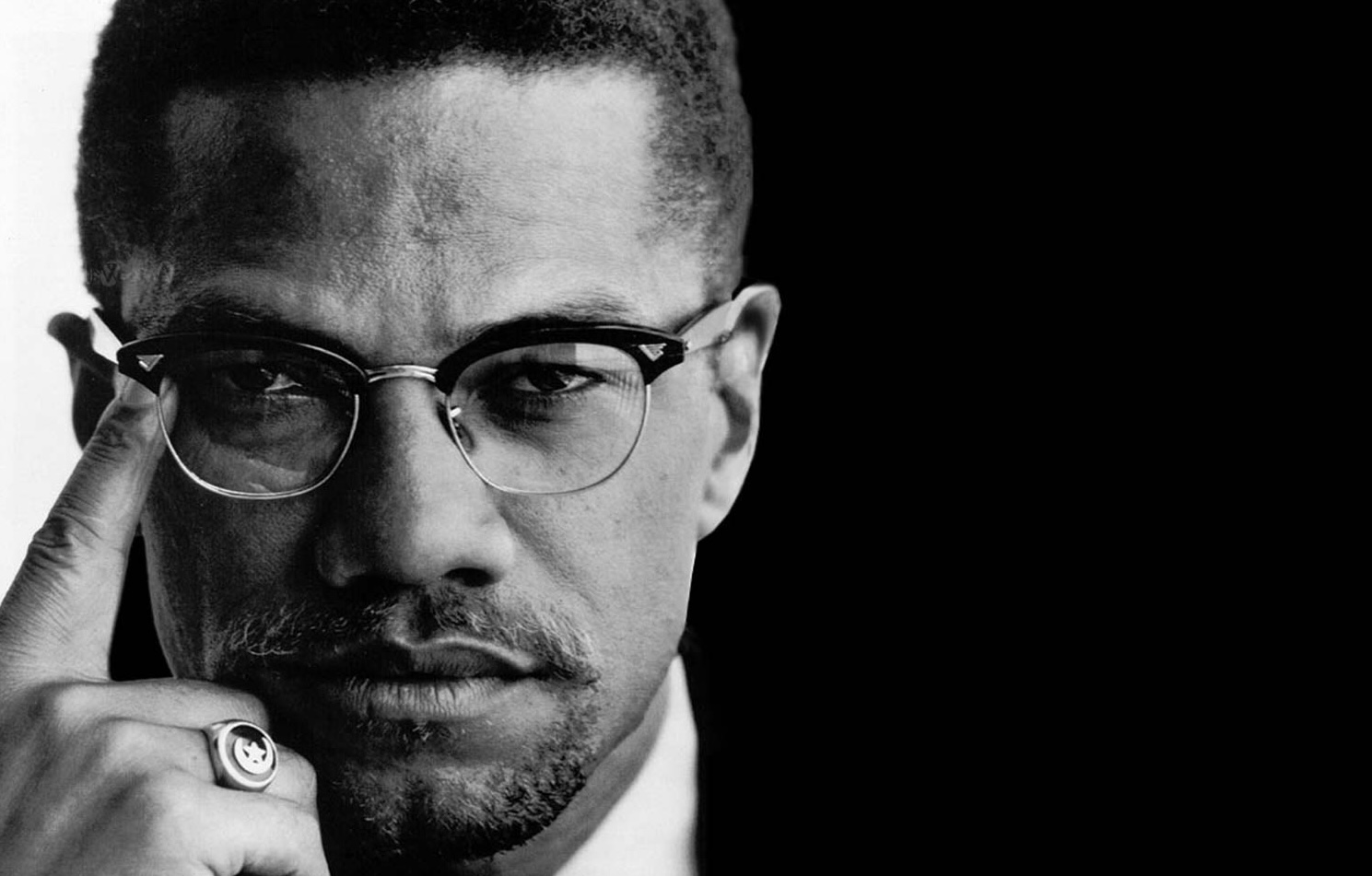
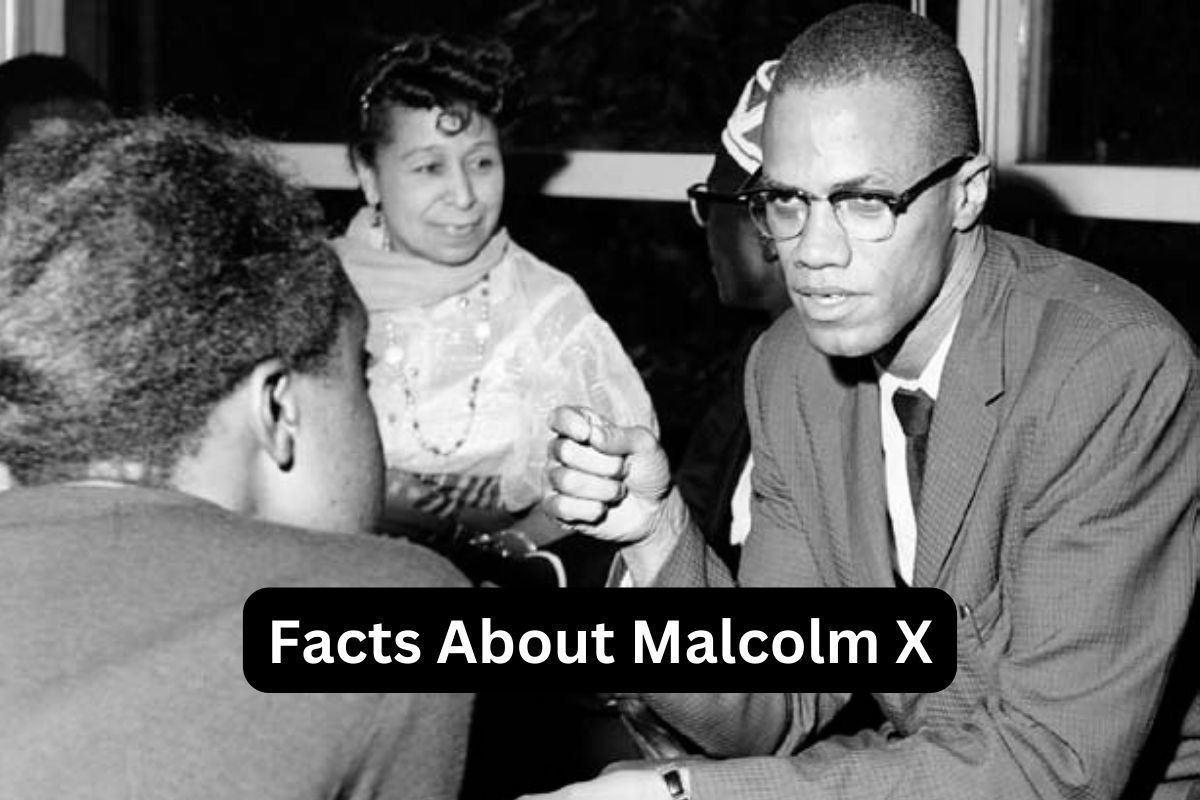
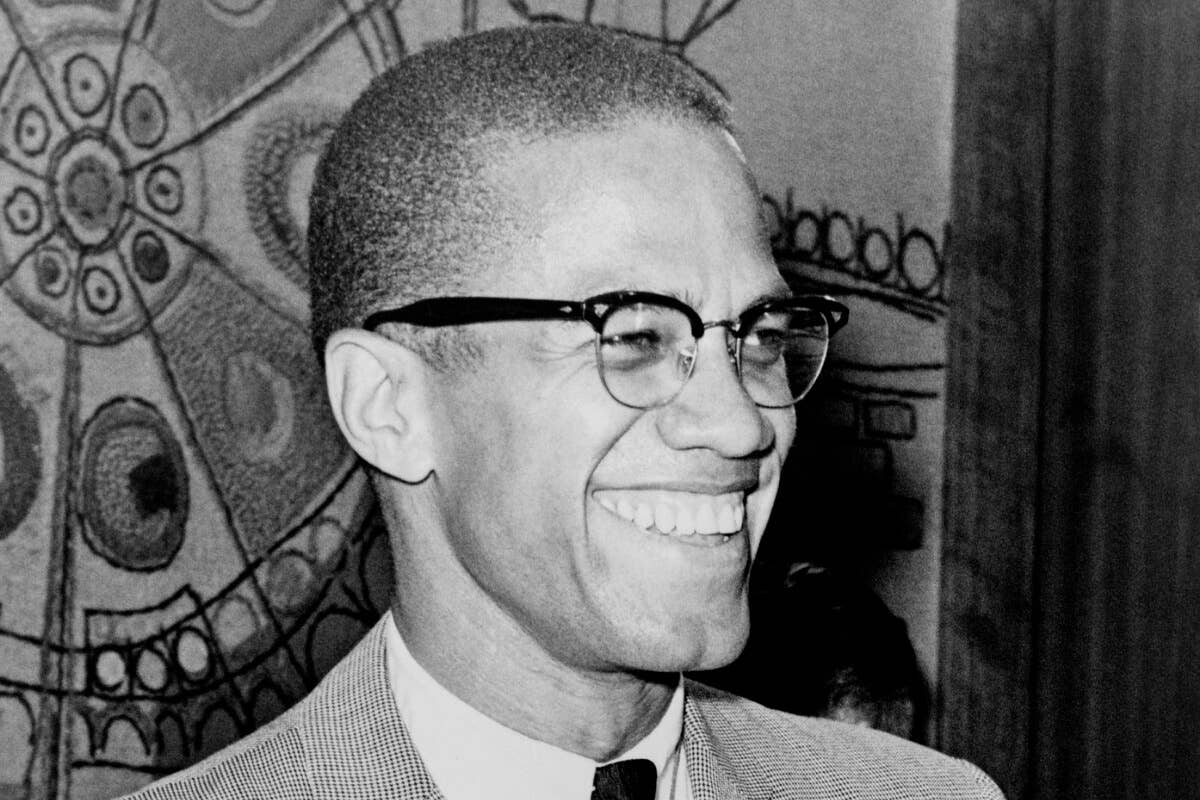
Malcolm X remains one of the most intellectually agile, fiercely dedicated, and widely misunderstood figures of the mid-20th-century civil rights movement, whose evolving philosophy on human rights continues to challenge modern political thought.
Understanding Malcolm X requires looking past the oversimplified caricatures often presented in mainstream media and examining the historical reality of his life, his intellect, his global activism, and his tragic assassination. From his early days as a street-smart hustler in Boston and New York to his intellectual transformation inside a prison cell, his rise as the fiery national spokesman for the Nation of Islam, his profound pilgrimage to Mecca, and his final independent political vision, his trajectory reveals a man in constant pursuit of truth and liberation.
This examination explores ten powerful, historically verified facts about Malcolm X that illuminate his enduring legacy and deep influence on global struggles for justice.
1. His Birth Name Was Malcolm Little, and He Faced Early Racial Terror
Malcolm X was born Malcolm Little on May 19, 1921, in Omaha, Nebraska. His father, Earl Little, was a Baptist minister and an outspoken local organizer for the Universal Negro Improvement Association (UNIA), founded by Marcus Garvey. Because of Earl Little's civil rights activism, the family faced constant intimidation from white supremacist groups, including the Black Legion.
When Malcolm was just four years old, the family home in Lansing, Michigan, was burned to the ground by arsonists. A few years later, in 1931, Earl Little was found dead across municipal streetcar tracks under suspicious, violent circumstances widely attributed to white supremacist violence. These early traumas deeply marked Malcolm's childhood, instilling an acute awareness of racial hostility that shaped his early worldview.
2. He Acquired the Moniker "Detroit Red" During Years of Street Life
Following the institutionalization of his mother, Louise Little, after a severe psychological breakdown under the weight of poverty and family tragedy, Malcolm's family was split up by state welfare agencies. He dropped out of school in Lansing and moved to Boston to live with his older half-sister, Ella Little-Collins.
In Boston and later Harlem, Malcolm worked various odd jobs before plunging into the underground economy. Because of his reddish hair tint inherited from a maternal grandfather, acquaintances in the urban underworld dubbed him "Detroit Red." During this period in the early 1940s, he engaged in numbers running, gambling, burglary, and drug dealing, navigating a dangerous urban lifestyle that eventually caught up with him.
3. His Intellectual Awakening Occurred Behind Bars
In 1946, at the age of 21, Malcolm was arrested in Boston for larceny related to a burglary ring and sentenced to ten years in Charlestown State Prison. Transferred to several different correctional facilities over the next few years, Malcolm experienced a profound intellectual awakening.
Encouraged by his siblings—particularly his brother Reginald, who had converted to the Nation of Islam (NOI)—Malcolm began an intensive program of self-education. He famously copied the entire dictionary word by word into a notebook to improve his vocabulary and read voraciously across history, philosophy, and economics. It was during this incarceration that he formally embraced the teachings of Elijah Muhammad, the leader of the Nation of Islam.
4. The "X" Symbolized a Stolen Identity and Lost Heritage
Upon joining the Nation of Islam, Malcolm dropped his surname, "Little," replacing it with the letter "X." Within the NOI, members discarded their given surnames because they viewed them as "slave names" imposed by white slaveholders who stripped African peoples of their original cultures, languages, and identities.
The letter "X" served as a mathematical placeholder representing the true African family name that had been stolen and erased by centuries of transatlantic slavery. This symbolic renaming was a powerful rhetorical and psychological tool that resonated deeply with African Americans seeking cultural reclamation and psychological emancipation.
5. He Built the Nation of Islam Into a National Phenomenon
When Malcolm was paroled from prison in 1952, the Nation of Islam was a small, obscure religious sect with only a few hundred members. Malcolm's extraordinary charisma, relentless work ethic, and brilliant oratorical skills transformed the organization into a formidable national movement boasting tens of thousands of adherents by the early 1960s.
Operating as the minister of Boston's Temple No. 11 and Harlem's Temple No. 7, Malcolm founded the newspaper Muhammad Speaks, established temples across the United States, and recruited aggressively. His sharp debates with mainstream civil rights leaders, fierce denunciations of white supremacy, and uncompromising demand for total separation or complete self-determination riveted millions of viewers and readers.
6. He Coined the Phrase "The Ballot or the Bullet"
By early 1964, escalating ideological and financial tensions with Elijah Muhammad led Malcolm to break publicly with the Nation of Islam. Free from the strict theological and political constraints of the NOI, Malcolm articulated a more expansive, internationalist political philosophy.
On April 3, 1964, in Cleveland, Ohio, he delivered one of his most famous speeches, titled "The Ballot or the Bullet." In the address, he advised Black Americans to exercise their voting rights defensively while warning that if the government continued to fail to protect civil rights activists from systemic violence, African Americans would be justified in turning to armed self-defense. This speech marked a crucial bridge between the nonviolent integrationist civil rights movement and the emerging Black Power movement.
7. His Pilgrimage to Mecca Fundamentally Altered His Racial Views
In April 1964, Malcolm embarked on the Hajj, the traditional Islamic pilgrimage to Mecca, Saudi Arabia. The experience was nothing short of transformative.
For the first time, Malcolm interacted with Muslims of all races, including blue-eyed, blond-haired men whom he had previously categorized monolithically as oppressors. Witnessing true racial harmony and brotherhood among pilgrims of diverse national and ethnic backgrounds forced him to reevaluate his rigid stance that all white people were inherently evil. Returning to the United States as El-Hajj Malik El-Shabazz, he began expressing a more nuanced view, stating that while systemic white racism was the primary evil plaguing America, true human brotherhood was possible across racial lines.
8. He Founded the Organization of Afro-American Unity (OAAU)
Recognizing that domestic civil rights struggles were insufficient to achieve true liberation, Malcolm looked outward toward the global arena. In June 1964, he established the Organization of Afro-American Unity (OAAU), modeled loosely on the Organization of African Unity (OAU).
The OAAU aimed to unite all people of African descent in the Western Hemisphere while forging direct political and cultural alliances with newly independent African nations. Malcolm sought to bring the plight of African Americans before the United Nations, framing domestic racial discrimination not merely as a civil rights issue within American jurisprudence, but as an international human rights violation.
9. He Was Placed Under Intensive Government Surveillance
Because of his radical critique of American imperialism, his rejection of nonviolent integration, and his growing international profile, Malcolm X became a primary target of United States intelligence agencies. The Federal Bureau of Investigation (FBI), under J. Edgar Hoover, monitored him extensively through COINTELPRO (Counterintelligence Program), wiretapping his phones, tracking his travels, and infiltrating his organizations.
Simultaneously, tensions between Malcolm and loyalists within the Nation of Islam grew increasingly volatile following his departure from the sect. Death threats became common, and his home in Queens, New York, was firebombed on February 14, 1965, just one week before his assassination.
10. His Assassination Cut Short a Globally Expanding Legacy
On February 21, 1965, Malcolm X took the stage at the Audubon Ballroom in Washington Heights, Manhattan, to address a meeting of the OAAU. As he began to speak, a commotion broke out in the crowd to create a diversion, and three Nation of Islam members—Talmadge Hayer (Thomas Hagan), Norman Butler (Muhammad Abdul Aziz), and Thomas Johnson (Khalil Islam)—rushed forward, fatally shooting him multiple times. He was pronounced dead upon arrival at New York's Columbia Presbyterian Hospital at the age of 39.
Despite his short life, his intellectual footprint endures. His autobiographical collaboration with Alex Haley, The Autobiography of Malcolm X (published posthumously in 1965), remains a foundational text of modern American literature and political thought.
Chronology of Malcolm X's Life and Evolution
| Year | Event | Historical Significance |
|---|---|---|
| 1921 | Born in Omaha, Nebraska | Son of a Garveyite activist; early exposure to racial terror. |
| 1946 | Convicted of burglary in Boston | Begins a transformative prison sentence and self-education. |
| 1952 | Paroled and joins the NOI | Drops surname for "X" and becomes a prominent national minister. |
| 1964 | Breaks with NOI and performs Hajj | Founds the OAAU and adopts international human rights framework. |
| 1965 | Assassinated at Audubon Ballroom | Dies at age 39, leaving an unfinished blueprint for Black liberation. |
Frequently Asked Questions About Malcolm X
Why did Malcolm X change his name from Malcolm Little?
Malcolm changed his name to represent the erasure of his ancestral African identity by the institution of slavery. Within the Nation of Islam, members discarded "slave names" assigned by white owners and used the letter "X" as a mathematical placeholder for their unknown African family names. Later in life, after leaving the NOI, he adopted the Islamic name El-Hajj Malik El-Shabazz following his pilgrimage to Mecca.
What caused the split between Malcolm X and the Nation of Islam?
The split in early 1964 was driven by ideological differences, growing political ambitions, and personal friction with NOI leader Elijah Muhammad. Malcolm felt restricted by the NOI's policy of avoiding direct political and civil rights activism. The final catalyst involved public scandals surrounding Elijah Muhammad's personal life, combined with disciplinary silencing imposed on Malcolm after his controversial remarks regarding the assassination of President John F. Kennedy.
Did Malcolm X advocate for violence?
Malcolm did not advocate unprovoked violence; rather, he advocated for armed self-defense when the state failed to protect African Americans from white supremacist terror. He famously argued that self-defense was a basic human right, contrasting his approach with the strictly nonviolent philosophy of Martin Luther King Jr. However, his rhetoric shifted significantly after his trip to Mecca, where he embraced a broader internationalist vision of human rights.
Who was responsible for the assassination of Malcolm X?
Three members of the Nation of Islam—Talmadge Hayer, Norman Butler, and Thomas Johnson—were convicted of the assassination in 1966. Hayer confessed to the shooting and maintained that Butler and Johnson were innocent, though all three were originally convicted. Decades later, in November 2021, Butler (Muhammad Abdul Aziz) and Johnson (Khalil Islam) were exonerated by a New York state court after a reinvestigation revealed that prosecutors had withheld critical evidence that could have cleared them.
Next Actions for Further Study
To deepen your understanding of Malcolm X beyond basic summaries, engage directly with his primary texts and historical archives. Begin by reading The Autobiography of Malcolm X alongside Alex Haley to understand his personal evolution. Follow this by studying his major speeches, such as "The Ballot or the Bullet" and his final recorded interviews from 1965, which capture his expanding global political vision. Consulting scholarly analyses and official historical documents provides a balanced, comprehensive perspective on his enduring impact.