Achieving rapid weight loss and sustaining it over the long term requires a balanced approach that combines strategic caloric deficits, macronutrient optimization, and behavioral modifications rather than relying on restrictive, temporary fad diets.
Sustainable weight management is one of the most widely pursued yet misunderstood goals in modern health and fitness. Many individuals navigate a cycle of rapid weight loss followed by inevitable weight regain—commonly known as weight cycling or yo-yo dieting. This phenomenon occurs because short-term regimens often compromise metabolic health, lean muscle mass, and psychological well-being. To break this cycle, you must implement evidence-based strategies that trigger fat loss while protecting your metabolic rate and establishing lifelong habits.
1. Establish a Moderate and Controlled Caloric Deficit
The foundational rule of weight loss is thermodynamics: you must consume fewer calories than your body expends. However, attempting to lose weight fast by slashing calories to extreme lows (such as consuming fewer than 1,000 calories a day) backfires. Severe restriction triggers adaptive thermogenesis, a survival mechanism where your body slows down its metabolic rate to conserve energy.
Instead, aim for a moderate caloric deficit of 15% to 25% below your Total Daily Energy Expenditure (TDEE). This approach allows for noticeable, rapid weight loss during the initial weeks while preserving lean muscle mass and preventing severe metabolic downregulation.
- Calculate Your Baseline: Determine your maintenance calories using validated equations like the Mifflin-St Jeor formula, factoring in your daily physical activity level.
- Track Consistently: Use a digital food scale and a reputable tracking application for the first few weeks to build awareness of portion sizes and caloric densities.
- Avoid Crash Diets: Rapid water weight loss from starving yourself is not true fat loss and will quickly return the moment normal eating resumes.
2. Prioritize Protein to Preserve Muscle and Control Hunger
Protein is the single most important macronutrient when you are trying to lose weight fast and keep it off. It has a high thermic effect of food (TEF), meaning your body burns approximately 20% to 30% of the calories consumed from protein simply digesting, metabolizing, and processing them.
Furthermore, adequate protein intake stimulates satiety hormones like peptide YY and GLP-1 while suppressing ghrelin, the primary hunger hormone. During a caloric deficit, higher protein intake ensures that the weight you lose comes from adipose tissue (fat) rather than vital skeletal muscle.
- Optimal Intake: Aim for 1.2 to 2.0 grams of protein per kilogram of body weight, depending on your activity level and body composition goals.
- Source Quality: Incorporate lean meats, poultry, fish, eggs, low-fat dairy, legumes, and plant-based protein sources into every meal.
- Meal Distribution: Spread your protein intake evenly throughout the day to maximize muscle protein synthesis.
3. Implement Resistance Training to Protect Your Metabolism
Cardio alone is an inefficient tool for long-term weight management because it does not build or protect lean tissue. When you lose weight without resistance training, a significant percentage of the weight lost can be muscle mass. Because muscle tissue is metabolically active, losing it lowers your resting metabolic rate, making it much harder to keep weight off.
Resistance training—whether through weightlifting, resistance bands, or calisthenics—signals to your body that muscle tissue is essential and must be preserved.
- Frequency: Schedule 3 to 4 full-body or upper/lower split resistance training sessions per week.
- Progressive Overload: Gradually increase the weight, repetitions, or intensity of your exercises over time to continue challenging your muscles.
- Compound Movements: Focus on multi-joint exercises such as squats, deadlifts, presses, and rows, which recruit large muscle groups and maximize energy expenditure.
4. Increase Daily Non-Exercise Activity Thermogenesis (NEAT)
While structured workouts are vital, they typically account for only a small fraction of your total daily calorie burn. Non-Exercise Activity Thermogenesis (NEAT)—the energy expended for everything we do that is not sleeping, eating, or sports-like exercise—plays a massive role in weight loss.
Modern sedentary lifestyles have drastically reduced our baseline NEAT. Walking, cleaning, fidgeting, and standing all contribute to NEAT. Subconsciously, when people start dieting, their bodies try to conserve energy by reducing spontaneous movement. Consciously fighting this drop in NEAT can dramatically accelerate fat loss.
- Step Targets: Set a daily step goal, such as 8,000 to 10,000 steps, and track it using a wearable device or smartphone.
- Incorporate Movement Spells: Take short walking breaks during the workday, use a standing desk, or choose the stairs instead of the elevator.
- Active Errands: Walk to nearby locations instead of driving whenever practical.
5. Manage Liquid Calories and Hydration
Beverages are the hidden saboteurs of countless weight loss journeys. Sugary sodas, specialty coffees, energy drinks, and alcoholic beverages deliver massive loads of fast-digesting carbohydrates and calories without triggering satiety. Because liquid calories do not fill you up, you consume them on top of your regular food intake, easily creating an unmanageable caloric surplus.
Conversely, drinking adequate water supports metabolic function, aids digestion, and can temporarily boost metabolism. Sometimes, the brain confuses thirst with hunger, leading to unnecessary snacking.
- Eliminate Sugar-Sweetened Beverages: Switch to water, unsweetened tea, or black coffee.
- Use Zero-Calorie Alternatives: Sparkling water or diet beverages can satisfy cravings for carbonation and sweetness without adding calories.
- Hydrate Before Meals: Drinking a large glass of water 15 to 30 minutes before a meal can help moderate portion sizes naturally.
6. Focus on High-Fiber, Low-Energy-Density Foods
Energy density refers to the number of calories in a given weight of food. Foods low in energy density—such as vegetables, fruits, whole grains, and legumes—allow you to eat physically large portions while consuming fewer calories.
Dietary fiber is particularly valuable because it slows gastric emptying, promotes stable blood sugar levels, and feeds beneficial gut microbiota. Soluble fiber forms a gel-like consistency in the digestive tract, which delays the absorption of nutrients and prolongs feelings of fullness.
- Vegetable Volume: Fill half your plate with non-starchy vegetables like broccoli, spinach, cauliflower, and zucchini at lunch and dinner.
- Whole Grains: Choose minimally processed grains like oats, quinoa, brown rice, and barley over refined white flour products.
- Fiber Targets: Gradually increase your fiber intake to 25 to 30 grams per day, ensuring you drink plenty of water to prevent digestive discomfort.
7. Prioritize Sleep and Manage Chronic Stress
Sleep deprivation and chronic psychological stress are direct enemies of fast and sustainable weight loss. When you are sleep-deprived, your body experiences hormonal disruptions: ghrelin levels increase while leptin (the satiety hormone) decreases, driving intense cravings for high-calorie, sugary, and fatty foods. Furthermore, lack of sleep impairs executive function in the prefrontal cortex, making it harder to resist temptations.
Chronic stress elevates cortisol, a hormone that promotes visceral fat storage (fat around the abdominal organs) and can increase appetite.
- Sleep Duration: Aim for 7 to 9 hours of quality, uninterrupted sleep per night.
- Sleep Hygiene: Maintain a consistent sleep schedule, keep your bedroom cool and dark, and avoid screen time for an hour before bed.
- Stress Mitigation: Incorporate stress-reduction practices such as mindfulness meditation, deep breathing exercises, or yoga into your daily routine.
8. Track Your Progress Beyond the Bathroom Scale
Relying solely on the bathroom scale to measure weight loss success can be misleading and psychologically discouraging. The scale measures your total body mass, which fluctuates daily due to water retention, glycogen storage, sodium intake, digestive contents, and hormonal shifts. When you begin resistance training or change your diet, water shifts and muscle gain can mask actual fat loss.
Using multiple metrics provides a clearer, more accurate picture of your body composition changes over time.
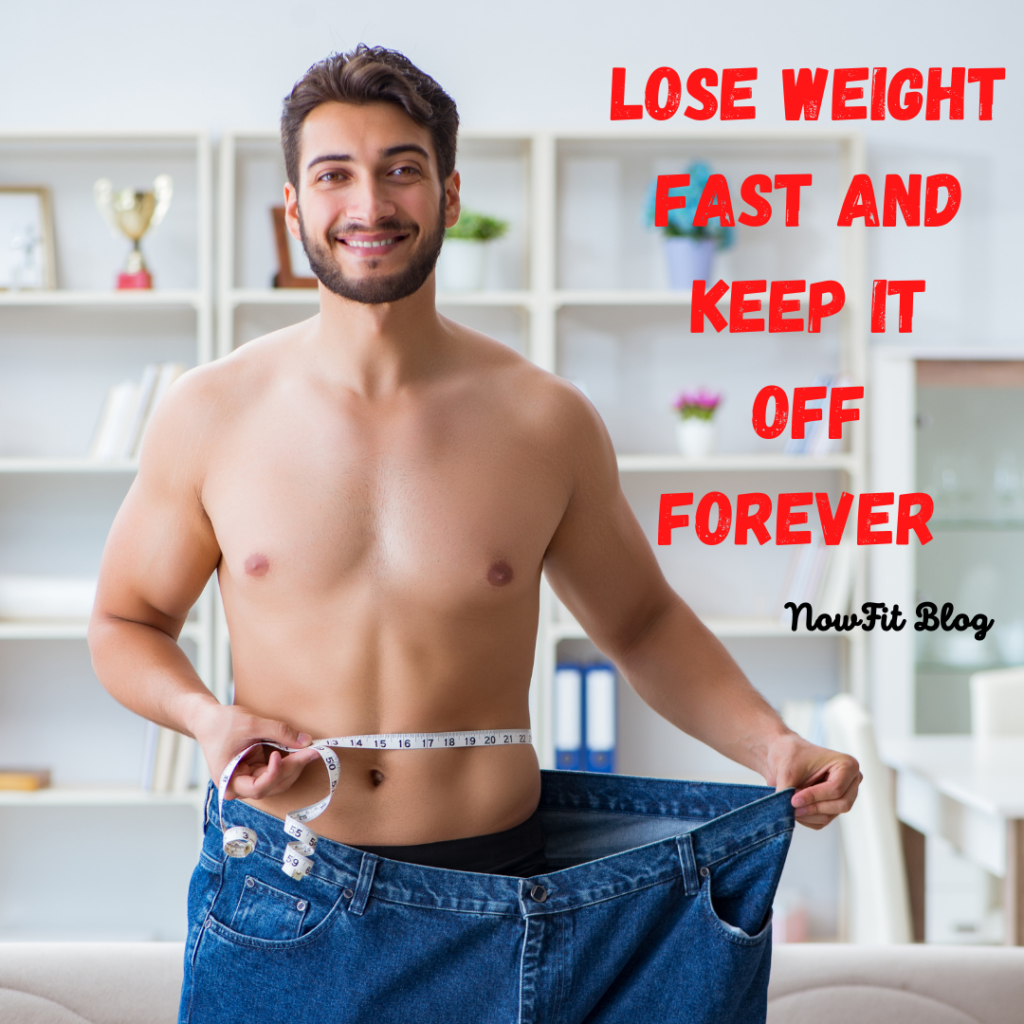
- Body Measurements: Use a flexible tape measure to track changes in your waist, hips, thighs, and arms every two weeks.
- Progress Photos: Take standardized photos in consistent lighting and clothing every 2 to 4 weeks. Visual changes often appear before the scale moves.
- Fit of Clothing: Notice how your clothes fit—particularly trousers and skirts around the waistline.
9. Plan for Social Events and Plateaus
Rigid, all-or-nothing mindsets are the primary reason people fail to keep weight off long-term. If you view a single indulgent meal or a missed workout as a total failure, you are likely to abandon your entire protocol. Weight loss is rarely a linear downward slope; plateaus are a completely normal physiological adaptation.
Anticipating social gatherings, holidays, and inevitable weight loss stalls allows you to navigate them strategically without derailing your progress.
- The 80/80 Rule: Aim to consume 80% of your calories from nutrient-dense, whole foods, leaving a small 20% margin for dietary flexibility and favorite treats.
- Break Plateaus Thoughtfully: If your weight stalls for more than 2 to 3 weeks, re-evaluate your tracking accuracy, slightly reduce calories, or increase your daily step goal.
- Diet Breaks: Taking a 1-to-2-week break at maintenance calories after several weeks of deficit can help normalize hormone levels and combat diet fatigue.
10. Transition to a Sustainable Long-Term Maintenance Mindset
Losing weight fast is only half the battle; keeping it off requires a permanent shift in how you view food, movement, and lifestyle. Studies show that a high percentage of dieters regain the weight they lost—and often more—within a few years. This happens because they treat weight loss as a temporary phase with an end date, rather than a permanent lifestyle evolution.
Once you reach your goal weight, your body requires fewer calories than it did at your starting weight because you are carrying less mass. Transitioning successfully means gradually reversing your caloric deficit back to a new, sustainable maintenance level.
- Reverse Dieting: Slowly add 50 to 100 calories back to your daily intake each week until your weight stabilizes, thereby repairing your metabolic rate.
- Habit Anchoring: Identify 3 to 4 core habits—such as daily walking, tracking protein, or meal prepping—that you commit to maintaining for the rest of your life.
- Regular Monitoring: Step on the scale once a week during maintenance to catch any minor weight creep early, allowing for quick, minor adjustments before a major intervention is needed.
Weight Loss Strategy Comparison
| Strategy | Primary Mechanism | Impact on Speed of Loss | Impact on Long-Term Maintenance |
|---|---|---|---|
| Caloric Deficit | Decreases energy storage | Fast initial drop | Moderate (requires monitoring) |
| High Protein Intake | Increases TEF & satiety | Moderate | High (preserves muscle) |
| Resistance Training | Protects lean muscle mass | Slow/Steady | Very High (maintains metabolism) |
| Increasing NEAT | Increases daily energy burn | Moderate | High (easy habit to sustain) |
| Sleep Optimization | Balances hunger hormones | Moderate | High (prevents binge eating) |
Frequently Asked Questions
How fast is it safe to lose weight?
Most health organizations and medical professionals recommend a safe and sustainable weight loss rate of 1 to 2 pounds (0.5 to 0.9 kg) per week. Losing weight faster than this through extreme measures often results in significant loss of lean muscle mass, nutritional deficiencies, gallstone formation, and a sharp decline in metabolic rate.
Why did my weight loss suddenly stop after a few weeks?
A weight loss plateau is a normal physiological response known as adaptive thermogenesis. As you lose weight, your smaller body requires fewer calories to function, and your metabolic rate decreases slightly. Additionally, your body may temporarily retain water in fat cells as they empty. You can break a true plateau by double-checking your food tracking accuracy, reducing daily calories slightly, or increasing your physical activity.
Do I need to cut out carbs completely to lose weight fast?
No, cutting out carbohydrates entirely is not necessary for rapid weight loss. While low-carb diets often produce a rapid initial drop on the scale, this is primarily due to the depletion of glycogen stores and associated water weight, rather than pure fat loss. Fat loss is dictated by a caloric deficit, not the elimination of any specific macronutrient group.
Can I spot-reduce fat from my belly or thighs?
Spot reduction—the idea that you can lose fat from a specific area of your body by exercising those muscles—is a physiological myth. When you maintain a caloric deficit, your body decides where it mobilizes fat storage based on genetics, hormones, and sex. Core exercises will strengthen your abdominal muscles, but they will not selectively burn belly fat.
What should I do once I reach my target weight?
Once you hit your goal weight, you should transition into a maintenance phase by gradually increasing your caloric intake back up to your new maintenance level (a process known as reverse dieting). Continuing to track your weight weekly, maintaining your exercise routine, and keeping up with high-protein habits will ensure you keep the weight off permanently.