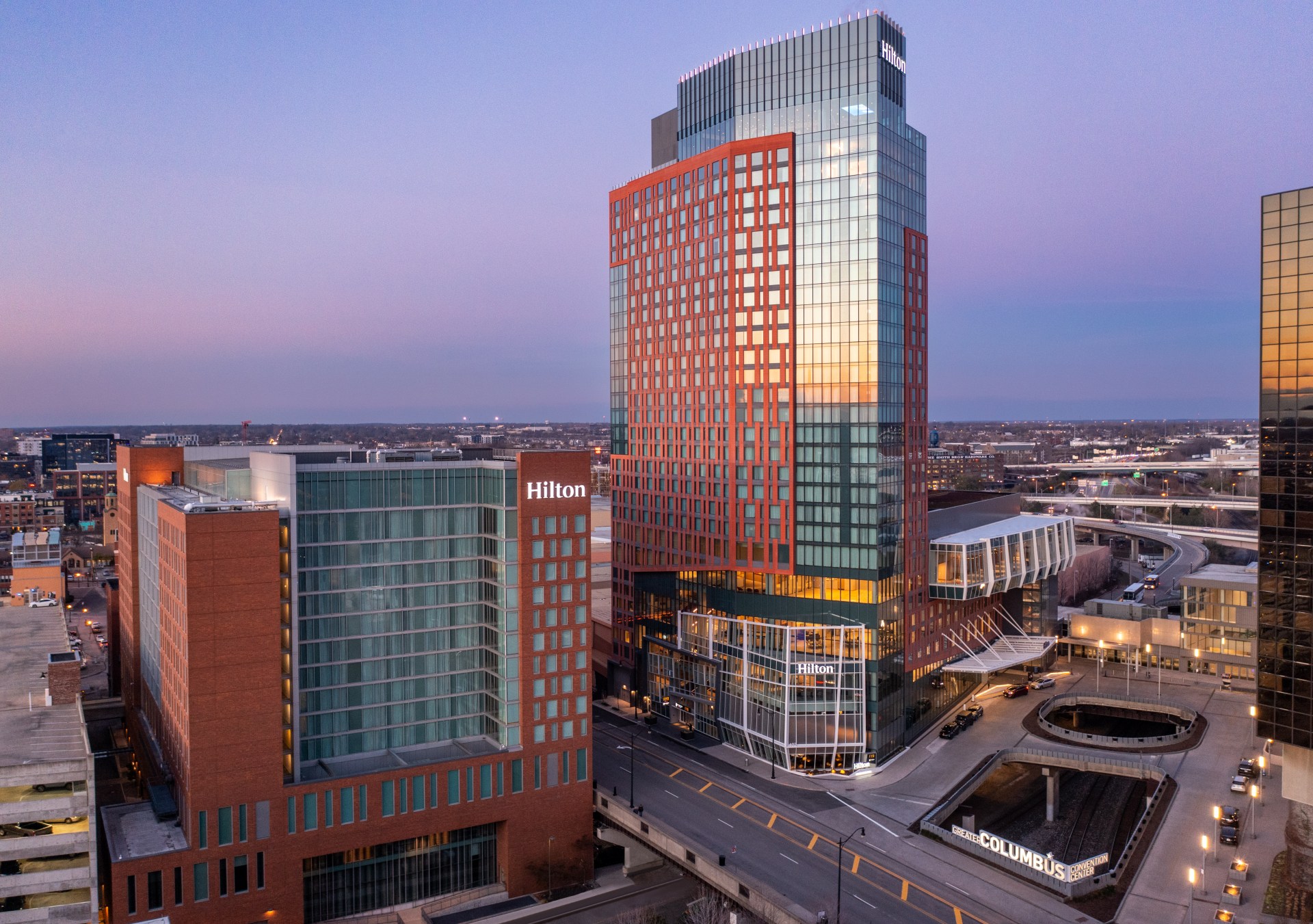
The Hilton family no longer owns Hilton Worldwide. While Conrad Hilton founded the iconic hotel empire in 1919 and his descendants held leadership roles and significant stakes for decades, the company has undergone multiple changes in corporate ownership, shifting through private equity acquisitions and public stock offerings into a globally traded, institutional hospitality enterprise.
The Origins and Expansion of the Hilton Dynasty
To understand the current ownership structure of Hilton Hotels, it is necessary to examine how the enterprise was built. Conrad Hilton purchased his first property, the Mobley Hotel in Cisco, Texas, in 1919. Over the subsequent decades, he expanded the footprint aggressively, acquiring landmark properties such as the Palmer House in Chicago and New York's Plaza Hotel, before purchasing the Waldorf-Astoria in 1949. This era established the Hilton name as a pioneer in modern American hospitality.
In 1946, Conrad Hilton consolidated his growing portfolio by establishing Hilton Hotels Corporation (HHC). The company became the first New York Stock Exchange-listed hotel chain, setting a precedent for corporate finance within the lodging sector. During this foundational growth period, the Hilton family maintained a controlling interest, ensuring that strategic direction, brand vision, and executive leadership remained tightly bound to Conrad Hilton and his heirs, including his son, Barron Hilton.
As the decades progressed, the enterprise diversified internationally through Hilton International (which was spun off and later reacquired) and introduced pioneering franchising models. Throughout these structural shifts, the Hilton family remained the emotional and financial anchor of the brand. Barron Hilton succeeded his father as president, chief executive officer, and chairman of the board, steering the company through decades of sustained commercial real estate expansion and brand evolution.
Corporate Restructuring and the Blackstone Acquisition
The definitive shift away from family ownership occurred in the 21st century through a series of multi-billion-dollar corporate transactions. In 2006, Hilton Hotels Corporation acquired the UK-based Hilton International Co., reuniting the two halves of the global brand under a single corporate umbrella for the first time since the 1960s. This massive consolidation made Hilton an even more attractive target for institutional investors and private equity firms.
In July 2007, the private equity giant Blackstone Group (now Blackstone Inc.) announced a definitive agreement to acquire Hilton Hotels Corporation for approximately $26 billion in cash. This transaction valued the company at $47.50 per share, representing a significant premium at the time. Shareholders, including members of the Hilton family who held substantial equity blocks, voted to approve the buyout.
When the transaction closed in October 2007, Hilton was taken private, effectively ending its era as a publicly traded company and severing the direct equity control that the Hilton family had exercised for nearly nine decades. Blackstone installed a new executive team, overhauled operations, restructured debt, and systematically positioned the company for a return to the public markets.
Hilton’s Return to the Public Markets
Blackstone held Hilton through the turbulent years of the 2008 financial crisis, using the period to invest in property renovations, expand digital infrastructure like the Hilton Honors loyalty program, and scale asset-light franchise models. By December 2013, market conditions allowed Blackstone to take Hilton public once again through an initial public offering (IPO) that raised approximately $2.35 billion, marking one of the largest hotel IPOs in history.
Following the IPO, Blackstone gradually reduced its stake over the next several years. A major milestone occurred in 2017 when Chinese conglomerate HNA Group agreed to acquire a 25% stake in Hilton from Blackstone for $6.5 billion. HNA subsequently distributed its shares, and Blackstone completely exited its investment in Hilton in 2018, selling its remaining holdings.
Today, Hilton Worldwide Holdings Inc. trades publicly on the New York Stock Exchange under the ticker symbol HLT. Its equity is widely held by institutional investors, mutual funds, pension funds, and retail shareholders rather than any single family or private entity.
| Ownership Era | Timeframe | Primary Controlling Entity | Corporate Structure |
|---|---|---|---|
| Foundational Era | 1919 – 2006 | Conrad Hilton & Descendants (e.g., Barron Hilton) | Publicly Traded / Family-Influenced Management |
| Private Equity Era | 2007 – 2013 | Blackstone Group | Privately Held Corporation |
| Modern Public Era | 2013 – Present | Institutional Shareholders & Public Markets | Publicly Traded Corporation (NYSE: HLT) |
The Current Role of the Hilton Family
Although the Hilton family no longer owns the corporation or its properties, individual descendants maintain cultural connections and philanthropic ties to the legacy built by Conrad Hilton. Barron Hilton, who passed away in 2019, served as the chairman, president, and CEO before the Blackstone buyout. In a move mirroring his father’s philanthropic philosophy, Barron Hilton pledged 97% of his fortune to the Conrad N. Hilton Foundation, leaving only a fraction to his heirs and permanently separating the family's accumulated wealth from the corporate entity of Hilton Worldwide.
Today, descendants of Conrad Hilton are primarily known for their ventures in entertainment, fashion, and philanthropy rather than hospitality operations. While public perception sometimes conflates the celebrity profiles of modern family members with the day-to-day operations of the lodging giant, there is no corporate connection between the family and Hilton Worldwide Holdings Inc. Executive decisions, brand management, franchise approvals, and financial strategies are handled entirely by the corporation's board of directors and professional management team, led by CEO Christopher J. Nassetta.
Structure of Modern Hilton Worldwide Holdings Inc.
Hilton Worldwide operates today as a massive hospitality enterprise structured primarily around franchising and management agreements rather than direct real estate ownership. This asset-light business model allows the corporation to license its portfolio of brands to independent property owners and developers while collecting franchise fees and management royalties.
The modern corporate portfolio encompasses dozens of distinct lodging brands catering to various market segments, ranging from focused-service properties to luxury resorts:
- Luxury and Lifestyle: Waldorf Astoria Hotels & Resorts, LXR Hotels & Resorts, Conrad Hotels & Resorts, Canopy by Hilton, Signia by Hilton.
- Full Service: Hilton Hotels & Resorts, DoubleTree by Hilton, Curio Collection by Hilton, Tapestry Collection by Hilton.
- Focused Service and Extended Stay: Embassy Suites by Hilton, Motto by Hilton, Hilton Garden Inn, Hampton by Hilton, Tru by Hilton, Homewood Suites by Hilton, Home2 Suites by Hilton, Spark by Hilton.
- Timeshare: Hilton Grand Vacations (which was spun off into an independent publicly traded company in 2017).
By shedding physical real estate ownership over the decades, Hilton minimized its exposure to capital-intensive property maintenance while maximizing global scale. This strategic shift explains why the company can operate thousands of properties worldwide without needing a founding family to bankroll physical expansion.
Frequently Asked Questions
Do any Hiltons still work for Hilton Hotels?
No members of the Hilton family hold executive positions, management roles, or board seats within Hilton Worldwide Holdings Inc. The company is operated by an independent professional management team and governed by a public board of directors.
When did the Hilton family sell Hilton Hotels?
The family's controlling stake was sold in October 2007 when private equity firm Blackstone Group acquired Hilton Hotels Corporation for approximately $26 billion and took the company private.
Who owns Hilton Hotels today?
Hilton Worldwide Holdings Inc. is a publicly traded corporation listed on the New York Stock Exchange under the ticker symbol HLT. Its shares are owned by institutional investors, investment funds, and public shareholders, with no single controlling entity or family.
Does the Hilton family own any of the hotel properties?
No. Hilton Worldwide operates primarily on an asset-light franchising and management model. The actual real estate properties bearing Hilton brand names are owned by independent real estate investment trusts (REITs), private developers, and institutional investors.
What happened to the family fortune?
Conrad Hilton and his son Barron Hilton directed the vast majority of their wealth to the Conrad N. Hilton Foundation, a major philanthropic organization that funds international humanitarian initiatives, rather than passing full corporate ownership down through generations.
Practical Guidance for Travelers and Investors
For travelers booking accommodations or investors examining hospitality stocks, recognizing Hilton's modern corporate reality ensures a clear understanding of brand standards and financial performance. Travelers should note that individual properties are independently owned and operated under franchise agreements, meaning guest experiences can vary by location despite strict corporate brand guidelines. Investors analyzing HLT stock should evaluate macroeconomic travel trends, global RevPAR (Revenue Per Available Room) metrics, and franchise fee growth rather than family governance indicators.