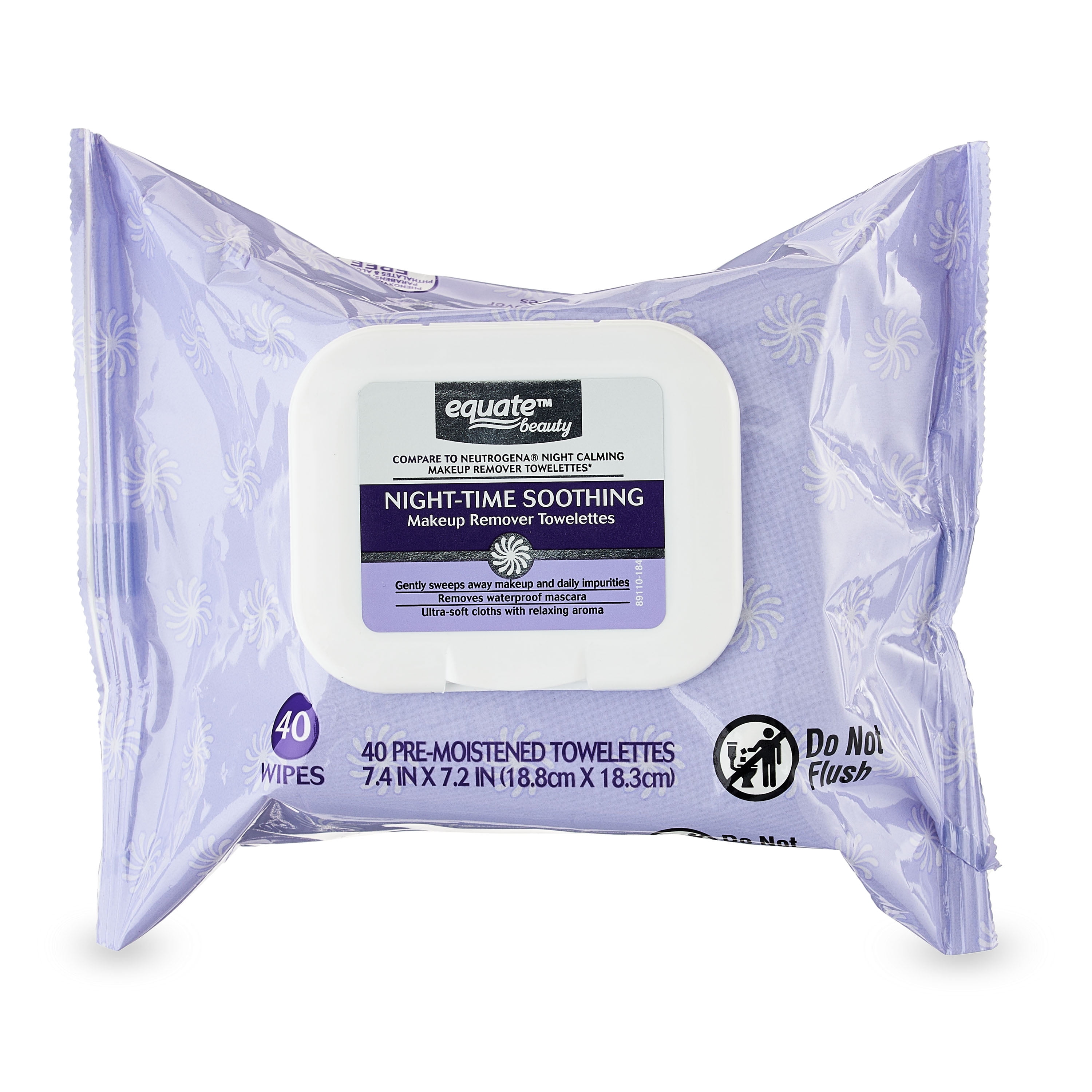
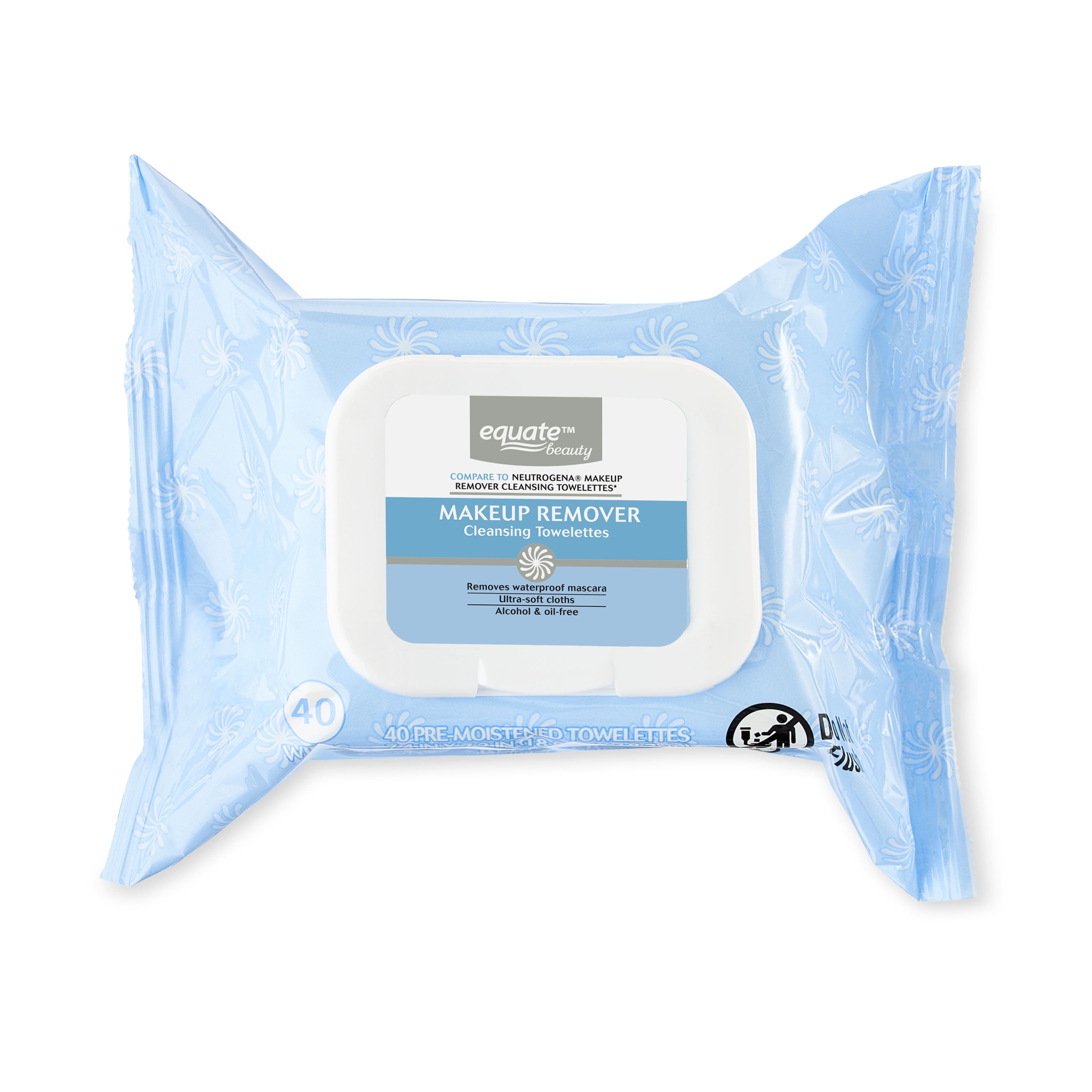
The Equate makeup remover wipes recall primarily concerns historical incidents of bacterial contamination and recent safety investigations regarding chemical additives. While no active, nationwide recall is currently in effect for the entire Equate beauty line in 2026, consumers should remain vigilant regarding specific lot numbers associated with past microbial issues and ongoing reports concerning PFAS (forever chemicals) in various disposable wipe brands.
The Background of Equate Brand Safety and Manufacturing
Equate is Walmart’s flagship private-label brand, offering a wide array of health and personal care products ranging from over-the-counter medications to cosmetic supplies. Because Walmart does not manufacture these products itself, it contracts with various third-party suppliers. This supply chain structure is critical to understanding recall patterns; a recall often affects a specific manufacturing facility rather than the entire Equate brand globally.
Historically, Equate makeup remover wipes have faced scrutiny during broader industry-wide recalls or specific manufacturing failures. The most significant historical concerns have centered on microbial contamination. Because makeup wipes are "wet" products—containing water, surfactants, and skin-conditioning agents—they are highly susceptible to the growth of bacteria and mold if the preservative system fails or if the manufacturing environment is compromised.
In 2026, the regulatory landscape for these products is governed by the Modernization of Cosmetics Regulation Act (MoCRA), which granted the FDA expanded authority to mandate recalls and require stricter manufacturing standards. This shift has resulted in more frequent, smaller-scale "voluntary" withdrawals as companies identify issues through more rigorous testing protocols before products reach the mass market.
Key Recall Facts: Bacterial Contamination Incidents
The most documented safety issues involving Equate wipes (and similar private labels) involve the presence of the Burkholderia cepacia complex (Bcc). This group of bacteria is often found in soil and water and is remarkably resistant to many common antibiotics. For healthy individuals, contact with Bcc might only cause minor skin irritation, but for those with weakened immune systems or chronic lung conditions (such as cystic fibrosis), it can lead to severe respiratory infections.
Why Bacterial Growth Occurs in Wipes
Makeup wipes are essentially a non-woven fabric soaked in a liquid solution. Manufacturers must balance the "clean" label trend—removing parabens and certain preservatives—with the need to keep the product sterile. If the water used in the facility is contaminated or if the preservative concentration is slightly off, bacteria can flourish inside the sealed plastic packaging.
When a recall is triggered by bacteria, it is usually categorized as a Class II recall. This means the product may cause temporary or medically reversible adverse health consequences, but the probability of serious adverse health consequences is remote. However, for a product used daily around the eyes and mucous membranes, even a Class II risk is a significant safety concern for the general public.
The 2023-2024 PFAS Investigations and Their Impact
Moving into the mid-2020s, the focus shifted from immediate biological threats to long-term chemical exposure. In late 2023 and throughout 2024, independent laboratory testing by consumer advocacy groups identified high levels of organic fluorine—a marker for PFAS (per- and polyfluoroalkyl substances)—in several brands of makeup remover wipes, including those sold under the Equate label.
Understanding PFAS in Cosmetics
PFAS are often referred to as "forever chemicals" because they do not break down in the environment or the human body. They are sometimes used in cosmetics to improve product spreadability or to make the wipe material more resistant to tearing.
The concern in 2026 is that cumulative exposure to PFAS has been linked to various health issues, including hormonal disruption, liver damage, and certain types of cancer. While the levels found in a single makeup wipe are relatively low, the "daily use" nature of the product raises questions about long-term bioaccumulation. Unlike bacterial contamination, which triggers an immediate FDA recall, the presence of PFAS often leads to "market withdrawals" or formula changes as manufacturers scramble to meet new state-level regulations.
How to Identify Recalled or High-Risk Equate Wipes
To determine if your specific package of Equate wipes is part of a recall or a safety alert, you must look beyond the brand name. The critical information is found on the back or bottom of the soft plastic "peel-and-seal" pack or the rigid plastic tub.
- The UPC (Universal Product Code): This is the barcode used at checkout. Specific recalls are often tied to one UPC (e.g., the Equate Nighttime Soothing Makeup Remover Wipes, 60-count twin pack).
- Lot Numbers and Date Codes: These are usually stamped in black ink near the seam of the package. They tell you exactly when and where the product was made. A recall rarely covers every pack of a specific variety; it usually targets specific "lots" produced during a window of contamination.
- Expiration Dates: While cosmetics don't "spoil" like milk, the preservative system in makeup wipes has a shelf life. Using wipes past their expiration date increases the risk that the preservatives have degraded, allowing opportunistic bacteria to grow.
Common Signs of a Compromised Product
Even if your lot number isn't listed in an official recall notice, you should discontinue use if you notice:
- An unusual or "sour" odor upon opening the seal.
- Discoloration or visible spots (mold) on the fabric.
- The wipes feel unusually dry or, conversely, have a slimy texture.
- Increased skin sensitivity or stinging that wasn't present before.
Comparison of Equate Wipe Varieties and Safety Profiles
Different formulations carry different risks based on their ingredients and intended use. The table below outlines the general safety categories for Equate wipes as observed in recent testing and regulatory cycles.
| Product Variety | Key Ingredients | Historical Recall Risk | Recent Safety Notes (2026) |
|---|---|---|---|
| Equate Original Clean | Water, Polysorbate 20, Fragrance | Moderate (Preservative failures) | Updated to "Paraben Free" to meet new standards. |
| Equate Night-Time Soothing | Chamomile & Aloe Extracts | Low | Most popular seller; high manufacturing oversight. |
| Equate Oil-Free (Blue Pack) | Salicylic acid (some versions) | Low | Alcohol-free versions are less prone to drying out. |
| Equate Exfoliating | Textured fabric, Glycolic acid | Moderate (PFAS/Material risk) | Scrutinized for PFAS in the textured fabric fibers. |
| Equate Fragrance-Free | Minimalist formula | Moderate (Bacteria risk) | Higher risk of microbial growth due to fewer preservatives. |
Steps to Take if You Have Recalled Equate Wipes
If a recall is announced, or if you suspect your product is contaminated based on official lot numbers provided by Walmart or the FDA, you should follow a specific protocol to ensure your safety and receive a refund.
1. Stop Use Immediately
Do not attempt to "wash" the wipes or use them on other parts of your body. If the concern is bacterial, the entire pack is likely compromised. If the concern is chemical (like PFAS), the risk is inherent in the material itself.
2. Preserve the Packaging
You will need the packaging to verify your eligibility for a refund. Take a clear photograph of the UPC and the lot code. This is essential if you no longer have the paper receipt, as it proves the product came from the affected batch.
3. Return to Walmart
Walmart’s policy for recalled Equate items is generally straightforward. You can return the product to the Customer Service desk at any Walmart location. In most recall scenarios, a full refund is issued to the original form of payment, even without a receipt, provided the product's lot code matches the recall notice.
4. Monitor Your Health
If you have used a recalled product and notice persistent redness, bumps, or eye irritation, consult a healthcare provider. If the recall was due to Burkholderia cepacia, be particularly mindful of any respiratory symptoms, especially if you have an underlying health condition.
5. Report to the FDA
Consumers can report adverse reactions directly to the FDA through the MedWatch program. This data is vital for regulators to identify patterns of harm that might lead to further investigations into a manufacturer's facility.
The Role of MoCRA in 2026 Product Safety
By 2026, the Modernization of Cosmetics Regulation Act (MoCRA) has fundamentally changed how Walmart manages its Equate line. Key changes that affect the "Recall Facts" for this year include:
- Mandatory Reporting: Suppliers must report "Serious Adverse Events" to the FDA within 15 business days.
- Facility Registration: All factories producing Equate wipes must be registered with the FDA, allowing for easier tracing of contaminated batches.
- Fragrance Allergen Disclosure: Equate wipes must now list specific fragrance allergens, reducing the "hidden" chemical risks that previously led to consumer complaints.
- FDA Recall Authority: Previously, most cosmetic recalls were voluntary. Now, if the FDA determines there is a reasonable probability that a cosmetic is adulterated or misbranded and will cause serious adverse health consequences, it can order a mandatory cease-distribution and recall.
Frequently Asked Questions
Can I still use Equate wipes if they aren't on a recall list?
Yes, the vast majority of Equate products are safe for use. Recalls are typically limited to specific batches or manufacturers. If your product looks, smells, and performs normally, and its lot number does not appear on any official FDA or Walmart safety bulletins, there is no immediate reason to stop using it.
How long do Equate makeup wipes last before they expire?
Most makeup wipes have a shelf life of approximately 12 to 24 months from the date of manufacture. However, once the seal is opened, they should be used within 3 to 6 months. Over time, the moisture can evaporate, and the preservative system can weaken, making the product less effective and more prone to bacterial growth.
Are "Flushable" Equate wipes included in makeup remover recalls?
"Flushable" wipes are typically part of the personal hygiene (toiletries) category rather than the beauty category. While they share similar manufacturing risks (like bacteria), they are usually produced on different lines. You should check the specific recall notice to see if "Flushable Wipes" or "Makeup Remover Wipes" are listed, as they are distinct products.
What should I do if I used a recalled wipe on my eyes?
If you have used a wipe that was later recalled for bacterial contamination, flush your eyes gently with clean, lukewarm water or a sterile saline solution. Monitor for signs of conjunctivitis (pink eye), such as redness, discharge, or itching. Contact an optometrist if symptoms persist for more than 24 hours.
Does Equate test for PFAS in its makeup wipes in 2026?
Following the industry-wide focus on "forever chemicals" in 2024, many major retailers, including Walmart, updated their supplier requirements. While "PFAS-free" claims are becoming more common, consumers should look for specific third-party certifications (such as EWG Verified) if they are concerned about chemical purity, as "Equate" is a value-focused brand that may not always prioritize these certifications.
Practical Recommendation for Consumers
When purchasing Equate makeup wipes in 2026, the best practice is to check the manufacturing date and lot code before leaving the store. Opt for the newest stock available, usually located at the back of the shelf. If you have sensitive skin or a compromised immune system, consider switching to a reusable microfiber cloth with a dedicated liquid cleanser, which eliminates the risks associated with preservative failures in pre-moistened wipes and reduces your environmental footprint. Always stay informed by checking the Walmart Corporate Product Recalls page or the FDA Cosmetics Recalls database periodically for the most current safety data.