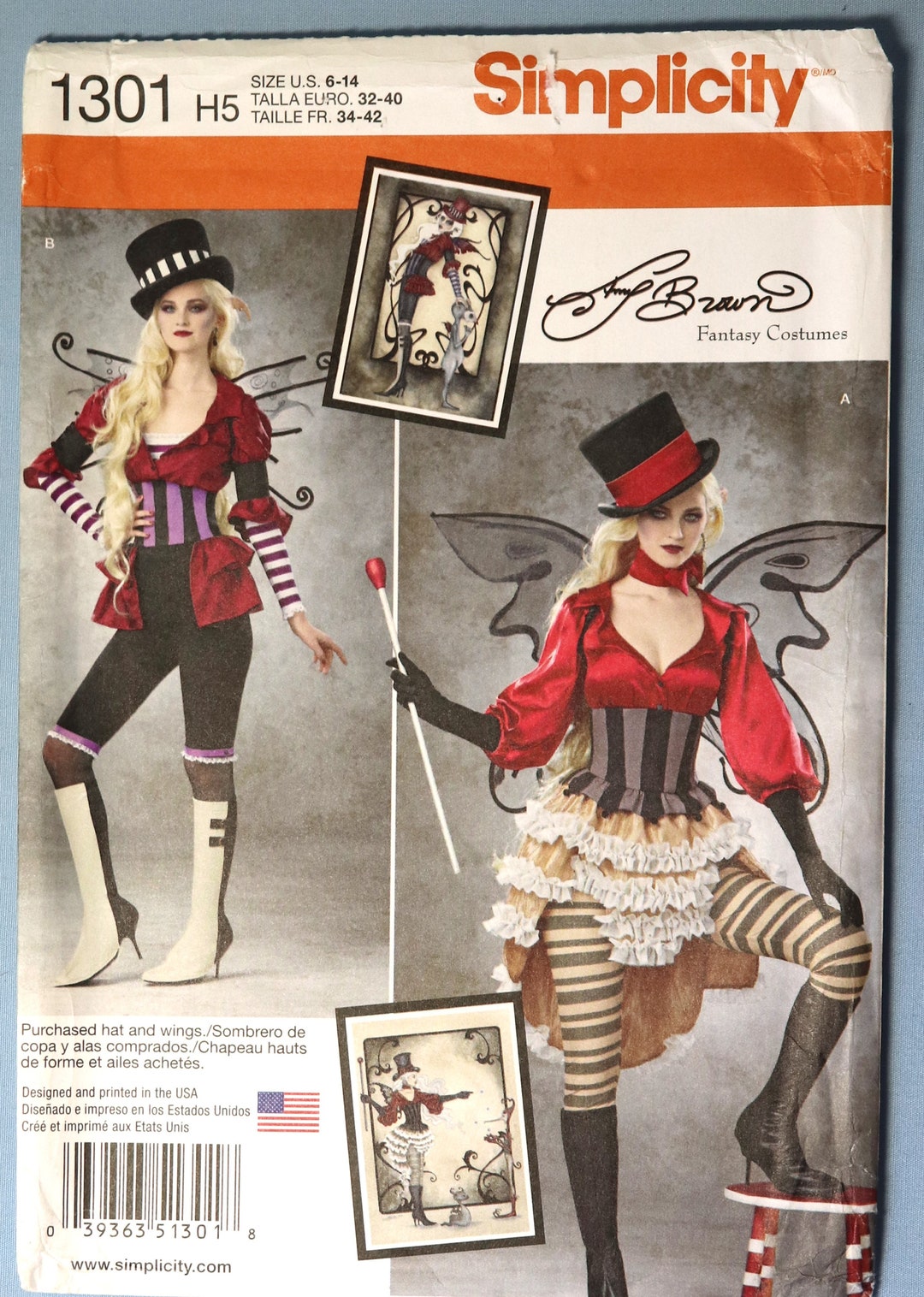
Creating a compelling fantasy look does not require a theatrical costume department, advanced sewing skills, or a massive budget. Easy fantasy costumes rely on clever styling, versatile core garments, and high-impact accessories that transform everyday clothing into magical personas. Whether you are preparing for a Halloween party, a Renaissance faire, a comic convention, or a themed photoshoot, focusing on foundational layers, silhouette shaping, and signature props allows you to assemble an impressive character ensemble with minimal stress and maximum creative expression.
Understanding the Essentials of Low-Effort Fantasy Styling
The secret to pulling off a successful fantasy costume with minimal effort lies in silhouette and color theory rather than intricate construction. Fantasy genres—spanning high fantasy, dark fantasy, mythical folklore, and contemporary urban fantasy—often rely on distinct visual archetypes. By identifying the core visual markers of these archetypes, you can substitute specialized costume pieces with items from your existing wardrobe or thrift stores.
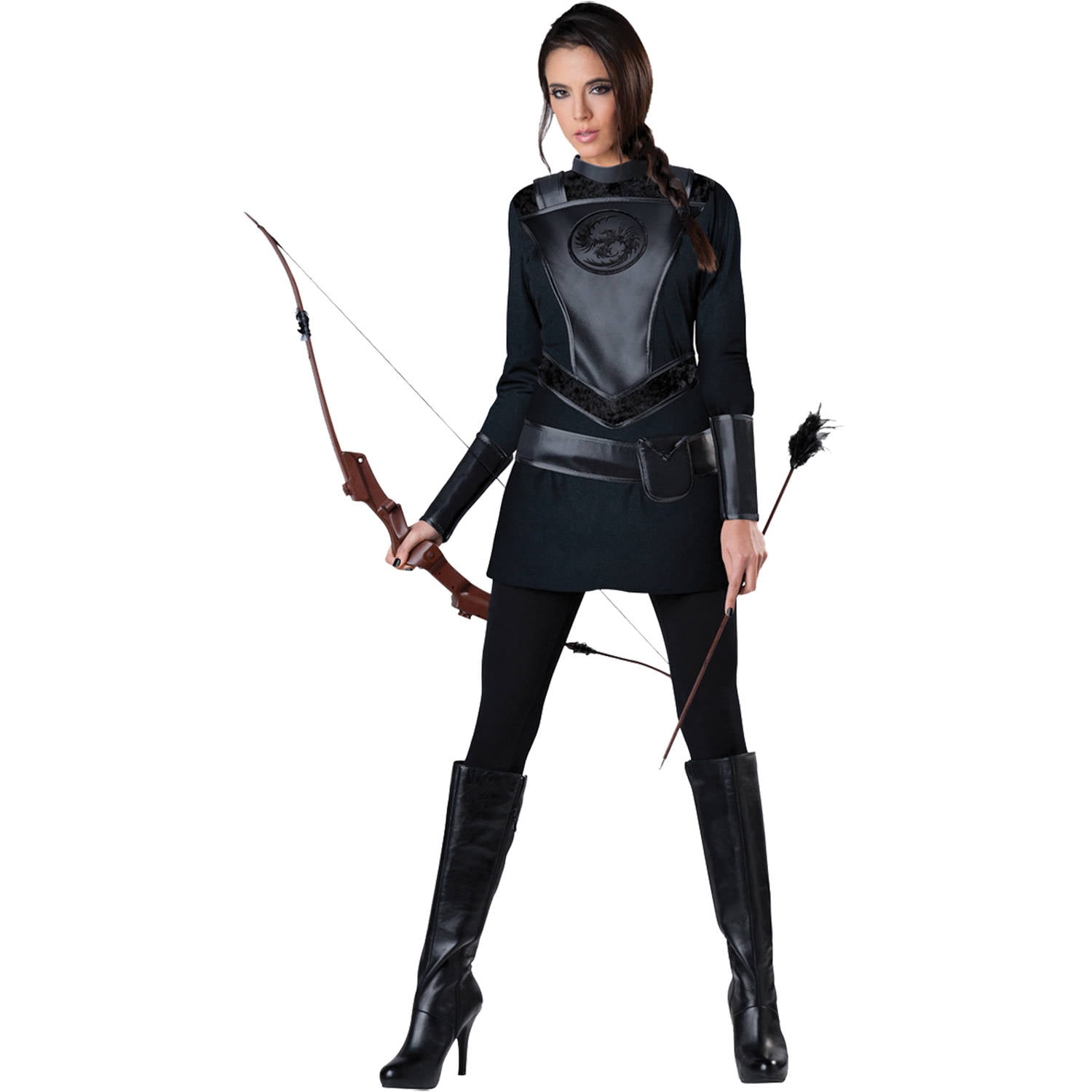
When planning an easy costume, prioritize comfort and adaptability. Heavy armor made of stamped metal or multi-layered velvet gowns can become uncomfortable after just a few hours. Instead, look for lightweight faux leather, breathable linens, cotton knits, and stretch fabrics. Accessories do the heavy lifting in fantasy styling; a simple tunic and trousers instantly become a ranger outfit when paired with a faux-leather harness, a prop bow, and a hooded cloak.
Furthermore, consider the environment where you will wear the costume. Outdoor events require sturdy footwear and weather-appropriate layers, while indoor parties call for lightweight materials that prevent overheating. Breaking down your costume into modular components—base layers, statement outerwear, footwear, and props—ensures you can easily adjust your look for comfort throughout the day.
Popular Character Archetypes and How to Build Them
Different fantasy archetypes require distinct color palettes and accessory sets. Selecting a well-known archetype ensures that people immediately recognize your character without needing extensive explanation.
The Forest Ranger or Elf Archer
Rangers and woodland elves are among the easiest characters to recreate because their aesthetic is rooted in earthy tones and practical travel gear.
- Base Layers: Olive green, brown, or beige long-sleeve tunics, t-shirts, or sweaters paired with dark trousers or leggings.
- Outerwear: A hooded cloak in forest green, brown, or charcoal grey. A faux-leather waist belt or corset helps define the silhouette.
- Footwear: Brown hiking boots, riding boots, or flat leather shoes.
- Props: A lightweight wooden or plastic bow and arrow set, or a faux-leather pouch attached to the belt.
The Tavern Keeper or Peasant Villager
For a rustic, historical fantasy aesthetic, the tavern worker or village local provides a comfortable and charming option that works well for Renaissance faires.
- Base Layers: A loose-fitting white or off-white bell-sleeve poet blouse or linen shirt.
- Lower Garments: A long maxi skirt in a solid earthy color, or dark trousers. Over the skirt, add an adjustable laced bodice or a simple fabric apron.
- Footwear: Simple flats, clogs, or leather ankle boots.
- Props: A wooden tankard, a small wicker basket filled with faux bread or fruit, or a coin pouch.
The Dark Sorcerer or Mystic Mage
If you prefer a more dramatic or mysterious look, a dark magic user requires very few specialized items to look convincing.
- Base Layers: All-black clothing, such as a black dress, or black tunic and pants.
- Outerwear: A floor-length black cloak, a hooded cape, or a sheer black mesh overlay robe.
- Footwear: Black boots or comfortable dark walking shoes.
- Props: A glowing prop orb, a spellbook with a vintage-looking cover, or a carved wooden staff.
| Archetype | Core Color Palette | Key Garment Substitute | Essential Accessory |
|---|---|---|---|
| Forest Ranger | Olive, Brown, Tan | Green sweater + dark jeans | Hooded cloak & faux-leather belt |
| Tavern Keeper | White, Brown, Red | Poet blouse + maxi skirt | Laced bodice or apron |
| Dark Sorcerer | Black, Charcoal, Purple | All-black base clothing | Cape, staff, or spellbook |
| Mystic Fairy | Pastels, Gold, Green | Sundress or pastel top | Fairy wings & floral headband |
| Royal Noble | Jewel tones, Gold, Velvet | Velvet blazer or dress | Crown, tiara, or faux jewels |
Sourcing and Repurposing Items from Your Wardrobe
Building a fantasy costume without buying a pre-made boxed kit saves money and often yields a much more authentic look. Start by auditing your closet for items that fit neutral, rustic, or gothic styles.
Oversized knit sweaters, earth-toned cardigans, maxi skirts, and flowing blouses can easily double as medieval or fantasy garments. If you need additional pieces, thrift stores are goldmines for costume creation. Look through the winter coat section for capes, coats with interesting collars, and faux-fur trims. The belt and accessory racks frequently yield wide leather belts, metal-buckled belts, and vintage bags that anchor a fantasy look.
Fabric manipulation can also elevate basic items. Distressing clothes—such as lightly fraying the hem of a thrifted tunic or adding faux weathering with diluted acrylic paint or makeup—adds a lived-in, adventurous character to clean modern garments. However, always test fabric treatments on an inconspicuous spot first to avoid ruining wearable clothing.
High-Impact Accessories That Transform Simple Outfits
When clothing is basic, accessories provide the narrative context that defines a fantasy character. Investing time in a few key pieces eliminates the need for complex sewing or tailoring.
Belts and Harnesses
A wide belt worn over a loose tunic or dress instantly creates a medieval or fantasy silhouette by breaking up the fabric and adding structure. Faux-leather body harnesses, sword frogs, and waist cinchers add an adventurous mercenary or warrior vibe to even the simplest t-shirt and jeans combination.
Headwear and Crown Pieces
Headwear can instantly signal royalty, magic, or wild woodland origins. Wire-wrapped crystal crowns, twig tiaras, floral circlets, or simple pointed elf ears secured with spirit gum or skin adhesive elevate an outfit immediately. For a mysterious or protective look, cowls, hoods, and wired capes frame the face effectively.
Jewelry and Medallions
Chunky metal pendants, amber or gem-style rings, layered leather cuffs, and torcs (rigid neck rings) add texture and historical flair. Look for costume jewelry with antique brass, copper, or silver finishes rather than bright, shiny modern metals.
Step-by-Step Assembly Guide for Last-Minute Costumes
When time is limited, following a structured workflow prevents panic and ensures a cohesive final result. Use this streamlined four-step process to assemble an easy fantasy costume within hours of an event.
- Select Your Character Concept: Choose an archetype based on items you already own. Do not try to build an armor-heavy knight if you only have soft fabrics available; pivot to a wizard, ranger, or rogue instead.
- Assemble the Base Layer: Pull your foundational top and bottom. Prioritize comfort, movement, and a cohesive color palette of no more than three primary colors (e.g., brown, green, and gold).
- Layer for Dimension: Add a vest, open cardigan, cape, or apron over your base layer. Layering adds visual depth and hides modern seams or logos from underlying garments.
- Accessorize and Finalize: Put on your footwear, belt, and signature props. Check your look in a mirror to ensure no modern items (such as visible smartphone cases or wristwatches, unless styled as props) disrupt the fantasy immersion.
Common Pitfalls and How to Avoid Them
Even simple costumes can run into practical challenges if certain details are overlooked. Being aware of these common mistakes ensures a smooth experience.
- Neglecting Footwear: Wearing brand-new heels or flimsy fashion flats to an outdoor festival or a long party leads to rapid discomfort. Always opt for broken-in boots or supportive flat shoes, even if you need to wrap them in fabric or faux-leather covers to match your costume.
- Overcomplicating the Design: Trying to construct complex props like heavy wooden staffs or functioning leather armor on a tight deadline often leads to frustration. Focus on soft goods and clean silhouettes instead.
- Ignoring Weather and Temperature: Layering heavy velvet and faux fur indoors can cause overheating, while thin linen outdoors in autumn leaves you freezing. Check the venue climate before finalizing your layers.
- Skipping Safety Checks: Ensure any props (such as toy swords or bows) comply with event or venue regulations regarding weapon props (such as requiring orange tips or peace-tying).
Frequently Asked Questions
What are the easiest fantasy costumes to make at home?
Rangers, tavern keepers, and basic wizards are the easiest costumes to make at home. They rely on loose shirts, trousers, simple skirts, and earth-toned layers that can be pulled from a standard wardrobe or thrifted cheaply, accented by a belt or cloak.
How can I make a costume look more authentic without sewing?
Use layering and texture. Combining different fabric textures like knit, faux leather, linen, and faux fur adds visual depth. Wide belts, harnesses, capes, and vintage-looking jewelry distract from modern cuts and create an authentic fantasy aesthetic.
What shoes should I wear with a fantasy costume?
Dark leather or brown riding boots, hiking boots, or simple flat ankle boots work best for most fantasy archetypes. Avoid athletic sneakers, neon colors, and modern branding whenever possible.
Can I wear a fantasy costume to a professional or formal event?
For formal events with a fantasy or masquerade theme, opt for high-end fantasy elements such as a velvet evening gown paired with a dramatic cloak, an ornate metallic circlet, or tailored waistcoats and pocket watches for a noble or steampunk-adjacent fantasy look.
How do I transport bulky costume props safely?
If your costume includes wings, staffs, or large prop weapons, design them to be detachable or collapsible if possible. Use padded bags or blanket wraps to prevent damage during transit to conventions or parties.
Practical Next Actions
To get started on your easy fantasy costume today, raid your closet for neutral base layers, visit a local thrift store for a statement cloak or belt, and select one signature prop that defines your character. Focus on comfort, layering, and accessories to bring your magical vision to life without unnecessary complexity.