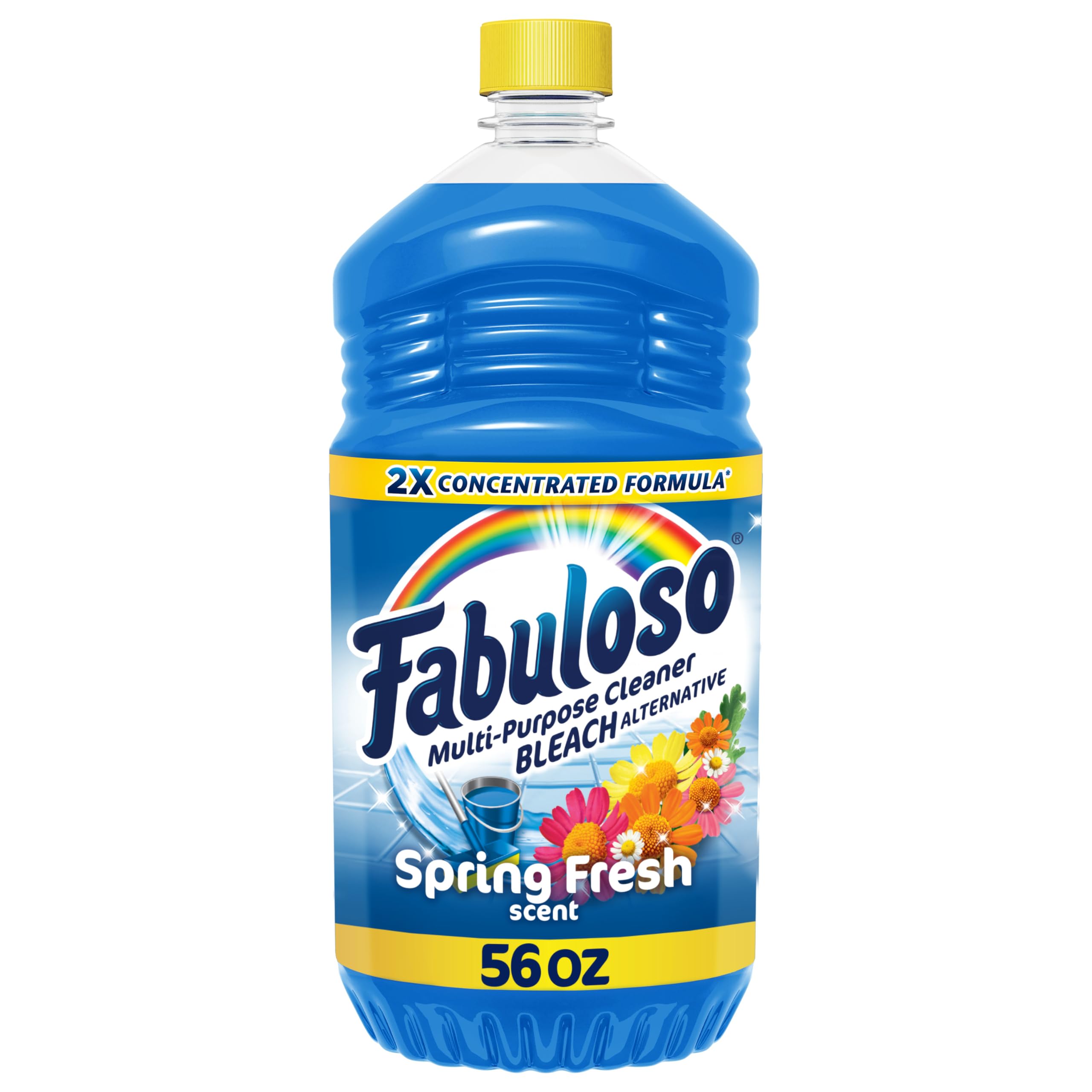
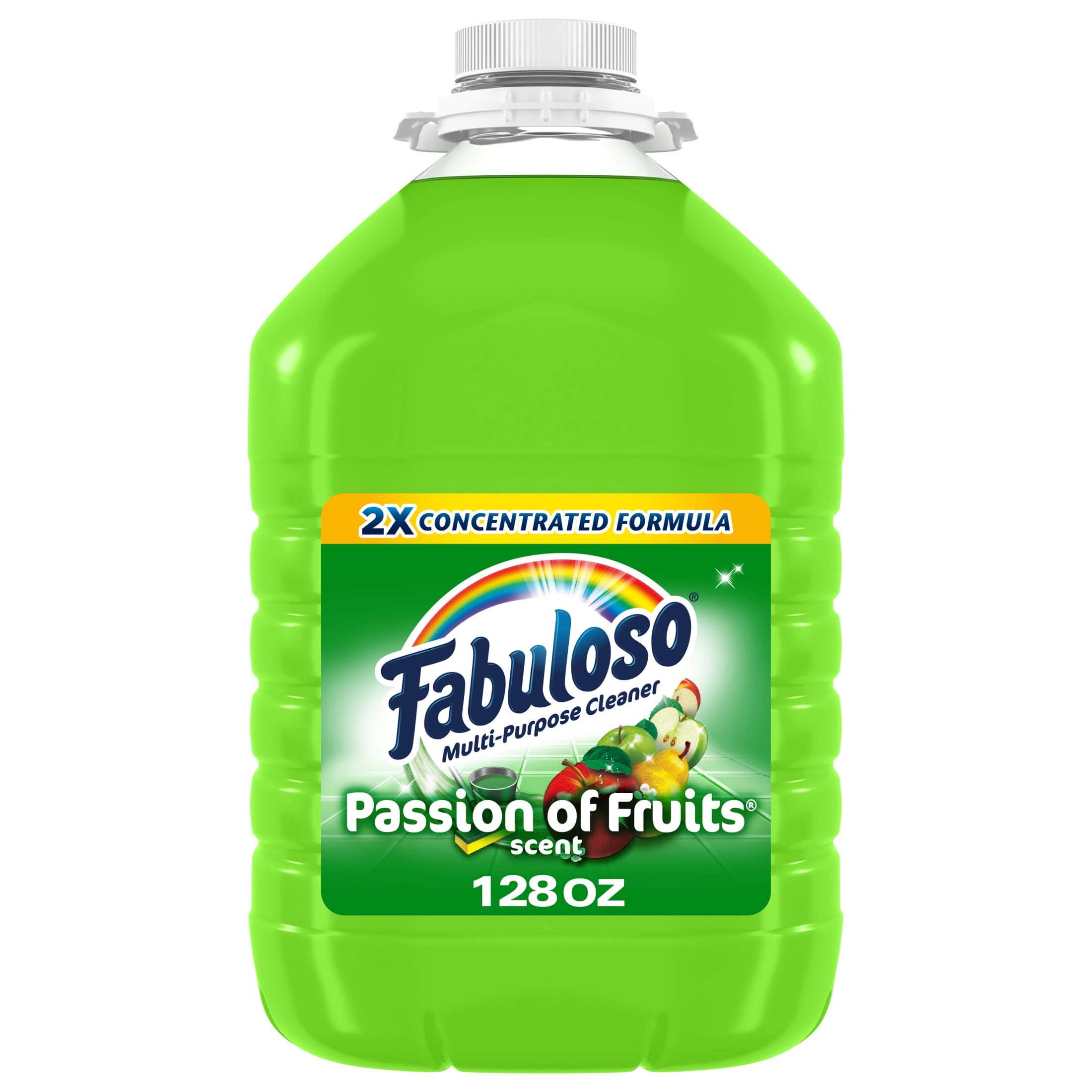
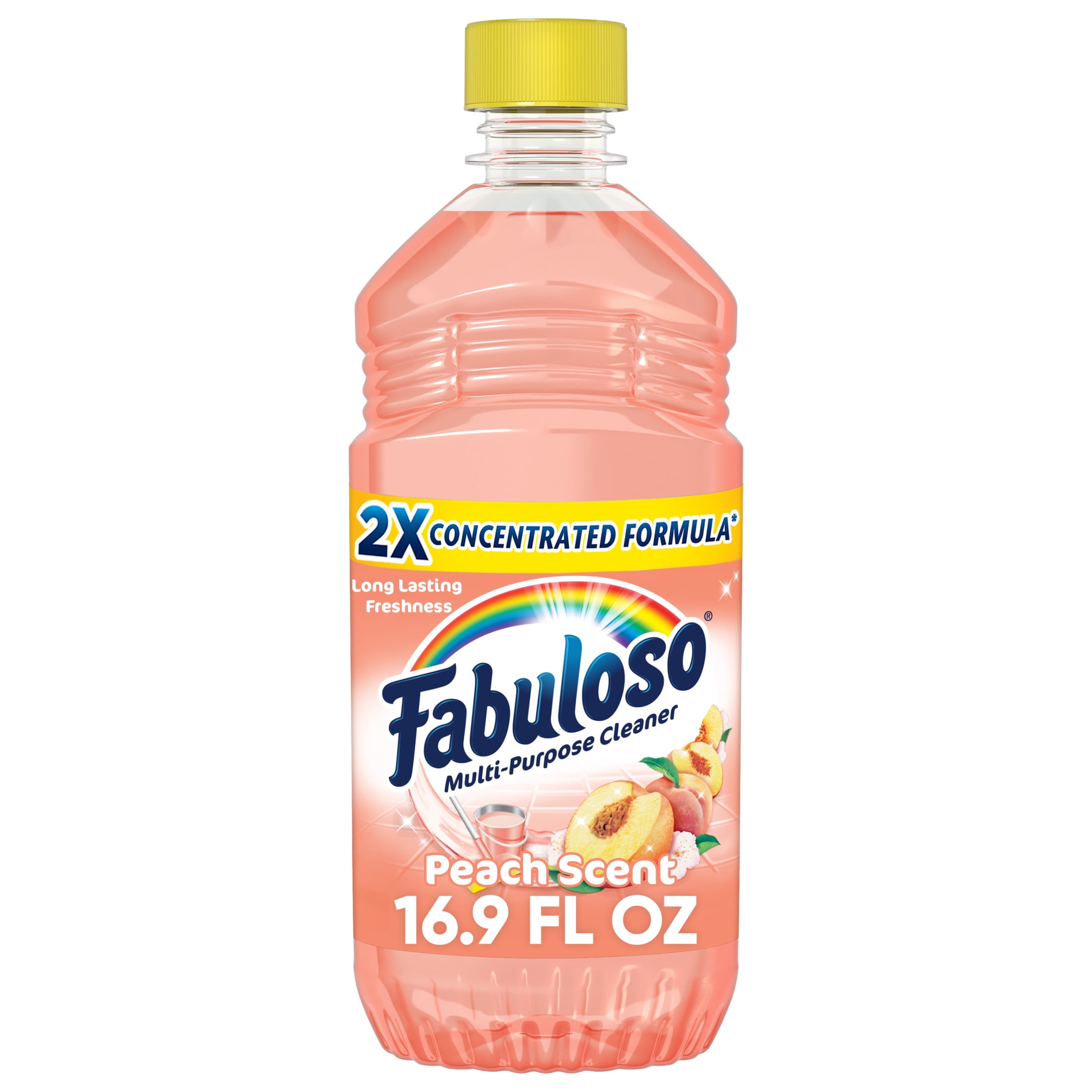
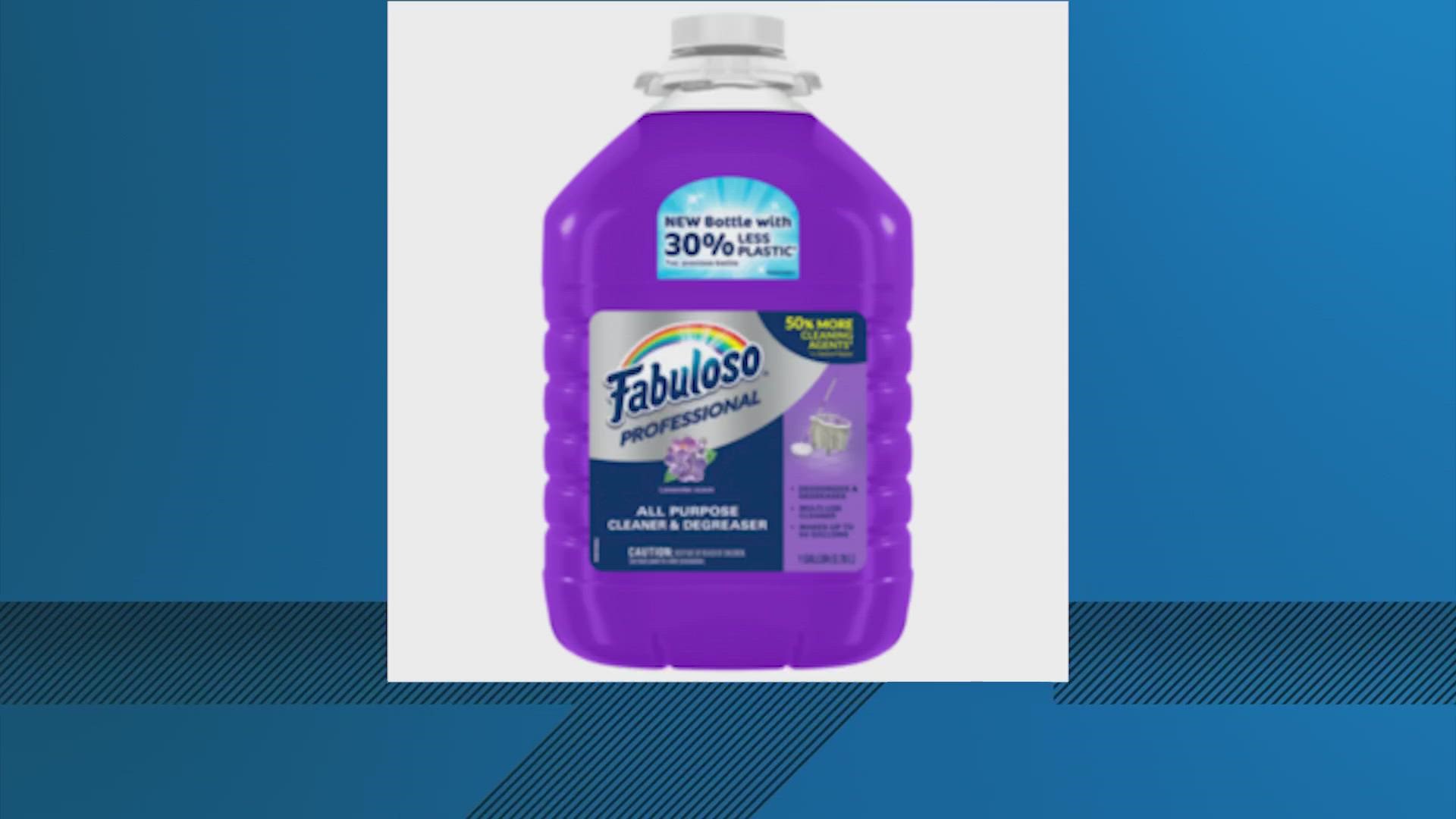
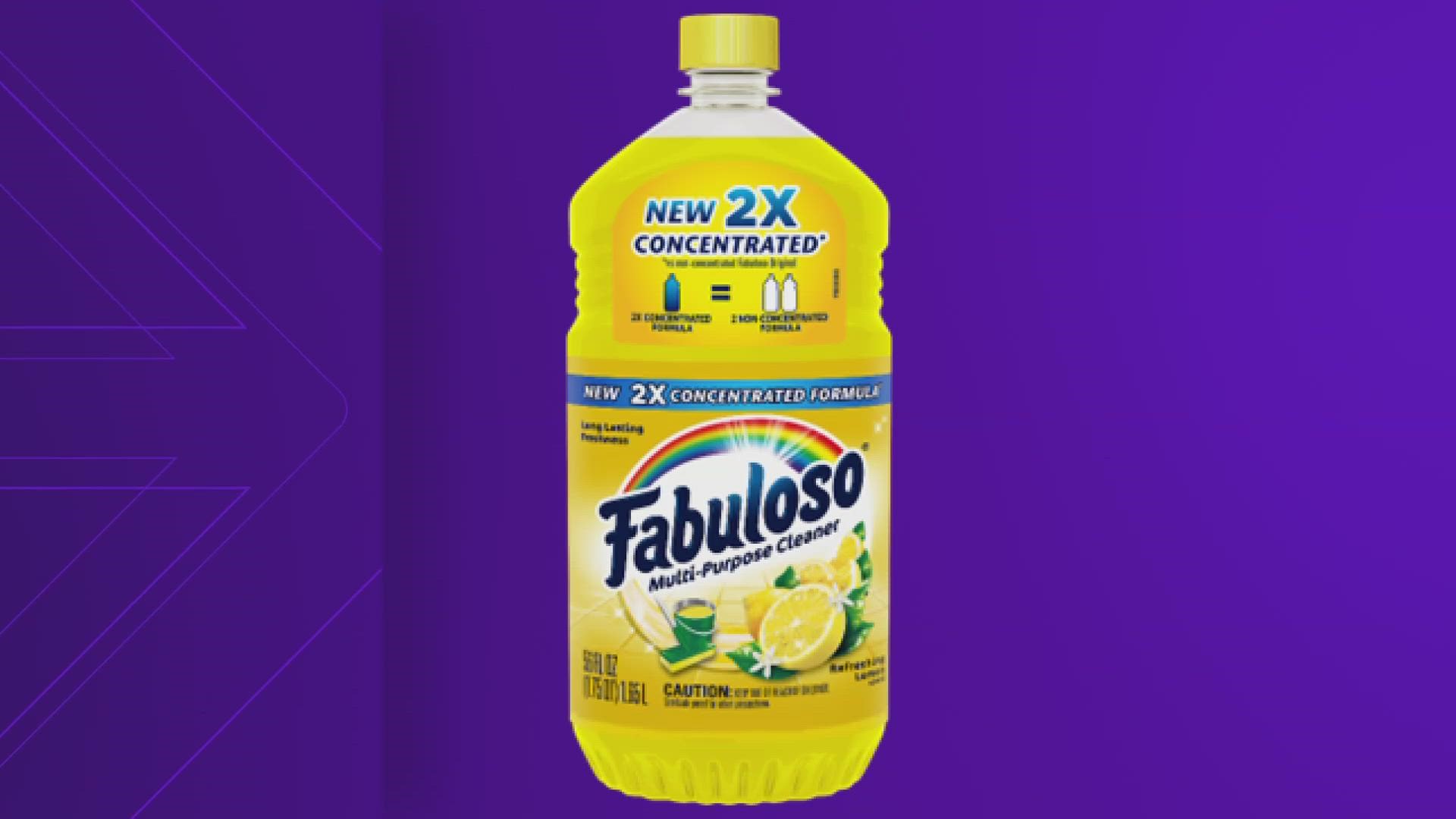
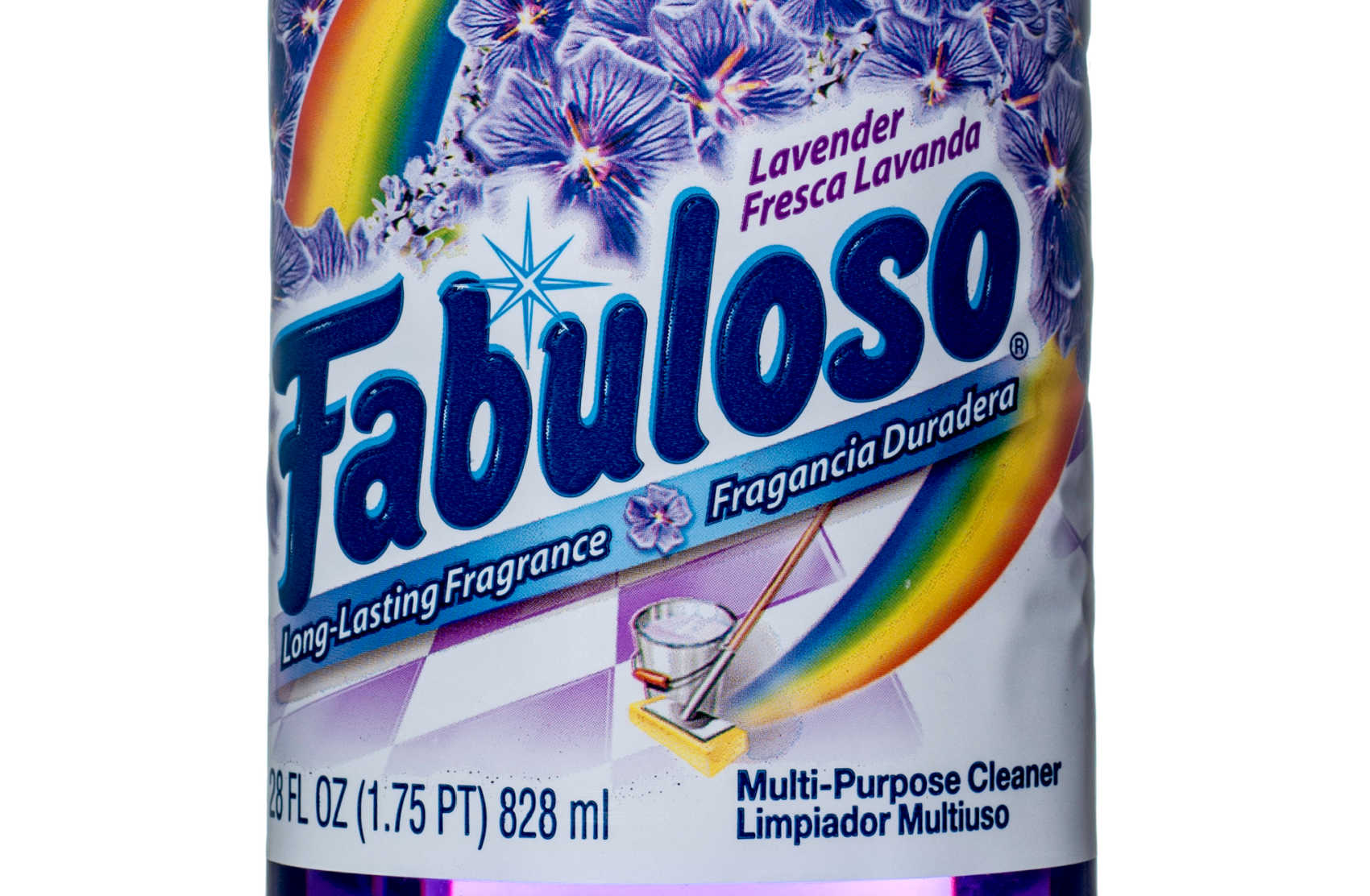
The Fabuloso recall, primarily centered on a massive safety action initiated in February 2023, involved approximately 4.9 million bottles of multi-purpose cleaner. The recall was triggered because a preservative was not added at intended levels during manufacturing, leading to a risk of Pseudomonas bacterial growth. Consumers possessing affected bottles should stop using them immediately and follow specific disposal and reimbursement protocols to mitigate health risks.
Understanding the Scope of the Fabuloso Product Recall
The recall of Fabuloso multi-purpose cleaners remains one of the most significant consumer product safety events in the household cleaning industry. Orchestrated by Colgate-Palmolive, the parent company, in coordination with the United States Consumer Product Safety Commission (CPSC) and Health Canada, the recall sought to address a critical manufacturing lapse. In 2026, while the peak of the recall activity has passed, it serves as a primary case study in supply chain quality control and microbial safety in water-based consumer goods.
The manufacturing error occurred between December 2022 and January 2023. During this period, a specific preservative system—essential for preventing the growth of environmental bacteria—was omitted or under-dosed in several production batches. Without this chemical barrier, the cleaning solution became a viable medium for bacteria, specifically species within the Pseudomonas genus.
It is important to note that the recall did not include all Fabuloso products. Specifically, Fabuloso Antibacterial variants and certain other scents were manufactured under different protocols and were not part of the safety notice. However, for the millions of bottles that were affected, the risk was significant enough to warrant a total removal from store shelves and a comprehensive consumer refund program.
Why the Recall Occurred: The Science of Bacterial Contamination
To understand why a cleaning product—something intended to sanitize surfaces—could become a vector for bacteria, one must look at the formulation of water-based cleaners. Products like Fabuloso are primarily composed of water, surfactants, fragrances, and dyes. Water is a fundamental requirement for microbial life. To ensure these products remain shelf-stable for years, manufacturers add preservatives.
In the case of the Fabuloso recall, the failure to include the correct level of preservative allowed Pseudomonas bacteria to proliferate. Pseudomonas are common environmental organisms found widely in soil and water. While they generally do not pose a threat to healthy individuals, they are categorized as "opportunistic pathogens."
The Risk of Pseudomonas Bacteria
Pseudomonas species, such as Pseudomonas aeruginosa, are known for their resilience and ability to survive in diverse environments. When a consumer uses a contaminated cleaning product, the bacteria can be aerosolized during spraying or transferred to hands and surfaces.
For individuals with healthy immune systems, exposure might result in no symptoms at all. However, the risk increases dramatically for:
- Individuals with weakened immune systems (immunocompromised).
- People using external medical devices (such as catheters or ventilators).
- Individuals with underlying lung conditions, such as cystic fibrosis or chronic obstructive pulmonary disease (COPD).
- People with open wounds or severe burns.
In these vulnerable populations, the bacteria can enter the body through inhalation, the eyes, or breaks in the skin, potentially leading to serious infections that require intensive medical treatment. By 2026, the medical community continues to emphasize that household products must be strictly monitored to prevent such opportunistic outbreaks.
Identifying Recalled Fabuloso Bottles
For consumers checking older stock or specialized inventory, identifying whether a bottle is part of the recall is a straightforward process involving the UPC (Universal Product Code) and the manufacturing lot code. The lot code is typically found etched into the plastic or printed near the neck or back label of the bottle.
Affected Scents and Sizes
The recall spanned several popular scents across multiple bottle sizes. The following table provides a breakdown of the specific products that were flagged by the CPSC.
| Product Name | Bottle Size(s) Affected | Primary UPC(s) |
|---|---|---|
| Fabuloso Original Multi-Purpose Cleaner, Lavender Scent | 16.9 oz, 22 oz, 33.8 oz, 56 oz, 128 oz, 169 oz, 210 oz | 035000652020, 035000652037 |
| Fabuloso Multi-Purpose Cleaner, Refreshing Lemon Scent | 33.8 oz, 56 oz, 128 oz, 169 oz, 210 oz | 035000652150, 035000652129 |
| Fabuloso Multi-Purpose Cleaner, Passion of Fruits Scent | 33.8 oz, 56 oz, 128 oz, 169 oz | 035000652419, 035000971299 |
| Fabuloso Multi-Purpose Cleaner, Spring Fresh Scent | 56 oz | 035000530328 |
| Fabuloso Multi-Purpose Cleaner, Ocean Scent | 56 oz | 035000970391 |
Checking the Lot Code
The lot code is the definitive way to confirm a recall match. Affected bottles have a 7-digit lot code where the first four digits range from 2348 through 3008.
- Format: The code usually starts with a letter (like "US") followed by numbers.
- Example: If your bottle has a code like "US2350123," it falls within the recalled range (2350 is between 2348 and 3008).
- Exclusion: If the first four digits of your lot code are not within that specific range, or if the bottle clearly states "Antibacterial," the product is safe to use according to the 2023 safety guidelines.
Step-by-Step Guide to the Refund and Disposal Process
If you discover a bottle that matches the recall criteria, you must follow a specific set of actions to ensure your safety and secure your consumer rights. Even though the initial 2023 window has passed, Colgate-Palmolive maintained a support infrastructure for a significant period to handle late-discovery claims.
1. Immediate Cessation of Use
Stop using the product immediately. Do not attempt to "boil" the cleaner or add bleach to "kill" the bacteria. Mixing cleaning chemicals can result in toxic fumes (such as chloramine gas), and heat may not effectively neutralize the bacterial load in a chemical solution.
2. Capture Evidence for Reimbursement
Before disposing of the bottle, you need to document it to qualify for a refund.
- Photograph the UPC: Take a clear photo of the barcode on the back of the bottle.
- Photograph the Lot Code: Take a clear photo of the 7-digit code near the neck or base.
- Verification: Ensure both numbers are legible in the photos.
3. Proper Disposal Methods
Do not pour the recalled cleaner down the drain. While standard wastewater treatment can handle many household chemicals, the sheer volume of 5 million bottles poses an unnecessary burden on local ecosystems and water treatment facilities.
- Secure the Cap: Ensure the cap is tightened to prevent leakage.
- Trash Disposal: Place the bottle in its entirety into your regular household trash.
- Recycling Note: Do not empty the bottle to recycle the plastic; the contents are considered contaminated. The entire unit should be discarded.
4. Filing the Claim
As of 2026, consumers should visit the official Fabuloso Recall website or the Colgate-Palmolive Consumer Affairs portal.
- Fill out the form: Provide your contact information and the product details.
- Upload Photos: Attach the photos of the UPC and Lot Code.
- Choose Refund Type: Most consumers were offered a full refund of the purchase price via a check or a digital payment, while some opted for replacement coupons.
Manufacturing and Quality Control Lessons
The Fabuloso recall serves as a landmark event for industrial quality assurance. In the manufacturing of liquid household goods, the "preservative challenge test" is a standard protocol. This involves intentionally introducing bacteria into a sample to see if the preservative system can successfully neutralize it.
The 2023 failure was not a failure of the formula itself, but a failure in the dosing mechanism on the production line. Modern facilities in 2026 now employ more rigorous automated sensors that halt production immediately if the flow of any minor ingredient—like a preservative—drops below a specific threshold.
This event also highlighted the importance of traceability. Because Colgate-Palmolive had precise records of which lot codes were produced on which days and where they were shipped, they were able to narrow the recall down to 4.9 million bottles rather than recalling every bottle of Fabuloso on the market. This targeted approach prevents excessive waste and allows for more effective consumer communication.
Environmental and Health Regulations
The oversight of such recalls falls under several regulatory bodies. In the United States, the Consumer Product Safety Commission (CPSC) governs the safety of household products that are not food, drugs, or cosmetics. The Fabuloso recall was categorized under the Consumer Product Safety Act, which empowers the commission to order recalls when a product creates a "substantial product hazard."
In Canada, Health Canada oversaw the recall of approximately 56,000 units. The coordinated effort between these two nations ensured that the North American supply chain was purged of the contaminated product efficiently.
For further information on historical and current safety notices, consumers are encouraged to monitor the CPSC Recall database.
Safe Alternatives and Modern Cleaning Standards
In 2026, the household cleaning market has shifted toward even more robust safety profiles. For those who remain cautious following the Fabuloso event, several alternatives and categories of cleaners offer high efficacy:
- EPA-Registered Disinfectants: Unlike "multi-purpose cleaners," products labeled as "disinfectants" are regulated by the EPA and must prove they can kill specific pathogens on surfaces.
- Antibacterial Fabuloso: As mentioned, the Antibacterial line (often containing lactic acid as an active ingredient) was never part of the recall and remains a popular choice for those wanting the Fabuloso scent with verified antimicrobial properties.
- Concentrated Refills: Many brands now offer concentrated pods or tablets that the consumer mixes with water at home. This reduces the risk of factory-side water contamination during the shipping and storage phases.
Frequently Asked Questions
Can I still get a refund for a bottle found in 2026?
While the primary refund window was most active in 2023 and 2024, Colgate-Palmolive typically maintains a process for addressing legitimate safety concerns for older products. You should contact their consumer affairs department directly with your lot code and photos to inquire about current eligibility.
What should I do if I already used the recalled cleaner?
If you used the cleaner and no one in your household is showing signs of infection (such as fever, persistent cough, or redness around cuts), there is likely no cause for alarm. The bacteria are opportunistic and generally do not affect healthy people. However, you should thoroughly wash any surfaces previously cleaned with the recalled product using a known safe disinfectant.
Did the recall affect Fabuloso wipes or aerosols?
No. The February 2023 recall was specifically limited to certain scents and sizes of the liquid multi-purpose cleaner. Wipes, aerosols, and the professional-grade "Fabuloso Complete" line were generally not included in the manufacturing error.
Is Pseudomonas contagious from person to person?
While Pseudomonas can be spread through contact with contaminated surfaces or medical equipment, it is not typically considered "contagious" in the same way as a cold or flu. The primary risk comes from the environment (the contaminated cleaner) rather than person-to-person transmission.
Why wasn't I notified of the recall directly?
Manufacturers usually do not have a direct way to contact customers who purchase household cleaners at retail stores (like Walmart or Target) unless the customer is part of a loyalty program or used a digital receipt. This is why public safety notices and news coverage are the primary methods of communication for such recalls.
Final Recommendations for Household Safety
To ensure your home remains safe from microbial hazards in cleaning products, adopt the following practices:
- Check Your Pantry: Periodically audit older cleaning supplies for lot codes that match historical recalls.
- Store Properly: Keep cleaning products in a cool, dry place. Extreme heat can sometimes degrade preservative systems over many years.
- Follow Dilution Rules: If a product is concentrated, only dilute what you intend to use immediately. Storing "home-diluted" cleaner in a spray bottle for months can lead to bacterial growth because the preservative concentration has been lowered.
- Stay Informed: Register high-value appliances but also keep an eye on safety aggregators like the CPSC for common household items.
The 2023 Fabuloso recall was a significant reminder that even the most common household items require strict manufacturing oversight. By verifying your products and following official disposal guidelines, you protect both your family's health and the integrity of your home environment.