The 2000s teen comedy era represents a distinct golden age of cinema, characterized by high-concept premises, biting satire, earnest coming-of-age emotional beats, and enduring pop-culture quotes. Driven by the shift from the raunchy, male-centric comedies of the late 1990s toward more inclusive, stylized, and quote-heavy narratives, films from this decade defined the cinematic landscape for a generation of adolescents and continue to command massive streaming and nostalgic viewership.
The Evolution of the Genre: From Late-90s Raunch to 2000s Stylized Satire
To understand 2000s teen comedy, one must look at how the genre transitioned from the boundary-pushing, suburban-angst films of the late 1990s into a sleek, highly quotable commercial powerhouse. While movies like American Pie (1999) set the commercial blueprint for uninhibited adolescent humor, the turn of the millennium required a pivot. Filmmakers began injecting high school settings with heightened reality, sharp social commentary, and hyper-stylized aesthetics.
The decade split roughly into two distinct stylistic phases. The early 2000s focused heavily on high-concept adaptations—often updating classic literature (such as Shakespeare’s The Taming of the Shrew in 10 Things I Hate About You or Twelfth Night in She's the Man)—and hyper-specific archetypal comedies like Mean Girls (2004). As the decade progressed, the subgenre embraced mockumentary elements, indie-infused soundtracks, and increasingly self-aware characters who commented on their own tropes.
This evolution shifted the power dynamics within the narrative. Protagonists were no longer passive victims of high school hierarchy; they were tactical players navigating social engineering, socioeconomic divides, and early digital-age communications.
Defining Tropes and Narrative Structures of 2000s Teen Comedies
The staying power of 2000s teen comedies lies in their reliance on recognizable narrative frameworks mixed with subversive execution. Writers and directors utilized dependable structural tools to ground fantastical high school environments in relatable emotional truths.
The Social Stratification and the Cafeteria Map
No trope is more synonymous with the era than the visual layout of the high school cafeteria. Films like Mean Girls codified this into an exact science, utilizing voiceover narration and visual panning shots to explain jocks, plastics, art freaks, and mathletes. This rigid structure provided an instant, easily digestible conflict: the protagonist must either infiltrate a higher social tier or learn to transcend the system entirely.
The Transformation Sequence and the "Glasses Come Off" Myth
A staple of the early-to-mid 2000s makeover comedy was the physical transformation sequence, usually set to an energetic pop-rock track. Whether it was Laney Boggs in She's All That (1999/carried culturally into the 2000s syndication) or Mia Thermopolis in The Princess Diaries (2001), the removal of glasses, styling of unruly hair, and introduction of a tailored wardrobe served as an external manifestation of internal confidence.
The Epic Party and the House-Party Catalyst
Virtually every classic 2000s teen comedy features a central set-piece where social order completely unravels: the high school party. Whether parents are out of town in Superbad (2007) or an illegal underground rave is taking place in Project X’s spiritual ancestors, these sequences force characters out of their comfort zones, leading to public confessions, romantic reconciliations, and comedic chaos.
Key Subgenres and Landmark Films
The sheer volume of releases during this ten-year span generated distinct subcategories, each catering to different facets of adolescent anxiety and humor.
| Subgenre | Defining Characteristics | Key Representative Films | Primary Appeal |
|---|---|---|---|
| High School Social Satire | Sharp wit, biting dialogue, deconstruction of cliques | Mean Girls (2004), Easy A (2010) | Quotable scripts, subversion of high school tropes |
| The Epic Quest Comedy | High-stakes, single-night or compressed timeline adventures | Superbad (2007), EuroTrip (2004) | Absurdist humor, male bonding, chaotic pacing |
| Literary Adaptations | Modernizing classic texts for contemporary teenagers | 10 Things I Hate About You (1999/2000s staple), She's the Man (2006) | Romantic chemistry, witty banter, comforting familiarity |
| The Musical/Performance Core | Integration of high-energy song and dance numbers | Bring It On (2000), High School Musical (2006) | Upbeat energy, physical comedy, synchronized set-pieces |
The Female-Led Renaissance
The 2000s marked a golden era for female-centric teen comedies that prioritized female agency, wit, and complex friendship dynamics. Bring It On (2000) dismantled cheerleading stereotypes while tackling cultural appropriation and labor rights through a comedic lens. Meanwhile, Mean Girls (2004), written by Tina Fey, became a cultural touchstone by mapping the psychological warfare of adolescent female socialization with anthropological precision.
The R-Rated Revival of the Late 2000s
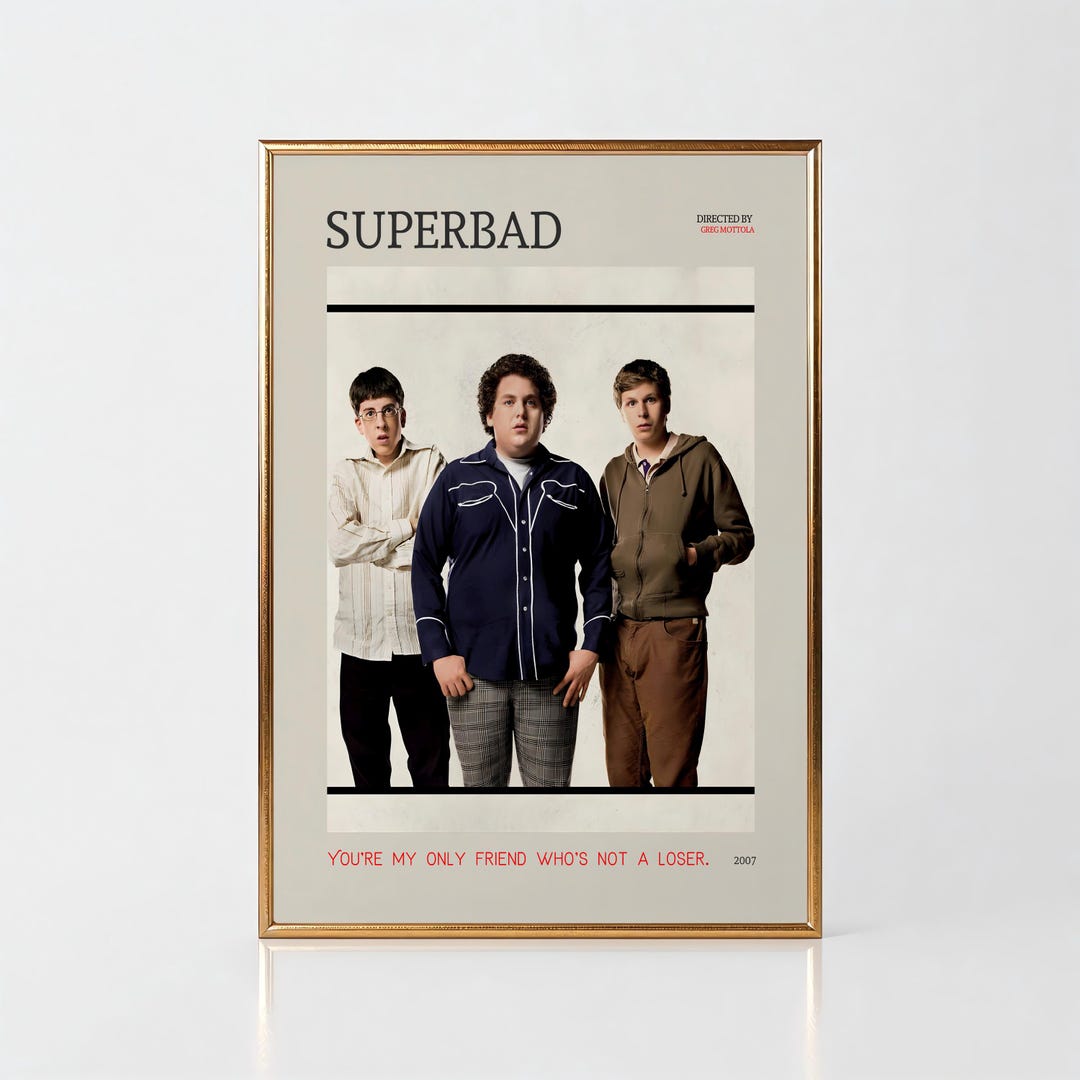
As the decade drew to a close, the genre shifted away from PG-13 commercial formulas toward raunchy, character-driven R-rated comedies. Superbad (2007), written by Seth Rogen and Evan Goldberg, revolutionized the buddy-comedy dynamic by focusing on the raw, awkward, and deeply emotional platonic love between two teenage boys on the verge of high school graduation. It replaced malicious cynicism with heartfelt vulnerability, setting a new template for modern comedy.
Cultural Impact, Aesthetic, and Nostalgia Economy
The legacy of the 2000s teen comedy extends far beyond box office receipts; it has calcified into a permanent aesthetic and linguistic subculture.
Fashion, Technology, and Early-Millennia Material Culture
Visually, these films serve as time capsules for early-2000s fashion—low-rise jeans, vibrant velour tracksuits, chunky highlights, and flip-phones. The transition from landlines and pagers to early mobile phones and chat rooms features prominently in the plot mechanics of these movies. For modern audiences, this specific technological era provides a cozy, tactile form of nostalgia that predates the omnipresence of smartphones and social media algorithms.
Quotability and Internet Meme Culture
Lines from Mean Girls (“On Wednesdays we wear pink,” “That is so fetch”) and Superbad (“McLovin”) have achieved immortality, transitioning seamlessly into GIF culture, TikTok audio clips, and everyday vernacular. This high-frequency quotability ensures that these films remain perpetually relevant, introducing new generations of viewers to decades-old cinematic properties via social media algorithms.
Common Criticisms and Limitations of the Era
While celebrated for their humor and cultural footprint, 2000s teen comedies are not without flaws when viewed through a modern lens. Recognizing these limitations is essential for a complete critical analysis of the era.
- Representation and Diversity: Many major studio releases during this period featured predominantly white casts, often relegating actors of color to one-dimensional stereotype roles or excluding them entirely from the suburban fantasy worlds depicted on screen.
- Dated Social Tropes: Common punchlines relied heavily on casual homophobia, slut-shaming, and body-shaming, reflecting the broader cultural norms of mainstream media in the early and mid-2000s.
- The "Nerd" Stereotype: The convention of casting conventionally attractive actors (such as Rachel Leigh Cook or Lindsay Lohan) and attempting to convince audiences they were social outcasts simply by adding oversized sweaters and glasses became a running cinematic cliché.
Frequently Asked Questions
What makes 2000s teen comedies different from 1980s or 1990s teen films?
While 1980s teen films (such as those by John Hughes) focused heavily on socioeconomic angst and earnest emotional rebellion, and 1990s films leaned into suburban irony, 2000s teen comedies prioritized hyper-stylized world-building, rapid-fire pop-culture references, and self-aware satire. They blended broad physical comedy with sharp dialogue that directly parodied the conventions of the genre itself.
Why are 2000s teen comedies experiencing a major nostalgia wave?
The resurgence is driven by cultural comfort viewing, generational aging, and the contrast between the analog-digital hybrid world of the 2000s and today's hyper-connected smartphone era. These films offer a perceived innocence and tactile aesthetic that viewers find comforting in contemporary media consumption.
Are 2000s teen comedies appropriate for modern teenagers?
Suitability varies significantly by rating. Films like Mean Girls, Bring It On, and 10 Things I Hate About You are rated PG-13 and generally feature mild sexual humor and language. Conversely, films like Superbad and EuroTrip carry R ratings due to pervasive crude sexual content, drug use, and profanity, making them more suitable for mature audiences.
Who are the definitive writer-directors of 2000s teen comedies?
Key creative forces include director-writer pairs and auteurs like Tina Fey (Mean Girls), Judd Apatow (producer of Superbad), Peyton Reed (Bring It On), and Greg Mottola (Superbad), all of whom shaped the comedic timing and narrative structures that defined the decade.
Conclusion and Recommendations for Viewing
The 2000s teen comedy genre remains a vibrant, deeply quotable, and structurally fascinating cornerstone of modern cinema. Whether exploring the feminist wit of Mean Girls, the pitch-perfect choreography of Bring It On, or the heartfelt awkwardness of Superbad, these films offer a masterclass in balancing broad commercial appeal with sharp character dynamics. To fully appreciate the evolution of the genre, viewers should watch a cross-section of early-decade literary adaptations alongside late-decade buddy comedies, noting how tone, technology, and social attitudes shifted between 2000 and 2009.