The year 2009 was a pivotal transitional phase for hip hop, bridging the gap between the ringtone-rap and blog-era aesthetics of the mid-2000s and the electronic-infused, emotionally vulnerable soundscapes of the 2010s. This era marked a commercial peak for digital single sales alongside a fundamental shift in how rap music was produced, marketed, and consumed.
Introduction: The Cultural and Technological Crossroads of 2009
In 2009, hip hop stood at a crossroads. The physical CD market was in a steep decline, while digital storefronts like iTunes and burgeoning music blogs were reshaping how audiences discovered new artists. Mainstream radio was still dominated by glossy, hook-heavy club anthems, yet an underground and collegiate counterculture was quietly brewing online. This digital migration democratized distribution, allowing regional sounds to bypass traditional gatekeepers.
At the same time, veteran icons were forced to adapt to a changing commercial landscape, while a new generation of artists began experimenting with Auto-Tune, 808-heavy drum programming, and introspective lyricism. Examining 2009 hip hop requires looking beyond simple chart statistics to understand a foundational year that birthed modern subgenres, launched enduring careers, and permanently altered the relationship between artists and their fanbases.
The Commercial Giants and Chart-Topping Dominance
Despite the industry-wide transition toward digital singles, 2009 was defined by blockbuster album releases from established superstars. These projects maintained the traditional blockbuster album cycle while incorporating the high-gloss production values characteristic of late-2000s pop culture.
Mainstream Titans and Their Impact
Eminem made a dramatic return with Relapse, a project that showcased his trademark multi-syllabic rhyme schemes and dark, horrorcore-inspired storytelling over Dr. Dre-produced beats. While polarizing among critics for its heavy accent work and disturbing subject matter, it debuted at number one on the Billboard 200 and proved the enduring commercial viability of traditional lyricism on a massive scale.
Jay-Z capitalized on New York City civic pride with The Blueprint 3, anchored by the ubiquitous anthem "Empire State of Mind" featuring Alicia Keys. The album signaled a stylistic shift for Jay-Z, who embraced stadium-sized synths and alternative rock samples, working extensively with producer No I.D. alongside Timbaland and Kanye West.
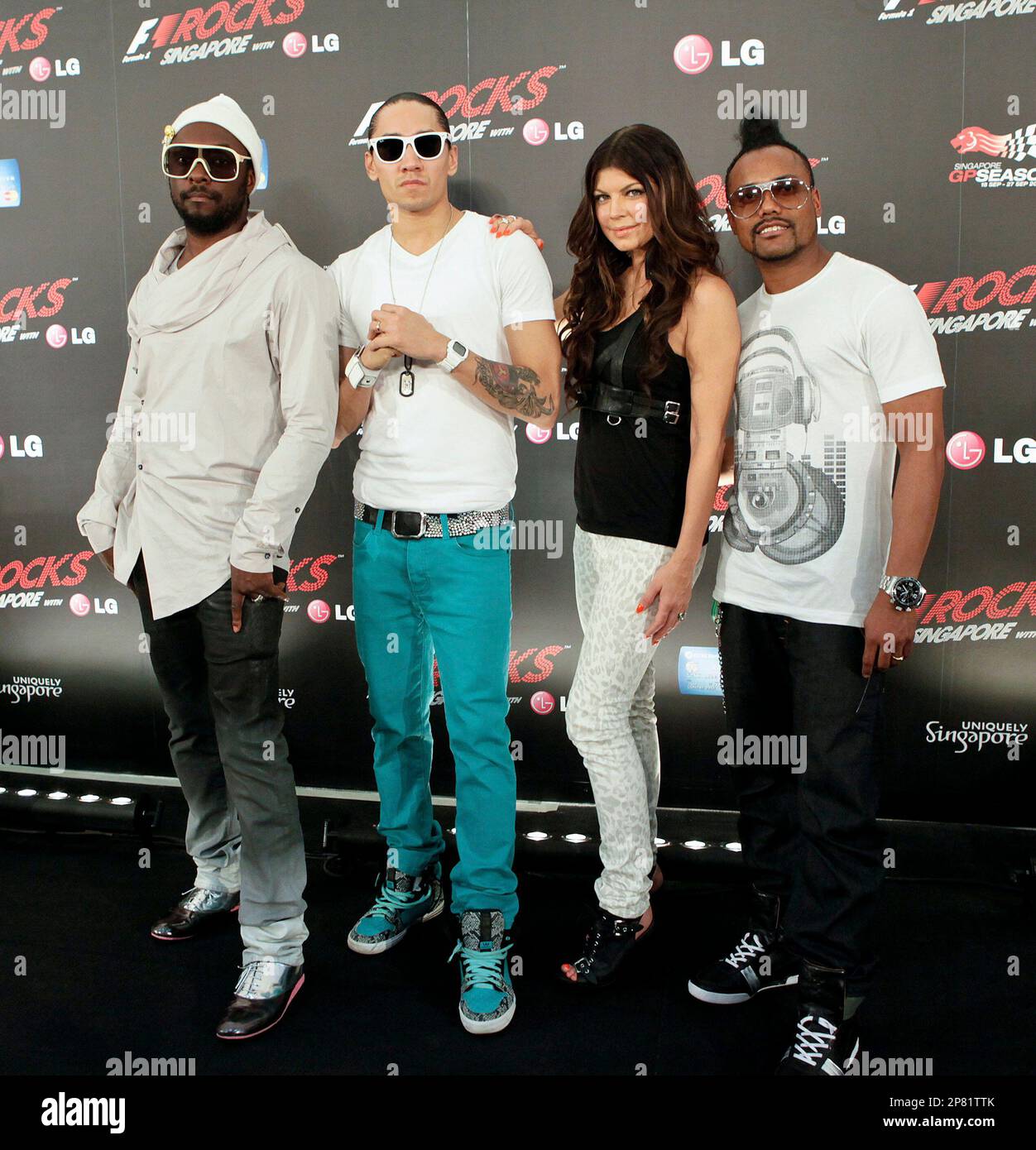
Meanwhile, Flo Rida, Pitbull, and the Black Eyed Peas dominated commercial radio with high-energy dance-rap crossovers. The Black Eyed Peas' "Boom Boom Pow" and "I Gotta Feeling" spent months atop the Billboard Hot 100, blurring the lines between hip hop, dance-pop, and club music. This commercial apex of party rap prompted a counter-reaction from listeners and artists who craved greater substance and artistic experimentation.
The Seismic Shift of Kanye West's 808s & Heartbreak Legacy
Though released in late November 2008, the reverberations of Kanye West's 808s & Heartbreak defined the sonic landscape of 2009 hip hop. By trading traditional rapping for heavily processed, Auto-Tuned singing and minimalist Roland TR-808 drum machine patterns, West broke unwritten rules regarding masculinity and vulnerability in mainstream rap.
Redefining the Emotional Palette of Rap
Before 808s & Heartbreak, mainstream rap largely avoided open confessions of heartbreak, grief, and psychological distress unless balanced by traditional bravado. West’s album—born from the sudden passing of his mother, Donda West, and the dissolution of a long-term engagement—opened the floodgates for emotional introspection.
In 2009, artists took direct cues from this minimalist, atmospheric template. Drake, who released his breakout mixtape So Far Gone in February 2009, utilized a similar blueprint of sung-rap vocals, moody ambient samples, and deeply personal diary-entry lyrics. Drake’s single "Best I Ever Had" and the mixtape cuts produced by Noah "40" Shebib established a blueprint that would dominate commercial hip hop for the next decade.
The Rise of the Blog Era and Independent Distribution
The year 2009 is widely recognized as the golden age of the "blog era." Platforms like NahRight, OnSmash, and Illroots became primary arbiters of taste, bypassing traditional radio programmers and magazine editors. Independent artists utilized these platforms to distribute free full-length projects directly to fans, completely upending the traditional record label promotional cycle.
Mixtapes as Commercial Art
Mixtapes in 2009 evolved from promotional DJ-hosted compilation CDs featuring freestyles over industry instrumental tracks into cohesive, original bodies of work. Kid Cudi’s Man on the Moon: The End of Day, released in September 2009, bridged the gap between the blogosphere and major label distribution. Cudi's cosmic, psychedelic exploration of loneliness, alienation, and mental health resonated deeply with an internet-savvy demographic that felt alienated by traditional gangsta rap narratives.
Concurrently, a young J. Cole released The Warm Up, cementing his status as a premier lyricist through the fast-growing internet hip hop community. Wale, Lupe Fiasco, and a burgeoning Odd Future collective in Los Angeles also began utilizing early social media and digital hubs to build hyper-engaged, niche audiences without relying on immediate commercial radio hits.
Regional Sounds: The South's Club Dominance and the West Coast Resurgence
Regional identities remained strong in 2009, with distinct geographical sounds driving different sectors of the industry. The American South continued its multi-year commercial stranglehold on club culture, while the West Coast laid the groundwork for a generational handoff.
| Region | Dominant Style | Key Artists / Proponents | Defining Release of 2009 |
|---|---|---|---|
| The South | Snap, heavy bass, synth-driven club anthems | Gucci Mane, Lil Wayne, Soulja Boy, Young Jeezy | Gucci Mane – The State vs. Radric Davis |
| West Coast | Hyphy residual, electro-hop, emerging underground | Snoop Dogg, Kid Cudi (regional tie-in), The Game | The Game – LAX (late 2008) / early independent waves |
| Midwest / East Coast | Introspective lyricism, stadium rap, blog rap | Eminem, Jay-Z, Drake, Kid Cudi | Kanye West / Drake / Eminem projects |
The Trap and Sub-Genre Foundations
Gucci Mane experienced an unprecedented run of productivity in 2009, releasing a relentless stream of mixtapes and the acclaimed studio album The State vs. Radric Davis. His work, alongside Lil Wayne’s continued dominance as a featured artist and mixtape machine, cemented the structural foundation of modern trap music. Wayne’s meticulous work ethic and hyper-metaphorical punchline style heavily influenced an entire generation of internet-raised rappers.
On the West Coast, veteran artists maintained visibility while independent distribution networks allowed regional movements to flourish outside the traditional Los Angeles-centric studio system. This period set the stage for the hyper-localized movements that would capture national attention in the early 2010s.
Production Evolution: The Transition to Electronic Textures
Hip hop production in 2009 underwent a significant technical evolution. The heavy brass, soulful vocal chops, and gritty sample-based boom-bap of the early 2000s gave way to synthesized textures, heavy side-chain compression, and digital sound design.
Producers like Lex Luger, the J.U.S.T.I.C.E. League, and No I.D. began experimenting with cinematic orchestral stabs, thunderous 808 sub-bass, and rapid-fire hi-hat rolls. This technical shift was driven by the widespread adoption of digital audio workstations (DAWs) like FL Studio and Pro Tools, which lowered the barrier to entry for beatmakers worldwide. Consequently, production became more accessible, leading to a proliferation of bedroom producers who could distribute their instrumentals directly to rappers via email and online forums.
Common Misconceptions About 2009 Hip Hop
When analyzing the historical record of 2009 hip hop, several inaccuracies frequently emerge regarding its commercial standing and stylistic unity.
- Misconception: Traditional lyricism died in 2009. While Auto-Tune and pop-rap crossovers dominated the Billboard charts, the underground and mixtape circuits experienced a massive renaissance in complex lyricism, multi-syllabic schemes, and socially conscious themes.
- Misconception: Streaming ruled the market. On-demand streaming services like Spotify were still in their infancy or unavailable in major markets during 2009. Physical CD sales were plummeting, but the primary digital revenue driver was individual track purchases through iTunes, not subscription-based streaming.
- Misconception: It was an isolated transitional year. Rather than a sudden break, 2009 served as the direct connective tissue between the ringtone rap era and the modern streaming/blog-indie era, codifying business models that independent artists still rely on today.
Frequently Asked Questions
What were the biggest hip hop albums released in 2009?
Major releases included Eminem’s Relapse, Jay-Z’s The Blueprint 3, Kid Cudi’s Man on the Moon: The End of Day, and Gucci Mane’s The State vs. Radric Davis. These projects defined the commercial charts, critical discourse, and underground tastemaking of the period.
How did the blog era change hip hop distribution in 2009?
Music blogs democratized the industry by allowing artists to bypass traditional radio gatekeepers and major record label marketing budgets. Rappers could release free, high-quality full-length mixtapes directly to fans via file-hosting services, building loyal global audiences independently.
Did Auto-Tune ruin hip hop in 2009?
While conservative critics argued that heavy pitch-correction diminished traditional rap skill, artists like Kanye West and T-Pain proved that Auto-Tune could be utilized as an expressive, emotional vocal synthesizer. This paved the way for melodic rap subgenres that remain dominant.
Who were the breakout hip hop artists of 2009?
Drake and Kid Cudi emerged as the most significant breakout stars of the year. Drake achieved mainstream ubiquity with his So Far Gone mixtape, while Kid Cudi introduced a psychedelic, vulnerable aesthetic that appealed to a cross-genre audience.
How did production styles shift in 2009?
Production moved away from traditional soulful sample-chopping toward electronic synthesizers, atmospheric ambient pads, and heavy 808 bass patterns. This technological pivot reflected the wider adoption of digital audio workstations among modern beatmakers.
Conclusion and Next Actions
Examining 2009 hip hop reveals an industry undergoing rapid technological, aesthetic, and commercial transformation. To deepen your understanding of this era, explore the foundational mixtapes of the blog era, listen to the transitional studio albums that bridged club rap and emotional vulnerability, and analyze how independent distribution models from that year laid the groundwork for today’s creator economy.