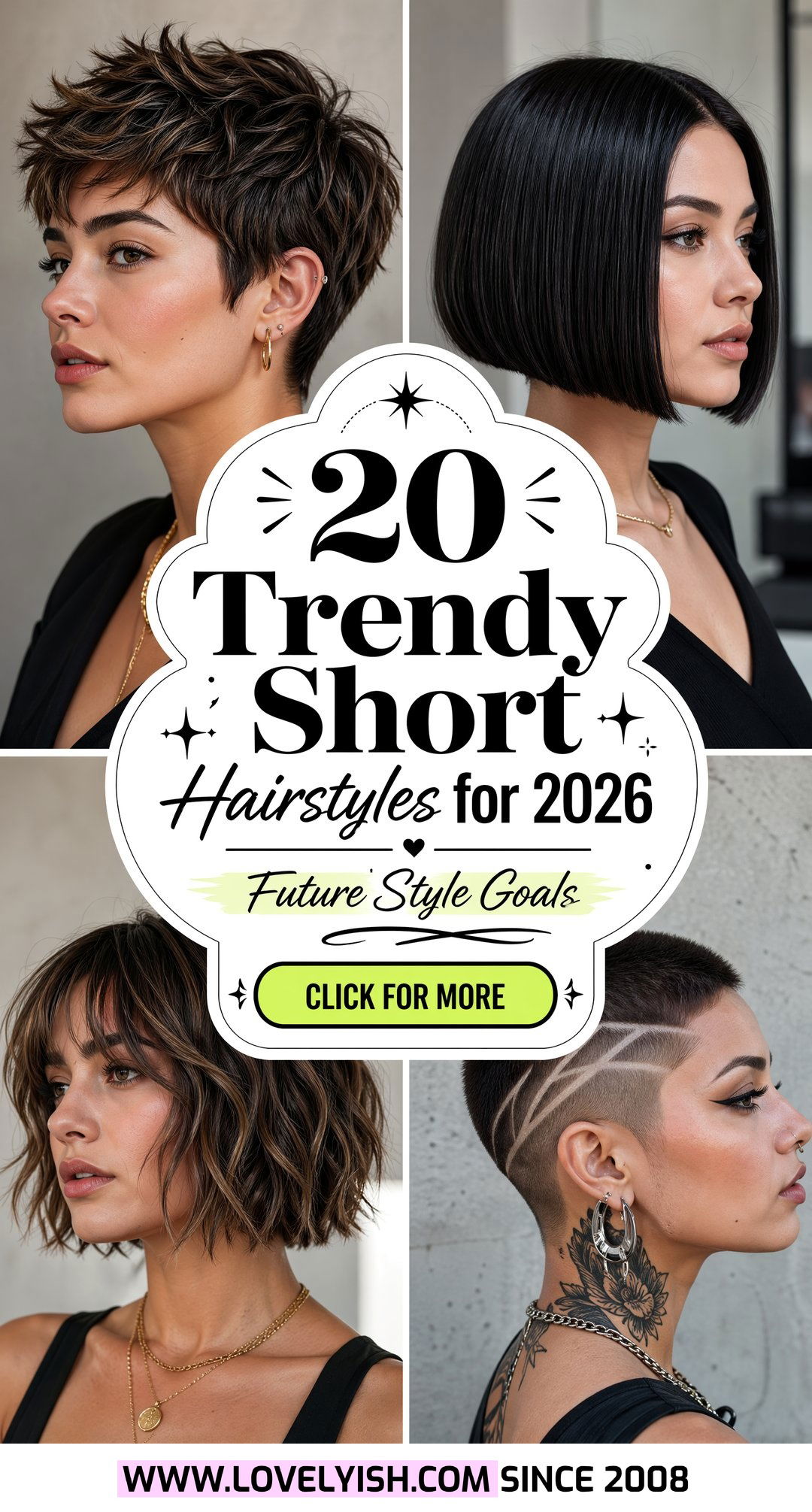
The landscape of 2026 hairstyles embraces a dynamic balance between high-maintenance artistic expression and effortless, texture-driven practicality. This year’s dominant looks lean heavily into personalized geometry, revived retro silhouettes with modern structural integrity, and scalp-first wellness routines that prioritize natural hair health over excessive chemical processing.
The Evolution of Hair Trends in 2026
The trajectory of modern hair styling has shifted away from monolithic global trends toward hyper-individualized aesthetics. Stylists and clients alike are rejecting the rigid, uniform blowouts of past decades in favor of cuts that work harmoniously with natural growth patterns, bone structure, and personal maintenance capacity.
This evolution is heavily influenced by a cultural pivot toward sustainability and low-impact beauty. Consumers are increasingly asking for cuts that age gracefully over a period of ten to twelve weeks rather than requiring strict monthly maintenance. Consequently, the focus has moved to precision cutting techniques—such as point-cutting, slide-cutting, and specialized dry-cutting—that allow hair to move fluidly and fall back into place with minimal styling intervention.
Furthermore, the integration of advanced trichology into everyday salon visits has transformed how professionals approach 2026 hairstyles. Hair health is no longer treated as an afterthought; it is the foundational prerequisite for any successful cut or color. Scalp health assessments, custom hydration regimens, and bond-building treatments are now routinely bundled into modern hair services, ensuring that even heavily bleached or textured looks maintain structural resilience.
Major Haircut Categories and Structural Breakdown
Navigating the spectrum of 2026 hairstyles requires understanding the primary structural categories dominating runways, salons, and street style. The year's offerings can be parsed into four distinct architectural approaches: modernized shags, sculptural bobs, hyper-textured crops, and cascading lengths with face-framing layers.
The Modern Shag and Wolf Cut Variations
The shag cut has evolved from its initial viral iterations into a refined, highly sophisticated staple. In 2026, the modern shag sheds the overly heavy, disconnected layers of the past and adopts a seamless graduation of weight.
- The Soft Shag: Characterized by delicate, feather-light face-framing pieces that melt into collarbone-length ends. It relies on razor-cutting or texturizing shears to remove bulk without compromising density.
- The Grown-Out Mullet (Mixie/Bixie): Bridging the gap between a traditional pixie and a short shag, this style keeps volume concentrated at the crown while letting wispy, tapered lengths graze the nape of the neck.
Sculptural Bobs and Chins
The bob remains a perennial favorite, but 2026 introduces geometric precision combined with tactile softness. Gone are the days of the ultra-stiff, blunt A-line.
- The Italian Bob: Slightly longer than the classic French bob, resting right at the chin or slightly below. It features blunt ends that are texturized internally to allow for a natural, voluminous wave without looking heavy.
- The Grunge Bob: A nod to 90s minimalism, this style is cut with blunt, slightly uneven ends and styled with a middle part, favoring piecey texture and matte finishes over glossy perfection.
Cascading Lengths and Curtained Layers
For those maintaining long hair, 2026 prioritizes health-focused length with an emphasis on face-framing dimensions that accentuate the eyes and cheekbones.
- The Butterfly Layer: Features two distinct layers—shorter layers that frame the face and longer layers that cascade down the back—giving the illusion of a shorter cut when pinned up, while retaining full length when worn down.
- The 70s Blowout Layer: Inspired by classic retro icons, this style uses voluminous, sweeping layers that are directed away from the face, requiring round-brush techniques or thermal rollers to achieve maximum bounce.
Comparative Analysis of 2026 Cut Profiles
To help determine which silhouette aligns with specific hair types, maintenance thresholds, and daily routines, the following matrix compares the primary 2026 haircut categories:
| Hairstyle Profile | Best Hair Texture | Maintenance Frequency | Primary Styling Requirement | Ideal Face Shape |
|---|---|---|---|---|
| The Italian Bob | Fine to Medium (Straight/Wavy) | Every 6–8 weeks | Lightweight mousse, air-dry or round brush | Oval, Heart, Square |
| The Soft Shag | Medium to Thick (Wavy/Curly) | Every 8–10 weeks | Sea salt spray, diffusing, or air-drying | Round, Oval, Diamond |
| The Butterfly Layer | Medium to Thick (Straight/Wavy) | Every 10–12 weeks | Blowout brush, thermal rollers, or large curling iron | Long, Oval, Square |
| The Bixie | Fine to Thick (Straight/Texture) | Every 4–6 weeks | Styling paste, texturizing clay, directional blow-drying | Oval, Heart, Diamond |
Color Trends and Chemical Treatments
Hair color in 2026 mirrors the cut philosophy: dimensional, low-commitment, and deeply focused on preserving the integrity of the hair cuticle. Monochromatic, flat color processing has largely taken a back seat to techniques that mimic natural, sun-kissed illumination or rich, reflective tones.
Low-Maintenance Dimensional Color
The economic and time constraints of modern lifestyles have cemented the popularity of lived-in color techniques.
- Lived-In Balayage & Foilayage: Hand-painted highlights that focus on soft root transitions, allowing for seamless grow-out periods that can stretch up to four to six months between salon visits.
- Expensive Brunette: Deep, multi-tonal brown shades that utilize subtle glosses and lowlights to create intense shine and depth, making fine hair appear thicker and more lustrous.
Bold Accents and High-Contrast Highlights
For those seeking statement-making looks, 2026 sees a refined return to high-contrast color placement without the harsh striping of early 2000s trends.
- The Money Piece Evolution: Face-framing highlights are kept softer, blending into the base color with a melted root effect, framing the visage with brightness while maintaining overall sophistication.
- Rich Copper and Strawberry Tones: Vibrant reds continue their reign, though they are formulated with richer, more autumnal undertones that require color-depositing conditioners to maintain vibrancy between appointments.
Scalp Care and Maintenance Routines
The success of any 2026 hairstyle fundamentally depends on the condition of the scalp. The beauty industry’s shift toward "skinification" of hair care means that treating the scalp like an extension of facial skincare is now standard practice.
Essential Scalp Maintenance Steps
- Exfoliation: Regular use of physical or chemical scalp scrubs to remove product buildup, dead skin cells, and excess sebum that can impede healthy hair follicle function.
- Hydration & Balancing: Utilizing targeted serums containing hyaluronic acid, niacinamide, or tea tree oil to soothe irritation, balance microbiome levels, and address specific concerns like dryness or oiliness.
- Gentle Cleansing: Incorporating sulfate-free shampoos that cleanse effectively without stripping the scalp's natural lipid barrier, preventing rebound oil production.
Styling Techniques and Product Innovations
Achieving the effortless look characteristic of 2026 hairstyles requires a shift in product selection. Heavy gels, crunch-inducing hairsprays, and silicones that build up on the hair shaft have been replaced by lightweight, multi-functional formulas.
- Hybrid Styling Emulsions: Leave-in treatments that combine heat protection, anti-frizz properties, and light hold into a single step, reducing the number of products layered onto the hair.
- Air-Dry Creams: Formulations designed to enhance natural wave patterns without requiring heat styling, utilizing polymers that lock in moisture and control flyaways as the hair dries naturally.
- Texturizing Powders and Clays: Micro-milled powders applied directly to the roots for instant volume and grip, ideal for short crops and layered bobs that require piecey separation.
Frequently Asked Questions
What are the most popular hair lengths for 2026?
The spectrum is polarized between two extremes: ultra-sharp, chin-length bobs and long, cascading layers with 70s-inspired volume. Mid-length cuts are also popular, specifically when styled with soft, unstructured movement rather than rigid straightness.
How often should I trim a modern shag or layered cut?
To maintain the integrity of the shape and prevent split ends from traveling up the hair shaft, layered cuts like shags and butterfly layers typically require maintenance trims every 8 to 10 weeks.
Are bangs still trending in 2026?
Yes, but blunt, heavy bangs have largely been replaced by wispy curtain bangs, bottleneck bangs, and textured micro-fringe that blend seamlessly into the rest of the haircut and require less daily styling effort.
How can I transition my hair color to a low-maintenance routine?
Consult with a colorist about transitioning from traditional foil highlights to a lived-in balayage or root-smudge technique. This softens the grow-out line, allowing you to space out salon visits significantly.
What products are best for air-drying natural textures?
Look for lightweight air-dry creams, curl-defining jellies, and anti-frizz serums that specify silicone-free formulas to prevent heavy buildup while enhancing your hair's natural movement.
Next Actions and Recommendations
To execute a successful style update in 2026, begin by assessing your natural hair texture, density, and daily maintenance commitment level. Schedule a consultation with a professional stylist who specializes in dry-cutting or texture-based cutting techniques. Bring visual reference photos that highlight the movement and silhouette you desire, rather than focusing solely on the length. Prioritize an investment in a foundational scalp care routine and heat protectants to ensure your chosen style remains vibrant, healthy, and easy to manage throughout the year.