The 2032 Summer Olympic and Paralympic Games will be held in Brisbane, Queensland, Australia. This historic selection marks the third time Australia will host the world's premier sporting event, following Melbourne in 1956 and Sydney in 2000, establishing a new milestone for the state of Queensland on the global stage.
The Historic Announcement and the Future-Proofed Selection Process
The path to securing the 2032 Olympic Games represented a major evolution in how the International Olympic Committee (IOC) selects host cities. Gone are the days of traditional, fiercely contested multi-year bidding wars that often left candidate cities with billions of dollars in sunk costs and mounting public debt. Instead, Brisbane was selected through a streamlined, collaborative process managed by the IOC's Future Host Commission.
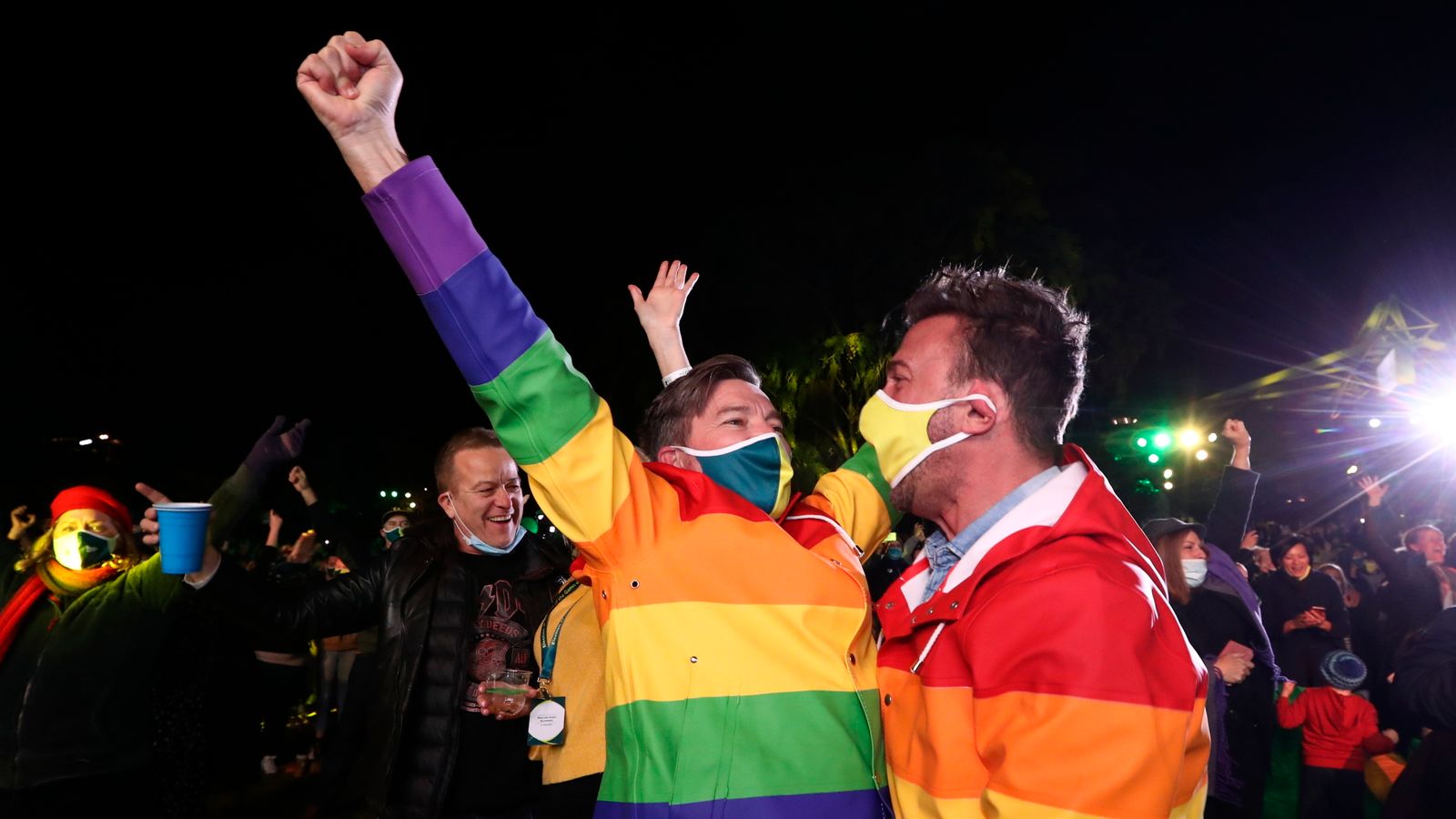
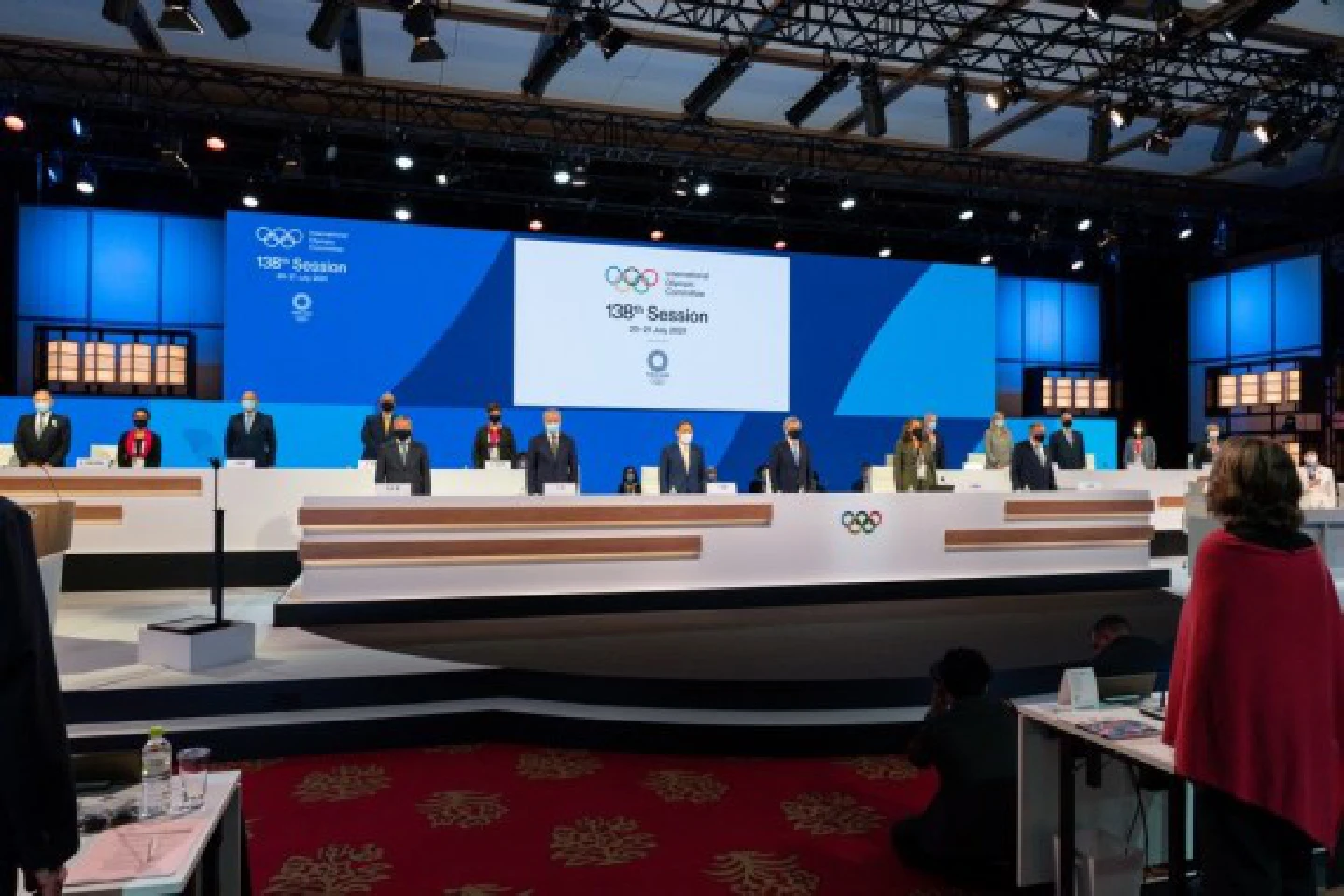
In February 2021, the Executive Board of the IOC targeted Brisbane as its preferred candidate for the 2032 Games. This designation followed years of informal dialogue and feasibility assessments conducted by the Australian Olympic Committee and regional leaders. On July 21, 2021, during the 138th IOC Session in Tokyo ahead of the delayed 2020 Summer Games, the official vote took place. Brisbane secured the hosting rights with 72 affirmative votes from 77 eligible delegates, cementing its status as the home of the Games of the XXXV Olympiad.
This new IOC paradigm emphasizes sustainability, economic fiscal responsibility, and the use of existing or temporary infrastructure. Rather than forcing a host city to build dozens of white-elephant venues from scratch, the Brisbane model relies heavily on a decentralized footprint spread across three distinct regional hubs in Queensland. This approach aligns directly with the IOC's Agenda 2020 and 2020+5 reforms, prioritizing long-term community benefits and environmental stewardship over short-term architectural spectacle.
The Tri-City Footprint: Brisbane, Gold Coast, and Sunshine Coast
A defining characteristic of the 2032 Olympic and Paralympic Games is their geographic distribution. Rather than concentrating all events within a single dense urban core, the organizing committee has structured the event across a regional partnership network anchored by three primary zones: Brisbane, the Gold Coast, and the Sunshine Coast. This decentralized model minimizes urban congestion, distributes economic tourism benefits across South East Queensland, and leverages pre-existing world-class sports facilities.
| Region / Hub | Primary Venue Focus & Key Events |
|---|---|
| Brisbane | Opening/Closing Ceremonies, Aquatics, Athletics, Basketball, Cycling (Velodrome) |
| Gold Coast | Beach Volleyball, Triathlon, Marathon, Football (Soccer) preliminaries |
| Sunshine Coast | Mountain Biking, Kiteboarding, Football, Marathon regional segments |
Brisbane Hub: The Heart of the Games
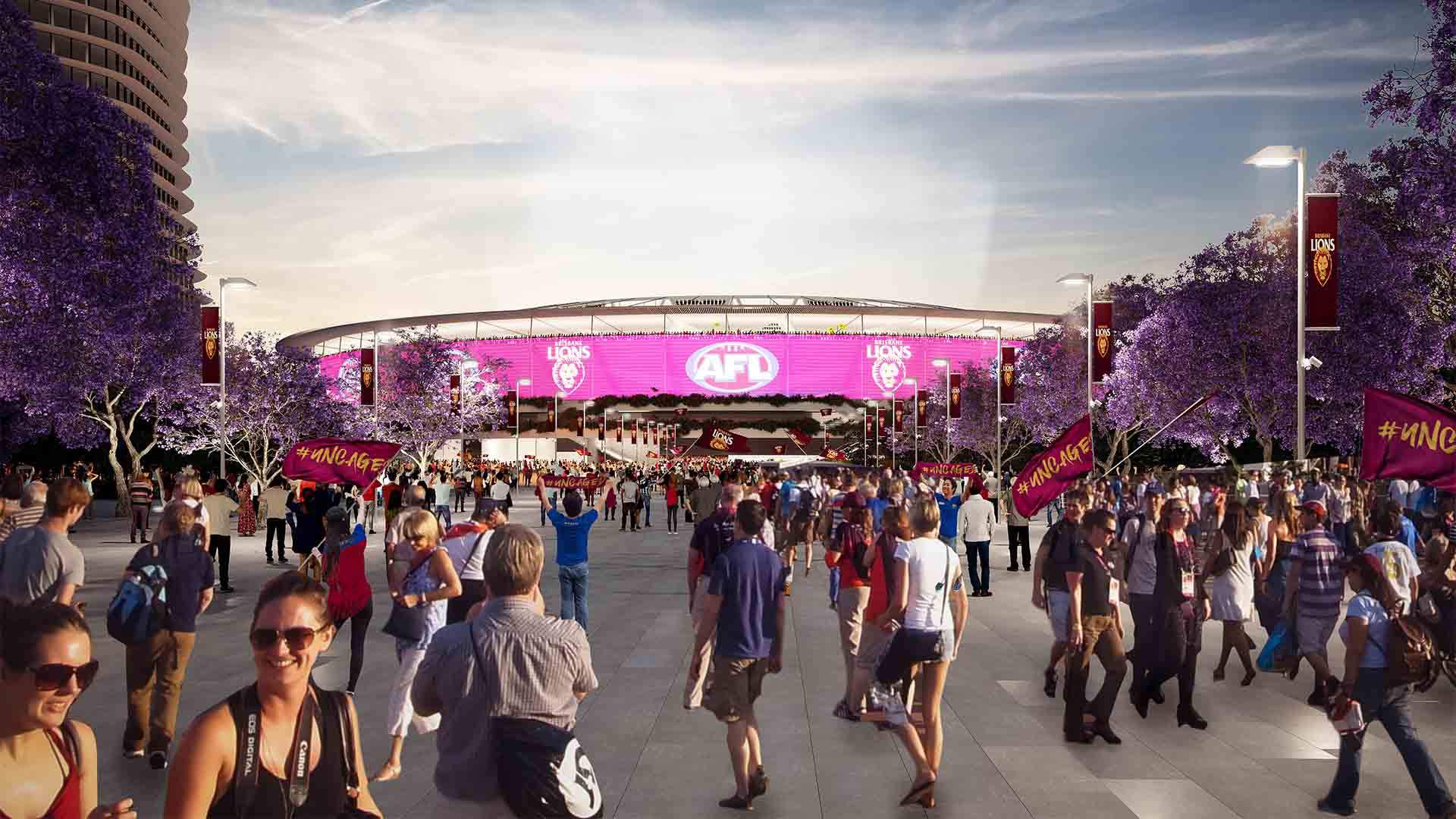
Brisbane serves as the central operational hub for the 2032 Games. The iconic Brisbane Cricket Ground, universally known as the Gabba, was initially designated to undergo a major master-planned redevelopment to serve as the main athletics stadium and host the opening and closing ceremonies. However, ongoing public debate and independent infrastructure reviews have prompted continuous evaluation of venue layouts, ensuring that capital expenditure remains tightly controlled while delivering an elite athlete and spectator experience. The Brisbane Live precinct, featuring a brand-new arena in the heart of the city center, will host indoor swimming and water polo events, taking advantage of integrated public transit nodes.
Gold Coast Hub: Coastal and Action Sports
Located approximately an hour south of Brisbane, the Gold Coast brings established infrastructure from the highly successful 2018 Commonwealth Games. Venues such as the Gold Coast Convention and Exhibition Centre and various coastal stretches will host sports like beach volleyball, weightlifting, and triathlon. Utilizing these existing facilities drastically lowers construction risks and carbon emissions, fulfilling core sustainability requirements mandated by the IOC.
Sunshine Coast Hub: Nature and Endurance
North of Brisbane, the Sunshine Coast provides a scenic backdrop for outdoor endurance events and modern action sports. Mountain biking tracks, outdoor water sports venues, and regional stadiums will host competitions that blend elite athletic performance with Queensland’s renowned natural landscape. This hub highlights the region's commitment to eco-tourism and active outdoor lifestyles.
Infrastructure Strategy, Sustainability, and Economic Impact
Hosting an Olympic Games requires a complex ecosystem of transport networks, accommodation capacity, security protocols, and telecommunications upgrades. The economic framework for Brisbane 2032 is underpinned by a 50-50 funding split between the Australian Federal Government and the Queensland State Government, operating under an independent organizing committee known as the Brisbane 2032 Organizing Committee (BOC).
A cornerstone of the planning phase is the "Games for Queensland, Games for Australia" philosophy, ensuring that every dollar spent yields tangible post-Olympic dividends. Key infrastructure projects include:
- Cross River Rail: A major high-capacity underground rail project through Brisbane's central business district, designed to streamline spectator movement between venues.
- Bruce Highway and M1 Upgrades: Regional road network enhancements to facilitate seamless travel between the Brisbane, Gold Coast, and Sunshine Coast hubs.
- Aviation Expansion: Capacity upgrades at Brisbane Airport (BNE) to manage the influx of international athletes, media personnel, and spectators.
- Green Energy Integration: Commitments to power all permanent competition venues through renewable energy sources, aiming for a climate-positive Games footprint.
Financial risk mitigation is a primary focus for organizers. By utilizing an estimated 80% to 90% existing or temporary venues, Queensland aims to avoid the massive structural deficits experienced by past host cities such as Athens 2004 or Rio de Janeiro 2016. Independent economic studies commissioned by state authorities project multibillion-dollar economic boosts through tourism, trade, and accelerated regional development over the decade leading up to and following the event.
Frequently Asked Questions
When will the 2032 Olympic and Paralympic Games take place?
The 2032 Olympic Games are scheduled to take place from July 23 to August 8, 2032, followed by the Paralympic Games from August 24 to September 5, 2032. These dates coincide with the Southern Hemisphere's winter season, offering mild, pleasant temperatures ideal for outdoor athletic competition and spectator attendance.
Why was Brisbane chosen without a traditional competitive bidding process?
Brisbane was selected under the IOC's reformed bidding guidelines, introduced in 2019. The process allows the IOC's Future Host Commission to engage in continuous, targeted dialogue with interested regions rather than staging costly, multi-year beauty contests. This reduces financial waste for candidate cities and fast-tracks sustainable development plans.
Will new venues need to be built specifically for Brisbane 2032?
The vast majority of venues required for the 2032 Games already exist or will be temporary structures. Over 85% of the competition venues are pre-existing or temporary facilities located across Brisbane, the Gold Coast, and the Sunshine Coast, significantly reducing construction costs and environmental impact.
How will spectators travel between the different event hubs?
Spectators will rely on integrated public transportation networks, including expanded rail lines, newly developed metro systems, and enhanced bus corridors. The Cross River Rail project in Brisbane and highway upgrades along the Gold Coast and Sunshine Coast corridors form the backbone of the transit strategy to move crowds efficiently.
What are the expected economic and social benefits for Australia?
Beyond global media exposure, the Games are projected to generate thousands of jobs, accelerate critical public transport infrastructure, and stimulate tourism across Queensland and the broader Australian economy. Long-term social benefits include increased community participation in sports, improved health outcomes, and accelerated urban renewal initiatives.
Next Actions and Preparations for Attendees and Stakeholders
For travelers, sports federations, and local businesses looking toward the 2032 Games, preparation involves monitoring official channels for ticketing rollouts, volunteer registration portals, and accommodation developments. As venue master plans are finalized and construction milestones are met over the coming years, stakeholders should engage directly with the Brisbane 2032 Organizing Committee's official updates to navigate travel planning, hospitality partnerships, and ticketing timelines effectively.