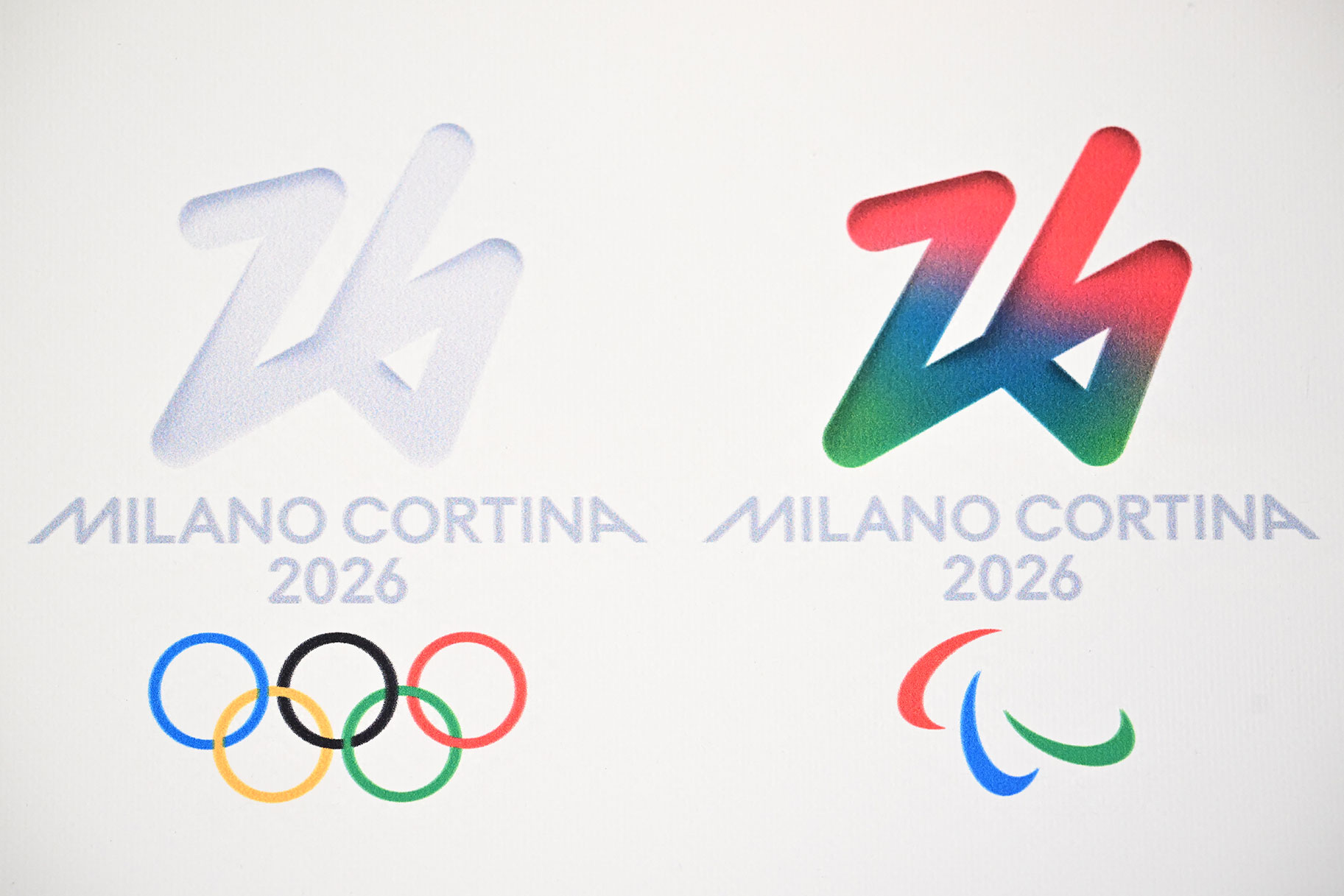
The 2026 Winter Olympics, officially known as the XXV Olympic Winter Games, represent a landmark international multi-sport event hosted across a sprawling, multi-cluster footprint in northern Italy, anchored by Milan and Cortina d'Ampezzo. These Games bring together thousands of elite global athletes to compete across ice, snow, and sliding disciplines, utilizing a strategic blend of historic, newly constructed, and temporary venues designed to align with modern International Olympic Committee sustainability mandates.
Introduction to the Milan-Cortina 2026 Winter Games
The XXV Olympic Winter Games mark a historic return of elite winter sports competition to Italy, following previous iterations in Cortina d'Ampezzo in 1956 and Turin in 2006. Officially scheduled from February 6 to February 22, 2026, the Games introduce a uniquely decentralized geographic footprint. Rather than concentrating all competition within a single host city, the organizing committee has distributed events across several distinct clusters in northern Italy, spanning Lombardy, Veneto, and the autonomous provinces of Trento and Bolzano.
This multi-hub approach leverages existing world-class infrastructure, dramatically reducing the requirement for new permanent construction while presenting specific logistical considerations for spectators, media, and competing delegations. Understanding the spatial separation of these venues is essential for anyone attending in person, navigating broadcast coverage, or following the daily competition schedules. The following sections break down the host clusters, discipline allocations, ticketing frameworks, transportation strategies, and historical context of the 2026 winter olympics.
Geographic Footprint and Venue Clusters
The 2026 Winter Olympics are defined by their wide regional distribution. The operational footprint is divided into primary clusters, each hosting specific sports based on topography, existing infrastructure, and logistical capacity.
| Cluster | Key Disciplines | Primary Locations |
|---|---|---|
| Milan | Figure Skating, Short Track, Ice Hockey | Mediolanum Forum, PalaItalia Santa Giulia |
| Cortina d'Ampezzo | Alpine Skiing (Women), Curling, Sliding Sports | Tofane Alpine Course, Eugenio Monti Track |
| Val di Fiemme (Tesero) | Ski Jumping, Nordic Combined, Cross-Country Skiing | Stadio del Salto, Lago di Tesero Arena |
| Valtellina (Bormio / Livigno) | Alpine Skiing (Men), Freestyle Skiing, Snowboard | Stelvio Slope, Mottolino / Carosello |
The Milan Urban Hub
Milan serves as the cultural and urban anchor of the Games. It hosts the ice sports and major ceremonial events. The iconic San Siro Stadium is designated for the Opening Ceremony, while indoor arenas such as the Mediolanum Forum in Assago and the newly constructed PalaItalia Santa Giulia host figure skating, short-track speed skating, and premier ice hockey matches. An additional temporary or secondary ice rink setup supports preliminary tournament rounds.
The Cortina d'Ampezzo Mountain Cluster
Known as the "Queen of the Dolomites," Cortina d'Ampezzo hosts the women’s alpine skiing events on the legendary Tofane slopes. Furthermore, Cortina is the traditional home for sliding sports—bobsleigh, skeleton, and luge—hosted at the historic Eugenio Monti sliding track, alongside curling competitions held at the local Olympic Ice Stadium.
Val di Fiemme and Anterselva (Antholz)
Located in the Trentino-Alto Adige/Südtirol region, Val di Fiemme acts as the Nordic sports capital of the Games. The Lago di Tesero facility hosts cross-country skiing and the cross-country leg of Nordic combined, while the nearby Predazzo ski jumps host ski jumping and the corresponding jump phase of Nordic combined. Further north, the Südtirol Arena in Anterselva hosts the fast-paced and tactically demanding biathlon competitions.
Valtellina: Bormio and Livigno
The Valtellina cluster is tailored for high-speed alpine and acrobatic disciplines. Bormio’s fiercely challenging Stelvio slope hosts the men’s alpine skiing events, known for its steep gradients and icy surface. Livigno serves as the youthful, dynamic center for freestyle skiing and snowboarding, utilizing extensive snow-park terrain across the Mottolino and Carosello 3000 areas.
Core Sports and Discipline Breakdown
The athletic program for the 2026 Winter Olympics features seven core sports, further subdivided into 16 distinct disciplines. The International Olympic Committee has structured the program to maximize gender equality and youth engagement, introducing new medal events such as ski mountaineering (skimo) and expanded mixed-team formats across sliding and snow sports.
Ice Sports
- Figure Skating: Comprising men's singles, women's singles, pairs, ice dance, and the team event. Held in Milan.
- Speed Skating: Long-track events taking place on a temporary or adapted oval installation within the region.
- Short Track Speed Skating: High-velocity tactical racing over distances ranging from 500 meters to the 5,000-meter relay, hosted in Milan.
- Ice Hockey: Men's and women's tournaments played under International Ice Hockey Federation (IIHF) regulations using NHL-sized or international-sized ice surfaces depending on the venue.
- Curling: Men's, women's, and mixed doubles competitions held in Cortina d'Ampezzo.
Alpine, Ski, and Snowboard Events
- Alpine Skiing: Split between Bormio (men: downhill, super-G, giant slalom, slalom, alpine combined) and Cortina d'Ampezzo (women's equivalents).
- Freestyle Skiing: Aerials, moguls, ski cross, halfpipe, slopestyle, and big air, hosted primarily in Livigno.
- Snowboard: Parallel giant slalom, snowboard cross, halfpipe, slopestyle, and big air, also anchored in Livigno.
Nordic and Sliding Disciplines
- Cross-Country Skiing: Interval starts, mass starts, sprints, and team relays in Val di Fiemme.
- Ski Jumping: Individual and team competitions on normal and large hills in Predazzo.
- Nordic Combined: Combining ski jumping and cross-country skiing exclusively for men (subject to ongoing IOC program reviews).
- Biathlon: Sprint, pursuit, individual, mass start, and relay events combining rifle marksmanship and cross-country skiing in Anterselva.
- Bobsleigh, Skeleton, and Luge: High-speed gravity-powered sliding events down the Cortina track.
- Ski Mountaineering (Skimo): Making its Olympic debut, featuring vertical and sprint races highlighting alpine climbing and descending skills in Bormio.
Ticketing, Access, and Spectator Logistics
Attending the 2026 Winter Olympics requires careful navigation of official ticketing portals, accredited accommodation networks, and regional transportation links. Because events are spread across hundreds of kilometers of mountainous terrain, spontaneous travel between clusters during active competition days is logistically challenging.
Ticketing Phases and Verification
Official tickets are distributed exclusively through the authorized Milan-Cortina 2026 digital ticketing platform. To prevent ticket fraud and scalping, the organizing committee implemented a centralized, app-based ticketing system requiring identity verification. Spectators must purchase tickets well in advance, with pricing structured by session importance, venue seating category, and medal-round status.
Transportation and Regional Mobility
Traveling between Milan and the mountain clusters (Cortina, Bormio, Val di Fiemme) relies on a mix of upgraded rail corridors, dedicated Olympic bus networks, and restricted highway lanes.
- Rail Links: High-speed Frecciarossa and regional Trenitalia services connect Milan to Verona, Trento, and northern transit hubs.
- Shuttle Buses: Dedicated point-to-point shuttle fleets operate between railway stations and remote mountain venues (such as Livigno and Anterselva) where direct rail access is unavailable.
- Traffic Regulations: During competition windows, local authorities enforce strict ZTL (Zona a Traffico Limitato) rules and parking restrictions around venues, making public transit the mandatory mode of travel for ticket holders.
Comparison of Competition Clusters
To better understand where specific disciplines are located and the travel context required, the following table compares the primary operational metrics of each Olympic cluster.
| Cluster Name | Primary Geographic Region | Main Disciplines Hosted | Approximate Travel Time from Milan (Rail/Road) |
|---|---|---|---|
| Milan | Lombardy | Figure Skating, Short Track, Ice Hockey, Ceremonies | 0 hours (Host City) |
| Cortina d'Ampezzo | Veneto | Women's Alpine, Curling, Sliding Sports | ~4.5 to 5.5 hours |
| Val di Fiemme | Trentino-Alto Adige | Cross-Country, Ski Jumping, Nordic Combined | ~3.5 to 4.0 hours |
| Valtellina (Bormio/Livigno) | Lombardy | Men's Alpine, Freestyle Skiing, Snowboard, Skimo | ~3.0 to 4.0 hours |
| Anterselva / Antholz | Trentino-Alto Adige | Biathlon | ~4.5 to 5.0 hours |
Sustainability and Legacy Strategy
The 2026 Winter Olympics serve as a testing ground for the International Olympic Committee's "New Norm" policy, which emphasizes fiscal responsibility, ecological preservation, and long-term regional legacy over grandiose, temporary infrastructure spending.
Minimal New Construction
Over 90% of the venues utilized for the 2026 Games are either existing facilities, temporary structures, or pre-existing venues requiring minor modernization. For instance, sliding sports rely on the historic Cortina sliding infrastructure, while ice sports in Milan utilize existing exhibition centers and multi-purpose arenas. This strategy mitigates the risk of "white elephant" venues—costly facilities that fall into disrepair after the closing ceremony.
Environmental Commitments
Organizers committed to utilizing 100% renewable energy for venue power needs, implementing circular economy waste management protocols, and optimizing snow-making technologies that minimize water waste and energy consumption. Mountain venues adhere to strict regional environmental protections, particularly within the Dolomite UNESCO World Heritage sites, ensuring that temporary installations leave minimal ecological footprint post-Games.
Frequently Asked Questions
When exactly do the 2026 Winter Olympics take place?
The Games run from February 6 to February 22, 2026, followed immediately by the Winter Paralympic Games from March 6 to March 15, 2026. The competition window spans 17 days of intensive multi-sport action across the various northern Italian clusters.
How do I travel between Milan and the mountain venues like Cortina?
Travel between Milan and mountain clusters requires utilizing a combination of high-speed trains to regional transit hubs (such as Verona, Bolzano, or Tirano) and official Olympic shuttle buses. Because mountain roads experience heavy congestion and strict traffic controls during the Games, spectators should book accredited transport packages well ahead of their event dates.
Which new sports or events are making their debut in 2026?
Ski mountaineering (skimo) makes its official Olympic debut at the 2026 Games in Bormio. The program includes men's and women's sprint and vertical races, adding a fast-growing alpine endurance discipline to the official Olympic schedule.
Are tickets still available for purchase?
Ticket availability fluctuates based on official inventory releases, secondary official resale platforms, and returned hospitality packages. Buyers should exclusively use the official Milan-Cortina 2026 ticketing portal to avoid counterfeit passes and inflated secondary-market pricing.
What is the weather typically like in the mountain clusters during February?
February in the Italian Alps and Dolomites is characterized by cold winter conditions, with daytime temperatures often hovering around or below freezing, particularly at higher altitudes in Livigno, Bormio, and Cortina. Spectators attending outdoor snow and sliding events must dress in technical winter layers, waterproof outerwear, and insulated footwear.
Conclusion and Next Actions
The 2026 Winter Olympics offer a geographically diverse, culturally rich, and technically demanding showcase of winter athletic excellence across northern Italy. Whether you plan to watch the broadcast globally or navigate the intricate transit corridors to attend events in Milan, Cortina, Val di Fiemme, or Valtellina, thorough preparation is essential. Verify all event schedules, secure authorized digital tickets early, and map out your regional transportation routes well in advance to ensure a seamless Olympic experience.