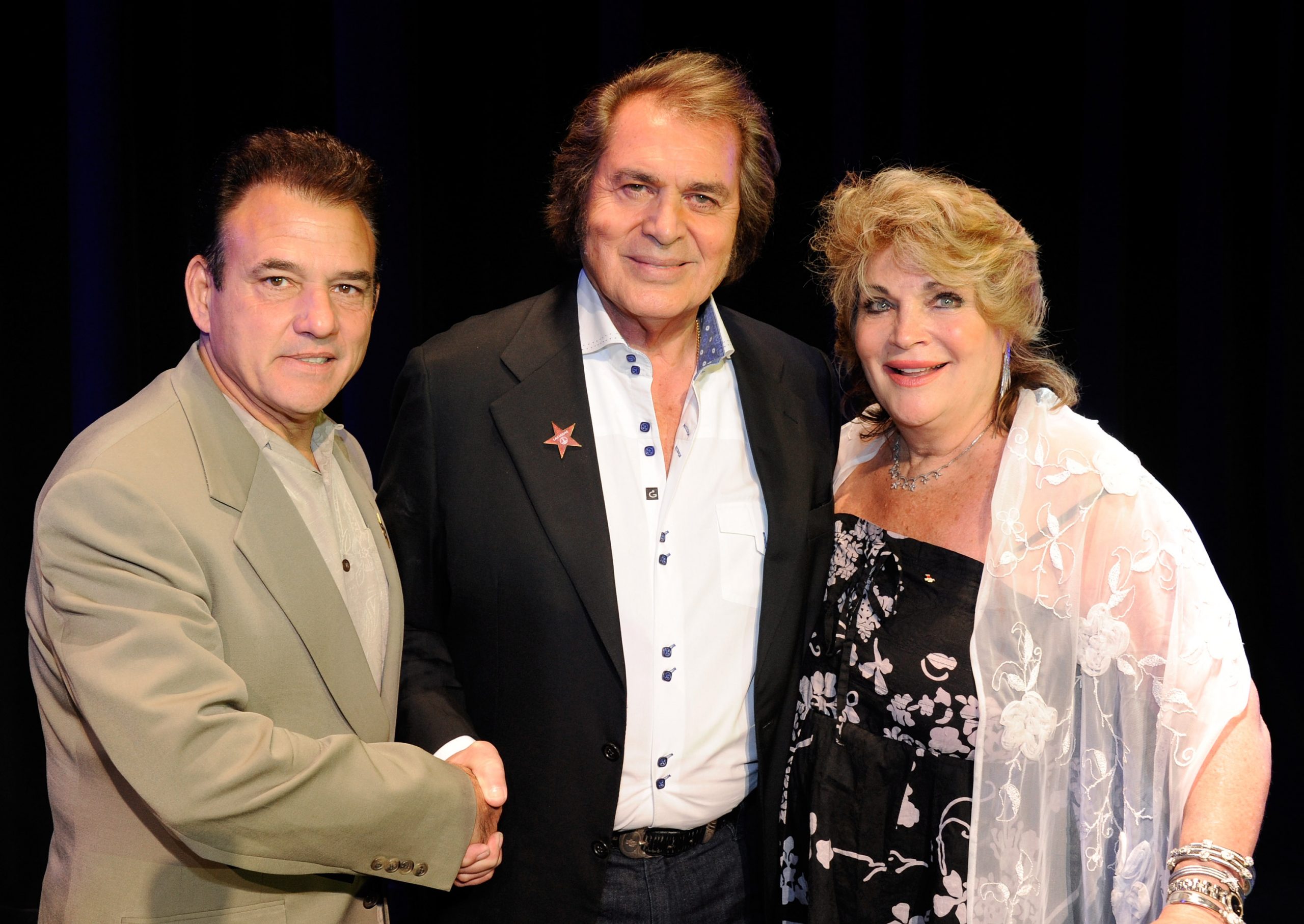
Susan Stafford is most widely recognized as the original hostess of the iconic game show Wheel of Fortune, a role she held from 1975 until 1982. Beyond her television fame, her career is defined by a significant transition from Hollywood glamour to humanitarian service, clinical psychology, and chaplaincy, making her a unique figure in entertainment history.
Throughout the mid-20th century, few faces were as recognizable in American households as Susan Stafford. While modern audiences often associate the letter-turning role exclusively with Vanna White, it was Stafford who pioneered the position, bringing a blend of grace and charisma to the burgeoning game show genre. However, her life and career extend far beyond the spinning wheel. As of 2026, her legacy remains a testament to the idea that a high-profile media career can serve as a stepping stone to meaningful global service and academic achievement.
The Early Professional Path: Modeling and Early Screen Roles
Before becoming a household name on daytime television, Susan Stafford’s career began in the world of modeling and bit-part acting. Born in 1944, she possessed the classic "all-American" look that was highly sought after by advertisers and casting directors in the 1960s and early 1970s.
Her early filmography reflects the typical trajectory of a rising starlet during that era. One of her earliest credited roles was in the 1966 science fiction film Cyborg 2087, where she played a small role as a girl in a club. While the film itself was a low-budget production, it provided Stafford with essential experience on a professional set.
During this period, Stafford also worked as a model, appearing in numerous national television commercials and print advertisements. This experience was crucial, as it honed her ability to communicate with a camera lens—a skill that would later make her the perfect candidate for a burgeoning game show format that required constant interaction with both the host and the viewing audience.
The Wheel of Fortune Era (1975–1982)
In 1975, creator Merv Griffin launched Wheel of Fortune on NBC. While Chuck Woolery was the original host, Susan Stafford was hired as the hostess. In the original format, the hostess’s role was more manual than it is today; Stafford physically turned the large wooden panels to reveal the letters of the puzzle.
Stafford’s tenure on the show coincided with its rise to cultural dominance. She was a constant presence during the show’s formative years, establishing the rhythm and visual cues that would define the program for decades. In 1978, her contributions were officially recognized with a Daytime Emmy Award nomination for Outstanding Host or Hostess in a Game or Audience Participation Show—a rare feat for a hostess at the time, as the category was typically dominated by primary male hosts.
Despite the show's massive success and her rising fame, Stafford began to feel a disconnect between her public persona and her private values. This internal conflict eventually led to one of the most surprising departures in television history.
Why Susan Stafford Left Wheel of Fortune
By 1982, Wheel of Fortune was a juggernaut. However, Stafford felt a calling toward humanitarian work. In a move that shocked the industry, she walked away from her lucrative contract. She later detailed this decision in her memoir, explaining that she felt like a "cardboard cutout" and desired a life of deeper substance.
She was briefly replaced by several guest hostesses, including Summer Bartholomew and Vicki McCarty, before a young Vanna White was eventually chosen as her permanent successor. Stafford’s departure was not a rejection of the show itself, but rather an embrace of a different life path focused on the needs of others.
Detailed Filmography and Television Appearances
While Wheel of Fortune was her primary claim to fame, Stafford’s filmography includes several guest appearances on iconic television series of the 1970s and 80s. These roles often utilized her recognizable "game show" persona or showcased her range as a supporting actress.
| Production Title | Year(s) | Role / Character | Type |
|---|---|---|---|
| Cyborg 2087 | 1966 | Girl in Club | Feature Film |
| Wheel of Fortune | 1975–1982 | Hostess (Original) | TV Game Show |
| The Love Boat | 1977–1980 | Various Characters | TV Series |
| Fantasy Island | 1979 | Guest Appearance | TV Series |
| The Hollywood Squares | 1976–1980 | Guest Panelist | TV Game Show |
| The Mike Douglas Show | 1977–1979 | Guest / Herself | TV Talk Show |
| The Merv Griffin Show | 1975–1982 | Guest / Herself | TV Talk Show |
| Past the Bleachers | 1995 | Nurse | TV Movie |
Analysis of Guest Roles
In The Love Boat and Fantasy Island, Stafford followed a common trend for TV stars of that era—appearing as a "celebrity guest" to bolster the show's glamour. These appearances were significant because they allowed her to interact with the broader Hollywood ecosystem beyond the NBC game show studios. Her presence on The Hollywood Squares further cemented her status as a "celebrity personality," a distinction that required quick wit and a likable public image.
Career Highlights and Humanitarian Work
The most compelling "highlights" of Susan Stafford’s career occurred after she left the spotlight. Her post-Hollywood life is characterized by academic rigor and selfless service.
Transition to Clinical Psychology and Chaplaincy
After leaving television, Stafford pursued higher education with a focus on helping those in crisis. She eventually earned a Ph.D. in Clinical Psychology. This was not merely an honorary pursuit; she became a deeply involved practitioner, focusing on the psychological needs of patients facing terminal illnesses.
She also became a non-denominational chaplain. In this capacity, she worked at various medical centers, providing spiritual and emotional support to patients and their families. This work brought her into contact with figures like Mother Teresa, with whom she collaborated on humanitarian efforts.
Work with Leprosy Patients
One of the most notable highlights of her humanitarian career was her work with the Damien-Dutton Society for Leprosy. Stafford traveled to remote parts of the world, including India and Africa, to assist those suffering from Hansen's disease (leprosy). This work was physically demanding and often dangerous, marking a stark contrast to the air-conditioned studios of Burbank.
Literature and Writing
Stafford authored a memoir titled "Stop the Wheel, I Want to Get Off!", published in 2011. The book serves as a career highlight by providing a candid look at the pressures of fame and her eventual spiritual awakening. It remains a key resource for those studying the history of American television and the psychology of celebrity.
Susan Stafford Net Worth Analysis (2026 Perspective)
As of 2026, Susan Stafford’s net worth is estimated to be between $1 million and $5 million. To understand this figure, one must analyze the different phases of her financial life.
- The Game Show Earnings: During her seven years on Wheel of Fortune, Stafford earned a substantial salary. While game show hostesses in the late 70s did not earn the multi-million dollar annual salaries seen today, her income was well above the national average.
- Investment and Real Estate: Like many savvy Hollywood professionals of the era, Stafford likely benefited from the appreciation of Southern California real estate and traditional investment vehicles.
- Philanthropy vs. Profit: It is important to note that a significant portion of Stafford’s post-TV life was dedicated to non-profit work. Unlike many celebrities who use their fame to launch lifestyle brands, Stafford’s career in psychology and chaplaincy was service-oriented. This suggests that her net worth is more a reflection of careful financial management and early career earnings rather than recent commercial ventures.
- Legacy Income: Royalties from her book and occasional appearances at nostalgia-based events or documentaries about TV history provide modest, ongoing income.
The Cultural Impact of the First Hostess
Susan Stafford’s role on Wheel of Fortune was more than just a job; it was a cultural touchstone. In 1975, the "hostess" was a staple of the game show format, but Stafford brought a level of intelligence and poise that helped elevate the position.
She was the first to navigate the unique challenges of the role, including the physical demands of the original puzzle board (which was not electronic) and the need to maintain a constant, smiling presence regardless of the stress of live-to-tape production. Her departure set a precedent for the "Vanna White" era, but it was Stafford who established the baseline for what a successful game show hostess looked like in the modern age.
Frequently Asked Questions
Why did Susan Stafford leave Wheel of Fortune?
Susan Stafford left Wheel of Fortune in 1982 because she felt a spiritual and personal calling to pursue humanitarian work and help people suffering from illness. She felt the role no longer aligned with her personal values and desired to make a more direct impact on the world.
Who replaced Susan Stafford on the show?
After Stafford left in 1982, the show used several temporary hostesses. Eventually, Vanna White was hired as the permanent replacement. Vanna has often credited Stafford with paving the way for the success of the role.
What is Susan Stafford’s degree in?
Susan Stafford holds a Ph.D. in Clinical Psychology. She used her education to transition into a career as a hospital chaplain and a psychologist, specializing in end-of-life care and terminal illness support.
Did Susan Stafford ever return to television?
While she did not return to a permanent hosting role, Stafford has made various guest appearances on talk shows and in documentaries to discuss the history of Wheel of Fortune and her humanitarian efforts. She also appeared in the 1995 TV movie Past the Bleachers.
Is Susan Stafford still active in humanitarian work?
As of 2026, Stafford remains an advocate for humanitarian causes, though she has stepped back from the strenuous international travel that defined her younger years. She continues to be a voice for those suffering from leprosy and remains involved in various cancer research support groups.
Practical Recommendations for Fans and Researchers
If you are interested in exploring the life and career of Susan Stafford further, the following steps are recommended:
- Read her Memoir: "Stop the Wheel, I Want to Get Off!" provides the most comprehensive look into her internal motivations and the behind-the-scenes reality of early Wheel of Fortune.
- Search for Archive Footage: Many early episodes of Wheel of Fortune from the Woolery/Stafford era have been preserved by fans and archive services. Watching these provides a fascinating glimpse into the evolution of game show production.
- Support Her Causes: To honor her legacy, consider looking into the Damien-Dutton Society for Leprosy or similar humanitarian organizations that focus on underserved medical populations.
Susan Stafford’s journey from a letter-turner to a doctor of psychology and global humanitarian is a rare and inspiring story. It serves as a reminder that the most significant highlights of a career are often the ones that happen when the cameras are turned off.