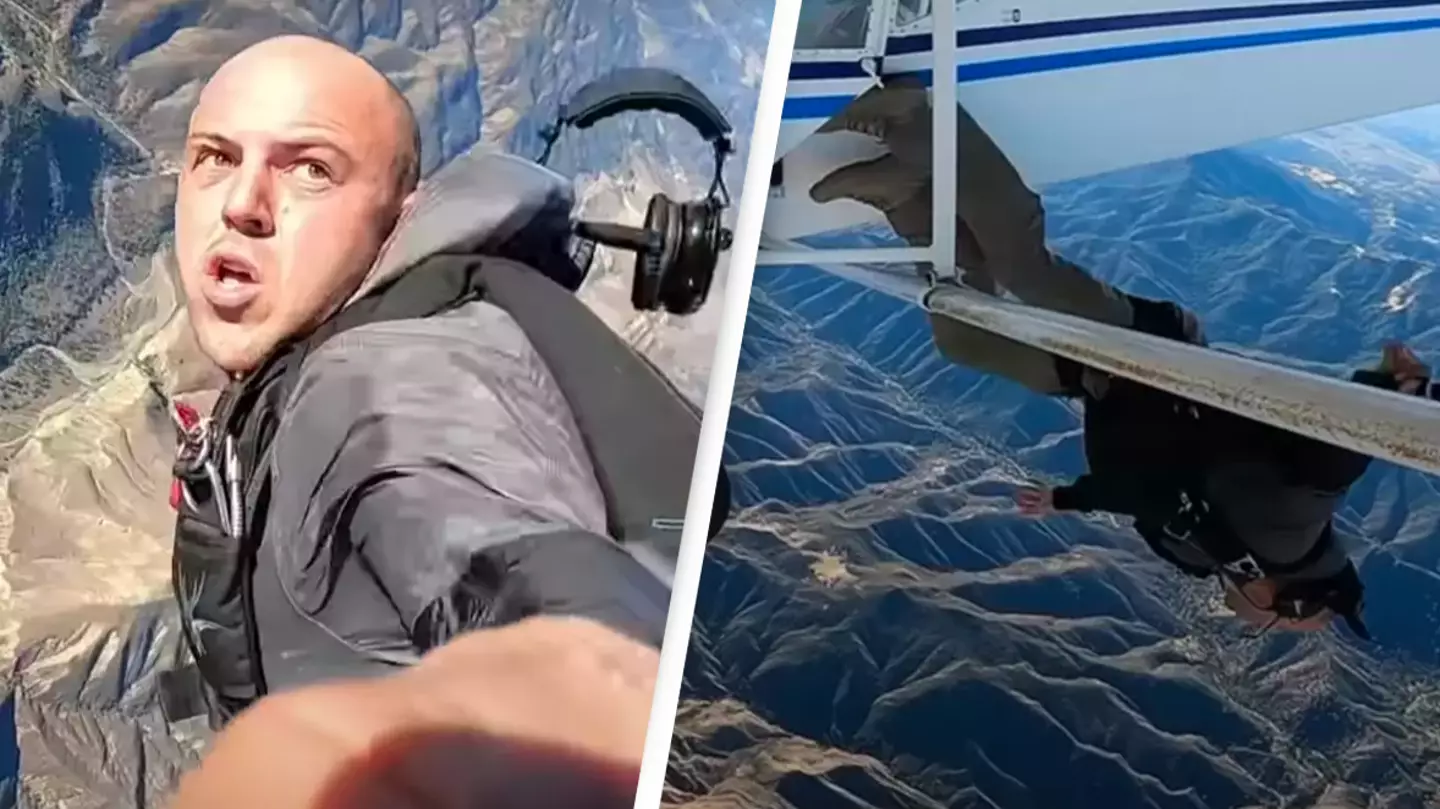
Trevor Jacob is a former Olympic athlete and social media personality primarily known for intentionally crashing his airplane in 2021 to generate YouTube views. His actions led to a federal prison sentence, the revocation of his pilot’s license, and a landmark debate regarding the ethics of influencer culture and aviation safety.
Who is Trevor Jacob?
Trevor Jacob first entered the public eye as a world-class athlete. Born in 1993, he competed in snowboarding at the 2014 Winter Olympics in Sochi, Russia, representing the United States in the snowboard cross event. His athletic background was characterized by extreme sports, including skateboarding, surfing, and BMX, which eventually transitioned into a career as an "adrenaline-junkie" content creator on YouTube.
By the early 2020s, Jacob had built a significant following by documenting his aerial stunts and outdoor adventures. However, his name became synonymous with controversy following a video titled "I Crashed My Plane," uploaded on December 23, 2021. The video depicted Jacob bailing out of his 1940 Taylorcraft BL-65, claiming engine failure over the Los Padres National Forest in California.
The 2021 Plane Crash Incident
The core of the Trevor Jacob controversy stems from a flight on November 24, 2021. Jacob took off from Lompoc City Airport, purportedly heading toward Mammoth Lakes to go snowboarding. During the flight, he claimed the engine had failed. Instead of attempting to glide to an open area or restart the engine, Jacob immediately exited the aircraft while filming himself with a selfie stick, allowing the plane to crash into the mountains.
Technical Discrepancies and Investigation
Aviation experts and the Federal Aviation Administration (FAA) quickly identified several red flags in the footage. Under normal emergency procedures, a pilot is expected to maintain control of the aircraft, troubleshoot the engine, and identify a safe landing site. Jacob’s actions deviated from standard protocol in several critical ways:
- Failure to Use the Radio: Jacob made no attempt to contact Air Traffic Control (ATC) on the emergency frequency (121.5 MHz) to declare a "Mayday."
- Lack of Restart Attempts: The video did not show any attempts to restart the engine, such as checking fuel mixtures, carb heat, or the ignition switch.
- Pre-positioned Cameras: Multiple cameras were mounted on the exterior of the aircraft pointing toward the propeller and the wings, and Jacob was already wearing a parachute—a rarity for solo cross-country flights in that specific type of aircraft.
- The Exit: Jacob opened the door and jumped out almost immediately after the perceived engine stall, maintaining hold of a camera throughout the descent.
Legal Consequences and Federal Sentencing
The incident triggered a dual investigation by the FAA and the Department of Justice (DOJ). While the FAA handles civil matters regarding pilot certification, the DOJ focused on the criminal aspect of Jacob’s actions after the crash.
Obstruction of a Federal Investigation
The primary criminal charge against Jacob was not the crash itself, but his actions following the event. Jacob lied to federal investigators, claiming he did not know the location of the wreckage. In reality, he and a friend flew a helicopter to the crash site, recovered the wreckage, and later cut it into pieces to dispose of it in trash bins. This was a clear attempt to destroy evidence that could prove the engine was functional.
In 2023, Jacob pleaded guilty to one count of destruction and concealment with the intent to obstruct a federal investigation. On December 4, 2023, he was sentenced to six months in federal prison. The U.S. Attorney’s Office for the Central District of California stated that Jacob likely committed this offense to generate social media and news coverage and to reach a financial gain through a sponsorship deal.
FAA License Revocation
Even before the criminal sentencing, the FAA took decisive action. In April 2022, the agency revoked Jacob's private pilot certificate. The FAA’s emergency order stated that he had acted in a "careless or reckless manner so as to endanger the life or property of another." The agency specifically noted that Jacob chose to jump out of the plane solely so he could record the crash.
The Timeline of the Trevor Jacob Incident
The following table summarizes the key milestones from the initial flight to the legal resolution and his status as of 2026.
| Date | Event | Outcome/Significance |
|---|---|---|
| Nov 24, 2021 | The Flight | Jacob crashes his Taylorcraft BL-65 in Los Padres National Forest. |
| Dec 23, 2021 | Video Publication | "I Crashed My Plane" is uploaded to YouTube, gaining millions of views. |
| Apr 2022 | FAA Revocation | The FAA revokes Jacob's pilot license for reckless behavior. |
| May 2023 | Guilty Plea | Jacob admits to obstructing a federal investigation by destroying wreckage. |
| Dec 4, 2023 | Sentencing | Jacob is sentenced to 6 months in federal prison. |
| 2024 | License Reinstatement | Jacob successfully re-applies for and receives a temporary pilot certificate. |
| 2025–2026 | Industry Reflection | Continued debate on influencer regulation and "stunt" content safety. |
Impact on the Aviation Community
The Trevor Jacob case served as a wake-up call for the aviation industry and regulatory bodies. Before this incident, the idea of a pilot intentionally destroying an aircraft for "clout" was almost unheard of in the civilian sector.
Policy and Regulatory Shifts
The FAA has since become more vigilant regarding social media content. While the agency has always monitored for reckless flying (such as "buzzing" houses or low-level aerobatics), the Jacob case established a precedent for how the government handles digital evidence of intentional negligence.
- Stricter Scrutiny of "Stunt" Videos: Inspectors now use social media archives as primary evidence in enforcement actions.
- Public Awareness: The case is frequently cited in pilot training programs as a "what not to do" scenario regarding Aeronautical Decision Making (ADM).
- Insurance Implications: Following the crash, many aviation insurance providers adjusted their risk assessments for pilots who are high-profile content creators, leading to higher premiums for those filming their flights for commercial gain.
Ethical Considerations in Content Creation
The incident highlighted the dangerous intersection of the attention economy and physical safety. When creators are incentivized by views and sponsorship dollars (Jacob had a promotion for a wallet in the crash video), the pressure to create escalating "spectacles" can lead to criminal behavior.
The aviation community, led by figures such as the Aircraft Owners and Pilots Association (AOPA), condemned Jacob’s actions. They argued that such stunts tarnish the reputation of general aviation and invite unnecessary restrictive legislation that hurts law-abiding pilots.
Re-obtaining the Pilot License
One of the most controversial developments in the Trevor Jacob saga was his return to flying. Under FAA rules, a pilot whose license is revoked can typically re-apply after a one-year waiting period, provided they pass all required knowledge and practical tests again.
In late 2023 and throughout 2024, Jacob documented his journey to regain his wings. Despite the severity of his previous actions, he met the technical requirements set by the FAA and was granted a new certificate. This sparked significant outrage within the flying community, with many arguing that a pilot who intentionally crashed a plane should be banned for life. However, the FAA maintains that if an individual meets the regulatory standards for "character and competency" and passes the rigorous testing, they are eligible for certification.
Frequently Asked Questions
Why did Trevor Jacob go to jail?
Trevor Jacob was sentenced to six months in federal prison for obstruction of a federal investigation. He did not go to jail specifically for crashing the plane, but for lying to federal investigators and intentionally destroying the wreckage to prevent them from examining the engine and the state of the aircraft.
Was the engine failure real?
Federal investigators and aviation experts concluded that the engine failure was likely staged or, at the very least, not handled as a genuine emergency. Jacob made no attempt to restart the engine or glide to a safe landing spot, despite several suitable locations being available. His decision to jump with a parachute and multiple cameras already in place suggested the event was premeditated.
Does Trevor Jacob still have a pilot's license?
As of 2026, Trevor Jacob has regained his pilot's license. After his original license was revoked in 2022, he waited the required period and underwent the full certification process again, including the written exam and the checkride with an FAA examiner.
What kind of plane did he crash?
The aircraft was a 1940 Taylorcraft BL-65, a light, single-engine aircraft known for its simplicity and historically reliable performance. It is a popular vintage aircraft among general aviation enthusiasts.
Did anyone else get hurt in the crash?
Fortunately, no one else was injured. The plane crashed in a remote area of the Los Padres National Forest. However, the DOJ and FAA emphasized that the crash could have started a wildfire or struck hikers or wildlife, posing a significant public safety risk.
What happened to his YouTube channel?
Trevor Jacob's YouTube channel remains active. While the "I Crashed My Plane" video was the subject of intense scrutiny, he has continued to post content related to his legal journey, his return to flying, and his extreme sports ventures. The incident significantly increased his name recognition, though it remains polarized between supporters and critics.
Final Recommendation for Creators and Pilots
The Trevor Jacob incident is a cautionary tale about the limits of "edgy" content. For pilots and outdoor enthusiasts, the primary takeaway is that aviation safety and federal compliance supersede digital engagement.
If you are a content creator in the aviation space, ensure that your filming equipment does not interfere with the safe operation of the aircraft. Always prioritize Aeronautical Decision Making (ADM) over the "perfect shot." If an emergency occurs, your priority is to fly the airplane ("Aviate, Navigate, Communicate"), not to secure the camera. For those following the legal aspects of this case, it serves as a reminder that the "cover-up" (obstruction of justice) often carries harsher criminal penalties than the initial mistake or incident itself.