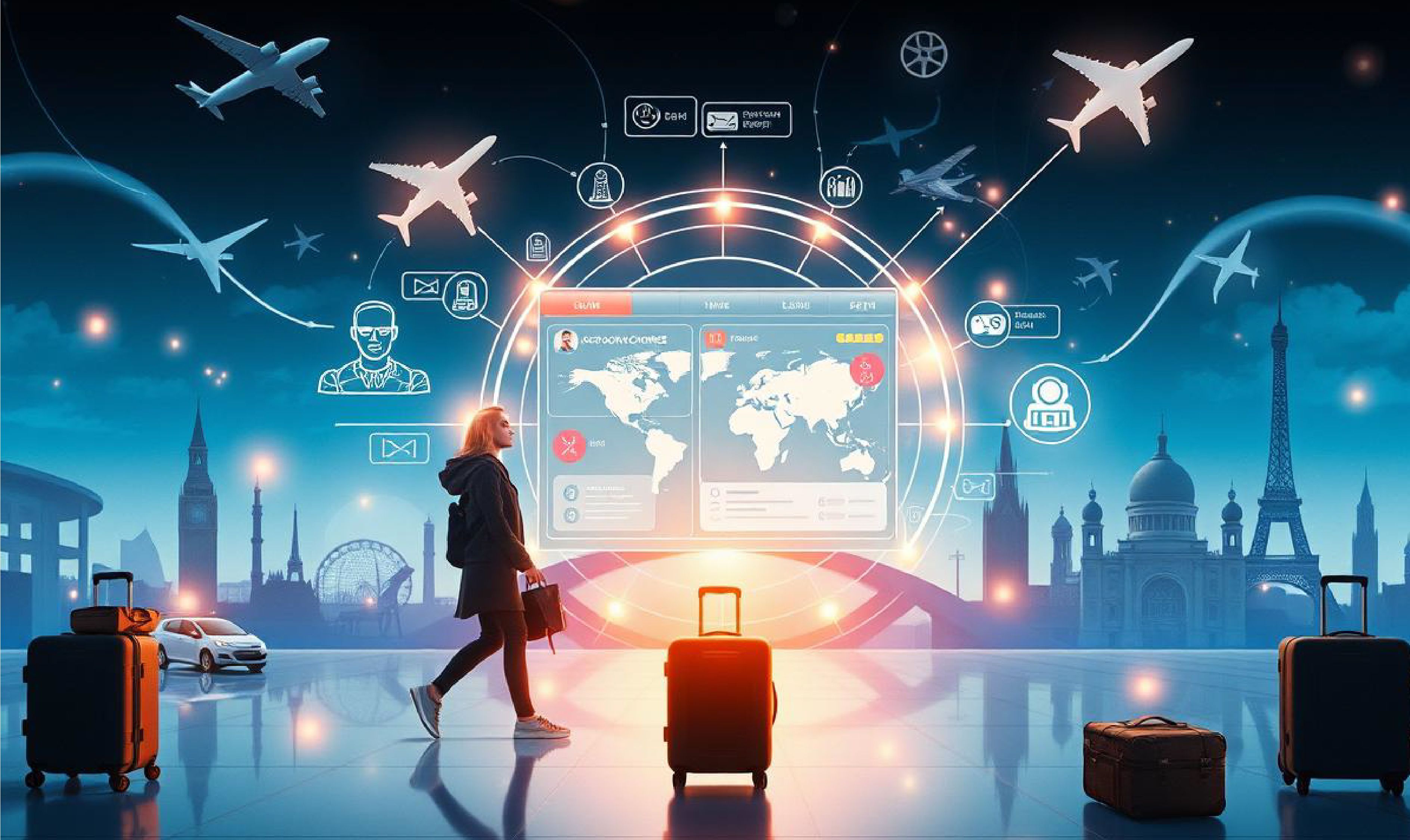
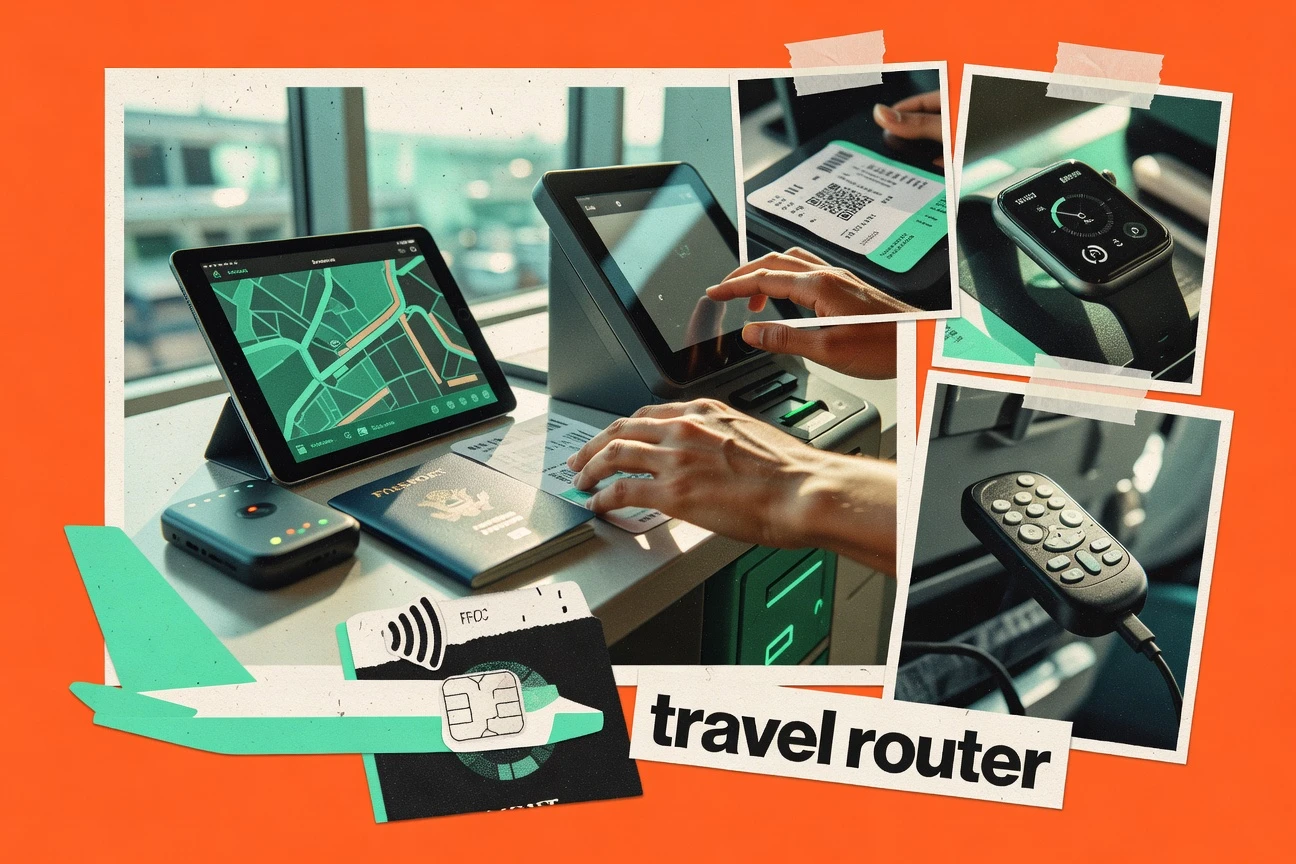
Travel technology in 2026 centers on hyper-personalization through AI and frictionless transit via biometrics. It integrates disparate booking systems into unified digital ecosystems, allowing travelers to manage identity, payments, and sustainability footprints through a single interface. This evolution significantly reduces "travel friction" at airports and hotels by replacing physical documents with secure, decentralized digital credentials.
Travel technology, or "travel tech," refers to the application of IT, software, and hardware solutions within the tourism and hospitality sectors. While the term once described simple online booking engines, in 2026 it encompasses a sophisticated lattice of Artificial Intelligence (AI), the Internet of Things (IoT), and biometric authentication. The primary objective is to optimize the "traveler journey"—from initial inspiration and planning to the return home—by automating logistics and tailoring experiences to individual preferences.
The Biometric Revolution: Moving Toward Paperless Transit
The most visible advancement in 2026 travel tech is the widespread adoption of biometric corridors. The industry has largely moved away from the "stop-and-start" nature of security checkpoints. Instead, biometric data—primarily facial recognition and iris scanning—acts as a universal key.
Digital Travel Credentials (DTC)
Building on the standards set by the International Civil Aviation Organization (ICAO), travelers now utilize Digital Travel Credentials. Unlike a digital copy of a passport, a DTC is a cryptographically secured representation of your identity stored in a smartphone’s secure element or a cloud-based digital wallet.
When you arrive at an airport in 2026, the "One ID" concept allows you to walk through the terminal without presenting a physical passport or boarding pass. Sensors identify you in motion, matching your live biometrics against your DTC. This technology has reduced average security processing times by over 40% compared to 2022 levels.
Biometrics in Hospitality
Hotels have mirrored this trend. Upon arrival, "smart" properties utilize facial recognition to verify identity and automatically issue a digital room key to the guest's mobile device. This eliminates the traditional front-desk check-in process, allowing guests to bypass the lobby and proceed directly to their rooms.
Generative AI as the Autonomous Travel Agent
In 2026, the role of AI has shifted from simple chatbots to autonomous agents. These systems do not just provide information; they execute actions based on a deep understanding of user behavior and real-time data.
Predictive Re-accommodation
One of the most significant pain points in travel—flight delays and cancellations—is now managed by AI-driven predictive systems. If a storm is forecasted to hit a hub like London Heathrow, AI agents proactively analyze the schedules of thousands of passengers. Before the flight is even officially canceled, the agent can present the traveler with a pre-arranged rebooking option, an updated hotel voucher, and a refreshed digital boarding pass.
Hyper-Personalized Itineraries
Generative AI now synthesizes data from social preferences, past spending habits, and real-time local events to create "living" itineraries. If a traveler expresses an interest in modern art, the AI doesn't just suggest a museum; it checks ticket availability for a specific 2026 exhibition, monitors local traffic to suggest the best departure time, and reserves a table at a nearby restaurant that matches the traveler's dietary restrictions.
Sustainability Tech: Verifiable Green Travel
Sustainability is no longer an optional "bolt-on" feature; it is integrated into the core architecture of 2026 travel tech. Travelers and corporations now demand transparent, verifiable data regarding their environmental impact.
Carbon Transparency at Checkout
Booking platforms now utilize standardized APIs to provide real-time carbon footprint calculations for every segment of a trip. This includes the specific aircraft model, the fuel type (such as the percentage of Sustainable Aviation Fuel used), and even the energy efficiency rating of the hotel.
Blockchain and Carbon Offsetting
To combat "greenwashing," many 2026 travel platforms use blockchain technology to track carbon offsets. When a traveler pays for an offset, the transaction is recorded on a transparent ledger, ensuring that the funds are actually allocated to the specific reforestation or renewable energy project promised. This level of accountability has restored trust in environmental initiatives within the sector.
Essential Infrastructure: Connectivity and FinTech
The "back-end" of travel tech has undergone a massive overhaul to support the data-heavy requirements of AI and biometrics.
Satellite Internet and Wi-Fi 7
The "digital nomad" lifestyle is supported by the near-universal availability of high-speed satellite internet, such as Starlink, on long-haul flights and in remote destinations. Furthermore, airports and hotels have upgraded to Wi-Fi 7, which provides the low latency required for real-time biometric processing and high-definition augmented reality (AR) wayfinding.
FinTech Integration
Travelers in 2026 rarely need to worry about currency conversion or local payment methods. Multi-currency digital wallets integrated into travel apps automatically select the most cost-effective payment rail. Furthermore, "Buy Now, Pay Later" (BNPL) has become a standard feature at the point of sale for high-ticket travel items, integrated directly into the booking flow to provide flexible financing based on the traveler's credit profile.
Comparing Travel Tech: 2020 vs. 2026
The following table illustrates the shift in standard technologies and user experiences over the last six years.
| Feature | 2020 Standard | 2026 Standard | Primary Benefit |
|---|---|---|---|
| Check-in | Manual desk or kiosk | Biometric "Walk-through" | Speed and reduced queuing |
| Identity | Physical Passport/ID | Digital Travel Credential (DTC) | Security and convenience |
| Connectivity | Paid/Slow In-flight Wi-Fi | Free/Low-latency Satellite | Seamless remote work |
| Booking | Manual search and filters | Autonomous AI Agents | Time savings and personalization |
| Sustainability | Estimated "Green" labels | Verified Blockchain tracking | Genuine environmental impact |
| Room Access | Plastic Keycards | Smartphone/Biometric keys | Reduced plastic waste and friction |
Prerequisites for Adopting Modern Travel Tech
To fully utilize the travel tech ecosystem in 2026, travelers must meet certain technical and administrative requirements.
- NFC-Enabled Hardware: Most biometric and payment systems rely on Near Field Communication. A smartphone with a functioning NFC chip is mandatory for digital keys and DTC storage.
- ePassport (Biometric Passport): While the DTC is the primary tool, it must be anchored to a physical biometric passport containing an encoded chip.
- Digital Wallet Setup: Travelers should have a verified digital wallet (e.g., Apple Wallet, Google Wallet, or a specialized travel ID app) that supports ICAO standards.
- Data Permissions: AI agents require access to calendar data, location services, and past booking history to function autonomously. Travelers must balance privacy settings with the desired level of personalization.
Troubleshooting and Limitations
Despite the advancements, travel tech in 2026 is not without its challenges. Understanding how to navigate technical failures is essential for the modern traveler.
- Biometric Mismatch: Lighting conditions or hardware malfunctions can lead to "false rejects." Travelers should always carry their physical biometric passport as a "gold standard" backup.
- Data Privacy Concerns: With the increased use of facial recognition, data security is paramount. Users should ensure they are using platforms that adhere to the General Data Protection Regulation (GDPR) or similar regional frameworks that mandate data encryption and the "right to be forgotten."
- The Digital Divide: Not all regions have the infrastructure for 5G or biometric corridors. Travel tech in 2026 is most effective in major global hubs (Singapore, Dubai, London, New York), while rural or developing areas may still rely on legacy manual systems.
Frequently Asked Questions
Is my biometric data safe when using airport facial recognition?
In 2026, most major airports utilize "privacy-by-design" principles. This means that instead of storing your actual photo, the system creates a mathematical map of your face. This "template" is often deleted shortly after your flight departs or is stored in a decentralized manner that prevents it from being used for other purposes without your consent. Always check the privacy policy of the specific airport or airline for their data retention periods.
What happens if my phone battery dies and I only have a Digital Travel Credential?
This is a common concern. Most modern airports and hotels are equipped with high-speed charging stations, and many digital wallets have "Power Reserve" features that allow NFC chips (like your room key or DTC) to function for several hours even after the phone's main battery has died. However, it is a standard "best practice" to carry a physical passport and a printout of essential booking confirmations as a final fail-safe.
Can AI agents really rebook my flights without my permission?
AI agents operate based on "thresholds of autonomy" that you define. You can set your agent to "Manual" (it only suggests options), "Semi-Autonomous" (it suggests options and you click to confirm), or "Fully Autonomous" (it rebooks automatically if the new flight meets your pre-set criteria for time, airline, and cost). Most travelers in 2026 prefer the semi-autonomous mode for high-value transactions.
Does using travel tech make my trip more expensive?
While the underlying technology is expensive for providers to implement, it generally reduces costs for the traveler. Automation reduces the need for manual labor at check-in and security, and AI agents are highly effective at finding the best "real-time" deals that a human might miss. However, some premium "frictionless" services may carry a subscription or convenience fee.
How do I verify if a hotel's sustainability claims are legitimate?
Look for tech-enabled verification. In 2026, reputable hotels provide a QR code or a link to a blockchain-backed dashboard. This dashboard displays real-time data on energy consumption, water usage, and waste management. If a hotel cannot provide verifiable data through a recognized third-party tech platform, its sustainability claims should be treated with caution.
Final Recommendations for the 2026 Traveler
To navigate the current travel tech landscape effectively, you should prioritize interoperability. Choose apps and services that "talk" to each other—for example, an airline that integrates directly with your digital wallet and a hotel that accepts your DTC for identity verification.
Stay informed about the specific digital requirements of your destination. While travel tech has streamlined much of the process, the regulatory environment for digital health certificates and entry visas can change rapidly. Utilize an AI-driven travel assistant to monitor these changes in real-time, ensuring that your digital credentials are always up to date before you head to the airport.