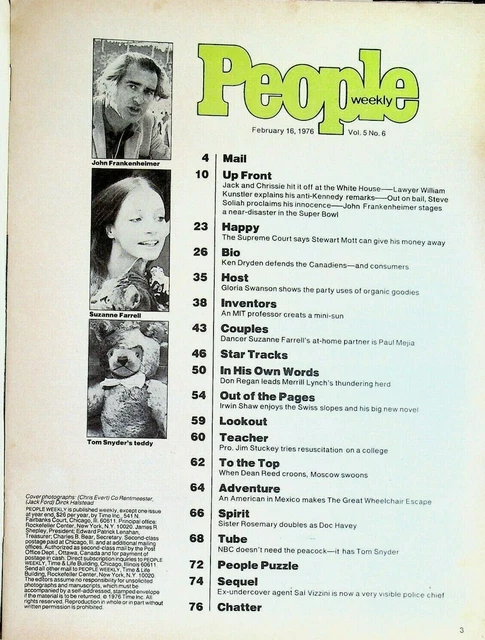
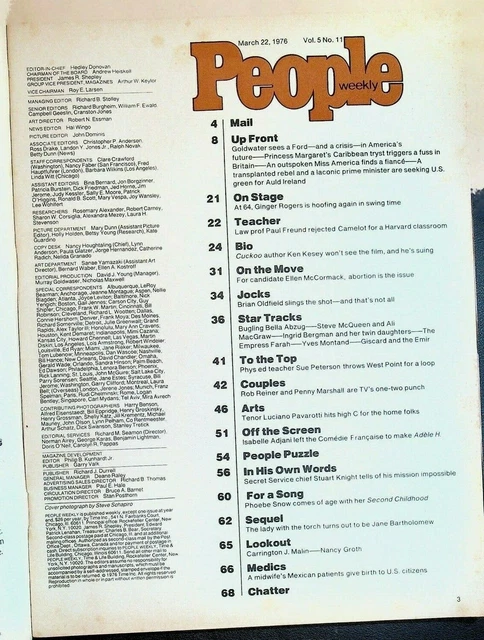
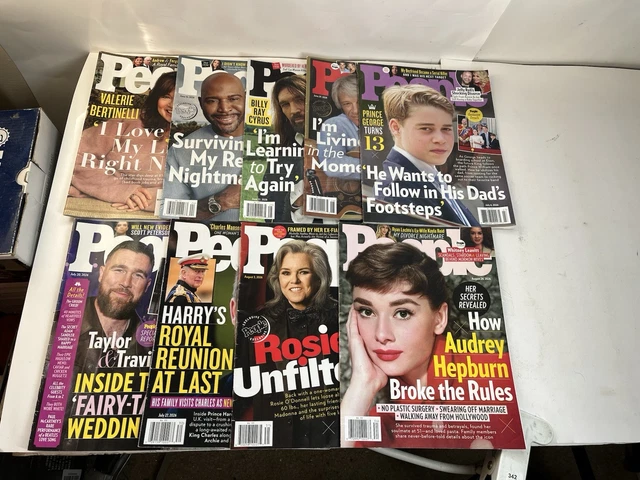
People magazine is a prominent American weekly publication focusing on celebrity news, human-interest stories, and lifestyle features. Published by Dotdash Meredith, it serves millions of readers through print and digital platforms, offering a unique blend of investigative journalism, exclusive interviews, and pop-culture reporting since its founding in 1974.
The history of People magazine is rooted in a distinct editorial vision that shifted the focus of traditional journalism toward individual human experiences and cultural figures. Launched by Time Inc., the publication was designed to fill a gap in the media landscape by spotlighting the personal lives, struggles, and triumphs of notable public figures as well as ordinary people caught in extraordinary circumstances. Over the decades, it has evolved from a print-only weekly newsstand staple into a multimedia juggernaut, adapting to digital consumption while maintaining its core print subscriber base. Understanding how this publication operates, what it covers, and how it has maintained its market position provides valuable insight into the mechanics of modern entertainment journalism.
Origins and Evolution of a Cultural Institution
People magazine was launched on March 4, 1974, by Time Inc., under the leadership of Andrew Heiskell and managing editor Richard Stolley. Stolley famously established the editorial philosophy of the publication, asserting that people are interested in other people. This simple yet revolutionary premise steered the magazine away from dense geopolitical analysis and policy debates toward narrative-driven storytelling centered on human subjects.
In its early years, the publication broke new ground by combining high-end photojournalism with accessible, conversational prose. The format was deliberately designed to be fast-paced and visually engaging, appealing to a broad demographic that wanted an escape from hard news without sacrificing narrative quality. Throughout the late 20th century, the magazine expanded its reach, establishing iconic annual franchises such as the "Sexiest Man Alive," "World's Most Beautiful," and "People of the Year" issues. These special editions became cultural touchstones, generating widespread media attention and cementing the magazine's role as a tastemaker in popular culture.
The transition into the 21st century brought significant digital expansion. As print readership habits shifted toward online platforms, People launched robust digital extensions, including a high-traffic website, mobile applications, and dedicated video channels. Despite corporate restructuring—including Time Inc.'s acquisition by Meredith Corporation in 2018 and subsequent purchase by Dotdash Meredith in 2021—the publication has retained its distinct editorial identity while optimizing its content for search engines, social media algorithms, and digital subscribers.
Core Content Pillars and Editorial Strategy
The editorial ecosystem of People is built upon a dual-track strategy that balances glossy celebrity journalism with deeply moving human-interest reporting. This duality has allowed the magazine to capture a diverse audience range, appealing to readers interested in Hollywood glamour as well as those seeking inspiring stories of everyday resilience.
Celebrity News and Exclusive Interviews
Celebrity journalism forms the commercial backbone of the publication. The magazine has established a reputation for securing authorized, exclusive interviews and photo shoots with top-tier actors, musicians, athletes, and public figures. Unlike tabloid publications that often rely on unverified rumors or invasive paparazzi photography, People typically operates within the bounds of authorized public relations channels, securing cooperation from talent in exchange for controlled exposure.
This access allows the publication to break major news regarding celebrity relationships, career milestones, and personal struggles. Editorial coverage in this segment includes:
- First-Look Features: Exclusive wedding announcements, baby debuts, and family portraits.
- In-Depth Profiles: Long-form narrative pieces exploring the personal histories and artistic motivations of major stars.
- Red Carpet and Fashion Coverage: Curated galleries and commentary on major entertainment events, awards shows, and fashion trends.
Human-Interest Journalism and True Stories
While celebrity features drive immediate newsstand sales and digital traffic, the human-interest section forms the emotional core of the magazine. These stories typically highlight ordinary individuals who have overcome devastating hardships, demonstrated extraordinary heroism, or become central figures in compelling legal or social dramas.
Writers assigned to these pieces often spend weeks conducting interviews with subjects, family members, law enforcement officials, and medical professionals. This rigorous reporting distinguishes the publication from standard internet aggregators, providing a level of depth and empathy that resonates strongly with readers. Topics frequently covered in this category include survival stories, miraculous medical recoveries, acts of community altruism, and profiles of unsung heroes.
Subscription Models, Formats, and Accessibility
To accommodate changing consumer preferences, People is distributed across multiple formats, ranging from traditional print editions to digital subscription tiers. Navigating these options requires understanding the cost structures, delivery methods, and access rights associated with each format.
| Format Type | Delivery Method | Primary Target Audience | Access Scope |
|---|---|---|---|
| Print Weekly | Postal delivery / Newsstand | Traditional readers, collectors | Physical magazine issues only |
| Digital All-Access | Web browser / Mobile app | Digital-first consumers | Unlimited website access, digital replica edition |
| Special Collector's Editions | Single-issue newsstand sales | Fans of specific franchises or stars | Commemorative print or digital specials |
| Audio Editions | Podcast platforms / App integration | Commuters, multitasking listeners | Audio adaptations of select feature articles |
Subscription pricing varies based on promotional offers, duration, and whether the subscriber chooses a print-and-digital bundle or a purely digital plan. Print subscribers receive weekly deliveries, while digital subscribers gain immediate access to paywalled content on the website and mobile applications. Managing a subscription typically involves handling account renewals, address updates, and delivery preferences through customer service portals managed by Dotdash Meredith.
Cultural Impact and Industry Criticism
Throughout its history, People has wielded significant influence over public perception and the entertainment industry. Its endorsement of a celebrity, product, or cause can instantly elevate public awareness. However, this power has also subjected the publication to critical analysis regarding its cozy relationship with Hollywood publicists and its role in shaping modern celebrity culture.
Media analysts often debate the boundary between journalism and public relations within the pages of the magazine. Because the publication relies heavily on access to celebrities for covers and exclusive features, critics note that investigative rigor regarding major stars is sometimes muted in favor of flattering portrayals. Conversely, defenders argue that the magazine provides a necessary, regulated space where public figures can tell their own stories on their own terms, free from the aggressive intrusion of predatory tabloid journalism.
In the realm of human-interest reporting, the publication has been praised for giving a platform to marginalized or overlooked individuals, bringing national attention to local injustices, medical breakthroughs, and community initiatives. By treating everyday people with the same visual and narrative dignity typically reserved for Hollywood elites, the magazine helped democratize long-form feature journalism.
Frequently Asked Questions
How often is People magazine published?
The magazine is published weekly, with 52 standard issues released per calendar year, supplemented by various special collector's editions and themed commemorative issues dedicated to specific topics or annual franchises.
Can I access People articles online for free?
The website offers free access to a portion of its daily news coverage, entertainment updates, and viral stories. However, in-depth long-form features, exclusive interviews, and digital replica editions typically require a paid digital subscription.
How does a celebrity get featured on the cover?
Cover selections are determined by the editorial board based on cultural relevance, major career milestones, exclusive access, and predicted newsstand sales performance. Major life events such as weddings, births, or high-profile comebacks frequently secure cover placement.
Are the human-interest stories in People verified?
Yes. The editorial staff employs a fact-checking process to verify details in human-interest features, coordinating directly with subjects, family members, legal authorities, and official documentation before publication.
How can I cancel or manage my subscription?
Subscriptions can be managed by logging into the customer care portal on the official website or by contacting the Dotdash Meredith subscriber services customer support telephone line directly.
Practical Next Steps
Readers looking to engage with People can choose between purchasing single issues at local newsstands, grocery stores, and bookstores, or establishing a recurring digital or print subscription online. For aspiring writers and journalists, studying the narrative structures of the magazine's human-interest profiles offers valuable lessons in empathy-driven reporting, pacing, and character development in long-form media.