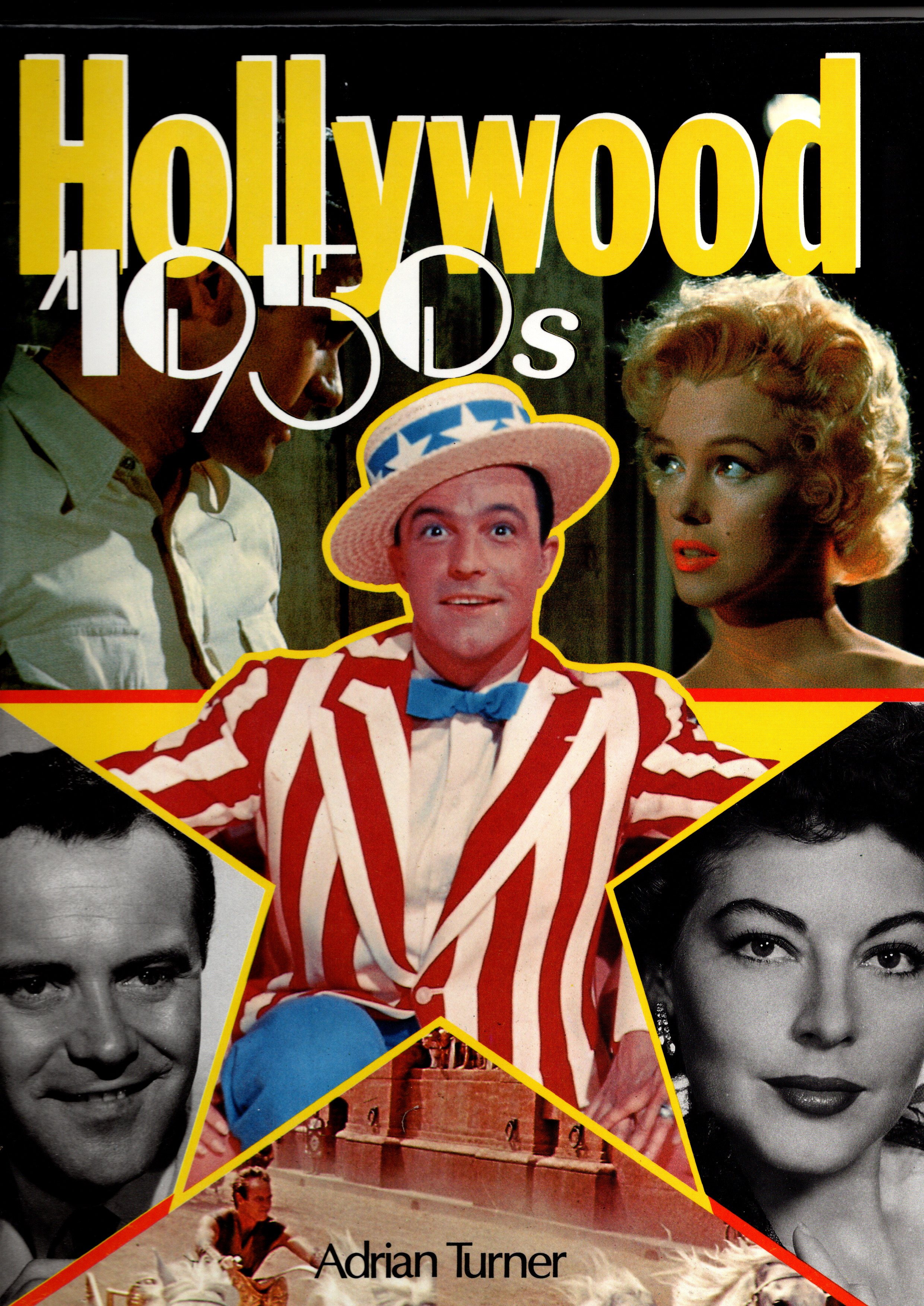
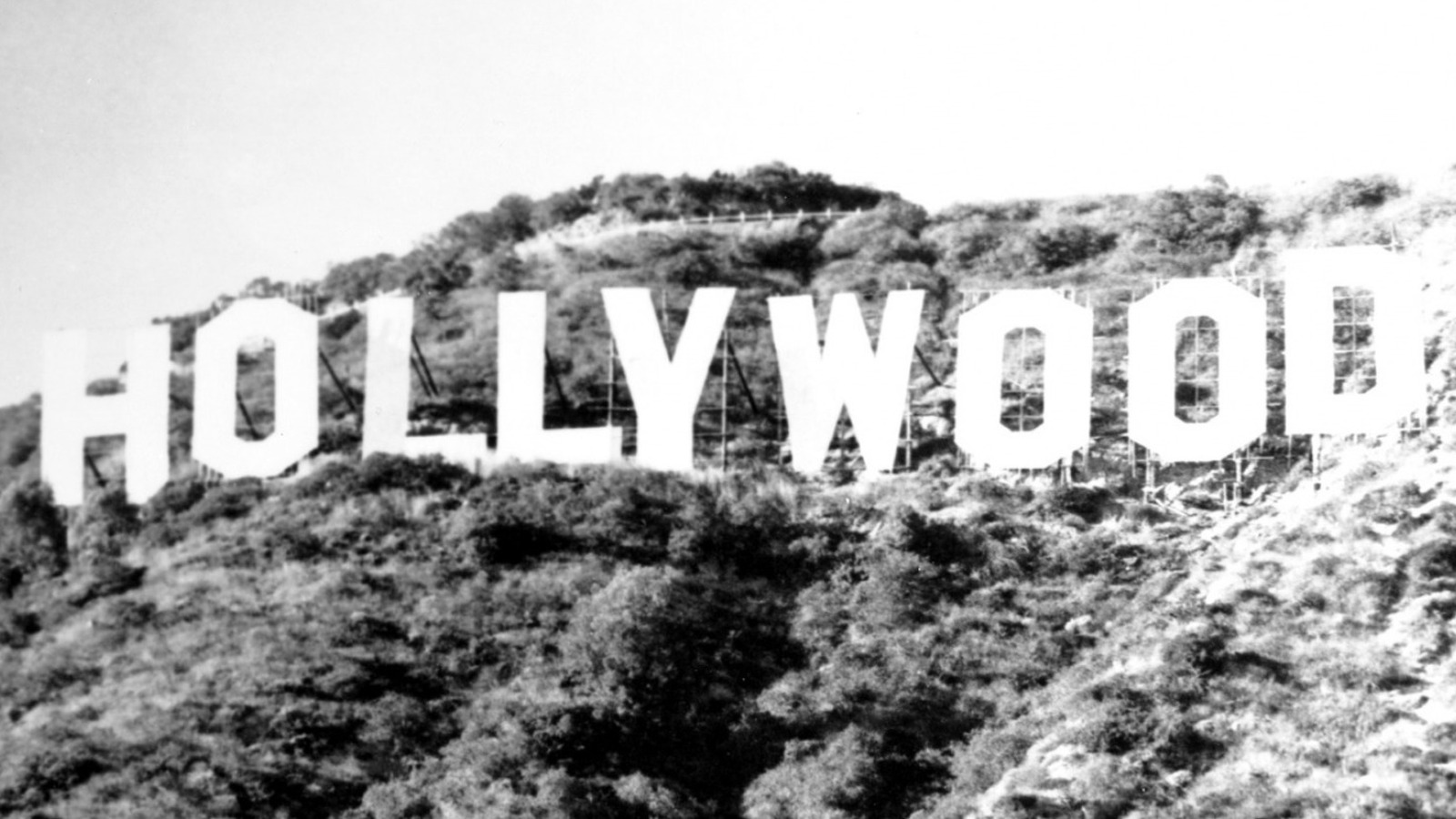
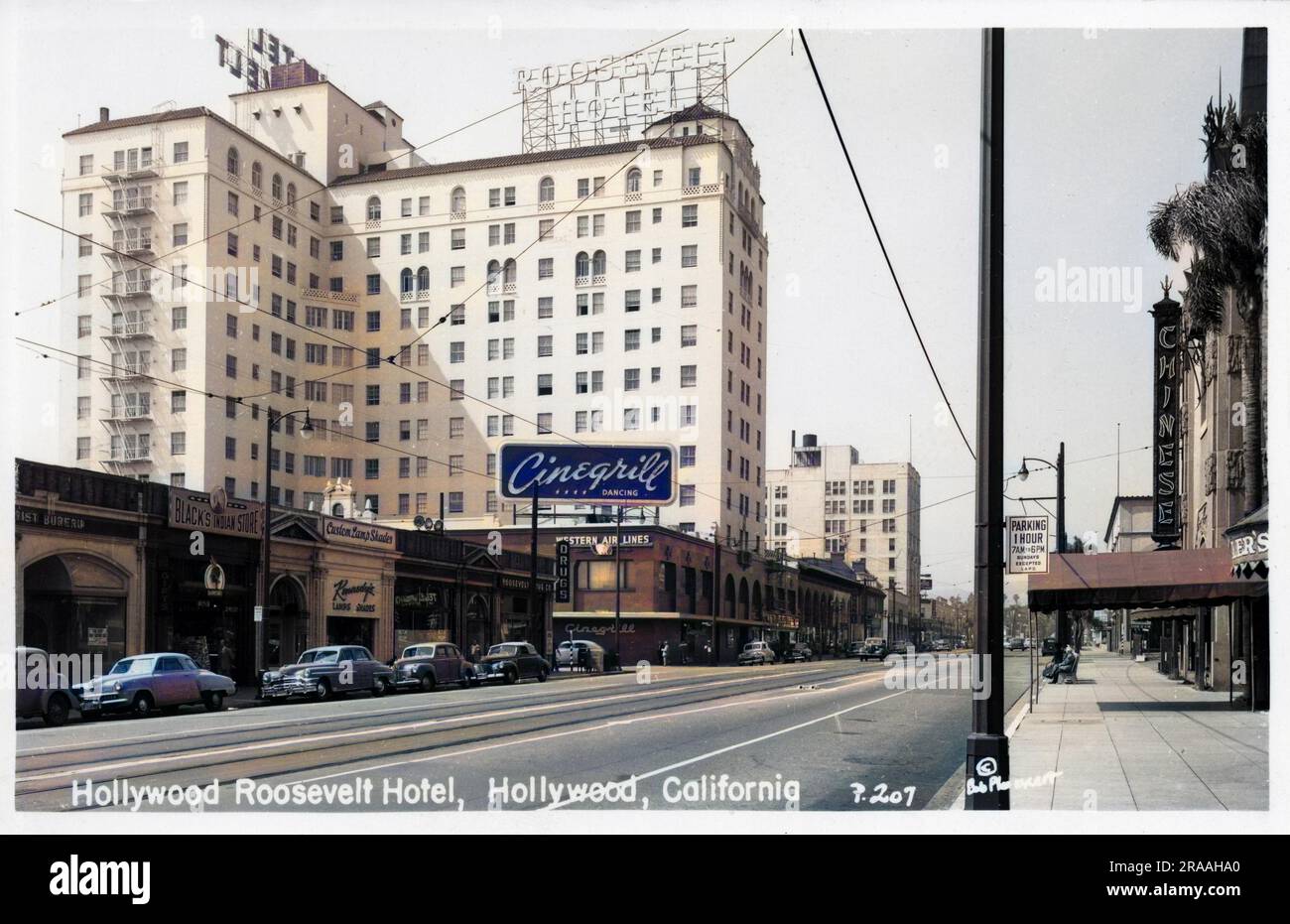
1950s Hollywood was a transformative decade defined by the erosion of the Studio System, the rise of television as a primary competitor, and the adoption of widescreen cinematic technologies. It was a period marked by both unprecedented creative experimentation in film noir and musicals and significant socio-political pressures that reshaped the industry's workforce and creative output.
The Decline of the Studio System and the Paramount Decree
To understand 1950s Hollywood, one must first recognize the legal shift that crippled the industry's traditional power structure. The Supreme Court ruling in United States v. Paramount Pictures, Inc. (1948) forced the major studios to divest themselves of their theater chains. Prior to this, studios operated under "vertical integration," controlling production, distribution, and exhibition.
By the 1950s, the forced separation meant studios could no longer guarantee screen time for their own B-movies or force-feed their rosters of contract players into theaters. This signaled the end of the "factory" model of filmmaking. Independent production companies began to flourish, and talent—stars, directors, and screenwriters—started to seek more autonomy, leading to the rise of the independent production model that dominates the industry today.
Competition with Television: The Battle for Audiences
The most significant technological and sociological challenge for 1950s Hollywood was the rapid proliferation of television. As households across the United States purchased TV sets, cinema attendance plummeted. Studios were forced to innovate to prove that the theater experience was inherently superior to the small, grainy black-and-white images available at home.
This led to the "Gimmick Era" of the 1950s. Studios invested heavily in color processes like Technicolor and Eastmancolor to distinguish films from the grayscale of television. Perhaps more importantly, they introduced widescreen formats such as CinemaScope, VistaVision, and Cinerama. These formats provided an immersive, panoramic visual field that television technology of the time simply could not replicate.
Socio-Political Climate: The Red Scare and the Blacklist
The creative atmosphere of the 1950s was deeply suppressed by the Second Red Scare, spearheaded by the House Un-American Activities Committee (HUAC). The paranoia surrounding Communist influence in the film industry resulted in the infamous Hollywood Blacklist. Hundreds of screenwriters, directors, and actors were denied employment because of alleged political affiliations or their refusal to testify against colleagues.
This period had a profound effect on the content of films produced during the decade. While some filmmakers turned to escapism—such as the lavish MGM musicals or science fiction films reflecting Cold War anxieties—others engaged in subtle, allegorical commentary. The tension of the era often manifested in the cynical, shadow-drenched aesthetics of film noir, which mirrored the era’s pervasive sense of distrust and societal unease.
Technological Shifts and Innovations
Innovation in the 1950s was not merely about screen size. It was a decade of intense technical experimentation as studios attempted to retain market share.
- Widescreen Formats: The introduction of anamorphic lenses allowed for a wider aspect ratio, creating the "epic" feel that became synonymous with the decade's blockbusters.
- Color Advancements: Improvements in film stock allowed for more vibrant, stable color reproduction, moving away from the expensive and bulky three-strip Technicolor process toward more efficient monopack films.
- Sound Engineering: While stereophonic sound was rare, 1950s productions began experimenting with multi-channel audio to accompany the wider frames, heightening the sensory immersion of the theatrical experience.
- The Rise of the Drive-In: As families moved to the suburbs, the drive-in theater became a staple of 1950s cinema culture, offering a social, informal environment that contrasted with the formal downtown cinema palaces.
Comparing Hollywood Eras: 1940s vs. 1950s
The transition from the 1940s to the 1950s marked a pivot from centralized control to a more fragmented, competitive market.
| Feature | 1940s Hollywood | 1950s Hollywood |
|---|---|---|
| Studio Control | High (Vertical Integration) | Decreasing (Divestiture) |
| Primary Rival | Radio and Print Media | Television |
| Dominant Formats | Standard Academy Ratio (1.37:1) | Widescreen (CinemaScope/VistaVision) |
| Talent Contracts | Rigid, long-term studio pacts | Freelance/Independent contracts |
| Visual Style | High-contrast black and white | Increasing use of color (Technicolor) |
The Evolution of Genre
The 1950s saw the maturation and, in some cases, the subversion of classic Hollywood genres.
The Musical
The MGM musical, led by producers like Arthur Freed, reached its zenith in the early 1950s. Films like Singin' in the Rain (1952) utilized the studio’s vast resources to create highly choreographed, escapist spectacles that emphasized the history of the industry itself.
Science Fiction
Cold War anxiety found its voice in science fiction. While 1940s films often dealt with supernatural threats, the 1950s focused on external invasion, radioactive mutations, and the fear of conformist control. Titles like The Day the Earth Stood Still (1951) and Invasion of the Body Snatchers (1956) utilized the genre to explore themes that would have been censored in more "prestige" dramas.
The Western
The Western underwent a transition from the simplistic "cowboys vs. Indians" narratives of the past to the "psychological Western." Directors like John Ford and Anthony Mann began exploring the internal conflicts of their protagonists, resulting in more nuanced, morally ambiguous characters.
The Role of Censorship: The Hays Code
Throughout the 1950s, the Motion Picture Association of America (MPAA) continued to enforce the Production Code, commonly known as the Hays Code. This set of industry moral guidelines restricted depictions of violence, sexual suggestiveness, and crime. However, by the mid-to-late 1950s, the code’s authority was beginning to crumble. The success of independent films that bypassed the code, combined with changing social norms, meant that by the end of the decade, the industry was on the precipice of the more permissive era that would arrive in the 1960s.
FAQ: Understanding 1950s Hollywood
How did the 1950s change the way movies were watched? The 1950s marked the shift from the central, downtown "movie palace" to more suburban-centric exhibition. The rise of the drive-in theater was a direct response to the growth of suburbs, allowing families to attend movies without the need for childcare or formal dress.
Why was the 1950s a difficult time for film writers? The era was defined by the Hollywood Blacklist. Writers suspected of being members of the Communist Party or those who refused to cooperate with HUAC were terminated and often unable to find work under their own names, forcing many to use pseudonyms or leave the industry.
What was the "Paramount Decree" and why does it matter? The Supreme Court ruling in 1948, known as the Paramount Decree, ended the practice of studios owning their own theater chains. This destroyed the monopolistic power studios held over distribution and exhibition, effectively ending the classic Studio System.
How did film studios try to defeat television? Studios focused on what TV could not provide: scale and spectacle. They introduced massive, curved screens, stereophonic sound, and intense color palettes to ensure that the theater experience remained an event that could not be replicated in the living room.
Was the 1950s only about big budget spectacles? While the spectacles get the most attention, the 1950s were also home to the "adult drama" and the rise of the method actor. Performers like Marlon Brando and James Dean brought a raw, internal intensity to acting that departed from the polished, theatrical style of earlier decades.
Practical Guidance for Researching 1950s Cinema
If you are researching this era for academic or professional purposes, it is essential to look beyond the general narratives. Accessing primary sources, such as trade publications like Variety or The Hollywood Reporter from the 1950s, provides insight into the daily concerns of the industry at that time. Additionally, the archives of the Academy of Motion Picture Arts and Sciences contain extensive documentation on the technical specifications of the widescreen formats that define the decade.
When analyzing the films, prioritize viewing them in their intended aspect ratios if possible, as the composition of scenes in a 1950s CinemaScope film is drastically different from a standard 1.37:1 film. Recognizing the limitations placed on filmmakers by both the Hays Code and the Blacklist will help you identify the subtextual themes that define the true nature of 1950s Hollywood.