The year 2012 marked a profound turning point in modern discussions regarding public safety, public health research, and firearm policy, highlighted by several high-profile mass casualty incidents—most notably the Sandy Hook Elementary School shooting in Newtown, Connecticut, and the Aurora, Colorado theater shooting. These events catalyzed intense legislative debates, transformed school security infrastructure, and accelerated nationwide dialogues surrounding mental health access, media consumption, and gun control measures.
Historical Context and Major Incidents of 2012
To understand the broader sociological and political ramifications of the events in 2012, one must first examine the specific incidents that shaped the public discourse. While multiple localized acts of violence occurred throughout the year, two major tragedies disproportionately dominated the national media landscape, permanently altering the tenor of discussions regarding public security.
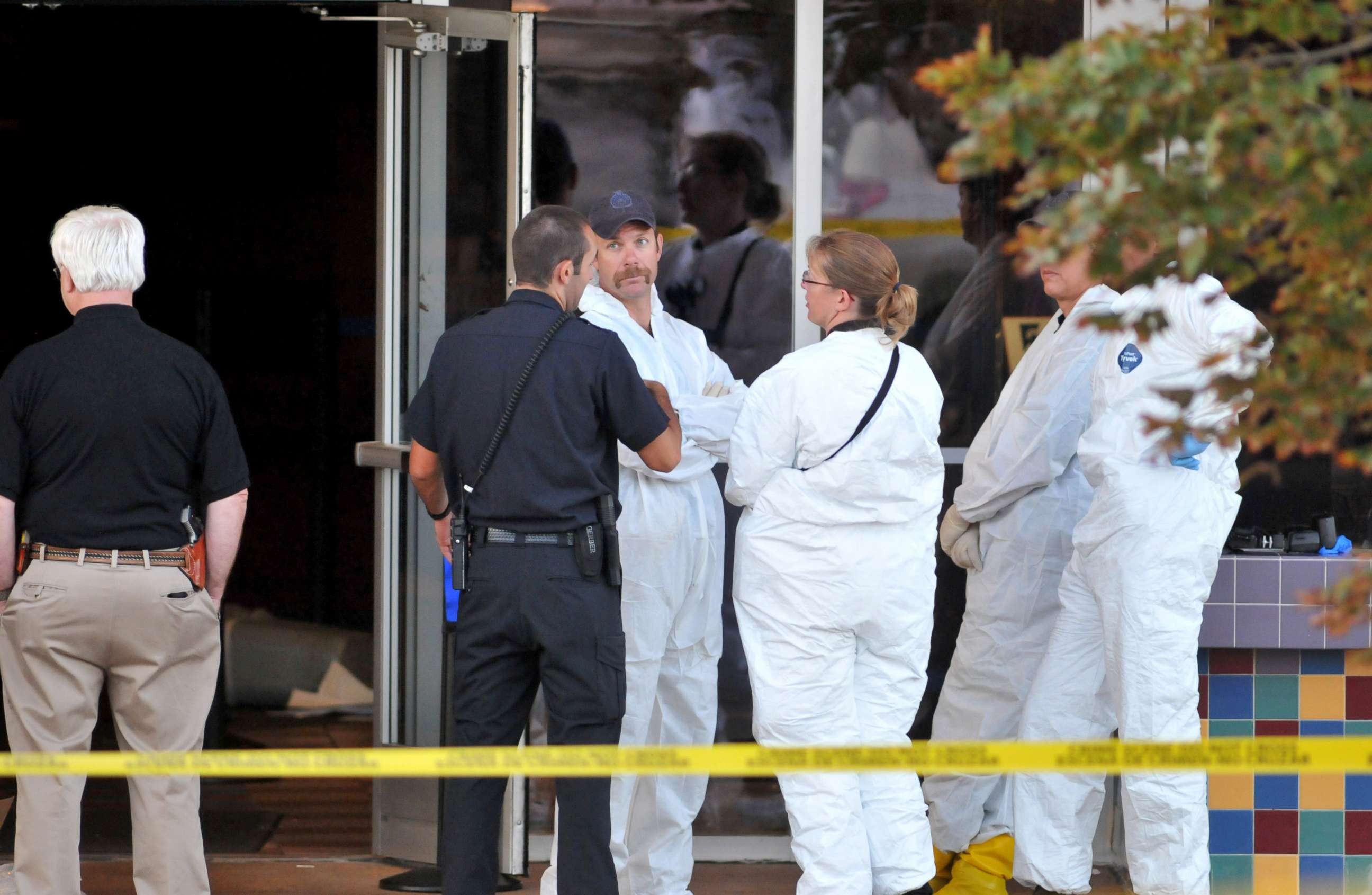
The first major tragedy occurred on July 20, 2012, at a midnight screening of the film The Dark Knight Rises in Aurora, Colorado. A lone gunman entered a Century Aurora 16 cinema, deploying tear gas canisters and opening fire into the audience. The attack resulted in 12 fatalities and injured 70 others, making it one of the deadliest mass shootings in U.S. history at the time. The incident triggered immediate concerns over theater security, emergency exits, and the ease with which the perpetrator had acquired high-capacity magazines and tactical gear.
Five months later, on December 14, 2012, a gunman killed 20 children aged six and seven, alongside six adult staff members, at Sandy Hook Elementary School in Newtown, Connecticut, after having previously murdered his mother at their home. The deliberate targeting of young elementary school students shocked the international community, shifting the focus of the national debate from public venues like cinemas and shopping malls to the perceived sanctuary of primary educational institutions.
Legislative and Policy Responses at Federal and State Levels
The concentration of high-casualty incidents within a single calendar year placed unprecedented pressure on lawmakers at both federal and state levels to enact policy changes. However, the resulting legislative landscape exposed deep partisan divisions that continue to influence American politics.
At the federal level, the Obama administration introduced a series of executive actions and legislative proposals in early 2013, drawing directly from the recommendations of a task force led by then-Vice President Joe Biden. Key federal proposals included:
- Universal background checks for all firearm sales, including private and gun-show transactions.
- A federal ban on certain semi-automatic firearms classified as assault weapons.
- Federal limits on magazine capacities, restricting them to a maximum of ten rounds.
- Increased funding for mental health programs and school resource officers.
Despite intense public mobilization, comprehensive federal legislative packages, such as the Manchin-Toomey amendment regarding expanded background checks, failed to secure the necessary 60 votes in the United States Senate in April 2013.
Conversely, numerous state legislatures took swift, divergent actions. Several states with historically robust gun control frameworks—most notably Connecticut, New York, Colorado, and Maryland—passed restrictive legislation. These state-level laws included expanded definitions of prohibited firearms, bans on large-capacity ammunition magazines, and stricter reporting requirements for individuals undergoing mental health evaluations. In contrast, several other states moved to expand gun rights, such as permitting concealed carry firearms on university campuses or protecting gun owners from certain federal mandates.
Evolution of School Safety and Emergency Preparedness
Following the Sandy Hook Elementary School shooting, educational institutions across the United States underwent a fundamental transformation in how administrators approach campus security and emergency response protocols. Prior to 2012, emergency planning in many school districts primarily focused on natural disasters such as tornadoes, earthquakes, and fires.
In the wake of the 2012 mass shooting, the focus shifted toward active threat mitigation, physical hardening of infrastructure, and behavioral threat assessment models. School districts nationwide adopted comprehensive security frameworks, often categorized into preventative measures and tactical response procedures.
| Security Dimension | Pre-2012 Standard Practice | Post-2012 Evolving Standards |
|---|---|---|
| Physical Access | Open campuses, unlocked visitor doors, reliance on a single main office check-in. | Single-point entry systems, electronic buzz-in doors, visitor management software, and ballistic window film. |
| Drill Protocols | Primarily fire drills and shelter-in-place for weather events. | Implementation of active threat drills (e.g., ALICE training, Run-Hide-Fight methodologies adapted for children). |
| Behavioral Support | Punitive disciplinary frameworks, limited mental health staffing. | Multidisciplinary behavioral threat assessment teams, restorative justice practices, and early intervention protocols. |
| Law Enforcement | Occasional resource officers with varying roles; reactive response models. | Dedicated School Resource Officers (SROs) with specialized tactical and crisis de-escalation training. |
These structural and procedural changes required substantial capital investments from local communities, leading to ongoing debates regarding the balance between creating a secure learning environment and maintaining an open, welcoming educational atmosphere.
Public Health Research and Data Collection Shifts
The 2012 tragedies also cast a sharp spotlight on the intersection of public health and firearm violence. For decades, federal funding for research into gun violence as a public health epidemic had been severely constrained by legislative riders, such as the Dickey Amendment passed in 1996, which prohibited the Centers for Disease Control and Prevention (CDC) from using funds to advocate or promote gun control.
Following the events of 2012, public health organizations, medical associations, and academic researchers intensified calls to treat mass shootings and firearm-related injuries as preventable public health crises rather than exclusively criminal justice problems. Medical professionals argued that tracking epidemiological data, analyzing risk factors, and studying the social contagion aspects of mass violence were vital steps toward prevention.
While federal funding restrictions remained largely intact for many years, private philanthropic foundations and academic institutions began underwriting independent research initiatives. These studies focused increasingly on identifying early behavioral warning signs, the role of social media in radicalization, and the efficacy of extreme risk protection orders (often termed "red flag laws"), which allow courts to temporarily remove firearms from individuals exhibiting dangerous behavior.
Sociological Impact and Media Coverage Ethics
The scale and frequency of mass shootings in 2012 prompted a critical re-examination of media ethics, particularly concerning how news organizations report on perpetrators. Criminologists and media theorists raised concerns about the "contagion effect," wherein sensationalized, round-the-clock coverage featuring the shooter's manifesto, photographs, and personal history might inadvertently incentivize future attackers seeking notoriety.
In response, advocacy groups and journalism associations developed guidelines such as the "No Notoriety" campaign, urging media outlets to minimize the use of the perpetrator's name and image while focusing attention instead on the victims, first responders, and community resilience. This shift in journalistic standards has gradually altered public reporting practices during subsequent mass casualty events, aiming to reduce the risk of copycat incidents.
Frequently Asked Questions
What were the most prominent mass shootings in 2012?
The two most prominent and heavily analyzed incidents of 2012 were the Aurora, Colorado theater shooting on July 20, which resulted in 12 deaths and 70 injuries, and the Sandy Hook Elementary School shooting in Newtown, Connecticut, on December 14, which resulted in the deaths of 20 children and six adults.
What federal policy changes resulted from the events of 2012?
While the Obama administration proposed sweeping federal reforms—including universal background checks, bans on certain semi-automatic firearms, and limits on magazine capacities—comprehensive federal legislation failed to pass Congress due to partisan opposition. However, numerous state legislatures subsequently enacted their own independent firearm regulations and school safety mandates.
How did school safety protocols change after 2012?
Schools significantly shifted their focus from natural disaster preparedness to active threat mitigation. This included hardening physical infrastructure (such as single-point entry systems and electronic buzz-in doors), introducing active shooter response drills, and establishing behavioral threat assessment teams to identify troubled students early.
What is the "contagion effect" in relation to mass shootings?
The contagion effect refers to the phenomenon where extensive, sensationalized media coverage of a mass shooter's identity, grievances, and methods can inspire vulnerable individuals to commit similar acts in pursuit of fame or social recognition, prompting calls for more responsible media reporting standards.
How has public health research regarding gun violence evolved since 2012?
Medical and public health organizations increasingly frame firearm violence and mass shootings as preventable public health issues. Despite historical federal funding restrictions, independent academic researchers and private foundations have prioritized studying behavioral warning signs, social contagion, and preventative legal mechanisms like red flag laws.
Conclusion and Next Actions
The events of 2012 left an indelible mark on the social, political, and institutional fabric of the United States. For researchers, policymakers, and educators, examining this historical period provides critical insight into the ongoing evolution of public safety measures, mental health infrastructure, and legislative advocacy. To stay informed on current safety guidelines, individuals and community leaders should consult resources provided by the federal Cybersecurity and Infrastructure Security Agency (CISA) regarding active shooter preparedness, as well as evidence-based research published by accredited public health institutions.