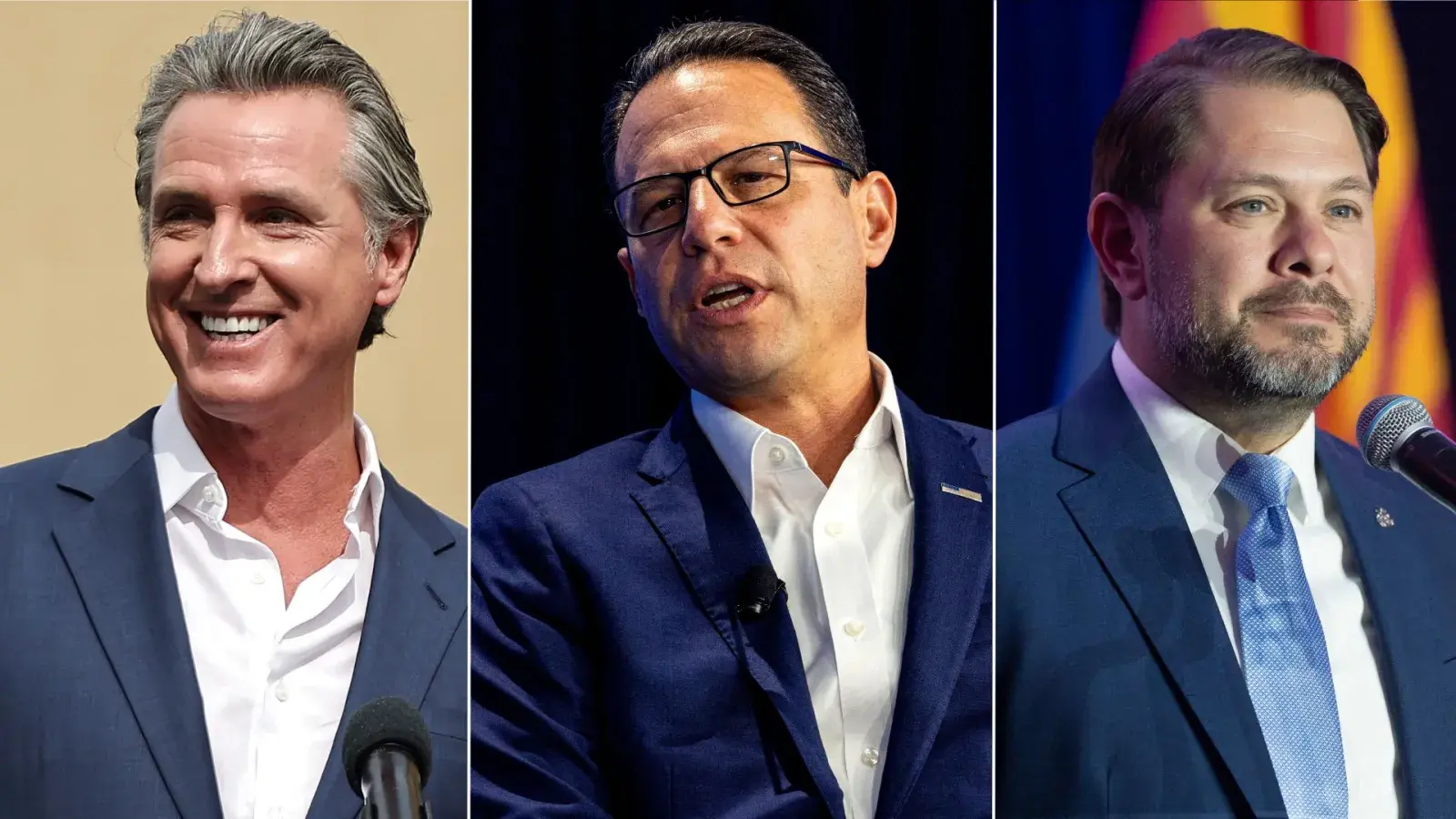
The 2020 Democratic primary featured the largest and most diverse field of candidates in American history, with 29 major individuals vying for the nomination. Ultimately, the contest narrowed to a choice between progressive revolution and moderate pragmatism, culminating in Joe Biden’s victory and his subsequent selection of Kamala Harris as Vice President.
Looking back from 2026, the 2020 Democratic primary remains a landmark case study in political mobilization, ideological friction, and the mechanics of party consolidation. At its peak, the "full potential field" was so crowded that the Democratic National Committee (DNC) had to implement unprecedented debate qualification rules to manage the logistical challenge of hosting over twenty candidates on a single stage. This breakdown analyzes the primary contenders, the strategic tiers of the field, and the pivotal moments that defined the race.
The Tier 1 Frontrunners: Establishing the Ideological Poles
The 2020 field was defined early on by a small group of candidates who commanded high name recognition and significant polling leads. These individuals represented the three major factions of the party: the institutional moderates, the progressive wing, and the generational change advocates.
Joe Biden: The "Return to Normalcy" Candidate
Joe Biden entered the race as the vice president to a popular two-term president, Barack Obama. His campaign was built on the premise of "restoring the soul of the nation" and providing a steady hand to contrast with the volatility of the Trump administration. Despite early losses in Iowa and New Hampshire, Biden’s strength lay in his deep-rooted support among Black voters, particularly in the South, and his appeal to white working-class voters in the Rust Belt. His victory in South Carolina, catalyzed by Representative James Clyburn’s endorsement, proved to be the decisive moment of the entire primary.
Bernie Sanders: The Democratic Socialist Surge
Senator Bernie Sanders of Vermont reprised his role as the leader of the progressive movement. His 2020 campaign was even more organized than his 2016 run, focusing on "Medicare for All," a Green New Deal, and student debt cancellation. Sanders’ ability to raise massive amounts of small-dollar donations through a grassroots digital infrastructure allowed him to outlast almost every other candidate. He won the popular vote in the first three contests, leading many to believe he was the inevitable nominee before the moderate wing consolidated.
Elizabeth Warren: "I Have a Plan for That"
Senator Elizabeth Warren of Massachusetts positioned herself as the policy intellectual of the field. Her campaign slogan, "I have a plan for that," reflected a technocratic approach to progressive reform. She sought to bridge the gap between the Sanders wing and the more traditional liberal base. While she surged in the fall of 2019, reaching frontrunner status in some polls, she struggled to maintain momentum as the race became a binary choice between Biden and Sanders.
Pete Buttigieg: The Generational Breakout
The mayor of South Bend, Indiana, Pete Buttigieg, rose from near-total anonymity to winning the Iowa Caucuses. His campaign emphasized his youth, military service, and "Midwestern values." Buttigieg’s success represented a desire among some voters for a fresh face who could articulate moderate policies in a more modern, articulate framework. However, his inability to gain significant traction with voters of color ultimately limited his path to the nomination.
The Strategic Middle: Niche Candidates and Power Brokers
Beyond the top four, several candidates exerted significant influence on the debate and the eventual platform of the party, even if their path to the presidency was more narrow.
Kamala Harris: The Prosecutor for the People
Senator Kamala Harris entered the race with high expectations, launching her campaign before 20,000 people in Oakland. Her debate performance where she confronted Joe Biden on his history with busing was a viral moment, but her campaign struggled with a clear message and internal organizational issues. Although she withdrew before the Iowa caucuses, her presence in the field and her background as a prosecutor made her the natural choice for the vice presidency later in the cycle.
Michael Bloomberg: The Self-Funded Experiment
Former New York City Mayor Michael Bloomberg bypassed the early states entirely, betting on a "Super Tuesday" strategy fueled by hundreds of millions of dollars of his own wealth. His entry into the race was driven by a fear that Biden was too weak to beat Sanders. While he gained some polling momentum, a disastrous first debate performance in Las Vegas stalled his campaign, proving that even unlimited funding could not bypass the need for traditional political vetting.
Amy Klobuchar: The Moderate Alternative
Senator Amy Klobuchar of Minnesota ran on a platform of "heartland pragmatism." She positioned herself as a candidate who could win back "Blue Wall" states like Wisconsin, Michigan, and Pennsylvania. Her strong third-place finish in New Hampshire kept her campaign alive through February, but like Buttigieg, she withdrew and endorsed Biden just before Super Tuesday to prevent a Sanders victory.
Comparing the Top Contenders of the 2020 Field
The following table outlines the key metrics of the most influential candidates in the 2020 field during their peak periods of the primary.
| Candidate | Primary Ideology | Key Policy Platform | Best Early State Result | Status Post-2020 (as of 2026) |
|---|---|---|---|---|
| Joe Biden | Moderate | Public Option Healthcare | 1st (South Carolina) | Former President |
| Bernie Sanders | Progressive | Medicare for All | 1st (NH/Nevada) | U.S. Senator |
| Elizabeth Warren | Progressive | Wealth Tax | 3rd (Iowa) | U.S. Senator |
| Pete Buttigieg | Moderate | National Service | 1st (Iowa) | Cabinet Secretary |
| Kamala Harris | Liberal | Criminal Justice Reform | N/A (Withdrew early) | Former Vice President |
| Amy Klobuchar | Moderate | Infrastructure/Agri | 3rd (NH) | U.S. Senator |
| Michael Bloomberg | Moderate | Climate Change | N/A (Super Tuesday) | Philanthropist |
| Andrew Yang | Independent/Lib | Universal Basic Income | 6th (Iowa) | Third-Party Founder |
The Role of "Outsider" Candidates and New Ideas
One of the most notable aspects of the 2020 Democratic field was the inclusion of non-traditional candidates who shifted the national conversation.
Andrew Yang was perhaps the most successful outsider, building a loyal "Yang Gang" following. His central proposal, the Freedom Dividend (a $1,000/month Universal Basic Income), moved from a fringe idea to a serious policy discussion point. Yang’s focus on automation and the changing economy resonated with younger, tech-savvy voters and provided a unique data-driven perspective that was absent from other campaigns.
Tom Steyer, another billionaire in the race, focused almost exclusively on the climate crisis and the need for impeachment. While he did not win any states, his presence ensured that environmental policy remained a top-tier issue during the debates.
Tulsi Gabbard, the congresswoman from Hawaii, represented a staunchly anti-interventionist foreign policy. Her presence in the debates often led to direct confrontations with the party establishment, particularly on the issues of "forever wars" and the influence of the military-industrial complex.
The DNC Debate Qualification Rules and Field Management
To manage a field of nearly 30 candidates, the Democratic National Committee established strict criteria for debate participation. Candidates had to meet both polling thresholds (reaching 1% or higher in multiple surveys) and donor thresholds (receiving contributions from at least 65,000 unique donors).
These rules had a profound impact on the race:
- Early Attrition: Candidates like Kirsten Gillibrand and Jay Inslee were forced out early when they could not sustain the donor numbers required to stay on the debate stage.
- Viral Moments: The need to stand out among ten people on stage led to aggressive tactics, such as Kamala Harris's "That little girl was me" moment or Elizabeth Warren's systematic dismantling of Michael Bloomberg's record.
- Digital Fundraising: The donor requirement accelerated the shift toward digital, small-dollar fundraising, making platforms like ActBlue central to the primary's logistics.
South Carolina and the Consolidation of the Moderate Wing
The turning point of the 2020 primary occurred between the Nevada Caucuses and Super Tuesday. After Bernie Sanders won a decisive victory in Nevada, the moderate wing of the party faced an existential crisis. If the moderate vote remained split between Biden, Buttigieg, and Klobuchar, Sanders was projected to take an insurmountable lead on Super Tuesday.
The sequence of events that followed is one of the most efficient consolidations in American political history:
- February 29: Biden wins South Carolina by nearly 30 points.
- March 1: Pete Buttigieg suspends his campaign.
- March 2: Amy Klobuchar suspends her campaign.
- March 2: Both Buttigieg and Klobuchar endorse Biden at a rally in Dallas.
- March 3 (Super Tuesday): Biden wins 10 out of 14 states, effectively ending Sanders' momentum.
This consolidation was driven by a shared "electability" argument—the belief that a moderate candidate was better positioned to defeat Donald Trump in the general election than a democratic socialist.
The 2026 Perspective: Long-term Impacts of the 2020 Field
From the vantage point of 2026, the 2020 Democratic primary served as a talent pipeline for the next generation of Democratic leadership.
- Administrative Appointments: Many former rivals were folded into the executive branch. Pete Buttigieg (Transportation) and Marty Walsh (Labor) are prime examples of how the primary field transitioned into the governing body.
- Policy Shifts: Ideas that were considered radical in 2020, such as aggressive student loan forgiveness and significant green energy investment (via the Inflation Reduction Act), became core components of the party’s governing record.
- The Demise of the Iowa Caucus: The technical failures of the 2020 Iowa Caucus app led to the DNC officially removing Iowa from its "First in the Nation" slot, a move that permanently altered the primary calendar for the 2024 and 2028 cycles.
Frequently Asked Questions
How many candidates actually ran in the 2020 Democratic primary?
There were 29 major candidates who officially filed and campaigned for the nomination. This was the largest field for any political party in U.S. history. The field included senators, governors, mayors, and business leaders, reflecting the broad range of interests within the Democratic coalition at the time.
Why did Joe Biden win after losing the first three states?
Biden’s strategy was always focused on the "Firewall" of South Carolina. He understood that the early states (Iowa and New Hampshire) were not demographically representative of the Democratic base. Once he demonstrated he could win overwhelmingly with Black voters in South Carolina, the party’s moderate wing consolidated around him to prevent Bernie Sanders from winning a plurality of delegates.
What happened to the "Medicare for All" debate?
During the 2020 primary, "Medicare for All" was the central litmus test for progressives. While the eventual nominee, Joe Biden, favored a "Public Option" (building on the Affordable Care Act), the intensity of the debate forced the entire field to move further left on healthcare coverage and affordability. Most of the 2020 progressive goals were later incorporated into the party's platform, even if the specific "single-payer" mechanism was not adopted.
Who was the youngest candidate in the 2020 field?
Pete Buttigieg was the youngest candidate, entering the race at age 37. His youth was a core part of his "generational change" message. Conversely, the field also featured some of the oldest candidates in history, including Bernie Sanders and Joe Biden, both of whom were in their late 70s during the primary.
Was the 2020 primary impacted by the COVID-19 pandemic?
Yes, significantly. The pandemic hit just as the race was narrowing to Biden and Sanders. It led to the cancellation of in-person rallies, the postponement of several state primaries, and the eventual shift to a mostly virtual Democratic National Convention. The pandemic also highlighted the candidates' differing views on public health and economic relief.
Final Analysis and Next Steps
The 2020 Democratic primary was more than just a contest for a nomination; it was a debate over the future identity of the Democratic Party. While the "full potential field" was massive, the primary eventually resolved into a traditional coalition-building exercise. For those interested in the evolution of American politics, studying the 2020 field provides essential context for the current political landscape of 2026.
To further understand the data behind these results, researchers should consult the Federal Election Commission (FEC) for campaign finance records or the Pew Research Center for demographic analysis of the 2020 electorate. Understanding the shifts in voter behavior during this period is crucial for predicting the outcomes of future midterms and presidential cycles.