Televisions released in 2020 represent a significant turning point in home entertainment history, primarily due to the introduction of HDMI 2.1 and the hardware requirements for ninth-generation gaming consoles. In 2026, these sets remain highly relevant in the secondary market and in many living rooms, offering robust 4K performance and advanced HDR capabilities that rival some entry-level models produced today.
The Technological Significance of the 2020 Television Cycle
The year 2020 was a landmark for the display industry. It was the first year that manufacturers shifted focus from mere resolution increases (like the early push for 8K) to the quality of the pixel and the speed of data transmission. This era saw the "mainstreaming" of technologies that were previously reserved for experimental prototypes, specifically Variable Refresh Rate (VRR) and Auto Low Latency Mode (ALLM).
For consumers in 2026, a 2020 TV is often the most cost-effective way to secure a high-performance panel for gaming or cinema. Because these devices were built to accommodate the PlayStation 5 and Xbox Series X at their launch, they possess the necessary bandwidth—up to 40Gbps or 48Gbps on specific HDMI ports—to handle 4K resolution at 120 frames per second (fps).
Understanding the distinction between 2020 flagship models and their mid-range counterparts is essential. While high-end OLEDs and QLEDs from this period have aged gracefully, lower-tier models often lacked the processing power and port standards that allow them to remain competitive six years later.
Notable 2020 TV Models and Their 2026 Standing
Several specific series from 2020 have attained "legendary" status in the enthusiast community due to their build quality and panel longevity. When evaluating a 2020 TV today, these models are the primary benchmarks.
LG CX OLED Series
The LG CX is widely considered one of the best OLED televisions ever produced. It utilized the Alpha 9 Gen 3 AI Processor and featured four full-bandwidth HDMI 2.1 ports. In 2026, the CX remains a favorite for dark-room viewing. Its "infinite" contrast ratio—a result of self-emissive pixels—ensures that black levels remain perfect. However, as an OLED from 2020, potential buyers must be wary of cumulative "burn-in" or permanent image retention, especially if the unit was used for 24-hour news cycles or static-interface gaming.
Samsung Q90T and Q80T QLED
Samsung’s 2020 QLED lineup focused on high peak brightness and "Ultra Viewing Angle" technology. The Q90T was the flagship 4K model, utilizing a Full Array Local Dimming (FALD) system. Unlike OLEDs, these sets are immune to burn-in, making them a safer bet on the used market in 2026. They are particularly well-suited for bright living rooms where sunlight might wash out a dimmer OLED panel.
Sony X900H (XH90)
Sony marketed the X900H as "Ready for PlayStation 5." It was one of the first Sony sets to support 4K/120Hz via a firmware update. While it had fewer local dimming zones than the flagship X950H, its inclusion of HDMI 2.1 features made it more future-proof for gamers. In 2026, this model is a common find in the mid-range refurbished market, valued for its natural color accuracy and Sony’s renowned motion handling.
Key Technical Specifications: 2020 Flagships Comparison
To understand how these devices compare in the current 2026 landscape, we must look at the hardware specifications that dictate their performance limits.
| Feature | LG CX (OLED) | Samsung Q90T (QLED) | Sony X900H (LED) |
|---|---|---|---|
| Panel Type | OLED (Self-emissive) | VA with Quantum Dots | VA with FALD |
| HDMI 2.1 Ports | 4 Ports (40Gbps) | 1 Port (Port 4) | 2 Ports (Ports 3 & 4) |
| Peak Brightness | ~750-800 nits | ~1,400-1,500 nits | ~600-700 nits |
| HDR Formats | HDR10, HLG, Dolby Vision | HDR10, HLG, HDR10+ | HDR10, HLG, Dolby Vision |
| Gaming Support | G-Sync, FreeSync, VRR | FreeSync Premium, VRR | VRR (via Update) |
| Smart Platform | webOS 5.0 | Tizen 5.5 | Android TV / Google TV |
Performance in 2026: Evaluating Longevity
When operating a six-year-old television, performance is no longer just about the spec sheet; it is about how the hardware has survived the half-decade mark.
Software and App Ecosystem
By 2026, many proprietary smart TV platforms from 2020 have entered "maintenance mode." While major apps like Netflix, YouTube, and Disney+ usually still receive updates, the interface may feel sluggish compared to modern 2026 processors.
- LG webOS 5.0: Remains stable but lacks the "Matter" smart home integration found in newer versions.
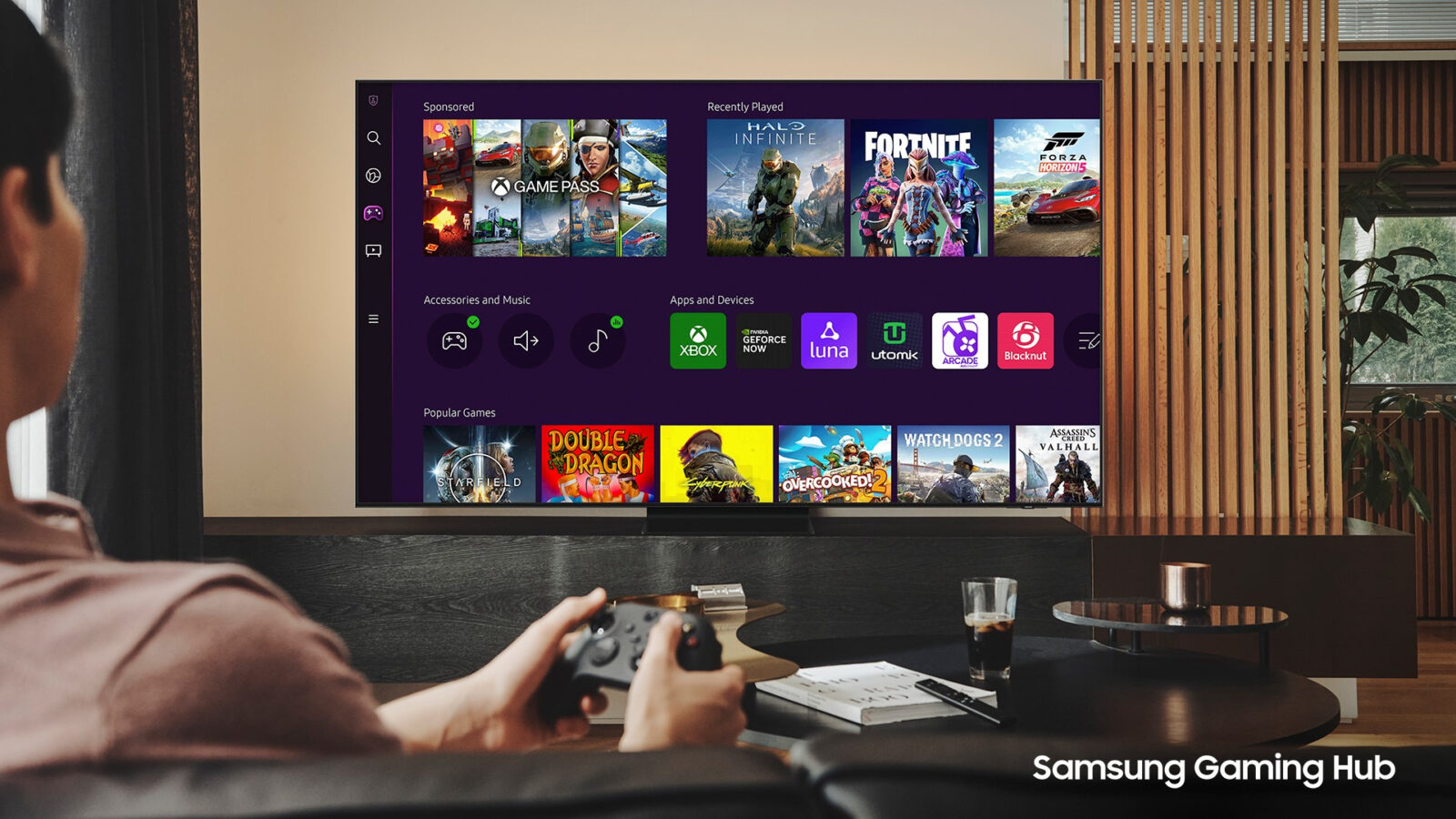
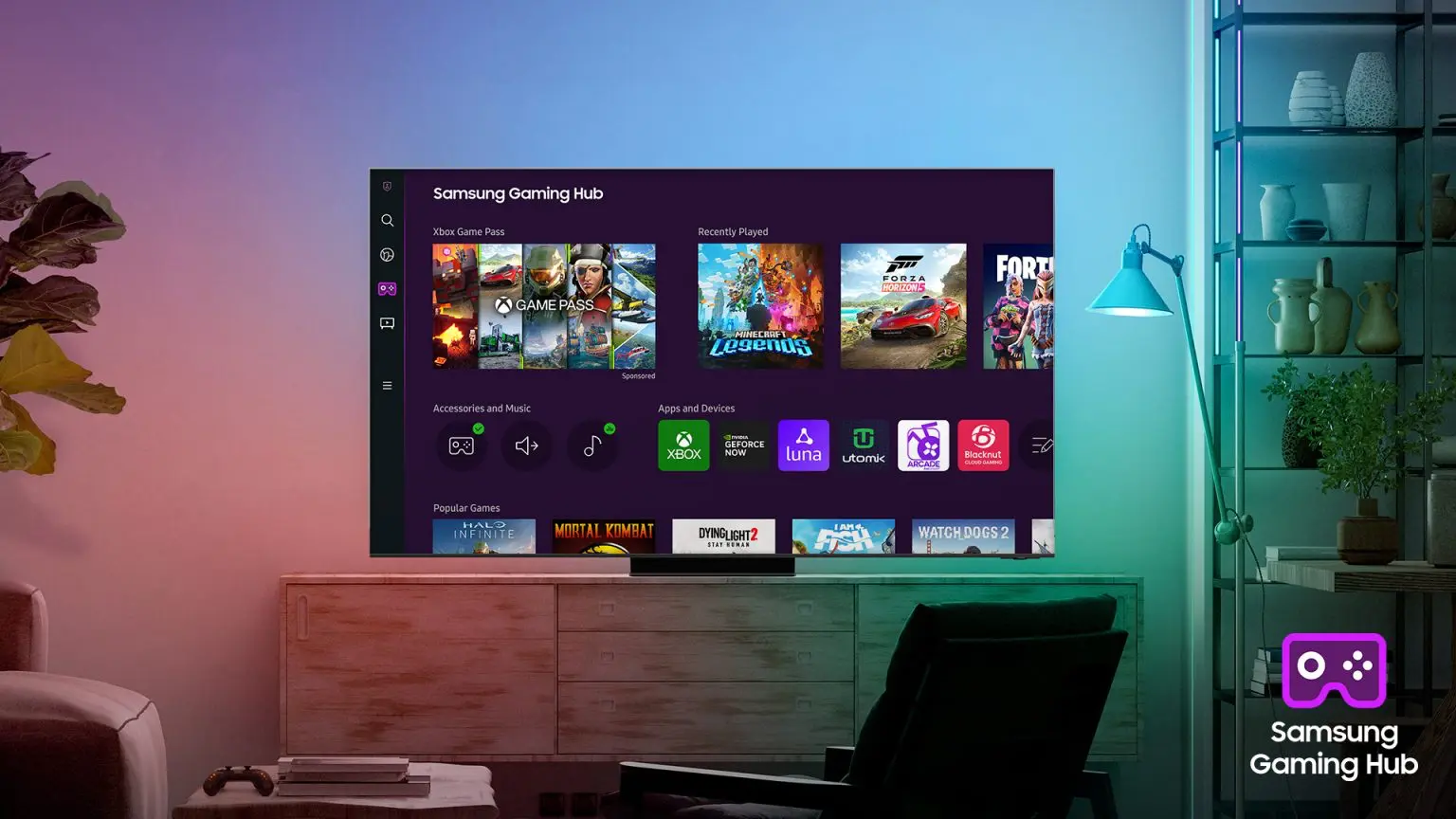
- Samsung Tizen: The 2020 version does not feature the refreshed Gaming Hub found in 2022+ models.
- Sony Android TV: Most X900H units were eligible for the Google TV interface update, giving them the most "modern" feel of the 2020 era.
Pro Tip: If the built-in smart features feel slow, bypass them entirely by using a dedicated 4K streaming stick or box. This offloads the processing work and provides a snappier user experience.
Panel Degradation and Backlight Health
For LED-LCD TVs (like Samsung and Sony), the primary concern in 2026 is "backlight bleed" or the failure of individual LED zones. If you notice bright spots in dark scenes or a blueish tint across the screen, the LED phosphors may be degrading. For OLEDs, the concern is brightness uniformity. After 15,000+ hours of use, an OLED may lose some of its peak luminance.
Buying a Used 2020 TV: The Inspection Checklist
If you are sourcing a 2020 model from a secondary marketplace, a rigorous inspection is required. These devices are past their manufacturer warranty periods, meaning any defect discovered later will be an out-of-pocket expense.
- Check the Total Power-On Time: Most 2020 TVs have a "Service Menu" or "About This TV" section that lists total hours used. An average user accumulates about 2,000 hours per year. A unit with over 12,000 hours is approaching its mid-life stage.
- Run a "Grey Slide" Test: Use a YouTube video of a solid 5% or 10% grey screen. This reveals "dirty screen effect" (DSE) on LEDs or "banding" and "burn-in" on OLEDs.
- Verify HDMI 2.1 Functionality: Bring a modern console or a laptop with HDMI 2.1 to ensure the specific high-bandwidth ports haven't been damaged by cable strain or electrical surges.
- Inspect the Physical Panel Coating: Many 2020 flagships used aggressive anti-reflective coatings. Check for "staining" or peeling, which often occurs if the previous owner used harsh chemical cleaners like Windex instead of a dry microfiber cloth.
Maintenance and Optimization for 2026
To extend the life of a 2020 TV into the late 2020s, certain operational adjustments are recommended.
Heat Management
Heat is the primary enemy of television electronics. Ensure the TV has at least 4 inches of clearance from the wall if it is a high-performance model. 2020-era processors ran significantly hotter than today's more efficient chips. Dusting the rear vents with compressed air can prevent thermal throttling, which causes the UI to lag.
Energy Saving and Brightness
Reducing the "OLED Light" or "Backlight" setting by even 10% can significantly extend the lifespan of the display components. In 2026, where energy costs and sustainability are higher priorities, using the "Ambient Light Sensor" (often called ECO mode) helps the TV adjust to room conditions, preventing the LEDs from running at 100% brightness unnecessarily.
External Audio Integration
While 2020 TVs had decent speakers for their time, the capacitors in small internal amplifiers can age. Furthermore, 2020 was a year where eARC (Enhanced Audio Return Channel) became standard. Using the eARC port to connect to a modern 2026 soundbar allows the TV to pass through high-quality formats like Dolby Atmos and DTS:X, effectively modernizing the audio experience without needing to replace the screen.
Troubleshooting Common Issues in 2020 Models
As these units age, specific known issues have become documented in the tech community.
- WiFi Connectivity Drops: Many 2020 Sony and LG models suffer from failing internal WiFi modules. If the TV frequently loses connection, the most reliable fix is to use the Ethernet port or an external streaming device.
- Boot Loops: If a 2020 Samsung TV fails to turn on and the red standby light flashes, it often indicates a failure in the power supply board. These are modular and can often be replaced by a technician for a fraction of the cost of a new TV.
- Vertical Lines: A single pixel-wide vertical line usually indicates a failure of the "gate driver" on the panel itself. This is generally considered a terminal defect, as the cost of a replacement panel exceeds the value of the TV.
Frequently Asked Questions
Does a 2020 TV support 4K/120Hz gaming in 2026?
Yes, provided it is a mid-to-high-end model equipped with HDMI 2.1. Models like the LG CX, Samsung Q80T and above, and the Sony X900H fully support 4K at 120Hz. However, entry-level 2020 models (like the LG UN series or Samsung TU series) are limited to 4K at 60Hz.
Can I get Dolby Vision on a 2020 Samsung TV?
No. Samsung has historically stayed away from Dolby Vision in favor of their own dynamic metadata format, HDR10+. This remains true for 2020 models. If Dolby Vision is a requirement for your 2026 viewing habits, you should look toward 2020 models from LG, Sony, or Vizio.
Is it worth repairing a 2020 TV in 2026?
It depends on the component. Replacing a power board or a T-CON board (which handles the image signal) usually costs between $100 and $200 and is worth it for a flagship 2020 set. However, replacing the actual glass panel is almost never cost-effective in 2026, as you could buy a newer, more efficient model for the same price.
Will 2020 TVs work with 2026 smart home standards?
Most 2020 TVs support Amazon Alexa and Google Assistant. However, they may not natively support "Matter," the unified smart home standard that became dominant by 2024. To integrate a 2020 TV into a Matter-based household in 2026, you will likely need a compatible hub or a modern streaming device that acts as a bridge.
How does the HDR performance of a 2020 TV compare to 2026 models?
High-end 2020 TVs still offer excellent HDR. While 2026 "Micro-LED" or "QD-OLED" sets can reach much higher peak brightness (2,000+ nits), the 700-1,500 nits provided by 2020 flagships is still more than enough for a high-quality HDR10 or Dolby Vision experience.
Final Recommendation
In 2026, a 2020 TV remains a viable and often superior alternative to modern "budget" televisions. A flagship 2020 OLED or QLED will typically outperform a brand-new 2026 entry-level set in terms of contrast, motion handling, and color depth.
If you are buying used, prioritize the LG CX for cinema or the Samsung Q90T for bright-room gaming. Ensure you verify the power-on hours and perform a panel uniformity test. For existing owners, the best way to "refresh" your 2020 TV is to add a modern external 4K streamer and a soundbar, allowing the excellent 2020 panel to handle the visuals while modern hardware manages the software and audio.