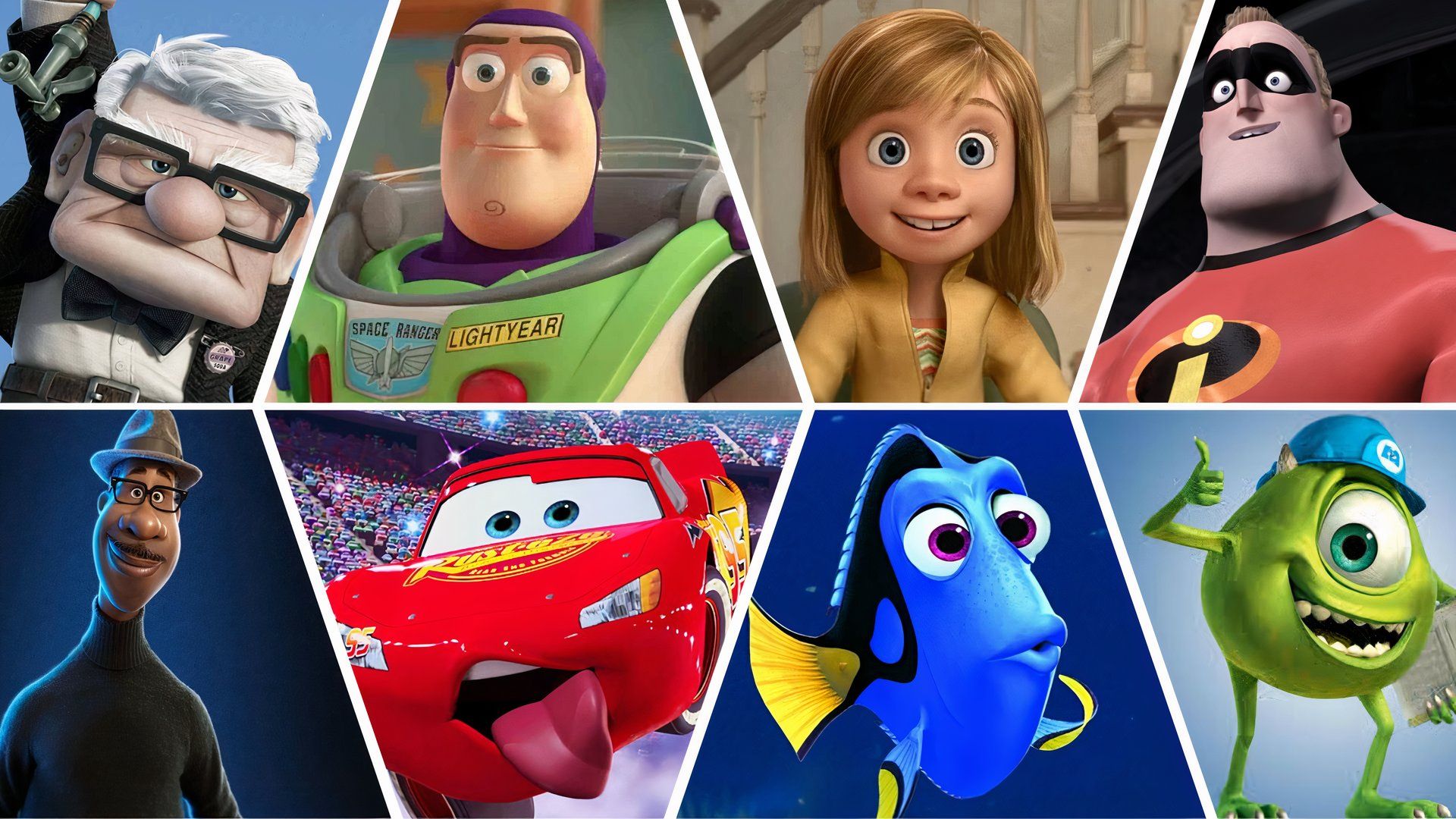
In 2020, Pixar Animation Studios released two seminal feature films, Onward and Soul, which defined the animation landscape during a period of unprecedented global change. These films stood out as the best animated offerings of the year by balancing high-concept fantasy and existential philosophy with the studio's signature emotional depth and technical innovation.
The year 2020 remains a pivotal moment in the history of Pixar Animation Studios. For the first time since 2017, the studio released two original feature-length films in a single calendar year, breaking away from its previous reliance on sequels. This strategic shift occurred just as the global pandemic fundamentally altered the film industry's distribution models. While Onward experienced a truncated theatrical run, Soul became a flagship title for the then-nascent Disney+ streaming service. As we look back from 2026, these two films represent a "second golden age" of original storytelling for the studio, pushing the boundaries of what animated cinema can achieve both visually and narratively.
The Dual-Release Strategy of 2020
The decision to release two original films in 2020—Onward in the spring and Soul in the winter—was a bold move by Pixar under the leadership of Pete Docter, who had recently stepped into the role of Chief Creative Officer. Prior to 2020, Pixar had only released two films in the same year twice: in 2015 (Inside Out and The Good Dinosaur) and 2017 (Cars 3 and Coco).
The 2020 slate was intended to signal a return to "originality-first" production. However, the external circumstances of the year forced Pixar to become the industry's guinea pig for digital distribution. Onward hit theaters on March 6, 2020, just days before global lockdowns began. Its rapid transition to digital purchase and eventually Disney+ set a precedent for how studios would handle high-budget releases in a post-theatrical world. Soul, originally slated for a traditional June release, was delayed and eventually moved to a Christmas Day release on Disney+ at no extra cost to subscribers. This move was instrumental in solidifying Disney+ as a major competitor in the streaming wars, a legacy that continues to influence distribution strategies in 2026.
Onward: A Modern Suburban Fantasy
Released in the early weeks of March 2020, Onward introduced audiences to a world where magic once existed but was eventually replaced by modern technology because technology was simply easier to use. This "suburban fantasy" setting provided a unique backdrop for a deeply personal story.
Plot and Narrative Structure
Directed by Dan Scanlon, Onward follows two elf brothers, Ian and Barley Lightfoot (voiced by Tom Holland and Chris Pratt), who receive a wizard's staff as a prearranged gift from their deceased father. The staff contains a spell that can bring their father back to life for exactly 24 hours. When the spell goes wrong, leaving only their father’s legs visible, the brothers embark on a "grand and glorious quest" to find a Phoenix Gem to complete the restoration.
The narrative is structured as a classic road movie, but it subverts tropes at every turn. While Barley is an enthusiast of "historical" magic and role-playing games, Ian is a shy teenager looking for self-discovery. The film's emotional core isn't the reunion with the father, but the realization of the surrogate father figure that has been present all along.
Technical and Artistic Achievements
Visually, Onward required the Pixar team to blend high-fantasy elements—dragons, manticores, and sprites—with the mundane aesthetics of 21st-century suburbia. This created a specific challenge: making a fantasy world feel "lived-in" and slightly decaying.
- The Van (Guinevere): The detail put into Barley’s van, Guinevere, serves as a character in itself. The hand-painted mural and the "junk" inside the van were rendered with high-fidelity textures to ground the fantasy in a gritty, relatable reality.
- The Manticore’s Tavern: This sequence showcased Pixar's ability to handle complex lighting and crowd simulations, featuring a diverse array of mythical creatures interacting in a modern restaurant setting.
Themes of Grief and Brotherhood
Onward is rooted in Dan Scanlon's personal experience of losing his father at a young age. This authenticity resonates through the film’s treatment of grief. It suggests that while the past (and those we’ve lost) is important, the relationships we nurture in the present are what truly sustain us.
Soul: Existentialism and the Human Spark
If Onward was about looking back, Soul was about looking inward. Directed by Pete Docter and co-directed by Kemp Powers, Soul was the first Pixar film to feature a Black protagonist and a story deeply rooted in Black American culture, specifically through the lens of jazz.
Exploring the Great Before
The film tells the story of Joe Gardner (Jamie Foxx), a middle-school band teacher who finally gets his big break in a legendary jazz quartet. However, an untimely accident sends his soul to the "Great Beyond," from which he escapes into the "Great Before"—a world where new souls develop their personalities before coming to Earth. There, he meets 22 (Tina Fey), a soul who has no interest in living.
The "Great Before" is one of Pixar's most imaginative visual triumphs. Unlike the tactile, realistic world of New York City, this ethereal realm is filled with soft, translucent shapes and pastel gradients.
- The Counselors (Jerrys): These characters were designed as living line art, inspired by early 20th-century sculpture. They represent a significant technical achievement, as they are essentially 2D lines existing in a 3D space, requiring the animators to rethink how "depth" is perceived.
- The Aesthetics of Soul: The souls themselves have a fuzzy, "aerogel" appearance, which was achieved through complex volumetric rendering. This gives them a weightless, timeless quality that contrasts sharply with the sharp edges and busy textures of Manhattan.
The Significance of Jazz and the Score
Music is not merely a background element in Soul; it is the film's heartbeat. The production utilized two distinct musical styles to represent Joe’s two worlds:
- Jon Batiste’s Jazz: Batiste composed original jazz arrangements that feel authentic and lived-in. The animation of Joe's hands on the piano was achieved by filming Batiste's actual performances and using the footage as a reference for frame-perfect accuracy.
- Reznor and Ross’s Electronic Score: Trent Reznor and Atticus Ross provided an otherworldly, synth-heavy score for the soul world. This contrast helps the audience transition emotionally between the chaotic energy of the city and the serene abstraction of the Great Before.
The "Spark" vs. The Purpose
The central philosophical question of Soul is: What makes life worth living? The film argues against the idea that we are born with a singular "purpose" or "career goal." Instead, it suggests that the "spark" of life is the appreciation of existence itself—the way a maple seed falls from a tree, the taste of a good pizza, or the connection made during a conversation. This was a profound message for 2020, a year when many people were forced to re-evaluate their lives amidst global uncertainty.
Comparative Analysis: Onward vs. Soul
While both films represent the pinnacle of 2020 animation, they offer different strengths to different audiences. The following table compares the key components of both releases.
| Feature | Onward | Soul |
|---|---|---|
| Director | Dan Scanlon | Pete Docter (Co-Director: Kemp Powers) |
| Primary Theme | Family, Grief, and Hidden Heroes | Purpose, Existence, and Mindfulness |
| Visual Style | Suburban Fantasy / High Detail | Photorealistic NYC vs. Abstract Ethereal |
| Lead Voice Actors | Tom Holland, Chris Pratt | Jamie Foxx, Tina Fey |
| Musical Style | Orchestral Adventure Score | Jazz (Batiste) and Electronic (Reznor/Ross) |
| Key Accolades | Academy Award Nominee | Academy Award Winner (Best Animated Feature) |
| Primary Setting | New Mushroomton (Fantasy World) | New York City and The Great Before |
| Target Audience | Children, Teens, and Families | All ages, with heavy Adult/Philosophical appeal |
Impact on the Animation Industry
The success of these 2020 Pixar movies fundamentally changed the industry's perception of "original" animated content. Before Onward and Soul, there was a growing concern that only sequels (Toy Story 4, Frozen II) could achieve massive success.
Breaking the Sequel Cycle
Pixar’s 2020 slate proved that original stories could still capture the cultural zeitgeist. Soul, in particular, became a global conversation starter, with its ending sparking debates on social media about the "meaning of life" and the "unseen" labor of mentors. This success paved the way for subsequent original hits like Luca (2021) and Turning Red (2022), which continued the trend of personal, creator-driven stories over corporate-driven franchises.
Cultural Representation
Soul marked a major milestone for Pixar in terms of representation. By hiring Kemp Powers as a co-director and establishing a "cultural trust" of consultants, Pixar ensured that the portrayal of the Black experience in New York—from the lighting of Black skin tones to the specific atmosphere of a neighborhood barbershop—was authentic. This technical and creative evolution influenced how the studio approached cultural specificity in its later films.
Technical Innovations of 2020
The 2020 films benefitted from significant upgrades to Pixar’s proprietary software, RenderMan. The rendering of Soul required new ways to calculate light as it passes through translucent objects, a process known as subsurface scattering, but applied on a much larger scale for the "soul" characters.
In Onward, the challenge was "magic." Creating magical effects that looked powerful yet cohesive within a modern world required a blend of traditional particle effects and new simulation tools. The "Curse Dragon" sequence at the end of Onward utilized massive debris simulations that were more complex than anything the studio had attempted in the years prior.
Critical and Commercial Legacy
As of 2026, Soul is frequently cited in "Top 10" lists for the best animated films of the 21st century. It currently holds a near-perfect score on review aggregators and is used in film schools to teach the integration of music and narrative. Onward, while perhaps less "grand" in its philosophical scope, remains a cult favorite among fans who appreciate its emotional honesty and its unique "Dungeons & Dragons" inspired world-building.
The 2020 films also proved that the Academy Awards still valued Pixar’s contributions. Soul’s win for Best Animated Feature was almost universally expected, but its win for Best Original Score was a rare feat for an animated film, highlighting the cross-over appeal of its production.
Frequently Asked Questions
Which 2020 Pixar movie is better for young children?
While both are rated PG, Onward is generally more accessible to younger children due to its adventure-focused plot and physical comedy. Soul contains deeper existential themes that may be more difficult for very young viewers to grasp, though they will still enjoy the vibrant colors and physical humor of the soul world.
Did Pixar release any other films in 2020?
No, Onward and Soul were the only two feature-length films released by Pixar in 2020. However, the studio also continued its "SparkShorts" program, releasing several independent short films on Disney+ throughout the year to showcase new talent within the studio.
How did the pandemic affect the box office of these movies?
Onward was heavily impacted, earning approximately $142 million worldwide before theaters closed—a fraction of what a Pixar film typically earns. Soul did not have a traditional theatrical release in the United States or many international markets, making its "box office" success difficult to measure in traditional terms, though it drove millions of sign-ups for Disney+.
Who composed the music for Soul?
The music for Soul was a collaboration between Jon Batiste, who wrote the jazz sequences, and the duo of Trent Reznor and Atticus Ross (of Nine Inch Nails fame), who composed the ambient, electronic score for the "Great Before."
What was the inspiration for Onward?
Director Dan Scanlon based the story on his own life. His father died when he and his brother were very young, and they only had a short audio recording of his voice. This sparked the "what if" scenario of being able to spend one more day with a lost parent.
Final Recommendation: A Double Feature for 2026
If you are looking to revisit the best of animation from the early 2020s, watching Onward and Soul back-to-back offers a complete emotional journey. Start with Onward to enjoy a high-energy adventure that explores the importance of those who raise us. Follow it with Soul to reflect on your own life's journey and the small moments that make it beautiful. Together, these films represent Pixar at its most innovative and vulnerable, proving that even in a year of global crisis, storytelling can provide a profound sense of connection.