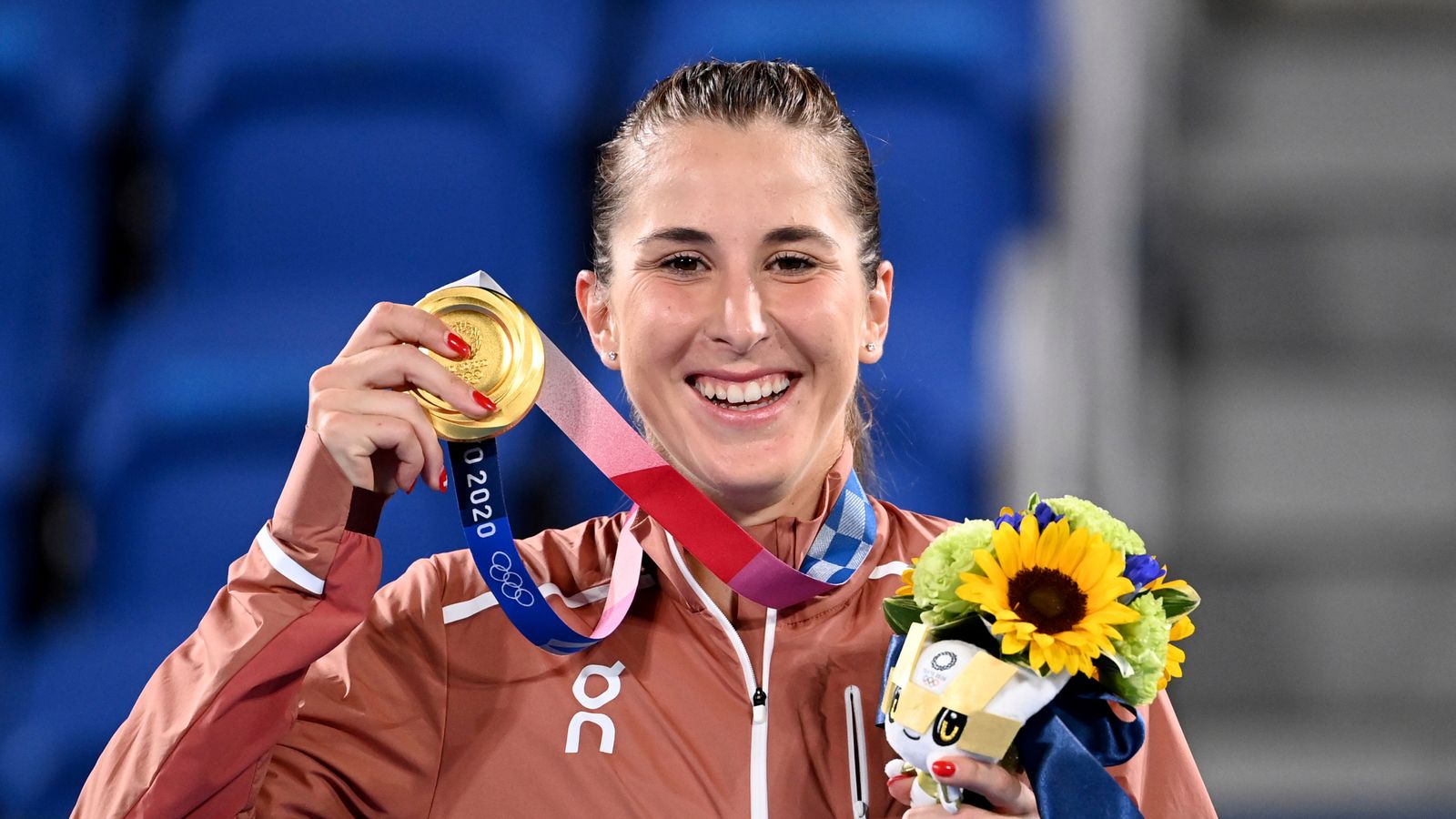
The Tokyo 2020 Olympic Games, which took place in 2021 due to the global pandemic, saw the United States finish atop the medal table with 39 gold medals. China followed closely with 38, while host nation Japan secured a record-breaking 27. A total of 339 gold medals were awarded across 33 sports, highlighting historic performances and the successful debut of four new Olympic disciplines.
Historical Context: The Games That Waited
The 2020 Summer Olympics were a landmark event in sporting history, primarily because they were the first Games to be postponed and rescheduled rather than canceled during a time of global crisis. Held from July 23 to August 8, 2021, the Games retained the "Tokyo 2020" branding for marketing and historical consistency. Looking back from 2026, these Games are remembered for their resilience, the absence of public spectators, and the extraordinary physiological and psychological discipline required of the athletes who trained through an extra year of uncertainty.
The Tokyo Organizing Committee and the International Olympic Committee (IOC) managed 339 events across 33 sports and 50 disciplines. The inclusion of new sports—skateboarding, surfing, sport climbing, and karate—was a strategic move to modernize the Olympic program and appeal to a younger global audience. Additionally, baseball and softball returned to the lineup for the first time since 2008.
Top Performing Nations and Final Medal Standings
The competition for the top spot on the medal table remained a three-way narrative between the United States, China, and Japan. The United States narrowly edged out China on the final day of competition, a testament to the depth of their programs in athletics and swimming.
| Rank | Country | Gold | Silver | Bronze | Total |
|---|---|---|---|---|---|
| 1 | United States | 39 | 41 | 33 | 113 |
| 2 | China | 38 | 32 | 19 | 89 |
| 3 | Japan | 27 | 14 | 17 | 58 |
| 4 | Great Britain | 22 | 20 | 22 | 64 |
| 5 | ROC (Russian Olympic Committee) | 20 | 28 | 23 | 71 |
| 6 | Australia | 17 | 7 | 22 | 46 |
| 7 | Netherlands | 10 | 12 | 14 | 36 |
| 8 | France | 10 | 12 | 11 | 33 |
| 9 | Germany | 10 | 11 | 16 | 37 |
| 10 | Italy | 10 | 10 | 20 | 40 |
The host nation, Japan, achieved its best-ever Olympic performance, fueled by dominance in judo and the debut of skateboarding. Great Britain maintained its status as a sporting powerhouse, while the ROC (competing under the Olympic flag due to sanctions) demonstrated significant depth in gymnastics and wrestling.
Athletics Highlights: Records and Resilience
Athletics (Track and Field) remains the centerpiece of the Summer Games. In Tokyo, the absence of fans was replaced by the sound of shattering world records, partially attributed to advancements in footwear technology, often referred to as "super spikes."
The Sprint Double and Hurdle Mastery
Jamaica’s Elaine Thompson-Herah produced one of the greatest sprinting displays in history. She defended her 100m and 200m titles, setting an Olympic record of 10.61 seconds in the 100m and 21.53 seconds in the 200m. She also contributed to Jamaica’s gold in the 4x100m relay.
In the hurdles, the Men’s 400m hurdles saw what many experts consider the greatest race of all time. Norway’s Karsten Warholm destroyed his own world record, clocking an incredible 45.94 seconds. On the women’s side, Sydney McLaughlin (USA) also broke her own world record to win the 400m hurdles in 51.46 seconds.
The Post-Bolt Era Sprints
The Men’s 100m sprint entered a new era after Usain Bolt’s retirement. Italy’s Lamont Marcell Jacobs stunned the world by winning the gold with a time of 9.80 seconds. Jacobs’ victory, combined with Italy’s win in the 4x100m relay, marked a historic shift in European sprinting dominance.
Field Event Milestones
One of the most touching moments in Olympic history occurred in the Men’s High Jump. Mutaz Essa Barshim (Qatar) and Gianmarco Tamberi (Italy) agreed to share the gold medal after both cleared 2.37m and had identical failure records. This act of sportsmanship became the defining image of the Tokyo Games.
Swimming: Dominance in the Pool
Swimming at the Tokyo Aquatics Centre featured 37 events. The United States and Australia dominated the medal count, with several athletes cementing their status as legends.
Caeleb Dressel’s Five Golds
American Caeleb Dressel was the most successful male athlete of the Games, winning five gold medals. His victories came in the 50m freestyle, 100m freestyle, 100m butterfly (setting a world record of 49.45), and as part of the 4x100m freestyle and 4x100m medley relays. Dressel’s explosive starts and underwater phases set a technical benchmark that remains a study for coaches in 2026.
Emma McKeon and the Australian Resurgence
Emma McKeon became the most decorated athlete of the Tokyo Games, winning seven medals in total, four of which were gold (50m free, 100m free, 4x100m free, 4x100m medley). Her performance helped Australia achieve its most successful swimming campaign in history. Ariarne Titmus also secured her place in history by defeating Katie Ledecky in the 200m and 400m freestyle events, though Ledecky reclaimed her dominance in the inaugural 1500m freestyle for women.
Complete Categorized List of Selected Gold Medalists
While the full list of 339 gold medalists is extensive, the following table highlights the winners in the most-watched and historically significant events.
| Sport | Event | Gold Medalist(s) | Country |
|---|---|---|---|
| Athletics | Men's 100m | Lamont Marcell Jacobs | Italy |
| Athletics | Women's 100m | Elaine Thompson-Herah | Jamaica |
| Athletics | Men's Marathon | Eliud Kipchoge | Kenya |
| Basketball | Men's Team | United States Men's Team | USA |
| Basketball | Women's Team | United States Women's Team | USA |
| Football | Men's Team | Brazil Men's Team | Brazil |
| Football | Women's Team | Canada Women's Team | Canada |
| Gymnastics | Women's All-Around | Sunisa Lee | USA |
| Gymnastics | Men's All-Around | Daiki Hashimoto | Japan |
| Swimming | Men's 100m Free | Caeleb Dressel | USA |
| Swimming | Women's 400m Free | Ariarne Titmus | Australia |
| Tennis | Men's Singles | Alexander Zverev | Germany |
| Tennis | Women's Singles | Belinda Bencic | Switzerland |
| Cycling | Men's Road Race | Richard Carapaz | Ecuador |
For a full event-by-event breakdown, including heat times and qualifying rounds, the official Olympic Results Database remains the definitive source of record.
Debut Sports: A New Olympic Chapter
The Tokyo 2020 Games were characterized by the introduction of sports designed to increase the "urban" appeal of the Olympics.
- Skateboarding: Japan dominated the inaugural events. Yuto Horigome won the first-ever skateboarding gold in Men's Street, while 13-year-old Momiji Nishiya won the Women’s Street gold, becoming one of the youngest gold medalists in history.
- Surfing: Held at Tsurigasaki Beach, the gold medals were won by Italo Ferreira (Brazil) and Carissa Moore (USA). The events showcased the technicality of "shortboard" surfing in challenging Pacific conditions.
- Sport Climbing: This event used a "combined" format involving Speed, Bouldering, and Lead climbing. Alberto Ginés López (Spain) took the men's gold, while Janja Garnbret (Slovenia) lived up to her reputation as the world's best by winning the women's gold.
- 3x3 Basketball: A fast-paced version of the traditional game. Latvia won the men's gold, and the United States took the women's gold.
Notable Multi-Gold Medalists
Several athletes achieved the rare feat of winning multiple gold medals during a single Games. This requires not only elite physical conditioning but also the ability to recover rapidly between heats and finals across different days.
- Caeleb Dressel (USA): 5 Golds (Swimming)
- Emma McKeon (AUS): 4 Golds (Swimming)
- Kaylee McKeown (AUS): 3 Golds (Swimming - 100m back, 200m back, 4x100m medley)
- An San (KOR): 3 Golds (Archery - Mixed Team, Women's Team, Women's Individual)
- Elaine Thompson-Herah (JAM): 3 Golds (Athletics - 100m, 200m, 4x100m relay)
In 2026, many of these athletes continue to influence their sports through coaching or professional leagues, but their Tokyo performances remain their career-defining moments.
Gymnastics and the Conversation on Mental Health
While the list of gold medalists is the primary focus, the narrative of the Tokyo 2020 gymnastics competition was shaped by Simone Biles. After withdrawing from several events to prioritize her mental health—citing the "twisties," a dangerous loss of spatial awareness—she opened a global dialogue on the pressures faced by elite athletes.
In her absence from the All-Around final, Sunisa Lee (USA) won the gold, maintaining the U.S. streak in the event. Rebeca Andrade won silver for Brazil, later winning gold in the vault, marking the first-ever Olympic medal for a Brazilian female gymnast. On the men's side, Daiki Hashimoto (Japan) continued his country's legacy of excellence in gymnastics by winning the All-Around and High Bar golds.
Technical Innovations and Fair Play
The Tokyo Games saw significant technical scrutiny. In World Athletics wrap-ups, the impact of the newly designed track at the National Stadium was highlighted. The track surface was designed to provide high energy return, which, combined with advanced spike technology, led to numerous national and world records.
Furthermore, the World Aquatics (formerly FINA) reports emphasize the role of pool depth (3 meters) and advanced gutter systems in reducing turbulence, which allowed for the record-breaking speeds seen in the 50m and 100m freestyle events.
Frequently Asked Questions
Who won the most gold medals in the 2020 Olympics?
Caeleb Dressel of the United States won the most gold medals, totaling five in swimming. He won the 50m freestyle, 100m freestyle, 100m butterfly, 4x100m freestyle relay, and 4x100m medley relay. His performance made him the most successful male athlete of the Tokyo Games, continuing the legacy of American dominance in the pool.
Which country won the most gold medals overall?
The United States won the most gold medals with a total of 39. China finished a very close second with 38 gold medals. The race for the top spot was only decided on the final day of competition when the U.S. women's volleyball team and track athletes secured the necessary victories to overtake China in the standings.
Did any new sports debut at the Tokyo 2020 Olympics?
Yes, four sports made their Olympic debut: skateboarding, surfing, sport climbing, and karate. Additionally, baseball and softball were reintroduced for these Games after being absent since 2008. These additions were part of an effort by the International Olympic Committee to include more youth-oriented and culturally diverse disciplines.
Who won the men's 100m sprint gold medal?
Lamont Marcell Jacobs of Italy won the men's 100m gold medal with a time of 9.80 seconds. His victory was one of the biggest upsets of the Games, as he was not widely considered the favorite going into the event. He was the first Italian ever to win gold in the 100m and the first European to win the event since 1992.
How many gold medals did host nation Japan win?
Japan won 27 gold medals, which was a record for the nation. This performance placed them third on the overall gold medal table. Their success was largely driven by their performance in traditional sports like judo (9 golds) and wrestling, as well as their dominance in the new sport of skateboarding.
Conclusion and Future Outlook
The 2020 Olympic gold medal winners represent a unique cohort of athletes who overcame unprecedented logistical and psychological barriers. From the historic shared high jump gold to the dominant swimming of Caeleb Dressel and Emma McKeon, the Tokyo Games provided a masterclass in athletic excellence. As we look forward to future Olympiads from our vantage point in 2026, the data and records set in Tokyo remain the gold standard for high-performance sports. For those looking to verify specific athlete stats or regional records, consulting official national Olympic committee archives is recommended for the most granular detail.