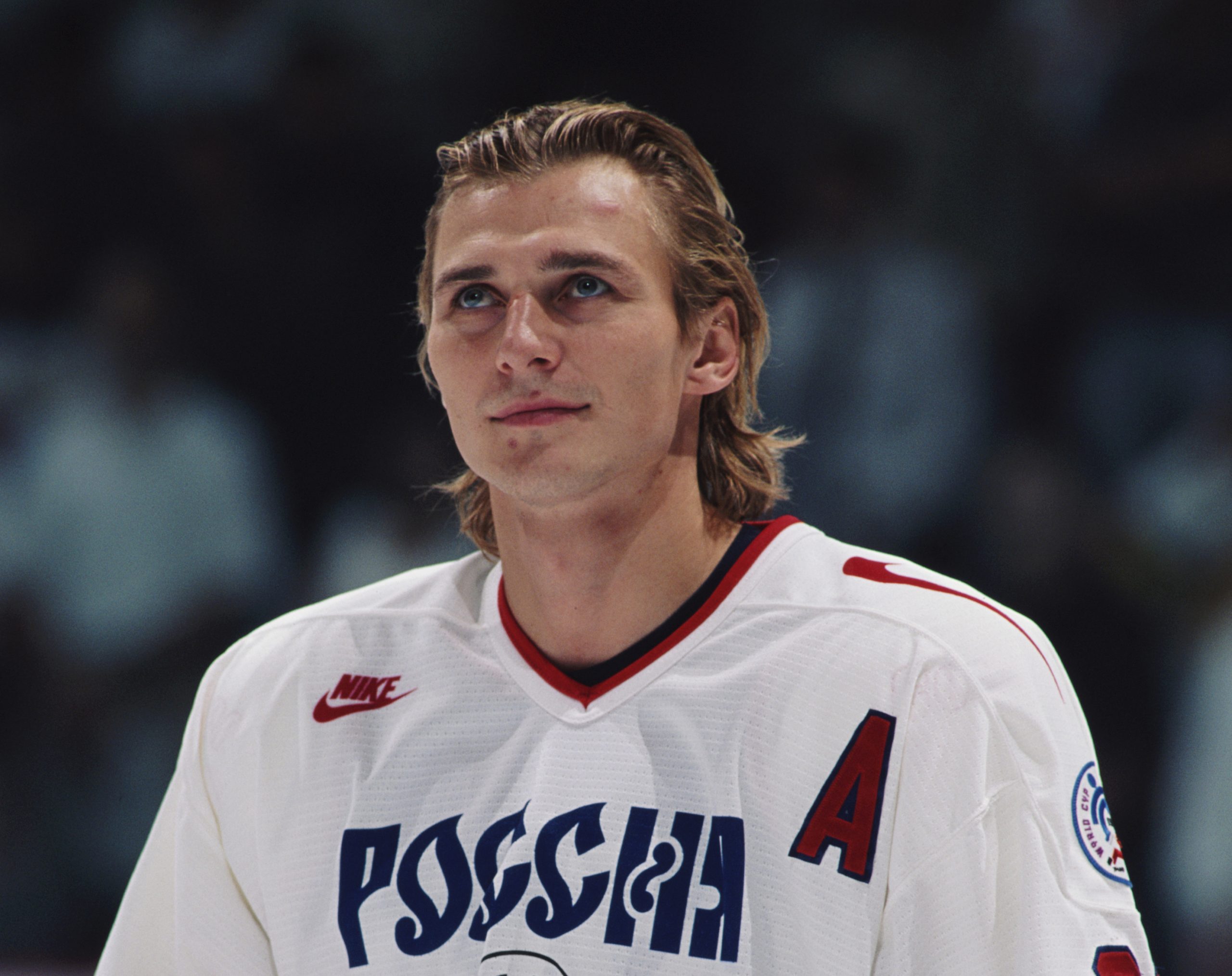
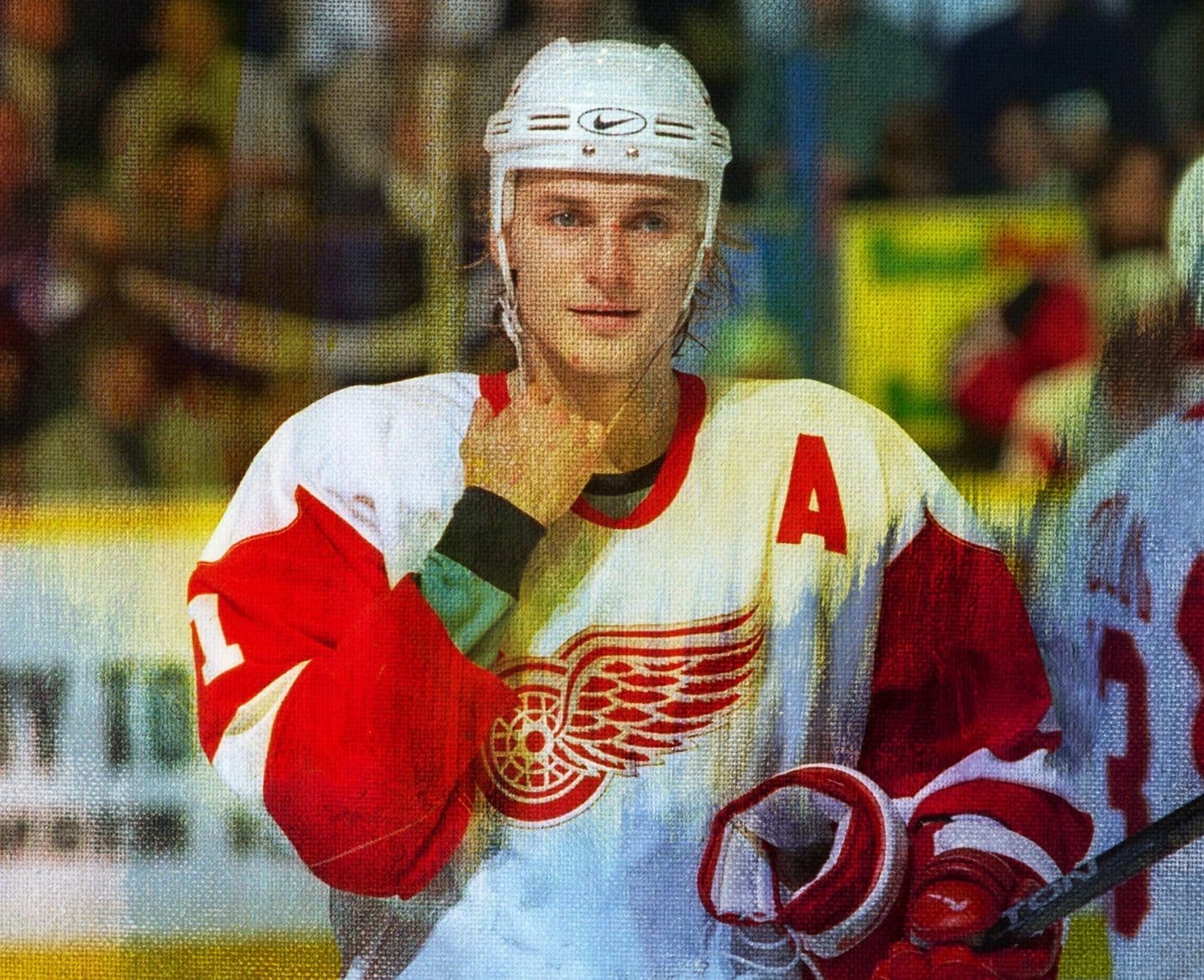
Sergei Fedorov stands as one of the most decorated and versatile players in the history of professional ice hockey. Throughout a career defined by explosive speed, defensive responsibility, and offensive brilliance, he transitioned from a Soviet star to an NHL icon, securing his place in the Hockey Hall of Fame while building significant financial standing through high-value contracts and long-term brand equity.
The Early Life and Foundations of a Sporting Prodigy
Born in Pskov, Russian SFSR, Soviet Union, in 1969, Sergei Fedorov’s journey to hockey prominence began within the rigid, high-performance environment of the Soviet sports system. Unlike many young athletes who are funneled into singular positions, Fedorov’s development was characterized by an emphasis on skating mechanics, tactical awareness, and the ability to contribute in every zone of the ice.
He rose to national attention while playing for CSKA Moscow, the premier club team of the Soviet era. During the late 1980s, playing under the legendary coach Viktor Tikhonov, Fedorov became a cornerstone of the team. This period was pivotal not only for his technical development but for his introduction to international competition, where he showcased an uncanny ability to read the play before it developed—a trait that would later make him arguably the most complete "two-way" player of his generation.
The Transition to the NHL: Defection and Impact
Fedorov’s decision to leave the Soviet Union in 1990 remains one of the most significant moments in NHL history. His departure from the Soviet national team during the Goodwill Games in Seattle served as the catalyst for his professional career in North America. Drafted by the Detroit Red Wings in the 1989 NHL Entry Draft (74th overall), Fedorov arrived in the league as an immediate impact player.
His arrival marked the beginning of a transformation for the Red Wings franchise. Under the guidance of Scotty Bowman and alongside teammates like Steve Yzerman and Nicklas Lidström, Fedorov became the engine of a team that would dominate the 1990s and early 2000s. He earned the Hart Memorial Trophy as the league’s most valuable player in 1994, becoming the first Russian-born player to achieve this honor.
Key Career Milestones
- 1990: Joins the Detroit Red Wings, marking the start of a legendary NHL tenure.
- 1994: Receives the Hart Memorial Trophy and the Frank J. Selke Trophy, cementing his status as both an elite scorer and a top-tier defensive forward.
- 1997–1998: Leads the Red Wings to consecutive Stanley Cup championships, defining the team’s "Russian Five" era.
- 2003: Signs a massive free-agent contract with the Anaheim Mighty Ducks after years of success in Detroit.
- 2015: Inducted into the Hockey Hall of Fame, validating his status among the sport's all-time greats.
Financial Standing and Net Worth Analysis
Sergei Fedorov’s financial success is primarily the result of his on-ice performance during an era of significant growth in NHL salaries. During the mid-1990s, Fedorov became one of the highest-paid players in the league, notably through a landmark offer sheet signed in 1998 with the Carolina Hurricanes, which the Detroit Red Wings ultimately matched.
His net worth, estimated in 2026 to be in the range of $35 million to $45 million, reflects decades of high-level earnings supplemented by endorsements and post-retirement coaching roles. While official financial records for private individuals are rarely public, his career earnings are documented in public NHL salary databases. During his peak, Fedorov’s contracts were significant enough to place him at the top of the league’s wage hierarchy, and his post-playing career—which has included front-office roles and coaching within the Kontinental Hockey League (KHL)—has allowed him to maintain his financial stability.
Factors Contributing to Career Wealth
- High-Value NHL Contracts: His role as a marquee superstar during the expansion era of the NHL allowed him to command multi-million dollar annual salaries.
- Performance Bonuses: Throughout his career, Fedorov was a frequent recipient of performance-based incentives and team success bonuses related to deep playoff runs.
- Endorsement Potential: As a highly marketable, charismatic, and international face of the NHL, Fedorov engaged in various sponsorship deals throughout the 1990s and 2000s.
- Strategic Management: Following his retirement from the NHL, Fedorov moved into management, specifically as a general manager and coach for CSKA Moscow, ensuring a continued revenue stream from the sport.
Family Life and Personal Privacy
While Sergei Fedorov has been a public figure since the age of 20, he has consistently maintained a high level of privacy regarding his personal life. Unlike many modern athletes who utilize social media to document family milestones, Fedorov has kept his family affairs largely out of the spotlight.
Historically, he has been linked to high-profile figures, most notably his marriage to former tennis star Anna Kournikova in the early 2000s. The marriage, however, was brief and kept very much away from the intense tabloid speculation of the time. In his later years, Fedorov has remained focused on his professional endeavors in the KHL and his charitable efforts in Russia, preferring to define his public legacy through his contributions to hockey rather than his personal social life.
Key Facts and Technical Legacy
Beyond the numbers and salary figures, Fedorov’s legacy is defined by his unique tactical contributions to the sport. He proved that a center could be as valuable for his defensive work as he was for his scoring touch.
| Feature | Description |
|---|---|
| Primary Position | Center / Right Wing |
| Playing Style | Two-way, transition-focused, speed-oriented |
| Total NHL Points | 1,179 points (regular season) |
| Stanley Cup Titles | 3 (1997, 1998, 2002) |
| International Honors | Multiple World Championship appearances for Russia |
Tactical Impact: The "Fedorov Model"
Fedorov’s impact was so profound that it influenced how teams evaluated forwards. Before Fedorov, the dichotomy between "goal scorer" and "defensive forward" was stark. Fedorov broke this mold by logging heavy minutes against the opponent's best players while simultaneously leading his team in points. This "total hockey" approach is now the standard for modern NHL centers, but Fedorov was the primary pioneer of this style in the North American professional game.
Challenges and Controversies
No legendary career is without its complications. Fedorov’s relationship with the Detroit Red Wings front office in the late 1990s was marked by contract negotiations that grew contentious. His use of the offer sheet process to leverage his value created friction with fans and ownership at the time. However, these tensions largely faded as he continued to contribute to the team’s championships.
Furthermore, the transition from the highly controlled environment of Soviet hockey to the relative freedom of the NHL required immense personal adjustment. Fedorov often spoke of the challenge of learning a new language and culture while simultaneously performing at the absolute pinnacle of professional sports. His success in navigating these hurdles is a testament to his mental discipline and professional resolve.
Frequently Asked Questions
What was Sergei Fedorov’s most significant career achievement?
While his three Stanley Cup championships are often cited as his greatest team success, his 1994 Hart Memorial Trophy win remains his most significant individual achievement. It validated his status as the best all-around player in the world during the height of the NHL’s competitive era.
How did Sergei Fedorov's contract change NHL salary structures?
Fedorov’s massive 1998 contract offer from the Carolina Hurricanes changed the landscape for how teams approached restricted free agency. It demonstrated that teams were willing to commit massive capital to secure elite talent, eventually leading to the implementation of more rigid salary cap structures in the following decade.
Does Sergei Fedorov still work in professional hockey?
Yes, as of 2026, Sergei Fedorov remains active in the sport, primarily through high-level administrative and coaching capacities within the Kontinental Hockey League. His transition from the ice to the executive suite has been a natural progression for a player of his hockey intelligence.
How does Fedorov’s net worth compare to other hockey legends?
While Fedorov is among the wealthiest players of his generation due to his high earnings in the 90s and early 2000s, his wealth is consistent with elite superstars of that era. He has focused on long-term stability rather than high-risk commercial ventures, keeping his net worth secure.
Was Sergei Fedorov a defensive or offensive player?
Fedorov was the quintessential "two-way" player. He was frequently tasked with shutting down the opposing team’s top line while being the primary offensive threat for his own team. His ability to balance these responsibilities is what sets him apart from players who were purely offensive specialists.
Final Perspective
Sergei Fedorov’s career is a masterclass in athletic versatility and professional adaptation. From the streets of Pskov to the rafters of Joe Louis Arena, he maintained a standard of excellence that remains a benchmark for centers in the modern era. His financial trajectory reflects a career managed with the same precision he applied to his skating and playmaking. For fans and analysts, his legacy is not just in the trophies he collected, but in the evolution of the game he helped facilitate through his unique, high-IQ approach to ice hockey. As he continues his work in the sport, his influence remains embedded in the tactical foundations of the teams he leads and the players he mentors.