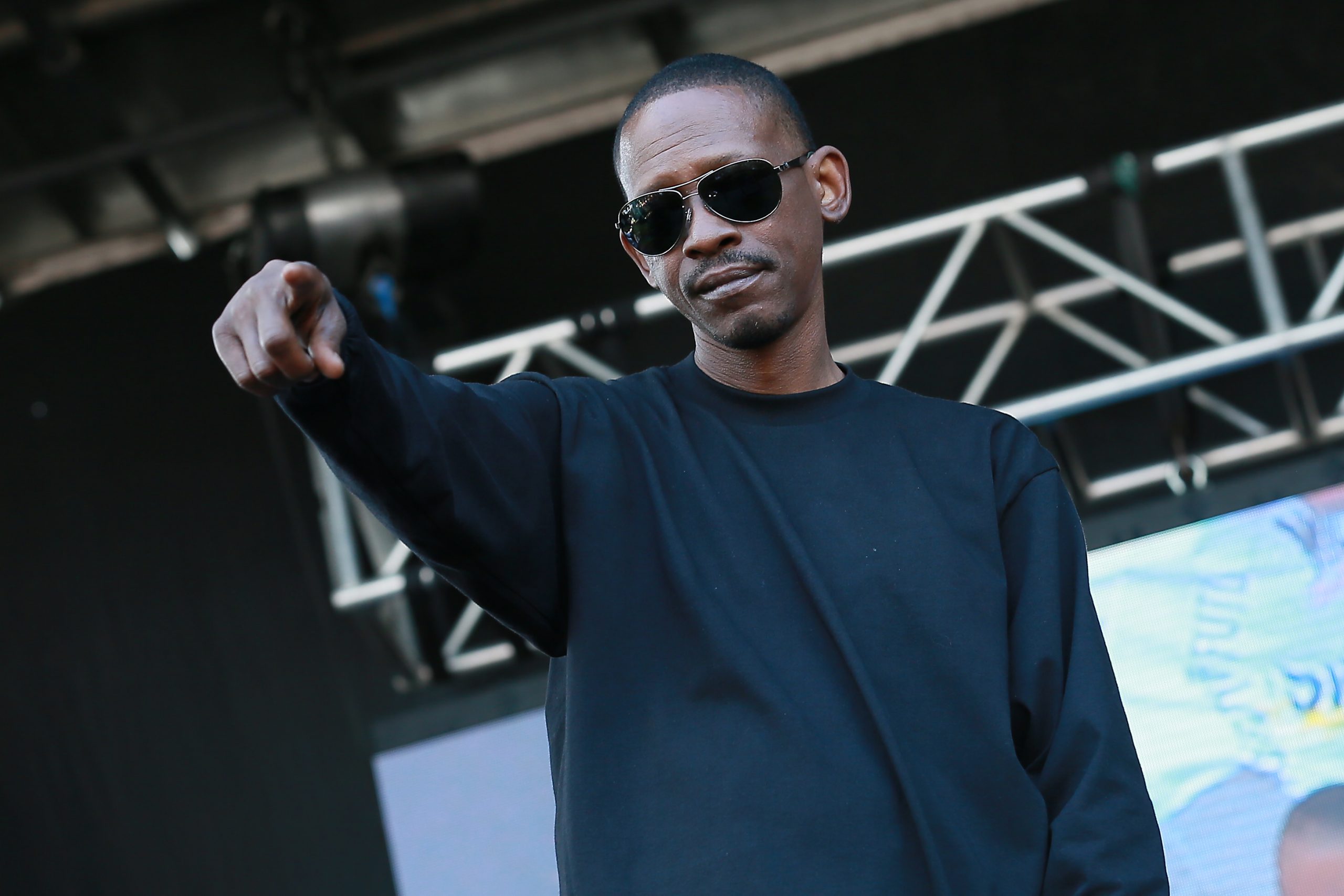
As of 2026, Kurupt is 53 years old, having been born on November 23, 1972. The legendary West Coast rapper and actor, born Ricardo Emmanuel Brown, remains a pivotal figure in hip-hop history, celebrated for his intricate lyrical prowess and his foundational role in the G-Funk era.
Kurupt, often referred to by his moniker "Young Gotti," has navigated a career spanning over three decades. From his early days as a standout lyricist on Death Row Records to his success as one half of Tha Dogg Pound and his later ventures into acting and executive leadership, his journey reflects the evolution of the music industry itself. Understanding Kurupt’s current status in 2026 requires a deep look at his Philadelphia roots, his rise in Los Angeles, and the strategic milestones that have sustained his career and net worth.
Early Life and the Philadelphia-to-California Transition
Before becoming a staple of the West Coast sound, Ricardo Brown was born in Philadelphia, Pennsylvania. His early childhood in Philly provided him with a gritty, lyrical foundation often associated with East Coast emcees. This "East Coast" technicality—characterized by complex internal rhyme schemes and aggressive metaphors—would later distinguish him from many of his peers in the California scene.
In the late 1980s, Brown moved to Hawthorne, California, to live with his father. This geographic shift was the catalyst for his music career. Immersing himself in the burgeoning Los Angeles hip-hop culture, he began participating in local rap battles, where his sharpness earned him respect. It was during this period that he met Snoop Dogg and Daz Dillinger, forming the core of what would become the "Dogg Pound" family. His Philadelphia roots never fully left him, however; he remained one of the few rappers capable of bridging the stylistic gap between the two coasts, a trait that became both a blessing and a source of tension during the mid-90s hip-hop feuds.
Career Milestones: The Death Row Era (1991–1996)
Kurupt’s professional ascent is inextricably linked to the rise of Death Row Records. His first major exposure came through Dr. Dre’s seminal 1992 album, The Chronic. While Snoop Dogg was the breakout star of that project, Kurupt’s verses on tracks like "Stranded on Death Row" signaled the arrival of a high-level lyricist.
The Success of "Doggystyle" and Tha Dogg Pound
In 1993, Kurupt played a significant role in Snoop Dogg’s Doggystyle, further cementing his place in the G-Funk movement. However, his defining milestone during this era was the formation of Tha Dogg Pound with Daz Dillinger. In 1995, the duo released Dogg Food, which debuted at number one on the Billboard 200.
The album was a commercial juggernaut but also a lightning rod for controversy. The lead single, "New York, New York," featuring Snoop Dogg, was perceived as a slight to the East Coast during a period of high regional tension. The music video, which showed the rappers kicking over New York City skyscrapers, intensified the rivalry. Despite the friction, the album is widely regarded as a classic of the era, showcasing Kurupt’s ability to blend street narratives with technical rhyming.
Solo Career and the Transition to Antra Records
Following the internal collapse of the original Death Row Records lineup in the late 1990s, Kurupt embarked on a solo career that allowed him to explore a wider range of sounds. This period marked a significant shift in his business strategy and artistic direction.
"Kuruption!" and "Tha Streetz Iz a Mutha"
In 1998, Kurupt released his solo debut, Kuruption!, through his own label, Antra Records, in a joint venture with A&M. The album was ambitious, structured as a double disc to represent both his West Coast and East Coast sensibilities. While it showcased his versatility, it was his 1999 follow-up, Tha Streetz Iz a Mutha, that re-established his dominance. The album featured the "diss track" "Calling Out Names," which remains one of the most cited examples of his lyrical aggression.
During the late 90s and early 2000s, Kurupt also focused on the "Horsemen" (also known as HRSMN) supergroup, alongside Canibus, Ras Kass, and Killah Priest. This project emphasized pure lyricism and underground credibility, appealing to a different demographic than the G-Funk fans who initially supported him.
Strategic Return to Death Row and Executive Roles
In a move that surprised many in the industry, Kurupt returned to Death Row Records in 2002. At that time, the label was under the sole leadership of Suge Knight and was a shadow of its former self. Kurupt was appointed as the Vice President of the label, a milestone that signaled his transition from performer to executive.
This period was marked by significant friction with his former collaborators, including Snoop Dogg and Daz Dillinger. However, by 2005, the "Dogg Pound" reunited, leading to the release of Cali Iz Active in 2006. This reconciliation was a pivotal moment for his legacy, proving that his personal and professional bonds with the founding members of the West Coast scene were stronger than label politics.
Acting Career and Multimedia Ventures
Kurupt has successfully diversified his income and public profile through a consistent acting career. Unlike many musicians who take "cameo" roles, Kurupt has pursued character-driven parts in both film and television.
His filmography includes:
- Dark Blue (2002): A gritty police drama where he played a supporting role alongside Kurt Russell.
- Hollywood Homicide (2003): A high-profile action-comedy featuring Harrison Ford.
- Johnson Family Vacation (2004): Showcasing his ability to handle comedic timing.
- Vampires: Los Muertos (2002): An entry into the horror-action genre.
His presence on screen provided a steady revenue stream and introduced him to audiences outside of the hip-hop community. In 2026, he continues to appear in independent cinema and voice-acting roles, maintaining a presence in the digital entertainment space.
Key Career Milestones Summary
The following table outlines the critical points in Kurupt's professional history, highlighting his evolution from a featured artist to a label executive and veteran actor.
| Year | Milestone | Significance |
|---|---|---|
| 1992 | Appearance on The Chronic | Introduced his lyrical style to a global audience. |
| 1995 | Release of Dogg Food | Reached #1 on Billboard; defined the G-Funk era. |
| 1998 | Launch of Antra Records | Shifted to solo artistry and entrepreneurship. |
| 1999 | Release of Tha Streetz Iz a Mutha | Solidified his reputation as a premier "battle" rapper. |
| 2002 | VP of Death Row Records | Transitioned into a senior executive management role. |
| 2006 | Dogg Pound Reunion | Restored his relationship with Snoop Dogg and Daz Dillinger. |
| 2010 | Streetlights Album Release | Demonstrated his ability to adapt to modern production styles. |
| 2022 | Death Row Acquisition | Celebrated the label's history after Snoop Dogg purchased the brand. |
Net Worth Analysis: Wealth in 2026
Estimating the net worth of a veteran musician involves analyzing several moving parts, including catalog royalties, touring revenue, acting fees, and business investments. As of 2026, Kurupt’s net worth is estimated to be between $1.5 million and $2.5 million.
Music Royalties and Catalog Value
A significant portion of Kurupt’s wealth stems from his involvement in multi-platinum albums from the 1990s. Even as a featured artist, the streaming residuals from tracks on The Chronic and Doggystyle provide ongoing passive income. Furthermore, as a primary songwriter for Tha Dogg Pound, he retains publishing rights that remain valuable as classic hip-hop continues to be licensed for films, advertisements, and video games.
Touring and Live Performances
Kurupt remains a staple on the "classic hip-hop" touring circuit. Reunion tours with Daz Dillinger as Tha Dogg Pound, as well as appearances on broader West Coast legacy tours, command significant appearance fees. In 2026, nostalgia for the 90s era remains high, allowing veteran artists to maintain high ticket prices for intimate venues and international festivals.
Business and Branding
Kurupt has followed the path of many of his peers by entering the legal cannabis industry. His "Moonrock" brand, developed in partnership with Dr. Zodiak, became a cultural phenomenon in the mid-2010s. While the brand has faced legal and competitive challenges over the years, his early entry into the space helped diversify his portfolio.
Acting and Voice Work
Acting residuals contribute to his financial stability. Every time a film like Johnson Family Vacation or Hollywood Homicide is broadcast or streamed on platforms like Netflix or Max, Kurupt receives royalty payments. His voice is also frequently utilized in urban-themed video games and animated projects.
Technical Prowess: Why Kurupt Matters in 2026
To understand Kurupt’s longevity, one must look at his technical contribution to rap. He is often cited by elite lyricists, including Kendrick Lamar and Eminem, as a major influence. Kurupt’s "Young Gotti" style is characterized by:
- Multisyllabic Rhyme Schemes: He was among the first West Coast rappers to consistently use complex internal rhymes, a trait more common in New York at the time.
- Rhythmic Variation: He often shifts his cadence mid-verse, moving from a slow, deliberate drawl to a rapid-fire delivery.
- The "Kingpin" Persona: His lyrics often balance "mafioso" imagery with street-level reality, creating a cinematic narrative in his music.
In 2026, as the hip-hop community continues to celebrate its 50-plus year history, Kurupt is frequently invited to speak at panels and participate in documentaries, such as those found on platforms like Rock the Bells, regarding the preservation of the genre's technical standards.
Cultural Legacy and Personal Life
Kurupt’s personal life has often been a topic of public interest, particularly his past relationship with the late Natina Reed of the R&B group Blaque. The two had a son, Tren Brown, who has also explored a career in music. These personal milestones have grounded Kurupt, often appearing in his more introspective lyrics in his later work.
In 2026, Kurupt is viewed as an elder statesman of the culture. He has avoided the pitfalls that many of his contemporaries faced, maintaining a professional working relationship with industry giants like Snoop Dogg. His ability to reconcile with past rivals and maintain his integrity as a "lyricist's lyricist" has ensured that his name remains relevant even as new generations of rappers emerge.
Frequently Asked Questions
What is Kurupt's real name?
Kurupt's real name is Ricardo Emmanuel Brown. He adopted the stage name Kurupt early in his career, eventually adding the moniker "Young Gotti" as a tribute to his interest in organized crime lore and his status as a "boss" in the lyrical sense.
Is Kurupt still making music in 2026?
Yes, Kurupt remains active in the music industry. While he may not release full-length solo albums with the frequency he did in the late 90s, he frequently appears as a featured artist on projects by West Coast collaborators and continues to release singles and EPs, often focusing on high-concept lyrical projects.
Who are the members of Tha Dogg Pound?
The primary members of Tha Dogg Pound are Kurupt and Daz Dillinger. The duo is part of the larger DPGC (Dogg Pound Gangsta Clique), which includes Snoop Dogg, Soopafly, Tray Deee, and the late Nate Dogg.
What is Kurupt's most famous song?
As a solo artist, "We Can Freak It" and "It's Over" are among his most commercially successful tracks. However, his work on Tha Dogg Pound’s "New York, New York" and his verses on Dr. Dre’s "Stranded on Death Row" are often cited as his most culturally significant contributions.
How did Kurupt get into acting?
Kurupt transitioned into acting in the early 2000s, capitalizing on the popularity of the "urban cinema" movement. His natural screen presence and voice led to roles in major studio films like Hollywood Homicide. More information on his filmography can be found on his official IMDb page.
Practical Recommendation for Fans and Researchers
For those looking to explore Kurupt's impact or keep up with his current activities in 2026, the best course of action is to follow his verified social media profiles and legacy streaming playlists. Since much of his early work was subject to complex label ownership (Death Row, Antra, Interscope), his catalog is spread across different publishers.
Researchers interested in his lyrical influence should analyze his verses on the Horsemen projects, which represent his most technically dense work. For a broader perspective on his place in hip-hop history, the Billboard Artist Charts provide a data-driven look at his commercial peaks during the G-Funk era and beyond.