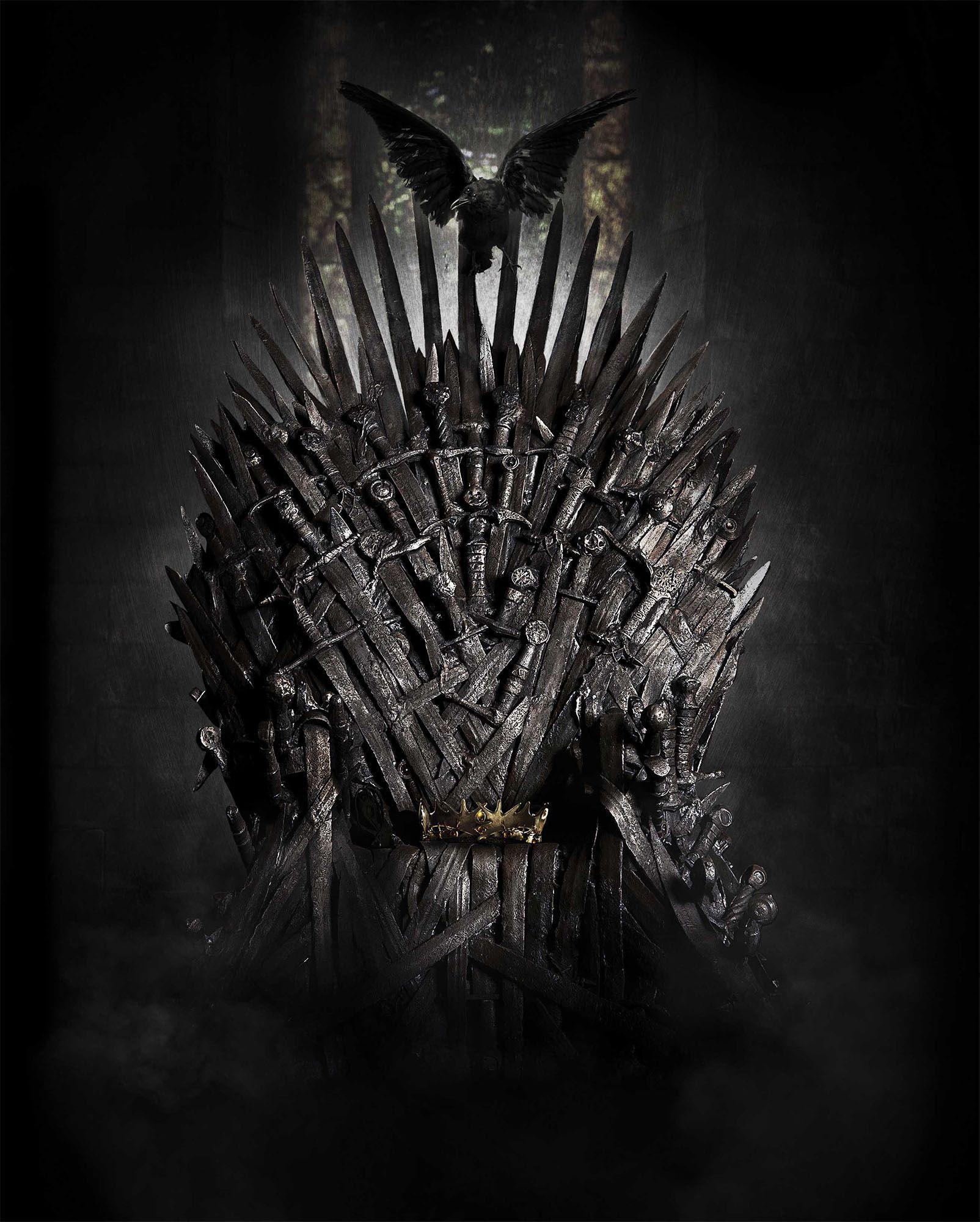
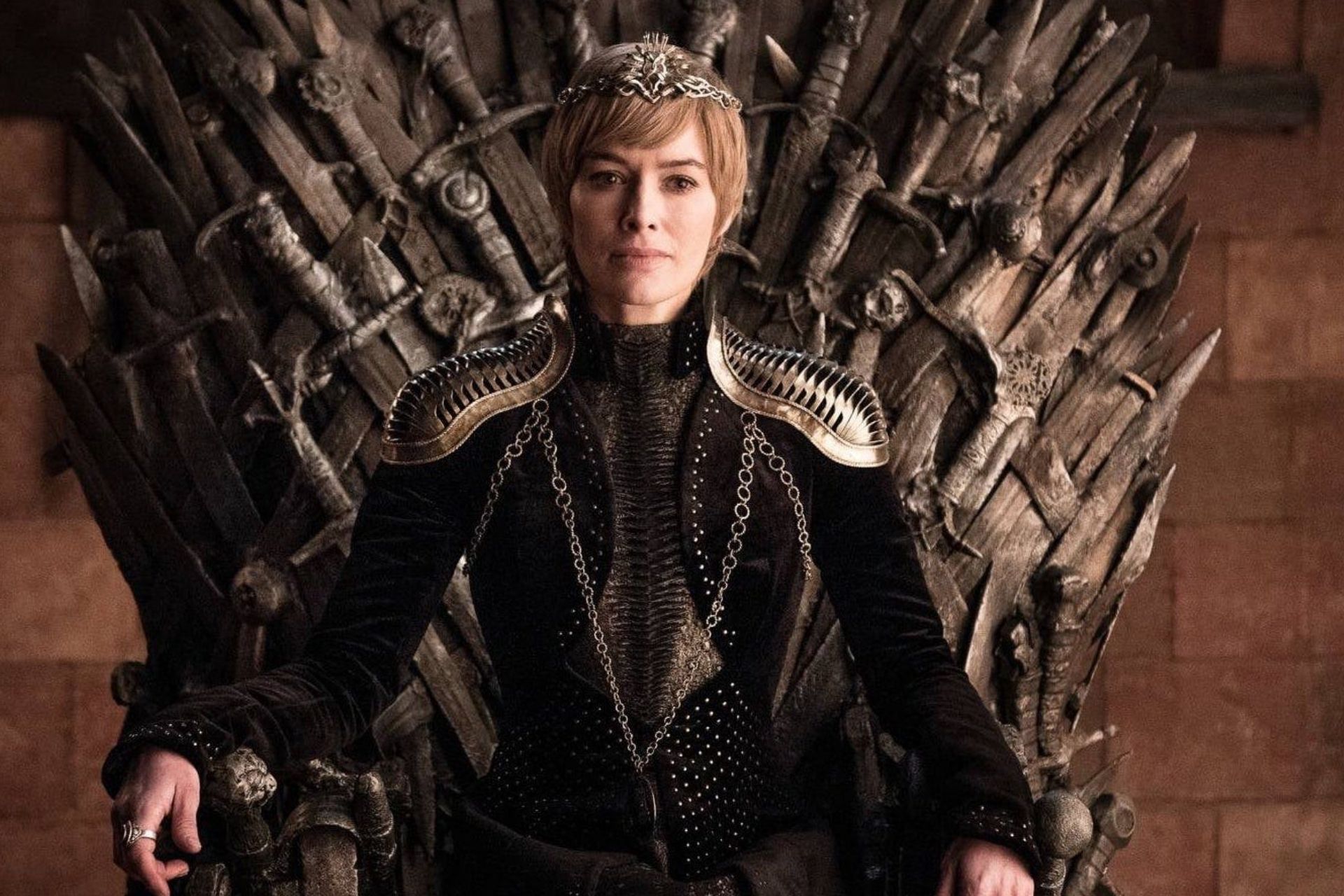
The Iron Throne is the sovereign seat of the Monarch of the Seven Kingdoms in George R.R. Martin’s "A Song of Ice and Fire" and its television adaptations. Forged from the swords of defeated enemies by Aegon the Conqueror, it represents absolute authority, the burden of leadership, and the lethal nature of Westerosi politics.
As we look back from 2026, the Iron Throne remains one of the most recognizable icons in modern fiction. It has transcended its origins as a literary device to become a universal symbol of power, corruption, and the high cost of the "Great Game." Whether viewed through the lens of the original Game of Thrones series or the expansive history provided by House of the Dragon, the throne stands as the central pivot around which the history of Westeros revolves. Understanding its significance requires a deep dive into its forging, its physical evolution, and the political philosophy it enforces upon those who dare to sit upon it.
The Forging of a Legend: Aegon I Targaryen and the Thousand Swords
The story of the Iron Throne begins with Aegon I Targaryen, known as Aegon the Conqueror. Following his successful subjugation of six of the Seven Kingdoms, Aegon sought a symbol that would solidify his new empire. He did not want a seat of comfort; he wanted a monument to the submission of his enemies and a reminder of the martial might that brought the realm to its knees.
According to Westerosi lore, the throne was constructed over fifty-nine days. It was fashioned from the swords surrendered by the lords who had knelt to Aegon, as well as the blades of those who had fallen in battle. These thousands of blades—though historical accounts suggest the number may be closer to a few hundred in reality—were not merely hammered together. They were heated to a white glow by the dragonfire of Balerion the Black Dread, the greatest of the Targaryen dragons.
The resulting structure was a jagged, asymmetric mass of twisted steel. It was intentionally designed to be dangerous. Aegon believed that a king should never sit easily, for a ruler must always be alert and never grow complacent in their power. This philosophy of "the uncomfortable seat" became a recurring theme throughout the nearly three-hundred-year Targaryen dynasty, serving as a physical litmus test for a monarch's fitness to rule.
Physical Evolution: Book Accuracy vs. Cinematic Representation
One of the most discussed aspects of the Iron Throne is the discrepancy between its description in George R.R. Martin's novels and its various depictions on screen. As of 2026, with the completion of multiple seasons of House of the Dragon, fans have seen a significant shift in how the throne is presented visually.
The "True" Iron Throne of the Novels
In the books, the Iron Throne is described as a "hunchbacked beast" of a chair. It is massive, ugly, and towering. George R.R. Martin has famously stated that the throne should be ten to fifteen feet tall, with a steep set of iron stairs leading up to the seat. From this height, the king looks down upon his court, literally and figuratively separated from the common nobility. The blades are not neatly arranged; they are a chaotic tangle of edges and points that make the act of sitting a perilous endeavor.
The Iconic HBO Prop (Game of Thrones)
When Game of Thrones premiered in 2011, the production team faced the practical challenge of building a throne that could fit on a soundstage and allow for intimate filming. The resulting prop, while iconic, was much smaller than the book description. It was a singular, chair-shaped object made of molded fiberglass and resin, featuring a fan of swords behind the sitter. While visually striking, it lacked the scale and "monstrosity" that Martin originally envisioned.
The House of the Dragon Iteration
With the debut of House of the Dragon, showrunners moved closer to the source material. While the central seat remained similar to the original prop for continuity reasons, the surrounding environment was altered. Hundreds of additional melted swords were placed along the dais and the stairs leading up to the throne, creating a more dangerous and expansive appearance. This version bridges the gap between the compact "classic" prop and the gargantuan "literary" version, emphasizing the throne as a sprawling, hazardous installation rather than a simple piece of furniture.
| Feature | Novel Description (ASOIAF) | Original HBO Prop (GoT) | Expanded Prop (HotD) |
|---|---|---|---|
| Height | 10–15 Feet | Approx. 7 Feet | Approx. 8 Feet (plus floor spread) |
| Access | Steep Iron Stairs | Floor Level / Low Dais | Sprawling Melted Sword Stairs |
| Material | Steel Swords & Dragonfire | Fiberglass and Resin | Fiberglass, Resin, & Metal Accents |
| Safety | Extremely Sharp/Lethal | Rounded Edges (for actors) | Jagged Aesthetic/Hazardous Look |
| Symbolism | A "Hunchbacked Beast" | A Majestic Sovereign Seat | A Relic of War and Fire |
The Throne as a Character: Sovereignty and Sacrifice
In the lore of Westeros, the Iron Throne is often treated as if it possesses a form of sentience or, at the very least, a supernatural judgment. It is said that the throne "rejects" those who are unworthy of the crown. This is not merely superstition; the physical danger of the throne provides a tangible metric for a ruler’s stability.
The "Cuts" of the Throne
Historical records within the series detail numerous instances where kings were injured by the seat. King Viserys I Targaryen suffered from infections caused by cuts from the throne, symbolizing his declining health and the fractures within his family. Most famously, Aerys II Targaryen, the "Mad King," was frequently covered in scabs and open wounds from the blades, earning him the nickname "King Scab."
The legend suggests that if a king is weak, fearful, or unfit, they will inevitably lean the wrong way or grip a hilt too tightly, drawing their own blood. In the case of Rhaenyra Targaryen, the history (as written by Maesters with their own biases) claims she was cut by the throne upon taking her seat, which was interpreted by her enemies as a sign of her illegitimacy. This "judgment" of the throne serves as a powerful narrative device, reinforcing the idea that power is a double-edged sword that demands constant vigilance.
The Burden of Rule
Beyond the physical danger, the Iron Throne represents the psychological weight of the Seven Kingdoms. The monarch is responsible for the defense of the Wall, the collection of taxes, the adjudication of disputes between Great Houses, and the maintenance of the King’s Peace. The discomfort of the throne is a constant reminder that the crown is a burden, not a prize. As Stannis Baratheon noted, many men desire the throne, but few understand the price of sitting upon it.
The End of an Icon: Destruction and the New Order
The final episodes of the original Game of Thrones series brought about the literal destruction of the Iron Throne. Following the death of Daenerys Targaryen, her dragon, Drogon, turned his fire upon the seat. In a moment of symbolic clarity, the dragon did not kill the man who slew his mother, but rather destroyed the object of her obsession.
The melting of the throne signaled the end of the "Wheel" that Daenerys had vowed to break. It represented the conclusion of the Targaryen-style absolute monarchy, where power was concentrated in a single, dangerous chair. By the time of the 2026 perspective on the franchise, this scene remains a polarized moment among fans, yet its thematic weight is undeniable: the Iron Throne was the ultimate antagonist of the series, a silent instigator of centuries of bloodshed.
The Technical Reality: Creating the Prop for Television
For those interested in the technical aspects of television production, the creation of the Iron Throne is a masterclass in prop design. The original prop used in the HBO series was crafted by Gavin Jones and his team.
- Framework: The core of the throne was constructed from a timber and plywood frame to provide structural integrity.
- Molding: Actual swords—including historical replicas and custom-made blades—were used to create silicone molds.
- Casting: These molds were filled with a durable resin. Using resin instead of actual steel was essential for the safety of the actors and the portability of the set piece.
- Finishing: The prop was hand-painted with metallic finishes and weathered to look like aged, soot-stained steel.
- Scaling: For House of the Dragon, the production team at Leavesden Studios utilized CNC (Computer Numerical Control) milling and 3D printing to expand the throne room, allowing for the "melted" look to extend across the floor in a way that was consistent with the original design but larger in scale.
This blend of traditional craftsmanship and modern technology allowed the throne to feel like a heavy, ancient relic while remaining a functional piece of a working television set.
Frequently Asked Questions
Is the Iron Throne made of real swords?
In the context of the story (lore), yes, it is made of roughly a thousand swords surrendered to Aegon the Conqueror. In the context of the real-world television production, it is made of fiberglass, resin, and wood. The props were designed to look like steel but are significantly lighter and safer for actors like Peter Dinklage and Lena Headey to interact with.
Why did Drogon melt the Iron Throne?
The interpretation generally accepted by the creators is that Drogon recognized the throne as the "inciting incident" for Daenerys's downfall. Rather than being a seat of power, it was a trap that led to her corruption and eventual death. By melting it, Drogon effectively ended the cycle of violence and the Targaryen dynasty's physical claim to the realm.
Who was the last person to sit on the Iron Throne?
In the television series Game of Thrones, Cersei Lannister was the last monarch to officially sit upon the throne before the Red Keep was breached. Daenerys Targaryen touched the throne and stood before it but was killed before she could officially take her seat as the recognized Queen of the Seven Kingdoms.
How much would a life-size replica of the Iron Throne cost?
During the height of the show's popularity, HBO sold official fiberglass replicas for approximately $30,000. These were custom-made to order. In 2026, high-quality third-party replicas and collector-grade props can range from $10,000 to $50,000, depending on the materials used and the level of detail (such as the "melted" extensions seen in House of the Dragon).
Is the Iron Throne actually uncomfortable for the actors?
While the prop is made of resin rather than sharp steel, the actors have often commented that it is not particularly ergonomic. The upright back and the irregular surfaces of the "swords" make it difficult to sit in for long periods. This actually helped the actors portray the stern, rigid posture expected of a Westerosi monarch.
Practical Recommendations for Fans and Collectors
For those looking to engage with the legacy of the Iron Throne in 2026, there are several avenues to explore:
- Visit the Original Props: The most authentic way to see the Iron Throne is through official exhibitions. The Game of Thrones Studio Tour in Banbridge, Northern Ireland, houses the actual sets and props used in the production, including the throne itself.
- Literary Exploration: To understand the "true" scale of the throne, readers should refer to The World of Ice & Fire, a companion book that features illustrations approved by George R.R. Martin, depicting the throne as the massive, terrifying structure it was meant to be.
- Prop Building: For enthusiasts interested in DIY prop making, many online communities provide 3D print files for miniature or 1:1 scale replicas. Using PLA or PETG plastic followed by a "graphite powder" rub is a common technique to achieve the realistic metallic look of dragon-forged steel.
The Iron Throne is more than just a chair; it is a warning. It stands as a testament to the idea that power, while sought by many, is a sharp and dangerous burden that eventually consumes those who hold it. Whether through the fire of a dragon or the ink of a novelist, its legacy as the ultimate symbol of sovereignty remains unchallenged.