The popular crime drama Animal Kingdom is not based on a book. Instead, the TNT television series (2016–2022) is an American adaptation of the critically acclaimed 2010 Australian film of the same name, written and directed by David Michôd. While there is no original novel, the story is heavily inspired by the real-life criminal exploits of the Pettingill family in Melbourne, Australia.
The confusion surrounding the origins of Animal Kingdom often stems from the depth of its characterization and the complexity of its narrative, which are hallmarks of "prestige" literature. Because many successful crime dramas—such as The Godfather, Wiseguy (the basis for Goodfellas), and The Night Manager—originated as novels, viewers frequently assume the Cody family must have existed on the page before appearing on the screen. However, the Cody family's journey from a gritty Australian underworld film to a sun-drenched California noir was a purely cinematic and televised evolution.
The Cinematic Foundation: The 2010 Australian Film
Before the Cody family moved to Oceanside, California, they existed in the grey, cold suburbs of Melbourne. The 2010 film Animal Kingdom is the true source material for the television series. Written and directed by David Michôd, the film was a breakout hit in the international indie circuit, earning Jacki Weaver an Academy Award nomination for her chilling portrayal of Janine "Smurf" Cody.
The film follows Joshua "J" Cody, a teenager who moves in with his estranged, criminal relatives after his mother dies of a heroin overdose. This central premise remained the core of the TV show’s pilot episode. However, the film is a much more compressed and bleak experience than the television series. In the film, the "animal kingdom" is a literal metaphor for the survival of the fittest in a dying criminal ecosystem.
Michôd spent years researching the Melbourne underworld to ground the script in reality. While he did not adapt a specific book, he drew from the cultural memory of Australian crime, specifically the Walsh Street police shootings and the various gangland wars that plagued Victoria in the 1980s and 90s. This "true crime" foundation provides the narrative weight that often makes audiences feel as though they are watching an adaptation of a non-fiction book or a sprawling crime novel.
From Film to Television: The American Adaptation
In 2016, TNT premiered the American version of Animal Kingdom, developed by Jonathan Lisco. While the show credited David Michôd as an executive producer and acknowledged the film as its source, the series took a significantly different path.
The most notable change was the setting. Moving the action from the gritty streets of Melbourne to the surf-and-sand environment of Oceanside, California, changed the aesthetic from "urban grit" to "SoCal Noir." This transition allowed the writers to explore a different kind of criminal lifestyle—one funded by high-stakes heists and adrenaline-fueled robberies, contrasting with the more desperate, localized crime depicted in the original film.
Because a television series requires significantly more "story" than a two-hour film, the writers had to expand the world. In the film, several characters meet their ends quite quickly, but the TV show allowed the Cody brothers—Baz, Pope, Craig, and Deran—to develop complex backstories and individual motivations over six seasons. This expansion is another reason why fans often search for a book; the level of world-building in the show rivals that of a multi-book series like George R.R. Martin’s A Song of Ice and Fire or James Ellroy’s L.A. Quartet.
Real-Life Inspiration: The Pettingill Family
While Animal Kingdom is not based on a book, it is loosely based on a very real family. David Michôd has frequently cited the Pettingill family of Melbourne as a major influence on his script. Understanding the history of the Pettingills explains the "true crime" feel of the franchise.
The Pettingill family was led by the matriarch Kath Pettingill, a woman who, like Smurf, was known for her fierce protection of her sons and her involvement in their criminal activities. Kath Pettingill was a formidable figure in the Australian underworld, famously having one glass eye (the result of being shot through a closed door) and a brood of sons involved in drug trafficking, armed robbery, and murder.
The Real-Life Parallel Characters
| Character (Animal Kingdom) | Real-Life Inspiration (Pettingill Family) | Shared Traits |
|---|---|---|
| Janine "Smurf" Cody | Kath Pettingill | The matriarchal head; manipulative; protective; deeply involved in sons' crimes. |
| Andrew "Pope" Cody | Dennis Allen | The eldest, most volatile son; history of violence; perceived as the "enforcer." |
| Barry "Baz" Blackwell | Various Associates | While Baz is an adoptee in the show, he represents the strategic "brains" often found in criminal syndicates. |
| The Cody Brothers | The Pettingill Sons | A brotherhood defined by loyalty, mutual distrust, and systemic criminality. |
The Walsh Street police shootings of 1988, where two police officers were lured to a street and executed, is a pivotal moment in Australian criminal history that heavily influenced the plot of the 2010 film. The acquittal of the men charged with those murders—some of whom were members of or associates with the Pettingill family—served as the narrative backbone for the film’s exploration of police corruption and legal failures.
Why People Think it is Based on a Book
There are several reasons why the "based on a book" myth persists for Animal Kingdom:
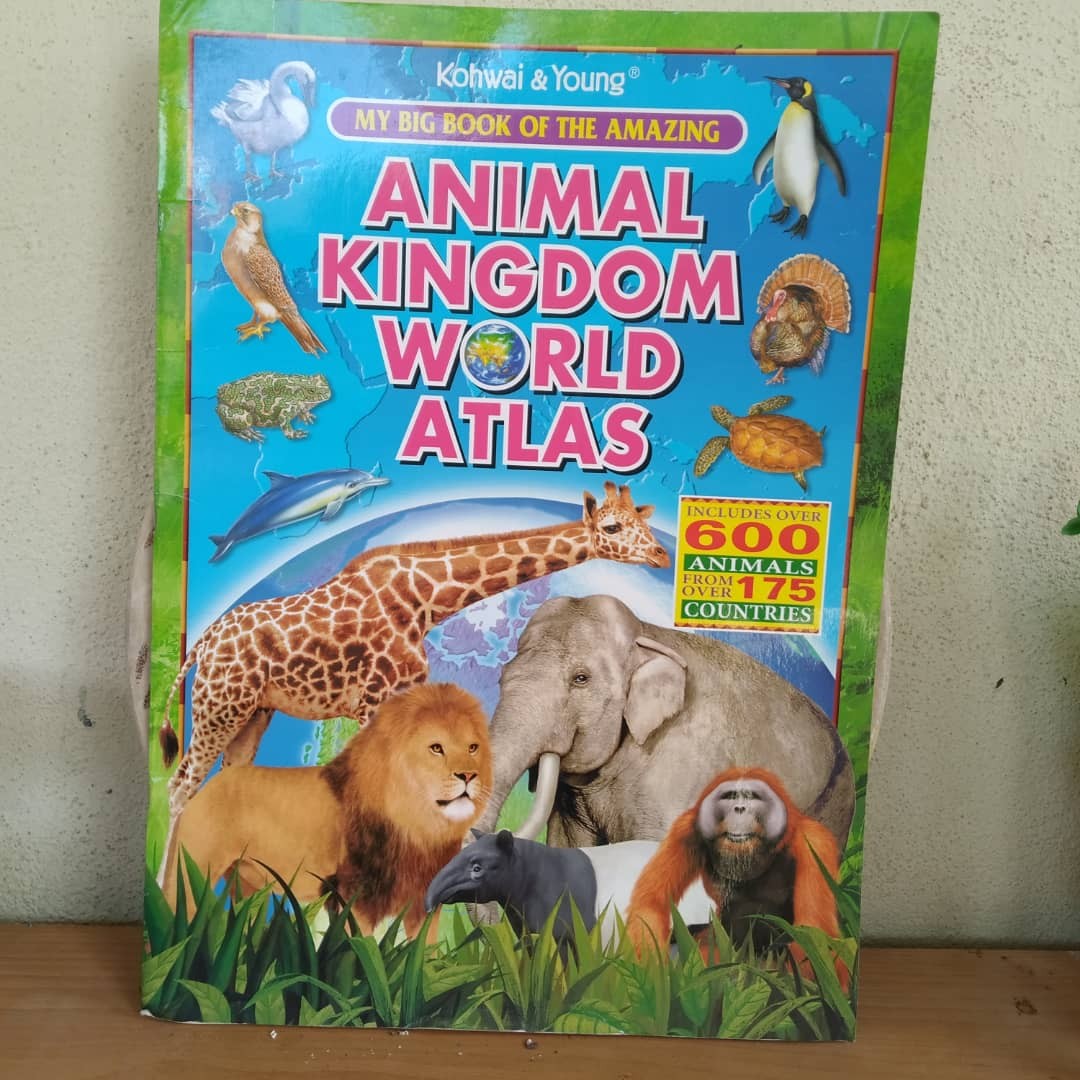
- The Title Disambiguation: There are several books titled Animal Kingdom. These range from famous children's encyclopedias to a notable collection of short stories by Josh Weil. When users search for the title, these book results often appear alongside the TV show, leading to accidental associations.
- The Narrative Structure: The show utilizes a "slow-burn" storytelling method common in novel adaptations. It focuses heavily on internal character psychology, generational trauma, and intricate plotting that spans years.
- The Success of the "Book-to-TV" Pipeline: In the modern era of television (2010–2026), a vast majority of high-quality dramas are adapted from intellectual property (IP) like books or graphic novels. Audiences have become conditioned to assume that a well-written show must have a literary origin.
- The "True Story" Feel: Because the show is rooted in the real dynamics of the Pettingill family, it carries an air of authenticity. Many true-crime fans assume the show is an adaptation of a true-crime biography, such as Kath Pettingill’s own autobiography, The Matriarch, which was published in 1996. While the film and show share themes with her book, they are not direct adaptations of it.
Exploring the Themes: Literature without the Paper
Even though there is no book to read, Animal Kingdom functions like a "visual novel." It explores themes that are deeply rooted in classical literature:
The Oedipal Complex
The relationship between Smurf and her sons is frequently described as "incestuous" in a psychological sense. She uses her sexuality and maternal affection as a tool of control, a theme famously explored in D.H. Lawrence's Sons and Lovers or Sophocles' Oedipus Rex. The TV show, in particular, leaned into this discomfort, making Smurf one of the most complex and villainous mothers in television history.
The Cycle of Trauma
The show focuses on "J" and his gradual descent into the family business. It poses the question: Is criminality a choice or an inheritance? This deterministic theme is a staple of Naturalist literature (like the works of Émile Zola), where characters are trapped by their environment and heredity.
The American Dream Subverted
By moving the story to California, the TNT series explored the dark side of the American Dream. The Codys live in a beautiful house, surf every morning, and enjoy the sun—but their lifestyle is bought with blood. This subversion of the "Golden State" ideal is a common trope in the works of California crime novelists like Raymond Chandler and Ross Macdonald.
Technical Comparison: The Film vs. The TV Series
For those looking for the "source material," the 2010 film is the closest thing to a "book" that exists. However, the two versions of the story serve very different purposes.
- The 2010 Film: A tight, 113-minute thriller. It is a tragedy. The focus is on J’s survival in a world where everyone is a predator. It is cold, detached, and brutal.
- The TV Series: A 75-episode epic. It is a family saga. It focuses on the internal politics of the Cody brothers and their struggle for independence from Smurf. It is high-octane, stylized, and emotionally explosive.
If you are a fan of the show seeking more content, the film is essential viewing. It provides a "distilled" version of the Cody family and offers a different perspective on the ending of J's journey, which remains one of the most discussed finales in Australian cinema history.
Frequently Asked Questions
Is there a novel called Animal Kingdom that the show is based on?
No. While there are books with that title, none of them are the source material for the TNT series. The show is based on the 2010 Australian movie.
Is Animal Kingdom based on a true story?
It is "inspired by" true events. Specifically, it draws inspiration from the Pettingill crime family in Melbourne, Australia, during the 1980s. However, the names, specific events, and the move to California are fictionalized.
Did Kath Pettingill write a book about her life?
Yes. Kath Pettingill published an autobiography titled The Matriarch: The Kathy Pettingill Story in 1996. While it covers the real-life family that inspired Animal Kingdom, the TV show and film are not official adaptations of this book.
Is Disney's Animal Kingdom related to the show?
No. Disney's Animal Kingdom is a theme park in Bay Lake, Florida, focused on zoological themes and conservation. It has no connection to the crime drama.
Where can I find more stories like Animal Kingdom?
If you enjoy the themes of Animal Kingdom, you might enjoy crime novels by authors like Don Winslow (particularly The Force or Savages) or James Ellroy. These authors capture the same "high-stakes crime and complex family loyalty" vibe found in the Cody family saga.
Practical Recommendations for Fans
If you have finished the series and are looking for a "literary" way to engage with the world of Animal Kingdom, your best course of action is to explore the true crime history of Melbourne.
- Watch the Original Film (2010): Available on most major streaming platforms (or for rent). It is the true "source" of the Cody family.
- Read True Crime Accounts: Look for books regarding the Melbourne Gangland Murders or the Walsh Street police shootings. These provide the historical context for the "rules" of the world David Michôd created.
- Explore "SoCal Noir" Literature: To capture the feeling of the American TV series, read The Dawn Patrol by Don Winslow. It features a similar blend of surfing culture and criminal investigation.
- Analyze the Series' Final Season: As of 2026, the series is fully available on various digital platforms. Re-watching the series with the knowledge of the Pettingill family’s history adds a layer of depth to the Cody brothers' motivations.
Animal Kingdom stands as a rare example of a television show that managed to transcend its original film source material to become a standalone cultural phenomenon. While the lack of a book may disappoint some, it highlights the strength of the original screenwriting and the vision of the creators who turned a real-world crime family into a legendary fictional dynasty.