Cat breeds are distinct varieties of domestic cats defined by specific physical traits, historical lineages, and temperamental predispositions as recognized by major international registries like the Cat Fanciers’ Association (CFA) and The International Cat Association (TICA). Choosing the right breed involves evaluating genetic health, activity levels, and grooming requirements to ensure a successful match with a household’s lifestyle and environment.
The Evolution and Classification of Cat Breeds
Unlike dogs, which have been bred for millennia to perform specific tasks such as herding or hunting, the development of distinct cat breeds is a relatively recent phenomenon in feline history. Most modern breeds have emerged over the last 150 years. Before the mid-19th century, cats were primarily valued for their utilitarian role in pest control, and their appearance was governed more by natural selection and regional climate than by human intervention.
Today, feline classification is governed by major pedigreed organizations. These institutions maintain "breed standards," which are detailed documents describing the "ideal" specimen of a particular breed. These standards cover everything from the shape of the eyes and the set of the ears to the texture of the coat and the permissible color patterns.
The Role of Major Registries
As of 2026, the global landscape of cat breeding is anchored by several key organizations that provide the framework for pedigree verification and competitive showing:
- The Cat Fanciers' Association (CFA): Founded in 1906, the CFA is the world's largest registry of pedigreed cats. It tends to be more conservative in its recognition of new breeds, currently recognizing 45 distinct breeds.
- The International Cat Association (TICA): Known for being more progressive, TICA was the first to recognize many "new" or experimental breeds, including hybrids. It focuses heavily on genetic health and diverse ancestry.
- Fédération Internationale Féline (FIFe): This is the leading federation in Europe, representing dozens of member countries and maintaining rigorous standards for continental breeding programs.
Natural vs. Mutation-Based Breeds
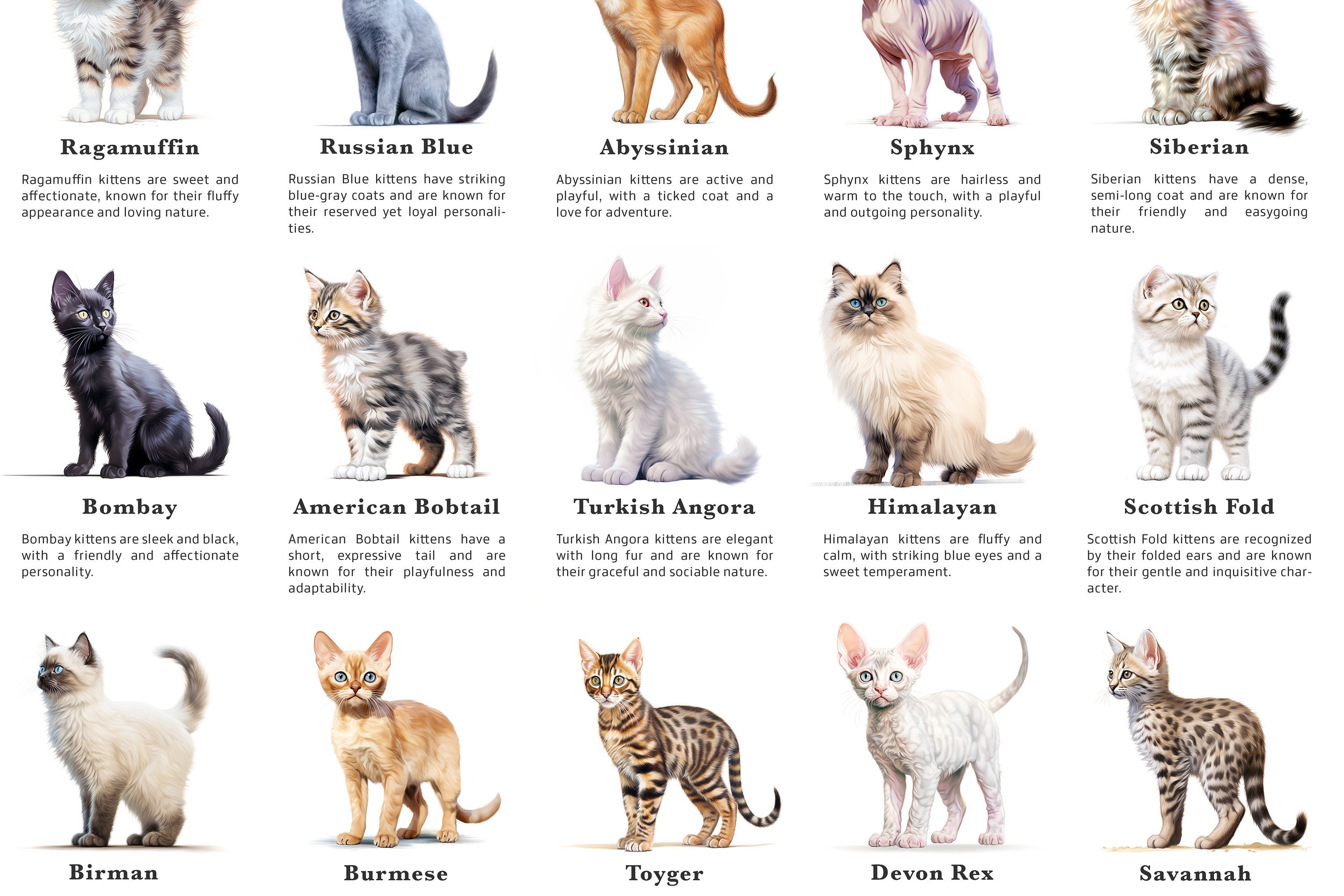
Cat breeds generally fall into three categories of origin. Natural breeds (or "foundation breeds") are those that developed in isolation in specific geographic regions, such as the Turkish Angora or the Siamese. Mutation-based breeds arose from a spontaneous genetic fluke that humans then stabilized through selective breeding; the Scottish Fold (folded ears) and the Sphynx (hairlessness) are primary examples. Finally, crossbreeds and hybrids are the result of intentional mating between existing breeds or, in the case of the Bengal, between a domestic cat and a wild feline species.
Understanding Feline Body Types and Coat Varieties
When evaluating cat breeds, it is helpful to understand the terminology used by experts to describe their physical architecture. These traits often dictate how a cat moves, its susceptibility to certain weather conditions, and how much space it requires.
Body Conformation
The feline "type" refers to the overall build of the animal:
- Cobby: These cats are short, sturdy, and low-slung with broad chests and heavy bones. The Persian and British Shorthair are classic examples of the cobby type.
- Foreign (Svelte): These cats are long, lean, and athletic. They have fine bones and almond-shaped eyes. The Siamese and Oriental Shorthair represent the extreme end of the foreign body type.
- Semi-Foreign/Substantial: This category includes breeds that are neither extremely thick nor extremely lean, such as the Maine Coon or the Ragdoll, which are large and muscular but retain a certain elegance.
Coat Textures and Maintenance
The coat is often the most striking feature of a breed, but it also represents a significant time commitment for the owner.
- Long-hair: Requires daily brushing to prevent painful matting. Breeds like the Persian have a thick undercoat that can easily become tangled.
- Semi-Long-hair: These breeds, like the Birman or Somali, often lack a dense undercoat, making them slightly easier to groom than Persians, though they still require regular attention.
- Short-hair: Generally requires minimal grooming. The American Shorthair or Burmese are self-sufficient but benefit from weekly brushing to reduce shedding.
- Wire-hair and Rex: These have unique textures, such as the "crimped" hair of the American Wirehair or the soft, wavy curls of the Devon Rex.
- Hairless: The Sphynx is the most famous example. Contrary to popular belief, they are not "maintenance-free." They require regular baths to remove skin oils that would otherwise be absorbed by fur.
Profiles of Popular and Distinctive Cat Breeds
In 2026, certain breeds continue to dominate the landscape due to their unique combination of personality and aesthetics. Below is a detailed look at some of the most sought-after feline companions.
The Maine Coon: The Gentle Giant
The Maine Coon is one of the oldest natural breeds in North America, specifically native to the state of Maine. Known for its massive size—males can weigh up to 25 pounds—and its "shaggy" coat, this breed is often called the "dog of the cat world." They are highly social, intelligent, and possess a unique vocalization style consisting of chirps and trills rather than standard meows.
The Ragdoll: The Ultimate Lap Cat
Developed in the 1960s, the Ragdoll is famous for its docile temperament. The name comes from the breed's tendency to go limp with relaxation when picked up. They are large, pointed cats with striking blue eyes. Because they are less "street-smart" and highly trusting, Ragdolls are strictly indoor cats and are ideal for families with children or other pets.
The Siamese: The Vocal Aristocrat
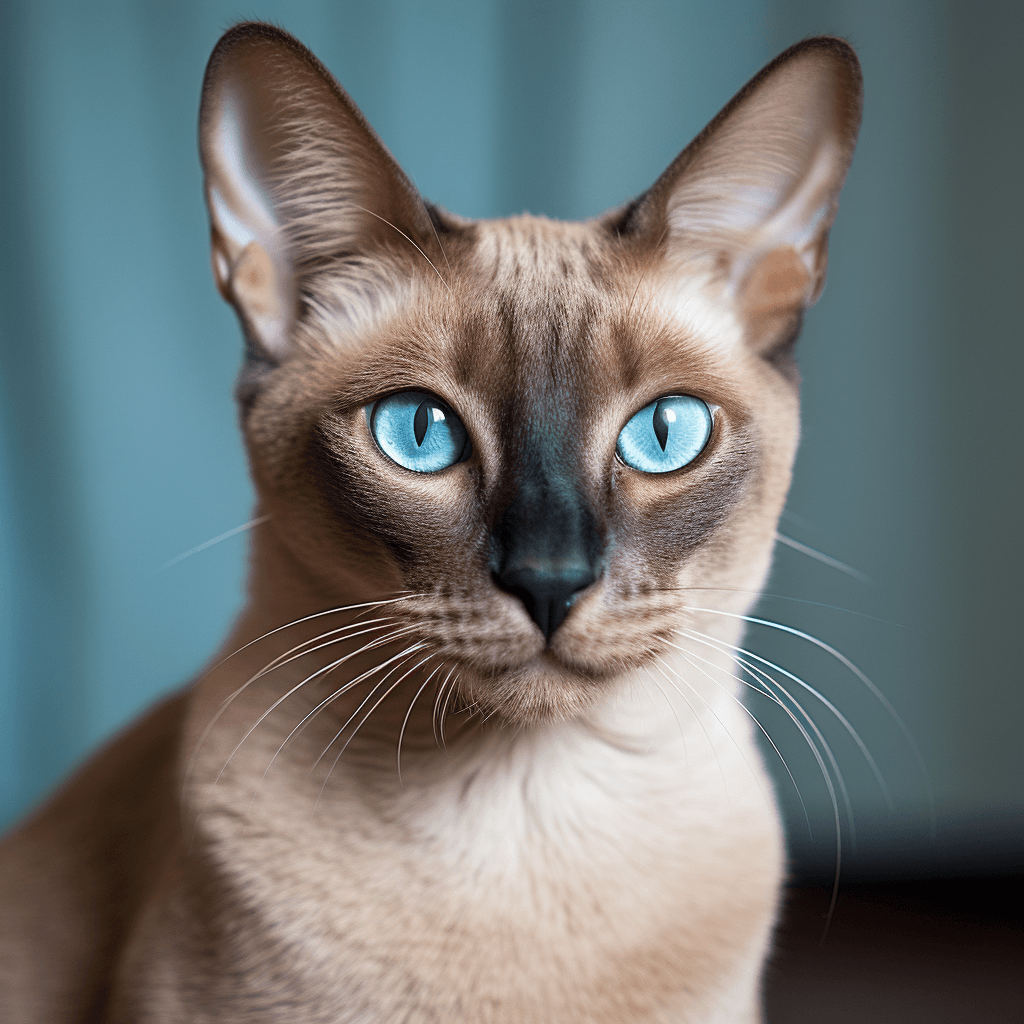
The Siamese is perhaps the most recognizable breed in the world. Originating from Thailand (formerly Siam), they are known for their "points"—darker coloration on the ears, face, paws, and tail. Siamese cats are intensely social and can become depressed if left alone for long periods. They are also famous for being extremely vocal, often holding "conversations" with their owners in a deep, raspy tone.
The Bengal: The Domestic Leopard
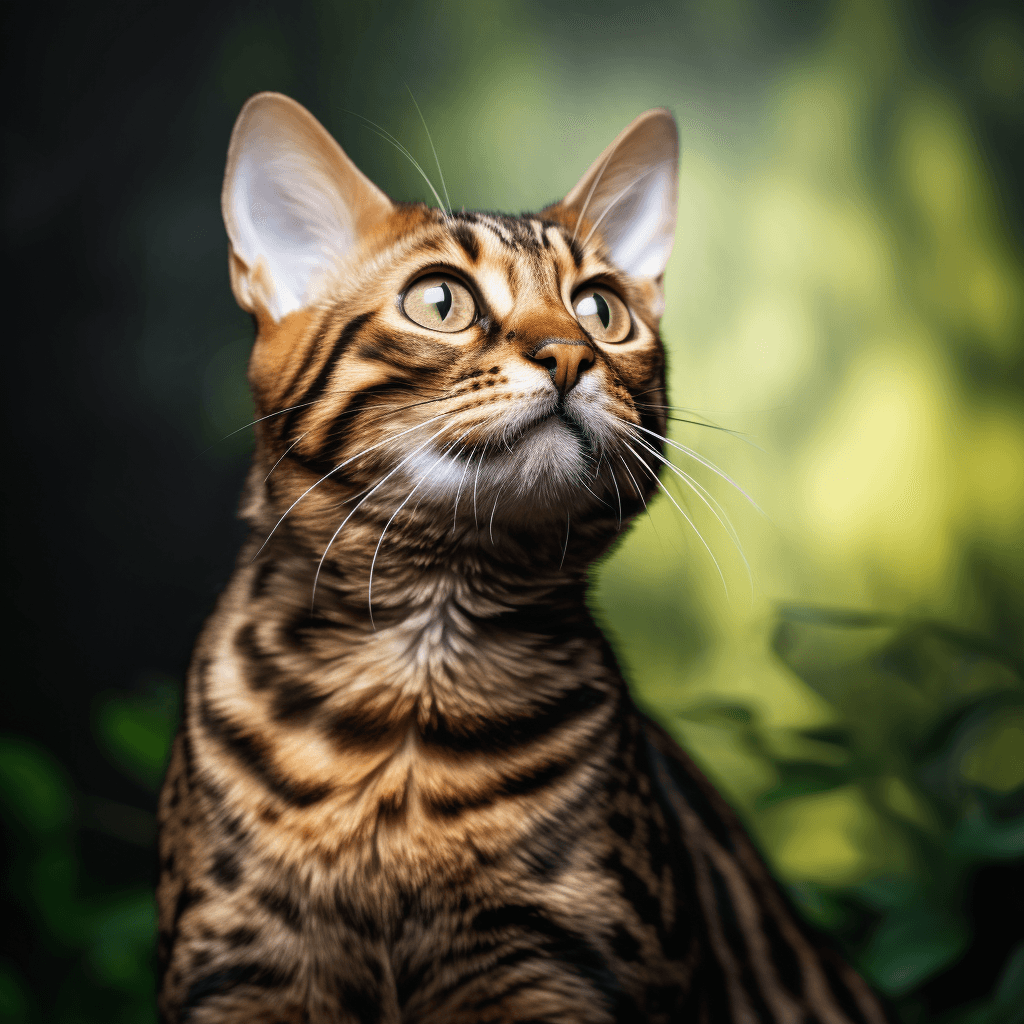
The Bengal is a hybrid breed created by crossing the domestic cat with the Asian Leopard Cat (Prionailurus bengalensis). This breed is prized for its "rosetted" or "marbled" coat, which mimics the look of a wild cat. In terms of energy, Bengals are in a class of their own. They require significant mental and physical stimulation, often enjoying water and being capable of learning complex tricks.
Comparing Breed Characteristics for Potential Owners
Choosing a breed is a balance between your aesthetic preference and the reality of your daily life. The following table compares several popular breeds across key decision-making metrics.
| Breed | Energy Level | Grooming Needs | Social Demand | Typical Weight (lbs) |
|---|---|---|---|---|
| Persian | Low | High (Daily) | Moderate | 7–12 |
| Maine Coon | Moderate | Medium (Weekly) | High | 10–25 |
| Siamese | Very High | Low | Very High | 6–10 |
| Bengal | Extreme | Low | High | 8–15 |
| British Shorthair | Low/Moderate | Low | Low/Medium | 9–17 |
| Sphynx | High | High (Bathing) | Very High | 6–12 |
| Abyssinian | Very High | Low | High | 6–10 |
| Scottish Fold | Moderate | Low/Medium | Moderate | 6–13 |
Genetic Health and Ethical Breeding Considerations
When discussing cat breeds, it is vital to address the health implications of selective breeding. As of 2026, advances in feline genomics allow breeders to screen for many hereditary conditions before mating, significantly improving the longevity of pedigreed cats.
Common Hereditary Conditions
Prospective owners should be aware of breed-specific risks. For example, Hypertrophic Cardiomyopathy (HCM), a thickening of the heart muscle, is a concern in Maine Coons, Ragdolls, and Sphynx cats. Polycystic Kidney Disease (PKD) was historically a major issue for Persians, though DNA testing has largely helped ethical breeders eliminate it from their lines.
The Ethics of "Extreme" Traits
There is ongoing debate within the feline community regarding breeds with physical mutations that may impact quality of life. The Scottish Fold, while popular for its folded ears, carries a genetic trait that affects cartilage throughout the body, which can lead to painful arthritis. Similarly, the "flat-faced" or brachycephalic look of modern Persians can lead to respiratory and tear duct issues. Ethical breeders prioritize health over extreme aesthetics and provide certification of genetic testing to buyers.
Lifestyle Alignment: Which Breed Fits You?
The "best" cat breed is entirely subjective and depends on your living situation.
- For Apartment Dwellers: Consider breeds with lower energy levels and a tendency toward quietness. The British Shorthair or the Russian Blue are excellent choices, as they are independent and less likely to experience separation anxiety in small spaces.
- For Families with Children: Look for "sturdy" and patient breeds. The Maine Coon and Abyssinian are resilient and active enough to enjoy playing with children. The Ragdoll is also an excellent choice due to its gentle nature.
- For the Work-from-Home Professional: If you want a companion that will sit quietly by your side, the Persian or Exotic Shorthair is ideal. If you want an interactive "assistant," the Burmese or Siamese will stay involved in everything you do.
- For Allergy Sufferers: While no cat is truly hypoallergenic, some breeds produce less of the Fel d 1 protein (the primary allergen). The Siberian and Balinese are often better tolerated by people with mild feline allergies, despite their long fur.
Frequently Asked Questions
Which cat breed lives the longest?
Generally, natural breeds and those with a diverse genetic pool live the longest. The Siamese, Burmese, and American Shorthair are known for their longevity, often reaching 15 to 20 years with proper care. Mixed-breed cats (non-pedigreed) also tend to have high lifespans due to hybrid vigor, which reduces the concentration of deleterious recessive genes.
Are there truly hypoallergenic cat breeds?
No cat breed is 100% hypoallergenic. Allergies are usually triggered by a protein found in feline saliva and skin oils, not the hair itself. However, breeds like the Siberian, Devon Rex, and Russian Blue are known to produce lower levels of these proteins or shed less dander, making them more manageable for some allergy sufferers. Always spend time with a specific breed before committing if you have allergies.
How much does a pedigreed cat cost in 2026?
The cost of a pedigreed kitten from an ethical breeder typically ranges from $1,000 to $3,500, depending on the breed's rarity and the kitten’s "quality" (pet vs. show quality). Exotic or hybrid breeds like the Bengal or Savannah can cost significantly more, sometimes exceeding $5,000. These prices usually cover initial vaccinations, microchipping, and the significant costs the breeder incurs for genetic testing of the parents.
Do certain breeds require more space than others?
Yes. High-energy, athletic breeds like the Bengal, Savannah, and Abyssinian require vertical space—such as tall cat trees and shelving—to feel secure and stimulated. They may become destructive in cramped environments. In contrast, "floor cats" like the Persian or British Shorthair are generally content with less square footage and fewer climbing opportunities.
Is it better to buy from a breeder or adopt?
Both have merits depending on your goals. Buying from a reputable breeder provides predictability in terms of size, temperament, and health history. However, shelter adoption is a vital way to provide a home to a cat in need. Many shelters also have "breed-specific" rescues for those who want a particular type of cat but prefer to adopt.
Final Recommendations for Prospective Owners
When selecting a cat breed, prioritize temperament and health over visual appeal. A cat's personality will affect your daily life far more than the color of its coat or the shape of its ears.
Before making a final decision, visit a sanctioned cat show or a local breeder to interact with the breeds in person. Research the specific health clearances relevant to your chosen breed and ensure any breeder you work with provides written documentation of genetic testing. By matching your household's energy level and maintenance capacity with the genetic predispositions of the breed, you will ensure a harmonious relationship that lasts for the next two decades.