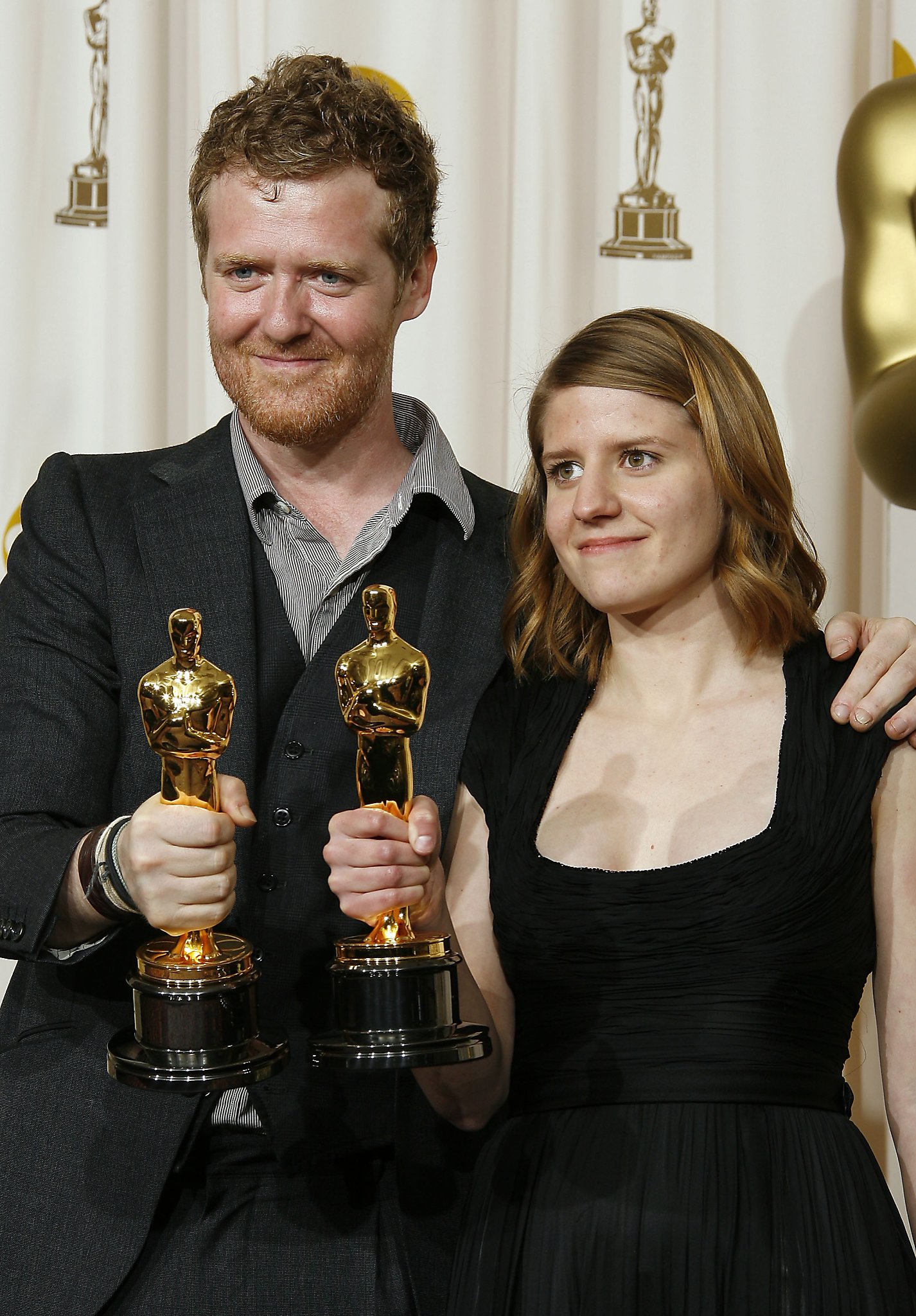
The winner of the 2017 Academy Award for Best Original Song was "City of Stars" from the film La La Land. The music was composed by Justin Hurwitz, with lyrics by Benj Pasek and Justin Paul. It defeated four other nominees, including another track from the same film, "Audition (The Fools Who Dream)."
The 89th Academy Awards, held on February 26, 2017, celebrated a diverse range of musical styles, from the classic Hollywood jazz-pop of La La Land to the high-energy mainstream pop of Trolls and the traditional Disney "I Want" song found in Moana. As we look back from 2026, these tracks have cemented their place in the cultural lexicon, continuing to appear on streaming playlists and in musical theater repertoires worldwide.
This article provides a comprehensive breakdown of the winner, the nominees, the memorable performances from the ceremony, and the technical criteria that governed the category during that historic year.
The Winner: "City of Stars" from La La Land
"City of Stars" served as the emotional centerpiece of Damien Chazelle’s La La Land. The song is primarily performed by Ryan Gosling (playing Sebastian) and Emma Stone (playing Mia). Its victory at the 2017 Oscars was widely expected, as the track had already secured a Golden Globe and multiple critics' choice awards.
Composition and Lyrical Themes
The song was composed by Justin Hurwitz, Chazelle’s long-time collaborator. Hurwitz aimed to create a melody that felt both hopeful and melancholic, mirroring the dual nature of Los Angeles as a place of dreams and a place of rejection. The lyrics, penned by the duo Pasek & Paul, focus on the uncertainty of a new romance and the drive for professional success.
Technically, the song is noted for its simplicity. Unlike many "Oscar-bait" songs that rely on soaring crescendos and orchestral swells, "City of Stars" begins with a sparse piano riff. This intimacy allowed the actors—who are not primarily known as singers—to deliver a grounded, relatable performance that resonated with the Academy's voting block.
Cultural Impact and Legacy
By 2026, "City of Stars" has become a standard in the Great American Songbook. It is frequently covered by jazz artists and remains a staple of piano bars. Its win helped propel songwriters Benj Pasek and Justin Paul into the upper echelon of Hollywood and Broadway composers, leading to their subsequent work on The Greatest Showman and Dear Evan Hansen.
The 2017 Best Original Song Nominees: The Full List
The competition in 2017 was particularly fierce, featuring some of the biggest names in the music industry, including Justin Timberlake, Lin-Manuel Miranda, and Sting.
| Song Title | Film | Songwriter(s) | Status |
|---|---|---|---|
| City of Stars | La La Land | Justin Hurwitz, Pasek & Paul | Winner |
| Audition (The Fools Who Dream) | La La Land | Justin Hurwitz, Pasek & Paul | Nominee |
| How Far I'll Go | Moana | Lin-Manuel Miranda | Nominee |
| Can't Stop the Feeling! | Trolls | Justin Timberlake, Max Martin, Shellback | Nominee |
| The Empty Chair | Jim: The James Foley Story | J. Ralph and Sting | Nominee |
"Audition (The Fools Who Dream)" – La La Land
The second nomination for La La Land went to Emma Stone’s pivotal solo, "Audition." While "City of Stars" was the catchier radio hit, "Audition" was the narrative heart of the film. It paid homage to the "dreamers" of the world, specifically those in the creative arts. The song is a sprawling, theatrical piece that starts as a monologue and builds into a powerful anthem. Many critics argued that it was the "better" song technically, but having two nominations often splits the vote for a single film—though in this case, La La Land was dominant enough that it didn't matter.
"How Far I'll Go" – Moana
Lin-Manuel Miranda, coming off the massive success of Hamilton, wrote the music and lyrics for Disney’s Moana. "How Far I'll Go" was the film’s standout track, performed by Auli'i Cravalho. The song follows the classic Disney "I Want" structure, where the protagonist expresses their yearning for something beyond their current circumstances. It reached high positions on the Billboard Hot 100 and remains one of the most-streamed Disney songs of the modern era. Had Miranda won, he would have achieved the prestigious "EGOT" status (Emmy, Grammy, Oscar, Tony) at a record-breaking pace.
"Can't Stop the Feeling!" – Trolls
This track represented the rare intersection of a massive commercial pop hit and an Oscar nominee. Written by Justin Timberlake alongside pop maestros Max Martin and Shellback, the song was a global phenomenon before the awards ceremony even took place. It was the best-selling song of 2016 in the United States. Its inclusion in the Best Original Song category highlighted the Academy's occasional willingness to embrace mainstream, radio-friendly hits.
"The Empty Chair" – Jim: The James Foley Story
Often the "outlier" in a category filled with big-budget musicals and pop stars is a somber track from a documentary. "The Empty Chair" was written by J. Ralph and Sting for a documentary about the life and death of American journalist James Foley. The song is a haunting tribute to those lost, focusing on the metaphorical "empty chair" at a family table. Sting’s involvement brought veteran prestige to the category, though the song had much lower visibility than its competitors.
Highlights from the 89th Academy Awards Ceremony
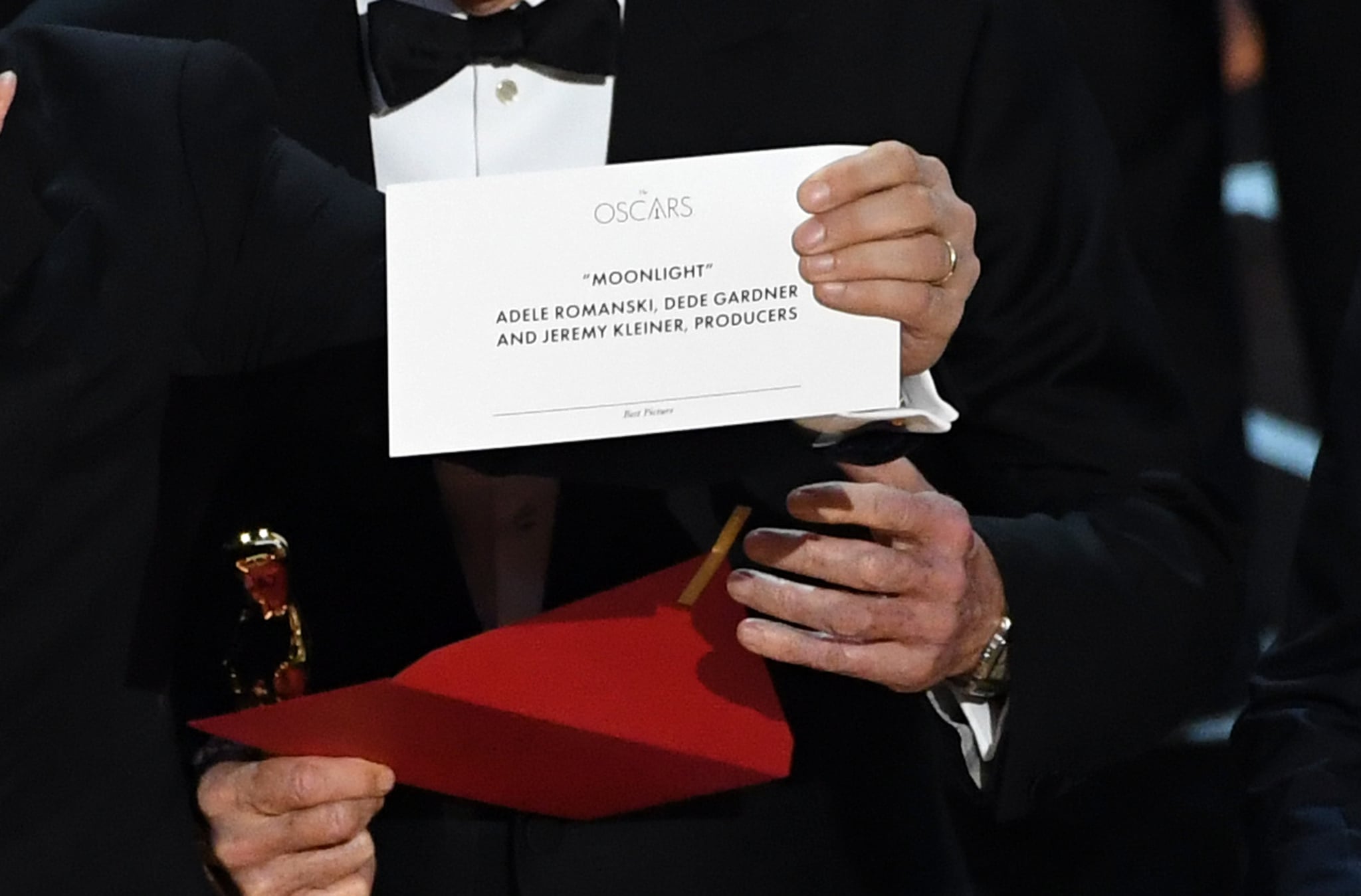
The 2017 ceremony was one of the most memorable in history, not just for the music, but for the infamous "Best Picture" mix-up between Moonlight and La La Land. However, the musical performances were equally noteworthy.
Justin Timberlake’s High-Energy Opener
In a departure from tradition, the show opened with Justin Timberlake performing "Can't Stop the Feeling!" rather than a comedic monologue. Timberlake walked through the aisles of the Dolby Theatre, getting the world's biggest movie stars to dance in their seats. This performance is still cited in 2026 as one of the best "vibe-setting" openers in Oscar history.
John Legend’s La La Land Medley
Because Ryan Gosling and Emma Stone did not perform their songs live during the ceremony, the Academy tapped John Legend (who also had a role in the film) to perform a medley of both "City of Stars" and "Audition." The performance featured dancers and a dreamy, Los Angeles-inspired set design that recreated the visual aesthetic of the film. Legend’s soulful rendition provided a fresh take on the tracks, although some purists missed the original actors' vocal performances.
Auli'i Cravalho and the Flag Incident
16-year-old Auli'i Cravalho performed "How Far I'll Go" with an introduction by Lin-Manuel Miranda. During the performance, which featured large blue flags meant to simulate the ocean, one of the dancers accidentally struck Cravalho in the head with a flag. Proving her professionalism at a young age, she didn't miss a beat and continued the song flawlessly, earning a standing ovation from the crowd and praise on social media.
Technical Eligibility and Voting Rules
The Best Original Song category is governed by specific rules set by the Academy of Motion Picture Arts and Sciences. Understanding these rules helps explain why certain songs are nominated and others are not.
- Originality: The work must be "original" and "written specifically for the motion picture." This means a pre-existing hit song used in a film (like those in Suicide Squad or Guardians of the Galaxy) is ineligible.
- Usage: The song must consist of words and music, both of which must be original. It must be used in the body of the motion picture or be the first music cue in the end credits.
- The "Submission" Rule: Usually, no more than two songs from any one film can be nominated. This rule was implemented after films like The Lion King and Dreamgirls dominated the category with three nominations each, which was thought to be unfair to other films. La La Land maximized this by securing the maximum two slots in 2017.
- The Writers' Prize: The Oscar goes to the songwriters (composers and lyricists), not the performers. In 2017, this meant Justin Hurwitz, Benj Pasek, and Justin Paul received the statues, even though Gosling and Stone were the faces of the song.
The Shift in Film Musicals: 2017 as a Turning Point
Looking back from the vantage point of 2026, the 2017 Oscars marked a significant turning point for the film musical genre. For several decades, the musical had been considered a "dead" or "niche" genre, primarily reserved for animated features.
La La Land’s success proved that original, live-action musicals could be both critical darlings and box-office powerhouses. This opened the door for a decade of musical films, including The Greatest Showman, West Side Story (2021), and the eventually acclaimed Wicked adaptations. The 2017 Best Original Song category was the catalyst that reminded the industry of the power of a well-integrated musical number.
Furthermore, the 2017 race highlighted the increasing "pop-ification" of the category. With Lin-Manuel Miranda and Justin Timberlake in the mix, the Academy was clearly looking to stay relevant to younger audiences and the music industry at large. This trend has continued through 2026, with major recording artists now routinely vying for Oscar gold.
Common Misconceptions About the 2017 Best Song Race
There are several persistent myths regarding the 2017 awards that often resurface in trivia and retrospectives.
- Myth: Emma Stone won a Grammy for "City of Stars." Actually, while the song was a hit, the Academy Award is for the songwriters. Stone did win the Best Actress Oscar that year, and the soundtrack won a Grammy later, but the "Best Original Song" Oscar itself belongs to Hurwitz, Pasek, and Paul.
- Myth: Only "City of Stars" was nominated from La La Land. As noted, "Audition" was also nominated. Having two songs in the top five is a rare feat that speaks to the total musical immersion of the film.
- Myth: Moana won the Oscar. Despite its massive popularity and Lin-Manuel Miranda's star power, Moana did not win. It was a victim of the La La Land "sweep" that characterized the early part of the 89th Academy Awards.
Frequently Asked Questions
Who performed "City of Stars" at the 2017 Oscars?
While Ryan Gosling and Emma Stone performed the song in the movie, they did not perform it at the 89th Academy Awards. Instead, John Legend performed a piano-led medley of "City of Stars" and "Audition (The Fools Who Dream)."
Did Lin-Manuel Miranda win an Oscar for Moana?
No. Lin-Manuel Miranda was nominated for Best Original Song for "How Far I'll Go," but the award went to the songwriters of La La Land. As of 2026, Miranda has multiple nominations but has continued to be a central figure in film music.
Why were two songs from La La Land nominated?
Academy rules allow a maximum of two songs from a single film to be nominated for Best Original Song. Because the La La Land soundtrack was both critically acclaimed and central to the film's narrative, the music branch of the Academy voted both "City of Stars" and "Audition" into the final five.
What is the most famous song from the 2017 Oscars?
In terms of commercial radio play, Justin Timberlake’s "Can't Stop the Feeling!" remains the most famous and widely played song globally. However, within the context of film history and the Oscars, "City of Stars" is the most significant as the winner and the symbol of the film's success.
Who are Pasek and Paul?
Benj Pasek and Justin Paul are an American songwriting duo. Following their 2017 Oscar win for La La Land, they became some of the most sought-after writers in Hollywood, contributing to The Greatest Showman, Aladdin (2019), and various Broadway productions.
Practical Recommendation for Film and Music Fans
For those looking to explore the music of 2017, the best way to experience these songs is within the context of their films. "City of Stars" loses much of its emotional weight without seeing the relationship dynamics between Sebastian and Mia. Similarly, "How Far I'll Go" is best understood alongside the visual storytelling of Moana’s journey.
If you are a songwriter or student of film, analyzing the 2017 nominees provides a masterclass in different styles: the "I Want" song (Moana), the narrative-driven ballad (Audition), the atmospheric duet (City of Stars), and the commercial anthem (Trolls). Listening to these tracks back-to-back offers a clear picture of what the Academy values: a blend of technical skill, narrative integration, and emotional resonance.