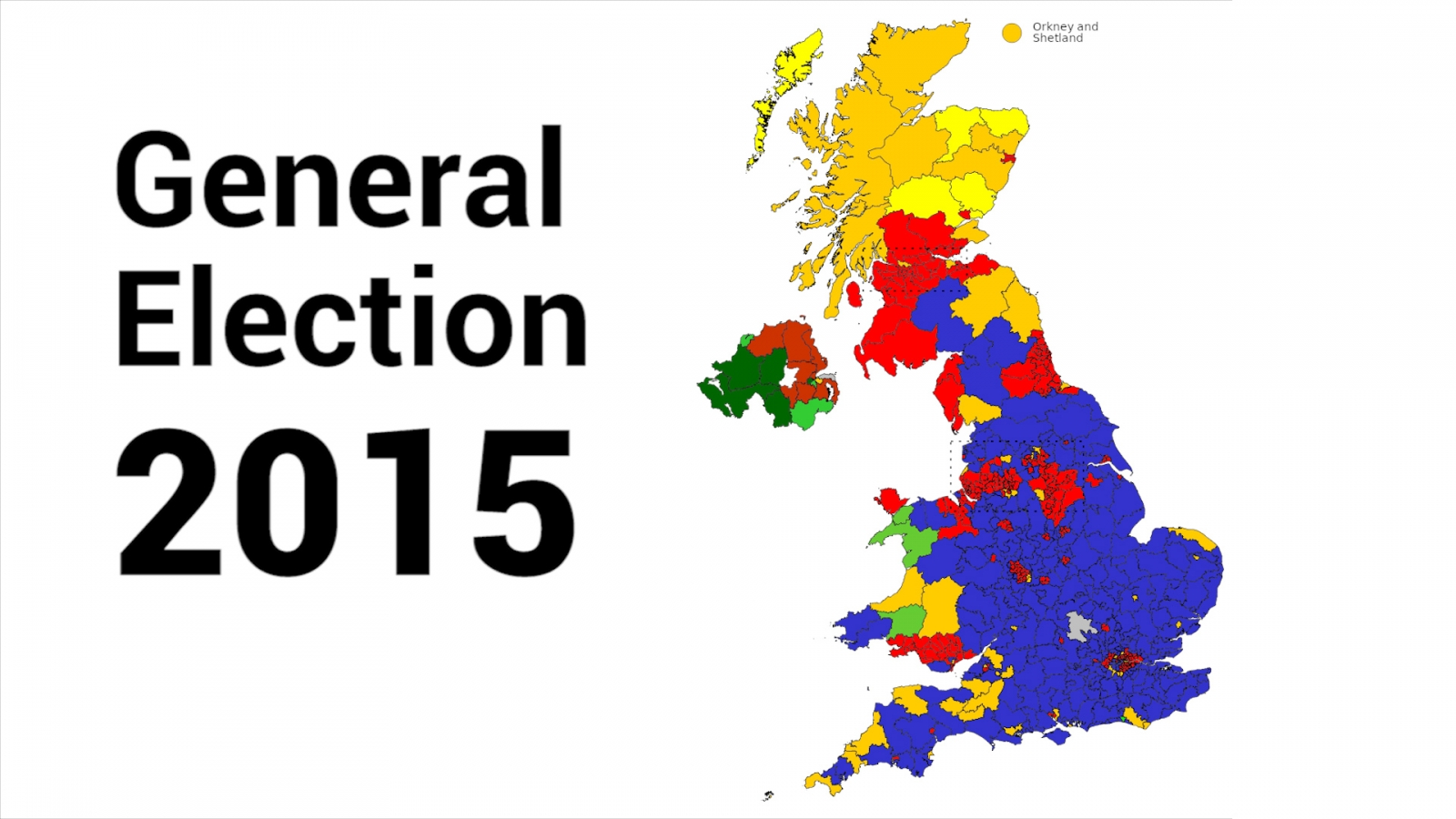
The 2015 elections marked a significant political turning point across multiple nations, reshaping global governance through historic power transitions, referendum outcomes, and shifts in parliamentary majorities. These contests highlighted emerging challenges in voter mobilization, economic dissatisfaction, and the evolving role of digital media in democratic processes.
Introduction to the 2015 Electoral Landscape
The year 2015 featured a diverse series of high-stakes national legislative and presidential contests across the globe. From the United Kingdom's unexpected parliamentary majority to major shifts in executive leadership in Nigeria, Greece, Canada, and Poland, these electoral events captured international attention. Rather than adhering to a single ideological pattern, the outcomes of the 2015 elections reflected distinct local grievances, regional security concerns, and economic pressures.
Understanding this cycle requires looking beyond basic vote counts. Analysts must examine the structural integrity of electoral commissions, campaign financing frameworks, constitutional rules, and the immediate socioeconomic contexts in which voters cast their ballots. This retrospective analysis explores the primary structural mechanics, key regional outcomes, and long-term institutional consequences of the 2015 elections.
Major National Elections of 2015
The United Kingdom General Election
Held on May 7, 2015, the UK general election resulted in a surprise Conservative Party majority under Prime Minister David Cameron. Pre-election polling consistently predicted a hung parliament, forcing pollsters and political scientists to reevaluate methodologies regarding shy voters and regional party surges.
- Key Outcome: The Conservative Party secured 330 out of 650 seats, permitting single-party governance.
- Major Shifts: The Scottish National Party (SNP) achieved a landslide victory in Scotland, winning 56 of the 59 available Scottish seats, largely at the expense of the Labour Party.
- Consequences: The Conservative manifesto included a commitment to hold an in-out referendum on European Union membership, setting the stage for the 2016 Brexit vote.
The Nigerian General Election
Conducted in March and April 2015, Nigeria's general election marked a historic milestone as the first time an incumbent president, Goodluck Jonathan, lost a democratic election to an opposition candidate, Muhammadu Buhari.
- Institutional Innovation: The widespread deployment of biometric Permanent Voter Cards (PVCs) and card reader technology aimed to curb electoral fraud and double voting.
- Security Context: Voting occurred under the shadow of the Boko Haram insurgency in northeastern states, requiring massive logistical coordination by the Independent National Electoral Commission (INEC).
- Democratic Impact: The peaceful handover of power reinforced democratic norms in West Africa, though technical failures with card readers in certain districts underscored ongoing administrative hurdles.
The Canadian Federal Election
On October 19, 2015, Canada experienced a dramatic political realignment. The Liberal Party, led by Justin Trudeau, vaulted from third-party status to a commanding majority government, defeating Stephen Harper’s Conservative administration.
- Campaign Dynamics: The Liberals campaigned on a platform of deficit-financed infrastructure spending, tax reforms for the middle class, and electoral reform.
- Turnout Surge: Voter turnout rose significantly to 68.3%, driven by high engagement among young voters and suburban populations.
Greek Legislative Elections
Greece held two legislative elections in 2015—in January and September—following intense economic crises and negotiations regarding international bailouts.
- Syriza's Rise: Led by Alexis Tsipras, the left-wing Syriza party capitalized on anti-austerity sentiment.
- Referendum Impact: The July 2015 Greek bailout referendum, where citizens rejected creditor terms before the government ultimately agreed to a subsequent rescue package, demonstrated the friction between populist mandates and structural economic realities.
Comparative Overview of Selected 2015 Elections
| Country | Date | Winning Party / Candidate | Significant Issue / Theme | Governing Majority Type |
|---|---|---|---|---|
| United Kingdom | May 7, 2015 | Conservative Party (David Cameron) | Austerity, EU Membership Referendum | Single-Party Majority |
| Nigeria | March 28, 2015 | All Progressives Congress (Muhammadu Buhari) | Corruption, Security, Biometric Verification | Executive & Legislative Shift |
| Canada | October 19, 2015 | Liberal Party (Justin Trudeau) | Middle-Class Economics, Electoral Reform | Single-Party Majority |
| Greece (Jan/Sep) | Jan 25 / Sept 20, 2015 | Syriza (Alexis Tsipras) | Sovereign Debt, Bailout Conditions | Coalition / Minority |
| Poland | October 25, 2015 | Law and Justice (PiS) | Social Welfare, Judicial Independence | Single-Party Majority |
Methodological and Administrative Challenges
Running free and fair elections requires overcoming administrative, legal, and technological obstacles. The 2015 electoral cycle exposed several persistent vulnerabilities in democratic infrastructure.
Voter Registration and Integrity
Maintaining accurate voter rolls remains foundational to election administration. In Nigeria, the introduction of biometric registration aimed to eliminate ghost voters. However, database synchronization issues and hardware malfunctions during authentication caused delays, forcing INEC to extend voting into secondary days in specific polling units.
Campaign Finance and Media Regulation
The regulation of campaign expenditures varied widely across jurisdictions. In the UK, the Political Parties, Elections and Referendums Act 2000 governed spending limits, though subsequent investigations scrutinized local campaign expense declarations. Meanwhile, the growing influence of digital advertising began to outpace regulatory frameworks, making it difficult for electoral watchdogs to monitor online micro-targeting and foreign interference.
Polling Accuracy and Public Sentiment
The 2015 UK general election laid bare systemic flaws in pre-election polling models. Quota sampling methods failed to capture representative cross-sections of the electorate, leading to widespread miscalculations. This failure prompted the British Polling Council to commission an independent inquiry, which recommended methodological revisions regarding sample weighting and likelihood-to-vote algorithms.
Long-Term Political and Economic Aftermath
The decisions made by voters in 2015 altered the trajectory of domestic policy and international relations for years to follow.
- Constitutional and Institutional Realignments: In countries like Poland and the UK, the 2015 victors instituted major changes to state architecture. The Law and Justice party in Poland initiated sweeping judicial overhauls, while the UK government laid the groundwork for constitutional debates regarding devolution and European integration.
- Economic Policy Shifts: Canada's pivot toward fiscal stimulus contrasted with European austerity measures implemented in Greece and Spain. These divergent approaches provided economists with empirical case studies on the efficacy of Keynesian versus contractionary policies during post-recession recovery periods.
- Technological Adaptation: The successes and failures of electronic verification systems in 2015 accelerated discussions on cybersecurity, data privacy, and the resilience of critical democratic infrastructure against disinformation campaigns.
Frequently Asked Questions
What made the 2015 United Kingdom general election unique?
The 2015 UK general election defied conventional pre-election polling by delivering a decisive Conservative majority instead of a hung parliament. It also featured a historic realignment in Scotland, where the SNP captured nearly all Scottish seats, fundamentally altering the parliamentary representation of the region.
How did technology impact the 2015 Nigerian general election?
Nigeria deployed biometric Permanent Voter Cards (PVCs) and electronic card readers for the first time on a national scale. This technology aimed to authenticate voters and prevent identity fraud, though technical glitches and delays in remote areas tested administrative resilience.
Why did Greece hold two national elections in 2015?
Greece held snap elections in January and September 2015 due to political instability stemming from negotiations with international creditors over sovereign debt bailouts. The January election brought Syriza to power on an anti-austerity platform, while the September election followed internal party splits and a national referendum regarding bailout terms.
What were the primary campaign issues in the 2015 Canadian federal election?
The key issues centered on economic stewardship, income inequality, environmental policy, and national security legislation. The Liberal Party successfully campaigned on promises of infrastructure investments funded by modest deficits and tax adjustments favoring middle-income families.
How did the 2015 elections influence subsequent global political trends?
The 2015 cycle highlighted rising populist movements, regional nationalism, and deep public skepticism toward established political elites. Outcomes such as the UK's impending EU referendum and shifts in European and African governance set precedents for subsequent geopolitical realignments.
Conclusion and Historical Significance
The 2015 elections serve as a critical case study in modern political science. They demonstrated that democratic systems remain adaptable yet vulnerable to sudden shifts in public sentiment, economic shocks, and technological disruption. By evaluating the administrative hurdles, campaign strategies, and long-term governance consequences of these contests, observers gain essential context for understanding contemporary democratic resilience and institutional design.