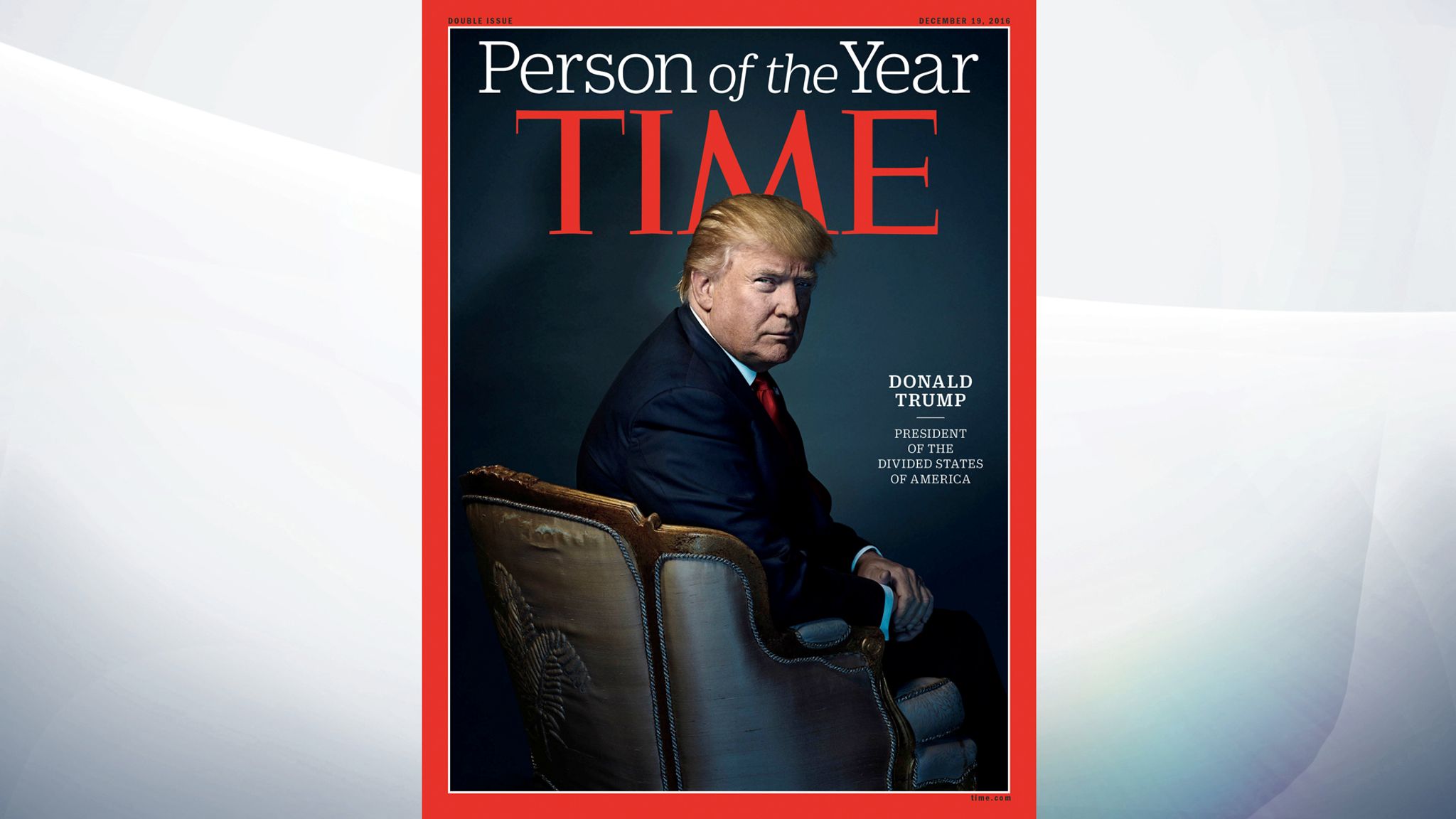
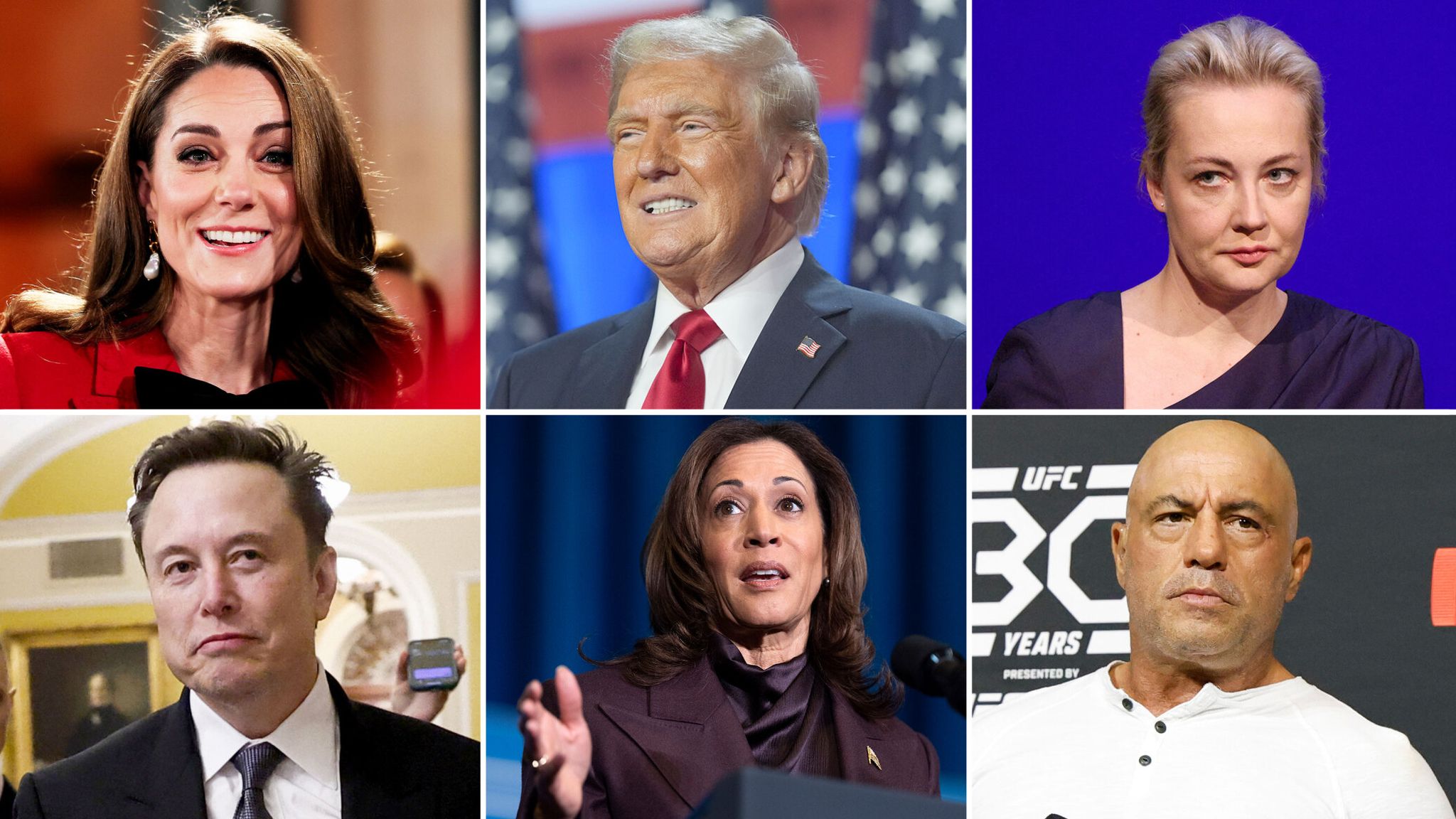
Donald Trump was named the 2016 Time Person of the Year, a choice that reflected the seismic political shifts of that year, recognizing his unexpected presidential election victory and the profound polarization he introduced to global politics.
Introduction to the 2016 Time Person of the Year Designation
Every December, Time magazine selects the Person of the Year—not as an endorsement, a popularity contest, or an honorary award, but as an acknowledgment of the individual, group, or concept that had the most influence on the news and our lives over the past twelve months, for better or for worse. In December 2016, amidst a backdrop of global political upheaval, populist movements, and institutional rejection, Time named Donald J. Trump, the president-elect of the United States, as its Person of the Year for 2016.
The announcement immediately sparked intense public debate, media analysis, and cultural soul-searching. To understand why this choice mattered, one must examine not only the mechanics of Time magazine’s editorial tradition but also the unique socio-political climate of 2016. This article explores the winner, the runner-ups, the historical context of the franchise, the explicit reasoning behind the selection, and the lasting implications of how a single title can capture the fracture lines of an entire era.
Understanding the Time Person of the Year Tradition
Before evaluating the 2016 selection, it is essential to clarify what the franchise actually represents. Established in 1927 as "Man of the Year" (later updated to "Person of the Year" in 1999), the title is frequently misunderstood by the general public as a badge of honor or moral validation.
The Core Criteria
- Influence Over News: The primary benchmark is the degree of direct impact an entity had on the year’s major news stories.
- Power for Good or Ill: The subject can be a force for constructive change or a catalyst for destructive disruption. Past selections have included figures universally condemned by history, such as Adolf Hitler in 1938 and Joseph Stalin (twice), precisely because their actions drastically altered the course of human events.
- Cultural Resonance: The selected figure must embody the underlying spirit—often the anxieties and conflicts—of the current historical moment.
When viewed through these parameters, the 2016 designation was entirely consistent with the historical tradition of the magazine, even if the real-world consequences of the choice felt exceptionally raw and immediate to millions of readers.
The 2016 Shortlist and Runners-Up
The editorial board does not make its final choice in a vacuum; it weighs a shortlist of individuals and groups who defined the year's cultural and political landscape. The 2016 shortlist featured a diverse array of figures, each representing different facets of global transformation:
| Candidate / Group | Primary Sphere of Influence | Nature of Impact in 2016 |
|---|---|---|
| Donald Trump | Politics / United States | Defeated establishment expectations to win the U.S. presidency. |
| Hillary Clinton | Politics / United States | Democratic nominee, winning the popular vote in a historic campaign. |
| Silicon Valley Hackers | Technology / Global | Implicated in data breaches, election interference, and digital manipulation. |
| Recep Tayyip Erdoğan | Politics / Turkey | Consolidated immense executive power following a failed military coup. |
| Narendra Modi | Politics / India | Spearheaded major economic reforms and maintained massive popularity. |
| The "Crusaders" | Activism / Social Justice | Scientists and researchers who advanced CRISPR gene-editing technology. |
| Beyoncé | Entertainment / Culture | Redefined pop culture and social discourse through visual albums and activism. |
The inclusion of figures like Hillary Clinton and the Silicon Valley hackers alongside Donald Trump demonstrated how Time sought to frame the narrative of 2016 not just as a singular American political victory, but as a clash between established norms, progressive demographic shifts, and disruptive technological and populist forces.
The Editorial Reasoning: Why Donald Trump Won
In the cover story accompanying the 2016 announcement, Time managing editor Nancy Gibbs explained the selection with a subtitle that became instantly iconic: "Donald Trump: President of the Divided States of America." The rationale hinged on several key pillars of observation.
1. The Shock of the U.S. Election
Few events in modern political history matched the sheer predictive shock of the November 8, 2016, U.S. presidential election. Pundits, pollsters, and international observers had widely anticipated a victory for Democratic nominee Hillary Clinton. Trump’s campaign—built on a populist platform of economic nationalism, skepticism of global trade agreements, strict immigration controls, and an explicit rejection of political correctness—overturned decades of political orthodoxy. By winning the electoral college, Trump fundamentally redrew the electoral map of the United States, mobilizing working-class voters in the Rust Belt who had felt abandoned by both major political parties.
2. Rewriting the Rules of Communication
Trump revolutionized political communication by bypassing traditional media gatekeepers. Through his prolific use of Twitter (now X), he spoke directly to tens of millions of citizens, setting the daily news cycle, attacking critics, and neutralizing standard political scandals that would have sunk traditional candidates. This direct-to-consumer political model changed how future politicians across the global spectrum would campaign and govern.
3. Challenging Established Institutions
Beyond the election itself, Trump's appeal lay in his willingness to attack core American institutions—mainstream journalism, the intelligence community, the judiciary, and both the Democratic and Republican party establishments. For his supporters, this made him a vital wrecking ball against a corrupt status quo. For his detractors, it signaled an existential threat to democratic norms, institutional stability, and the post-World War II liberal international order.
The Global Context: Populism and the Rise of "The Outsider"
To understand why the 2016 designation mattered, one must look outward beyond Washington, D.C. The year 2016 was marked by a broader international wave of anti-establishment sentiment and nationalist populism.
- The Brexit Referendum: Just months before the U.S. election, British voters chose to leave the European Union in the June 2016 Brexit referendum, defying global financial and political consensus.
- European Nationalist Movements: Right-wing populist parties gained substantial momentum in France, Germany, Italy, and Hungary, challenging the stability of the European project.
- Disillusionment with Globalization: Across Western democracies, stagnant median wages, rising income inequality, and cultural anxieties surrounding immigration created fertile ground for leaders who promised to restore national sovereignty and economic protectionism.
By naming Trump Person of the Year, Time captured this global zeitgeist. Trump was not merely an American anomaly; he was the most prominent manifestation of a worldwide revolt against globalism, technocracy, and elite consensus.
The Cultural and Media Backlash
The announcement was met with immediate polarization. On the morning of the reveal, Time ran the cover with the headline "President of the Divided States of America," using the red letter "M" in the magazine's logo to double as devil horns positioned over Trump's head—a design choice that drew criticism from both sides of the political aisle.
Criticisms from the Left and Moderate Insiders
Many critics argued that giving the title to Trump normalized rhetoric and behavior they considered dangerous, xenophobic, and misogynistic. Critics pointed out that giving a prestigious platform to a figure accused of undermining democratic norms rewarded disruptive and truth-bending political tactics. Others noted that Hillary Clinton had won nearly three million more individual votes in the popular election, arguing that the focus should have reflected the popular majority rather than the mechanics of the Electoral College.
Responses from the Right
Conversely, conservative commentators argued that the media establishment was still grappling with its own irrelevance and bias. Many felt the cover art and accompanying essay betrayed lingering resentment from a cultural elite that had failed to anticipate the populist wave. They viewed the designation as a belated and grudging acknowledgment of a political genius who had outmaneuvered a hostile press corps and a multi-billion-dollar political machine.
Historical Legacy: Looking Back from 2026
A decade removed from the events of 2016, the historical perspective on that year's Person of the Year designation has sharpened considerably. The political realignments catalyzed in 2016 did not prove to be a temporary aberration; they became the defining paradigm of contemporary global politics.
The playbook established during the 2016 campaign—characterized by grievance-driven populism, digital direct-to-voter messaging, institutional skepticism, and deep cultural polarization—has been replicated by political movements across the ideological spectrum worldwide. Furthermore, the debates sparked by Time's decision forced media organizations to re-examine how they cover populist movements, balancing the obligation to report on profound disruptions with the challenge of maintaining democratic accountability.
Ultimately, the 2016 selection mattered because it did not merely record history; it named the storm that permanently altered the political climate of the twenty-first century.
Frequently Asked Questions
Does being named Time Person of the Year mean the person is admired or respected?
No. The title is explicitly awarded to the individual, group, or concept that had the most influence on the news and the lives of people over the past year, for better or for worse. Historically, notorious dictators, controversial autocrats, and polarizing politicians have received the designation because their actions drove global headlines.
Who runner-up for the 2016 Time Person of the Year?
The runner-up position is not always formally ranked, but Time released a shortlist that included Democratic presidential nominee Hillary Clinton, hackers who interfered in the U.S. election, Turkish President Recep Tayyip Erdoğan, Indian Prime Minister Narendra Modi, and CRISPR scientists, among others.
Why did Time place devil horns on Donald Trump's head on the 2016 cover?
The iconic red "M" in the Time logo was positioned directly above Trump's head in a way that visually resembled devil horns. This design choice sparked widespread debate about whether the magazine was editorializing against him or merely using classic graphic design motifs to reflect the controversial and divisive nature of his victory.
Did Donald Trump win Time Person of the Year more than once?
While Donald Trump was heavily featured and remained a central figure in global news throughout his presidency and subsequent political career, 2016 marked the specific year he was awarded the formal Person of the Year title for his groundbreaking electoral victory.
How are candidates for Time Person of the Year chosen?
The final decision rests entirely with the editors of Time magazine, though they take into account global news impact, reader polls (which are non-binding), and the ongoing debates within their editorial board regarding who truly shaped the global narrative of the year.
Conclusion and Next Actions
To fully grasp the magnitude of the political and cultural shifts of the modern era, analysts, students of history, and political observers must study the events of 2016 with clear eyes. Reviewing the original Time feature stories, analyzing the demographic voting shifts of the 2016 U.S. election, and examining the parallel rise of global populist movements provide essential context for understanding contemporary governance, media ecosystems, and societal division. For further research, examine archival election data, academic studies on digital political campaigning, and contemporary journalistic retrospectives on the decade following the 2016 political turning point.