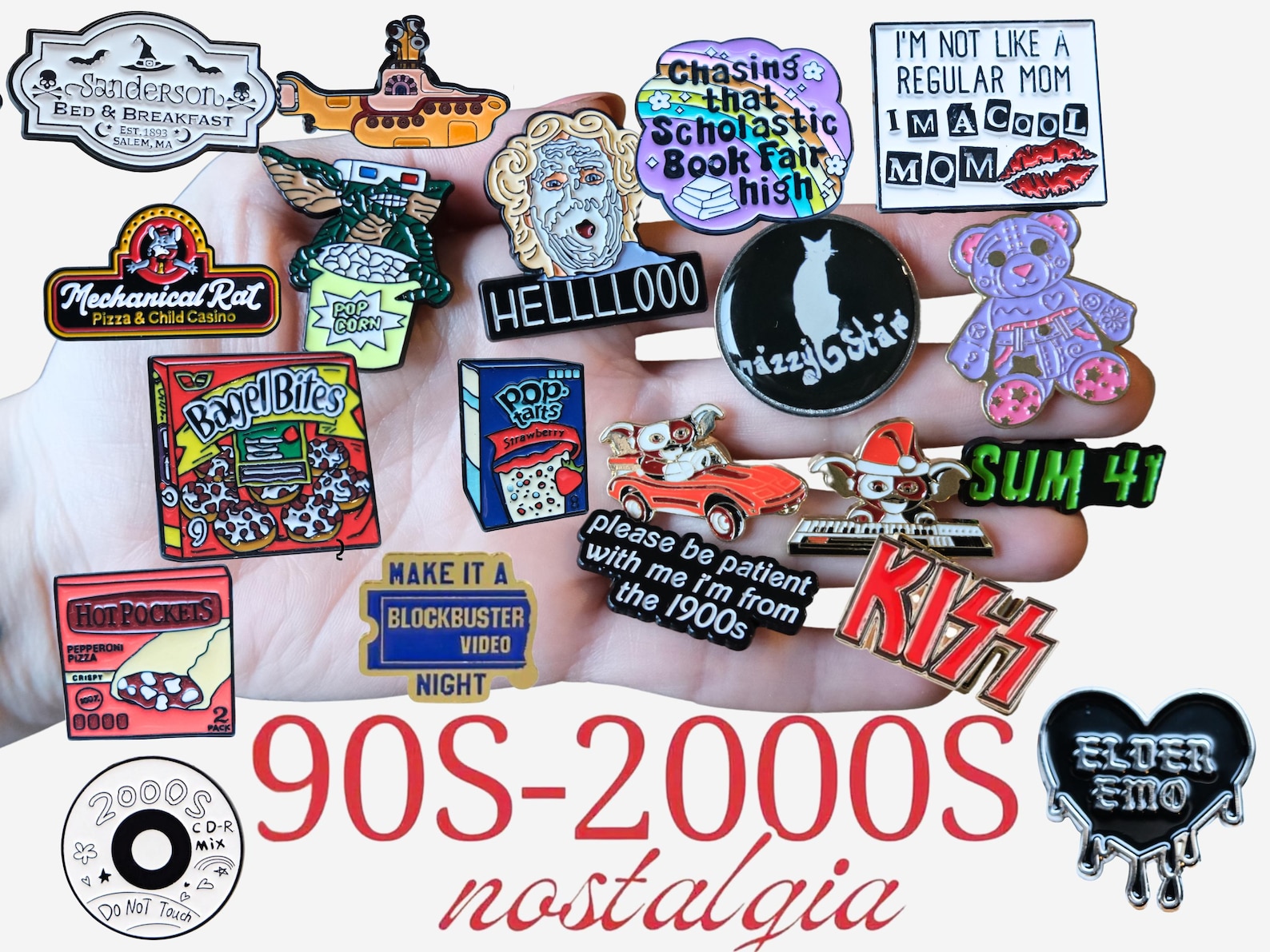
1990s pop culture represents a transformative era defined by the explosive rise of alternative rock, the dawn of the digital and internet age, groundbreaking television formats, and a distinct minimalist-meets-grunge aesthetic that continues to influence contemporary trends.
The Cultural Landscape of the 1990s
The final decade of the 20th century was marked by a unique paradox. It bridged the analog world of physical media, landline telephones, and CRT televisions with the nascent infrastructure of the digital age, characterized by dial-up internet, mobile phones, and early home computing. This technological transition fostered a distinct cultural identity rooted in irony, skepticism of corporate media, and a celebration of grassroots authenticity.
Pop culture in this decade was not monolithic. Instead, it fractured into distinct subcultures—grunge, hip-hop, rave culture, and indie cinema—that achieved mainstream prominence without entirely losing their countercultural edges. Understanding 1990s pop culture requires examining how these movements intersected across music, television, film, fashion, and technology.
Music Movements: Grunge, Hip-Hop, and the Teen Pop Explosion
The musical landscape of the 1990s shifted dramatically from the polished, synthesized sounds of the 1980s to raw, guitar-driven anthems and rhythm-heavy beats.
The Grunge Revolution
Originating in the Pacific Northwest, particularly Seattle, grunge music dismantled the glossy excess of 1980s hair metal. Bands like Nirvana, Pearl Jam, Soundgarden, and Alice in Chains brought a sense of angst, disillusionment, and DIY ethos to the forefront of global culture.
- Nirvana and Nevermind: Released in 1991, Nirvana's second studio album knocked Michael Jackson's Dangerous off the top of the Billboard 200, signaling a permanent shift in mainstream musical tastes.
- The Anti-Fashion Statement: The music was paired with an effortless, thrift-store fashion aesthetic—flannel shirts, ripped jeans, combat boots, and oversized cardigans—that quickly became a global youth uniform.
The Golden Age of Hip-Hop
The 1990s is widely regarded as the golden age of hip-hop, marked by lyrical complexity, regional rivalries, and immense commercial growth. The decade saw the definitive emergence of both East Coast and West Coast scenes, launching artists who became global icons.
- West Coast Dominance: Dr. Dre, Snoop Dogg, and Tupac Shakur popularized G-funk, blending synthesizer-heavy funk loops with gritty street narratives.
- East Coast Counterbalance: The Notorious B.I.G., Nas, Wu-Tang Clan, and Jay-Z delivered intricate storytelling, jazz-infused sampling, and sharp lyrical dexterity.
- Alternative Hip-Hop: Groups like A Tribe Called Quest and De La Soul introduced bohemian aesthetics and eclectic samples, expanding the boundaries of the genre.
The Late-Decade Teen Pop Resurgence
By the late 1990s, the pendulum swung back toward hyper-polished commercial pop. Powered by independent record labels, boy bands and teen idols dominated the charts. Acts like the Backstreet Boys, *NSYNC, Britney Spears, and Christina Aguilera set the stage for the millennial pop explosion, driven by heavy rotation on MTV's Total Request Live (TRL).
Television and the Golden Age of Sitcoms and Dramas
Television in the 1990s occupied a unique cultural space before the fragmentation caused by streaming services. Millions of viewers tuned into shared, synchronous broadcasting events that dictated watercooler conversations the following morning.
The Sitcom Renaissance
The decade refined the family sitcom and introduced the "hangout" sitcom—shows centered on groups of close friends navigating urban life.
- Seinfeld: Self-described as "a show about nothing," this culturally seismic comedy subverted traditional sitcom tropes by focusing on the mundane absurdities of daily life and social etiquette.
- Friends: Premiering in 1994, the series defined 1990s lifestyle aesthetics, fashion, and apartment living for millions of young adults globally.
- The Simpsons: Cementing its status as a cultural institution, the animated series provided biting social satire and set a new standard for prime-time animation.
Peak Drama and Cable Pioneers
While broadcast networks dominated, the late 1990s planted the seeds for modern prestige television.
- The X-Files: Blending government conspiracy theories, paranormal investigations, and serialized mythologies, the show captured the paranoid zeitgeist of the pre-millennium era.
- Twin Peaks: David Lynch's surreal mystery series challenged traditional narrative structures, proving that auteur-driven cinematic storytelling could succeed on television.
- Teen Dramas: Shows like Beverly Hills, 90210, Dawson's Creek, and My So-Called Life validated adolescent emotional experiences and created dedicated fandoms.
Cinema: Blockbusters, Indies, and Digital Pioneers
The cinematic landscape of the 1990s was characterized by a healthy coexistence between high-concept studio blockbusters and a thriving independent film movement.
The Independent Film Boom
Fueled by the success of the 1989 film Sex, Lies, and Videotape, independent cinema experienced a massive commercial and critical renaissance throughout the decade.
- Miramax and Sundance: Studios like Miramax championed auteurs who blended genre tropes with sharp, stylized dialogue and non-linear storytelling.
- Quentin Tarantino: Reservoir Dogs (1992) and Pulp Fiction (1994) redefined American indie cinema with their graphic violence, pop-culture-heavy dialogue, and fragmented timelines.
- Global Auteurs: Filmmakers like the Coen brothers (Fargo), David Fincher (Se7en), and Richard Linklater (Slacker, Dazed and Confused) established distinct stylistic voices that influenced generations of filmmakers.
CGI and the Modern Blockbuster
Technological advancements revolutionized visual effects, moving practical effects closer to computer-generated imagery (CGI).
- Jurassic Park (1993): Steven Spielberg's masterpiece seamlessly combined animatronics with groundbreaking CGI dinosaurs, permanently altering the standards of visual effects in blockbuster filmmaking.
- Titanic (1997): James Cameron's historical romance combined sweeping scale, practical set design, and digital water effects to become the highest-grossing film in history up to that point, a title it held for over a decade.
Fashion and Aesthetics: Minimalism, Grunge, and Streetwear
Fashion in the 1990s moved away from the neon extravagance and structured power suits of the 1980s, favoring two opposing aesthetic poles: anti-fashion grunge and clean, minimalist tailoring.
- Minimalism: Designers like Calvin Klein, Helmut Lang, and Prada popularized a stripped-down aesthetic characterized by neutral color palettes, slip dresses, and unadorned silhouettes.
- Streetwear and Athleticism: The rise of hip-hop culture brought oversized athletic wear, baggy denim, windbreakers, and iconic footwear—such as the Nike Air Jordan line and Adidas tracksuits—into mainstream fashion.
- Accessories: Chokers, slap bracelets, bucket hats, jelly shoes, and Doc Martens boots defined the accessory landscape for teenagers and young adults.
| Subculture / Trend | Key Characteristics | Iconic Figures / Brands | Primary Media Outlet |
|---|---|---|---|
| Grunge | Flannel, ripped denim, unstyled hair, combat boots | Nirvana, Pearl Jam, Marc Jacobs | MTV, Rolling Stone |
| Hip-Hop / Streetwear | Oversized clothing, sneakers, gold chains, sports jerseys | Tupac Shakur, Snoop Dogg, Karl Kani | The Source, Yo! MTV Raps |
| Minimalism | Slip dresses, neutral tones, clean lines, simple silhouettes | Calvin Klein, Kate Moss, Winona Ryder | Vogue, Harper's Bazaar |
| Teen Pop | Bright outfits, boy band aesthetics, choreographed music videos | Britney Spears, Backstreet Boys, *NSYNC | TRL (Total Request Live) |
Technology and the Digital Awakening
The 1990s laid the structural foundation for modern digital life. While the decade began with paper maps, cassette tapes, and encyclopedias, it ended with personal computers in millions of homes and the commercialization of the internet.
- The World Wide Web: Introduced to the public domain in the early 1990s, the web evolved from static text-based pages to vibrant digital spaces with the launch of Netscape Navigator in 1994 and search engines like Yahoo! and Google later in the decade.
- Home Computing: The proliferation of Windows 95 revolutionized user interfaces, making home PCs accessible to non-technical consumers.
- Portable Media: The Sony Discman and the Nintendo Game Boy dominated leisure time, while early digital cameras and home video camcorders began capturing everyday life in digital formats.
Frequently Asked Questions
What defined the shift in music from the 1980s to the 1990s?
The shift was defined by a rejection of glossy, highly produced 1980s hair metal and synth-pop in favor of the raw, emotionally heavy sounds of grunge and alternative rock, alongside the mainstream commercial breakthrough of hip-hop. This change emphasized authenticity, DIY production values, and unpolished aesthetics.
How did television viewing habits in the 1990s differ from today?
In the 1990s, television viewing was synchronous and communal. Audiences relied on scheduled broadcast or cable television, creating massive shared cultural moments where millions of viewers watched the same episode of a show or series finale simultaneously, unlike today's on-demand, fragmented streaming ecosystem.
What were the dominant fashion trends of the decade?
The decade featured two primary fashion extremes: minimalist clothing characterized by neutral colors and simple slip dresses, and grunge/streetwear styles featuring flannel shirts, oversized denim, combat boots, and prominent sportswear branding.
Why is 1990s cinema considered a high point for independent film?
The 1990s saw the commercial and critical validation of independent cinema through distributors like Miramax and the Sundance Film Festival. Filmmakers were given greater creative freedom to experiment with non-linear storytelling, dark humor, and gritty subject matter outside major studio formulas.
How did the internet change pop culture during this decade?
The public rollout of the internet in the 1990s transformed communication, fan culture, and information access. Early message boards, fan sites, and email allowed enthusiasts to connect globally over shared pop culture interests for the first time, laying the groundwork for modern digital fandoms.
Next Actions and Exploration
To further explore 1990s pop culture, examine primary sources from the era, such as archived episodes of MTV's Total Request Live, seminal music releases from 1991 and 1994, and foundational independent films. Reviewing cultural retrospectives can also provide deeper context on how the media landscape of this transitional decade continues to shape contemporary entertainment.