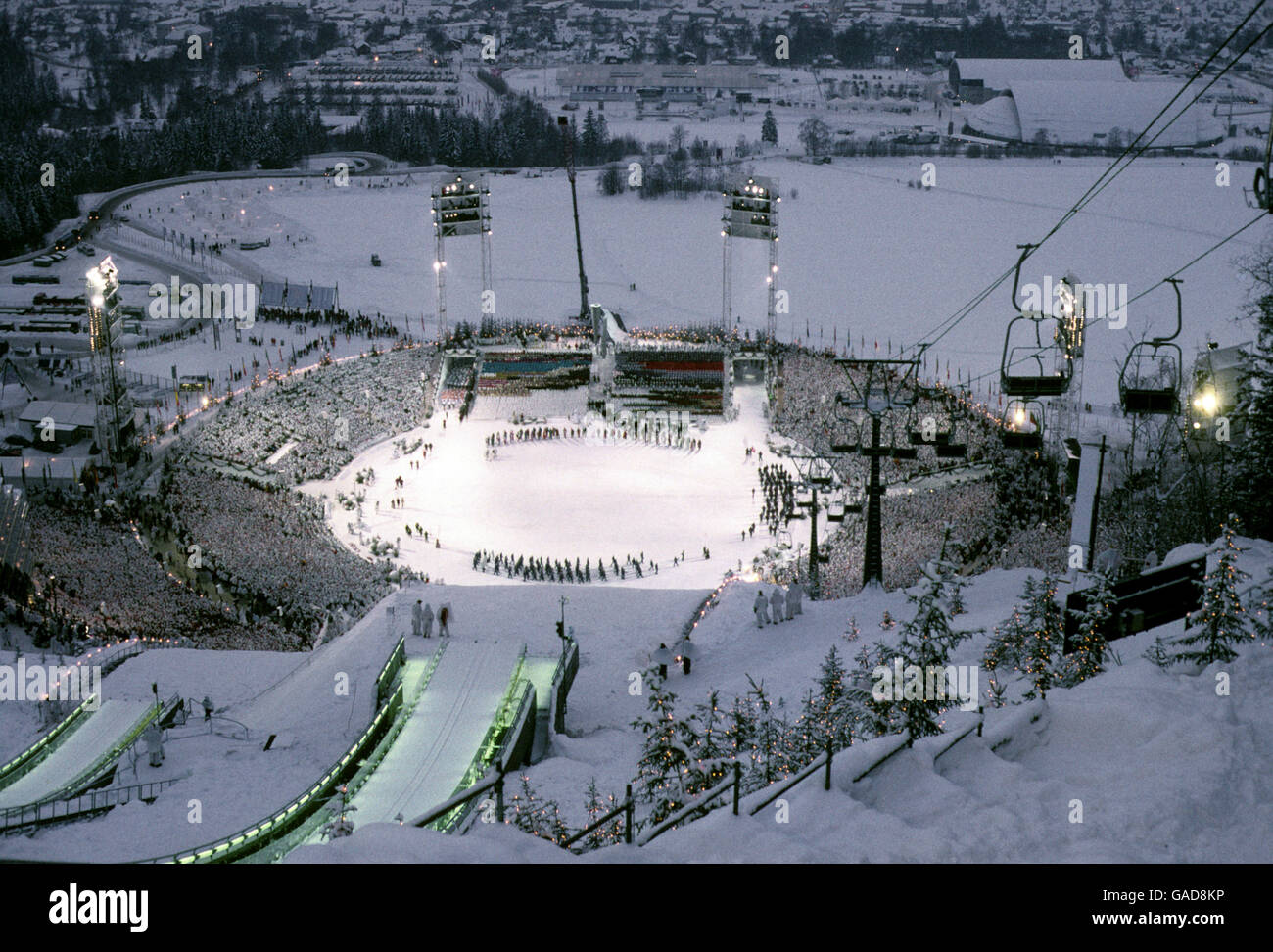
The 1994 Winter Olympics, officially known as the XVII Olympic Winter Games, were held in Lillehammer, Norway, from February 12 to 27, 1994. Renowned for their tight organization, environmental focus, and intense athletic rivalries—most notably between figure skaters Tonya Harding and Nancy Kerrigan—these Games remain a gold standard for the modern Olympic movement.
Historical Context and the Olympic Cycle Shift
The 1994 Winter Olympics occupy a unique place in sports history because of a major structural change implemented by the International Olympic Committee (IOC). Prior to 1994, Summer and Winter Olympic Games were held in the same calendar year. Following a 1986 IOC vote, this cycle was altered to stagger the events, creating a two-year alternating pattern between Summer and Winter Games.
As a result, the 1994 Lillehammer Games took place just two years after the preceding Winter Olympics in Albertville, France (1992). This unprecedented scheduling decision was designed to ease the financial and logistical burden on host cities, enhance the global marketing profile of both events, and provide athletes with more distinct windows for peak competition. Despite the short two-year turnaround, Norway delivered a meticulously planned event that leveraged its deep cultural affinity for winter sports.
Bidding and Preparation: The Lillehammer Bid
Lillehammer’s path to hosting the 1994 Winter Games was characterized by a strong community-driven focus and a commitment to sustainability—a concept far less prominent in bidding processes at the time. Lillehammer defeated bids from Anchorage (United States), Östersund (Sweden), and Sofia (Bulgaria) during the IOC session in Seoul on September 15, 1988.
Norwegian organizers emphasized compact venue planning, environmental protection, and a celebration of Scandinavian winter culture. Venues such as the Vikingskipet (Hamar Olympic Hall) for speed skating and the Kanthaugen Freestyle Arena were engineered to blend into the natural topography while minimizing ecological disruption. Organizers also prioritized public transportation and energy-efficient architecture, setting early benchmarks for green event management in international sports.
Iconic Sports and Athletic Highlights
The 1994 Games featured 61 events across 6 sports and 12 disciplines. The competition showcased historic performances across multiple disciplines, cementing the legacies of several legendary winter athletes.
Cross-Country Skiing and Biathlon Excellence
Host nation Norway dominated the endurance events, fueled by partisan home crowds. Bjørn Dæhlie captured two gold medals and two silvers in cross-country skiing, solidifying his status as one of the most decorated Winter Olympians in history. In women's cross-country, Russian skier Lyubov Yegorova won three gold medals. In biathlon, the legendary Belarusian athlete Aleksandr Popov and Canada's Myriam Bédard delivered masterclasses in precision and speed.
Alpine Skiing and Sliding Sports
In alpine skiing, Germany’s Katja Seizinger claimed gold in the downhill, while Norway’s Kjetil André Aamodt and Johann Olav Koss captivated local fans. Koss achieved legendary status by winning three gold medals in speed skating (5,000m, 10,000m, and 1,500m), donating his entire prize money to the Norwegian Relief Organization.
| Athlete | Country | Sport | Medals Won at Lillehammer 1994 |
|---|---|---|---|
| Johann Olav Koss | Norway | Speed Skating | 3 Gold (5000m, 10000m, 15000m) |
| Bjørn Dæhlie | Norway | Cross-Country Skiing | 2 Gold, 2 Silver |
| Lyubov Yegorova | Russia | Cross-Country Skiing | 3 Gold, 1 Silver |
| Manuela Di Centa | Italy | Cross-Country Skiing | 2 Gold, 2 Silver, 1 Bronze |
| Bonnie Blair | United States | Speed Skating | 2 Gold (500m, 1000m) |
The Harding-Kerrigan Media Phenomenon
While the athletic feats were extraordinary, the 1994 Winter Olympics are equally remembered for an unprecedented media circus surrounding the U.S. women's figure skating team. On January 6, 1994, just weeks before the Games, Nancy Kerrigan was attacked on the knee by an assailant linked to the ex-husband of her rival, Tonya Harding.
The incident triggered a global news frenzy, transforming the Lillehammer ice arena into the most heavily scrutinized sporting venue in history. Security details surrounded both skaters throughout the event. In the competition, Oksana Baiul of Ukraine won the gold medal, Nancy Kerrigan captured the silver, and Tonya Harding finished eighth after struggling with skate equipment issues. The event remains a watershed moment in the intersection of tabloid culture, criminal investigation, and elite sports journalism.
Medal Table Summary
The competitive landscape of the 1994 Winter Olympics reflected traditional winter sports powerhouses, with Nordic and Alpine nations leading the charge. Russia topped the overall medal table, driven by strong performances in cross-country skiing, biathlon, and figure skating. Norway closely followed, benefiting enormously from home-field advantage.
- Russia: 11 Gold, 8 Silver, 4 Bronze (Total: 23)
- Norway: 10 Gold, 11 Silver, 5 Bronze (Total: 26)
- Germany: 9 Gold, 7 Silver, 8 Bronze (Total: 24)
- United States: 6 Gold, 5 Silver, 2 Bronze (Total: 13)
- Canada: 3 Gold, 6 Silver, 4 Bronze (Total: 13)
Environmental Legacy and Modern Impact
Lillehammer 1994 is frequently cited by the International Olympic Committee as a turning point for environmental responsibility in sports administration. Prior to these Games, ecological considerations were secondary to infrastructure scale and commercial appeal. The Lillehammer Olympic Organizing Committee (LOOC) worked closely with environmental groups such as Norges Naturvernforbund to establish green procurement policies, protect local wildlife habitats, and ensure post-Games utility for all constructed facilities.
Many venues remain operational today, serving as training centers for elite athletes and community recreational hubs. This avoided the phenomenon of "white elephants"—costly, abandoned stadiums that have plagued subsequent Olympic hosts. Furthermore, the success of the Lillehammer security and logistics model established modern standards for managing large-scale international gatherings in compact, non-urban environments.
Frequently Asked Questions
Why were the 1994 Winter Olympics held only two years after the 1992 Games?
The IOC voted in 1986 to separate the Summer and Winter Games into alternating even-numbered years starting in 1994. This decision aimed to reduce the financial strain on host cities and maximize global television and marketing exposure for both competitions.
Who won the most gold medals at the 1994 Winter Olympics?
Russian speed skater and cross-country skiers performed exceptionally well, but individual athletes like Johann Olav Koss (Norway) and Lyubov Yegorova (Russia) stood out by securing three gold medals each in their respective sports.
What was the controversy involving Tonya Harding and Nancy Kerrigan?
Nancy Kerrigan was attacked by an assailant connected to Tonya Harding's ex-husband prior to the U.S. Olympic Trials. Both skaters competed in Lillehammer under intense media scrutiny, where Kerrigan won the silver medal and Harding finished eighth.
How did Lillehammer 1994 impact future Olympic environmental standards?
Lillehammer was the first Winter Games to integrate comprehensive environmental impact assessments, green building codes, and post-event venue utilization plans, setting a precedent for sustainability requirements in future Olympic bidding cycles.
Practical Takeaways and Next Actions
For researchers, sports historians, and Olympic enthusiasts exploring the 1994 Winter Games, reviewing official IOC archives and post-event environmental audits provides valuable insight into sports governance. To dive deeper into the logistical history, examine the official LOOC final reports or explore documentary analyses of the 1994 figure skating competition to understand how media dynamics permanently changed Olympic event management.