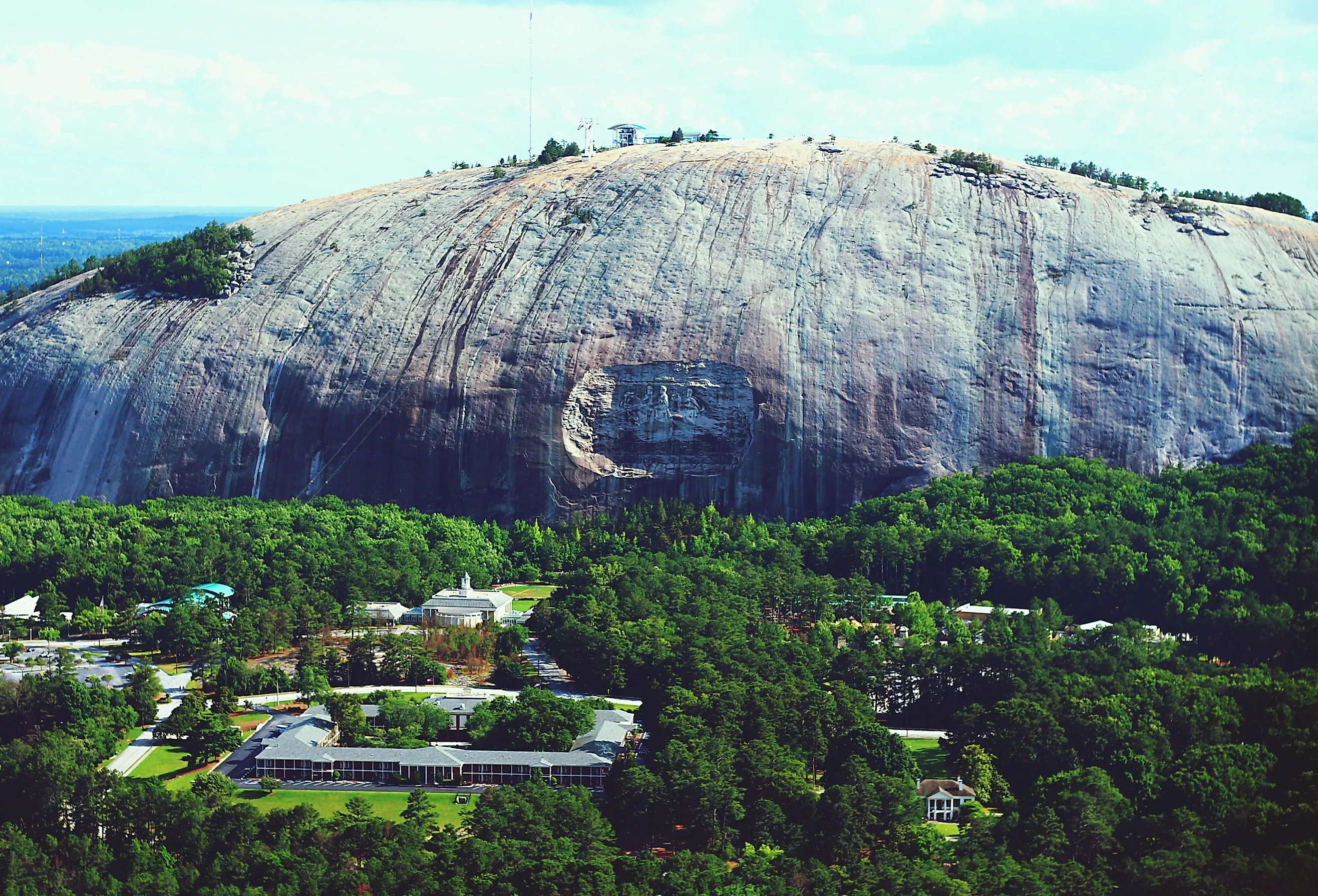
Stone Mountain Park is owned by the State of Georgia. The property is managed and operated through an official state authority known as the Stone Mountain Memorial Association, while its daily attractions, theme park features, and hospitality amenities are run by a private corporate partner under a long-term lease agreement.
Introduction to Stone Mountain Park and Its Governance
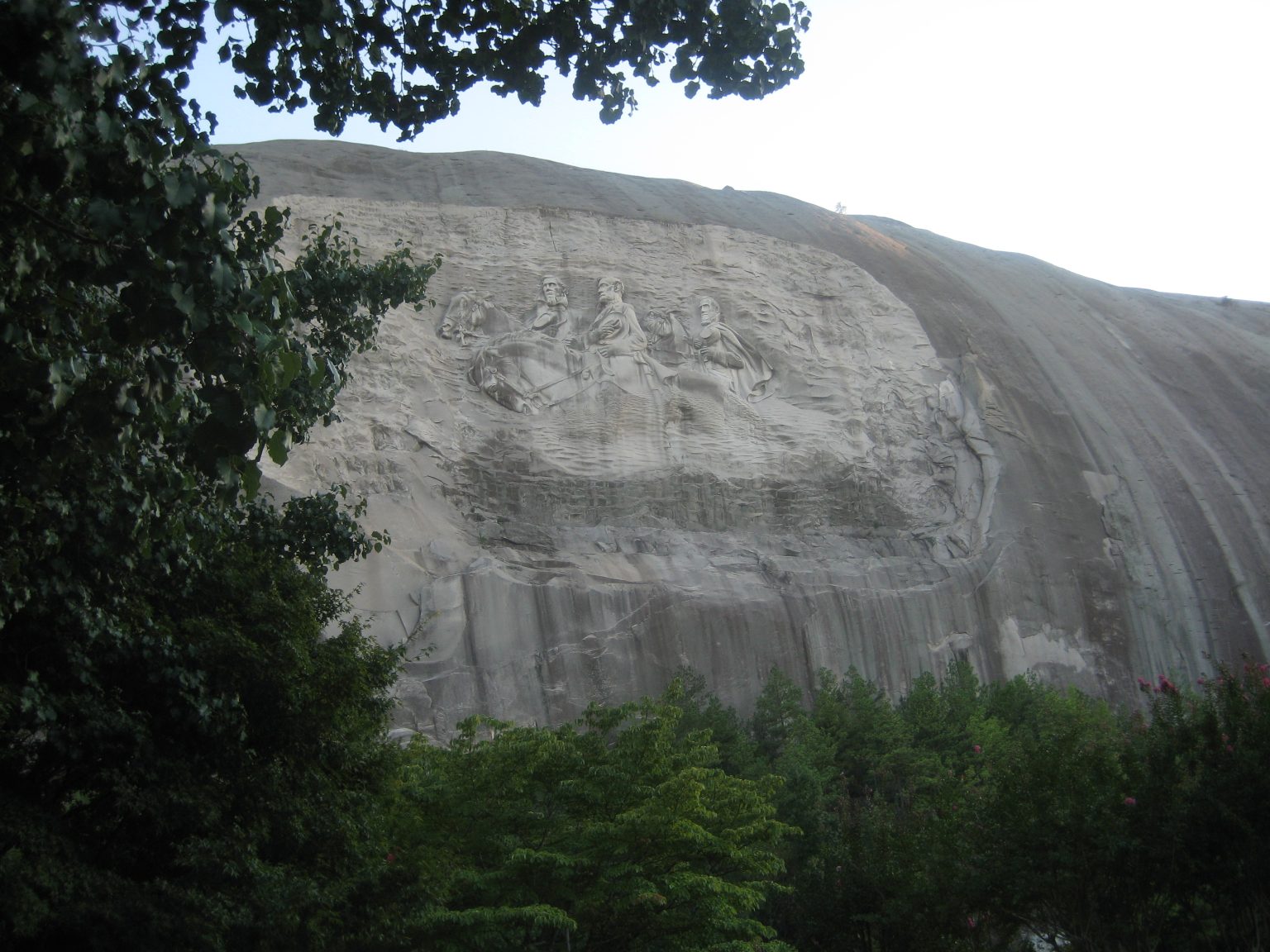
Stone Mountain Park stands as one of the most visited and culturally complex destinations in the American Southeast. Spanning over 3,200 acres in DeKalb County, Georgia, the property centers around the massive quartz monzonite dome that bears the Confederate carving on its northern face. Because of its unique status as both a public state park and a historic monument, questions regarding its ownership, management structure, and financial operations frequently arise among visitors, historians, and taxpayers alike.
Resolving the question of ownership requires examining the distinction between legal title ownership, administrative governance, and private commercial operations. The State of Georgia holds the ultimate title to the land and the mountain itself. However, the state does not directly staff the ticket booths, run the hotels, or maintain the recreational rides. Instead, a complex public-private partnership governs the park, balancing state oversight with corporate management. Understanding this framework is essential for anyone examining how the park operates, how public funds interact with private revenues, and how public policy decisions regarding the park are made.
Legal Ownership and the State of Georgia
The State of Georgia acquired the Stone Mountain property through a series of purchases and transactions spanning the mid-20th century. The state's formal involvement began in earnest during an era when local business interests and state leaders sought to transform the natural landmark and its surrounding acreage into a massive memorial park and tourist attraction.
In 1958, the Georgia General Assembly passed legislation creating the Stone Mountain Memorial Association (SMMA). This entity was established as an instrumentality of the state and a public corporation. The SMMA was granted the legal authority to acquire land, issue bonds, construct recreational facilities, and oversee the creation of the memorial park. Through the SMMA, the State of Georgia purchased the mountain and thousands of surrounding acres from the Venable family, who had previously owned the granite quarrying rights and the property.
Consequently, the physical land, the park infrastructure, and the historical assets are public property owned by the citizens of Georgia. The SMMA functions as the landlord and governing body, ensuring that the property aligns with its statutory mandate under Georgia law. This legal structure means that any major structural changes, alterations to the memorial, or shifts in the park's overarching mission must navigate state laws and board approvals managed by the SMMA.
The Role of the Stone Mountain Memorial Association
The Stone Mountain Memorial Association is the state-appointed body directly responsible for managing the park property and upholding the statutory requirements established by the Georgia legislature. The board of directors consists of members appointed by the governor, reflecting the state-level oversight inherent in the park's operation.
The responsibilities of the SMMA are multifaceted. They include:
- Overseeing compliance with state laws governing the park's use and preservation.
- Managing relationships with private entities contracted to run commercial operations.
- Ensuring public access to the park's natural resources, walking trails, and open green spaces.
- Maintaining public safety and coordinating with local law enforcement agencies.
- Overseeing historical interpretation and educational exhibits within the park boundaries.
Despite holding these governance responsibilities, the SMMA historically operated with a degree of financial independence through revenue-sharing agreements rather than relying exclusively on direct state tax appropriations. The board acts primarily as a supervisory and regulatory landlord, setting the policy boundaries within which commercial partners must operate.
The Public-Private Partnership: Herschend Family Entertainment
While the State of Georgia and the SMMA own the land and govern the park's charter, the day-to-day management of the park's major attractions, hotels, and family entertainment venues is handled by a private enterprise. Currently, Herschend Family Entertainment (HFE) manages these operations through a long-term lease agreement.
Herschend Family Entertainment is a prominent themed-entertainment company known for operating various attractions across the United States, including Dollywood in Tennessee and Silver Dollar City in Missouri. Under the operating agreement with the SMMA, Herschend manages the commercial aspects of Stone Mountain Park, which include:
- Ticketed attractions such as the Summit Skyride, scenic railroad, and various seasonal festivals.
- Hospitality services, including the Atlanta Evergreen Lakeside Resort and the Stone Mountain Park Campground.
- Retail stores, dining establishments, and parking operations within the commercial zone of the park.
This operational split allows the private partner to inject capital, marketing expertise, and tourism management efficiency into the park, generating revenue that is shared with the state through lease payments and percentage-of-revenue agreements. At the same time, the state retains ownership of the underlying real estate and maintains regulatory control over public policies affecting the park.
Financial Structure and Revenue Generation
The financial ecosystem of Stone Mountain Park is structured around a self-sustaining model wherein commercial revenues generated by the private operator support park maintenance, administrative costs, and capital improvements.
Visitors to the park typically encounter two distinct types of fees: entry or parking fees required to access the state-owned property, and attraction tickets required to experience the rides, museums, and shows managed by Herschend Family Entertainment. A portion of these revenues flows back to the Stone Mountain Memorial Association to fund its operations, security, and infrastructure upkeep.
The financial arrangement has evolved over the decades in response to fluctuating visitor numbers, changing economic conditions, and shifting public debates regarding the park's historical messaging. The public-private partnership is designed to insulate Georgia taxpayers from the direct costs of running a major theme park while ensuring that public land remains accessible for recreational use.
Comparison of Responsibilities at Stone Mountain Park
To clarify how authority and duties are divided at the park, the following table outlines the distinct roles of the state entity versus the private management partner.
| Operational Area | Stone Mountain Memorial Association (State Entity) | Herschend Family Entertainment (Private Operator) |
|---|---|---|
| Land Ownership | Holds legal title to all 3,200+ acres of park property. | Does not own the land; operates under a lease. |
| Governance & Policy | Sets park regulations, historical policies, and public access rules. | Executes commercial strategy within state-approved guidelines. |
| Attractions & Rides | Approves major infrastructure projects and historical exhibits. | Manages, maintains, and operates theme park rides and shows. |
| Hospitality & Retail | Oversees lease compliance for hotels, campgrounds, and concessions. | Directly runs lodging, dining, retail, and parking services. |
| Security & Maintenance | Coordinates public safety, law enforcement, and environmental preservation. | Maintains commercial attraction sites and guest-facing facilities. |
Historical Context and Evolution of Ownership
The ownership and purpose of Stone Mountain have undergone significant transformation since the 19th century. Originally utilized by Native American tribes and later serving as a private agricultural and industrial site, the mountain gained national prominence following its acquisition for quarrying and its subsequent selection as a canvas for the Confederate monument.
In the early 20th century, private groups initiated the carving, but financial and legal hurdles stalled the project for decades. The involvement of the State of Georgia in the 1950s and 1960s marked a pivotal shift from private industrial and fragmented ownership to consolidated public stewardship. The state envisioned the park as a multi-use recreational area and a Confederate memorial, dedicating the park in the mid-1960s.
In the decades that followed, the park expanded its appeal beyond historical monuments to include family entertainment, outdoor recreation, and nature conservation. As tourism demands grew, the state transitioned from direct management of park amenities to contracting with professional hospitality and amusement operators, establishing the modern public-private framework that persists today.
Frequently Asked Questions
Does the State of Georgia make a profit from Stone Mountain Park?
The State of Georgia does not operate Stone Mountain Park for traditional corporate profit, but the park is designed to be financially self-sufficient. Through the Stone Mountain Memorial Association, the state receives lease payments and revenue shares from the private operating partner. These funds are reinvested into park maintenance, security, and infrastructure improvements without requiring regular subsidies from state taxpayers.
Can the State of Georgia sell Stone Mountain Park?
No, Stone Mountain Park cannot be easily sold into private hands. The property is held in public trust by the State of Georgia and is governed by strict statutory mandates established when the Stone Mountain Memorial Association was created. Any fundamental change to the ownership or legal status of the park would require significant legislative action by the Georgia General Assembly.
Who is responsible for maintaining the walking trails and natural areas?
General park infrastructure, including public roadways, nature trails, and environmental conservation areas, falls under the purview of the Stone Mountain Memorial Association in coordination with state guidelines. While the private partner manages commercial rides and hospitality venues, the public areas remain under the stewardship of the state-appointed authority.
Are park admission fees collected by the state or the private company?
Vehicle entry fees and parking passes are structured to support the overall maintenance and administration of the public park system overseen by the SMMA. Attraction tickets, annual passes for rides, and purchases made inside the commercial zones are processed and managed by Herschend Family Entertainment under their operating contract.
What role does DeKalb County play in owning or managing the park?
DeKalb County does not own or operate Stone Mountain Park. While the park is geographically located within DeKalb County, it is entirely state-owned property governed by state law through the Stone Mountain Memorial Association and managed commercially by a private corporation. Local county governments do not possess administrative jurisdiction over the park's internal policies or operations.
Conclusion and Next Steps
Stone Mountain Park is definitively owned by the State of Georgia, governed administratively by the state-appointed Stone Mountain Memorial Association, and operated commercially through a long-term partnership with Herschend Family Entertainment. Visitors, researchers, and stakeholders engaging with the property should recognize this tripartite structure—state ownership, public governance, and private operation—when navigating park policies, planning visits, or evaluating historical and recreational developments on the grounds. For the most current information regarding park hours, seasonal events, and admission guidelines, consult the official Stone Mountain Park website maintained by its operators.