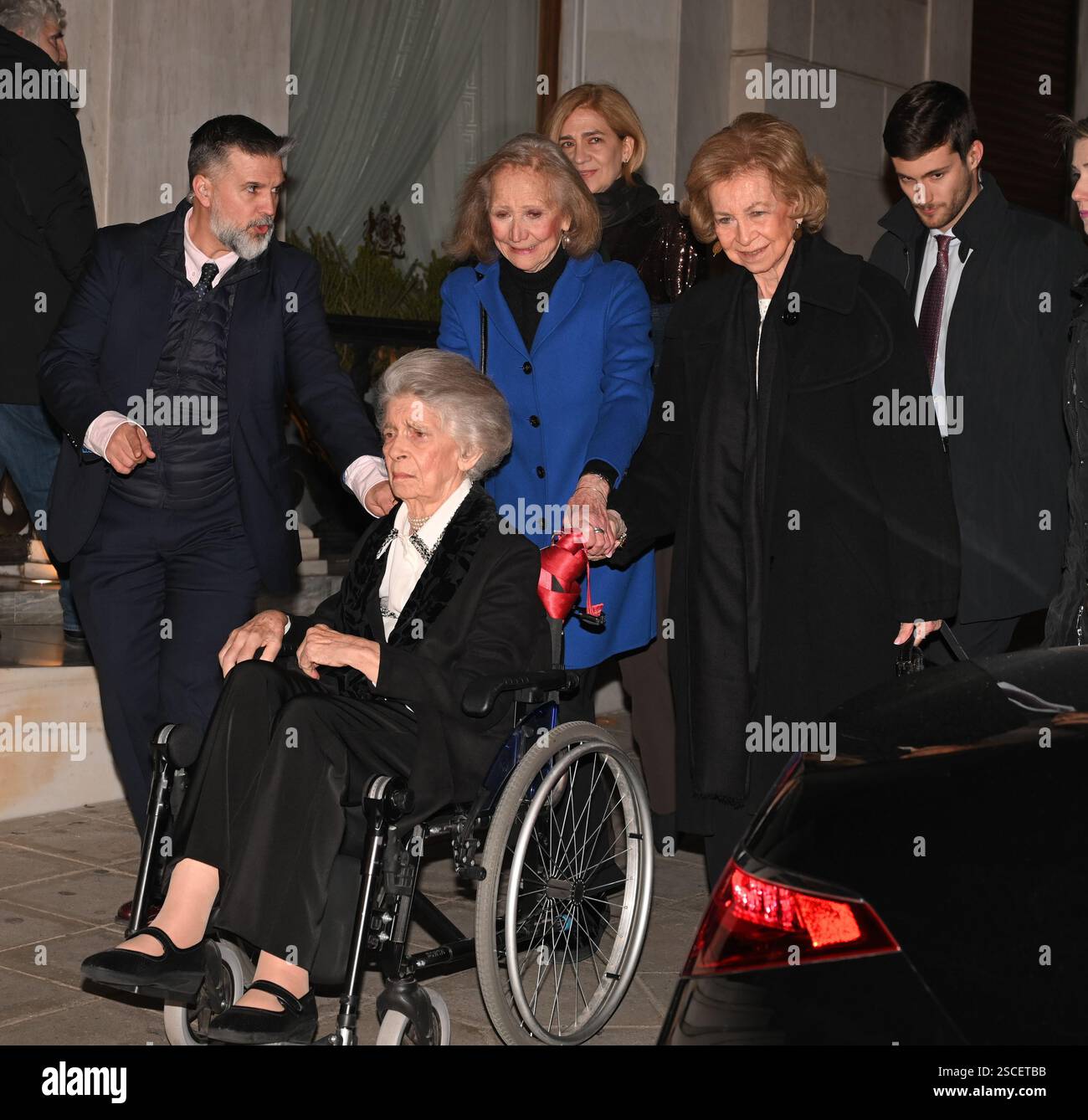
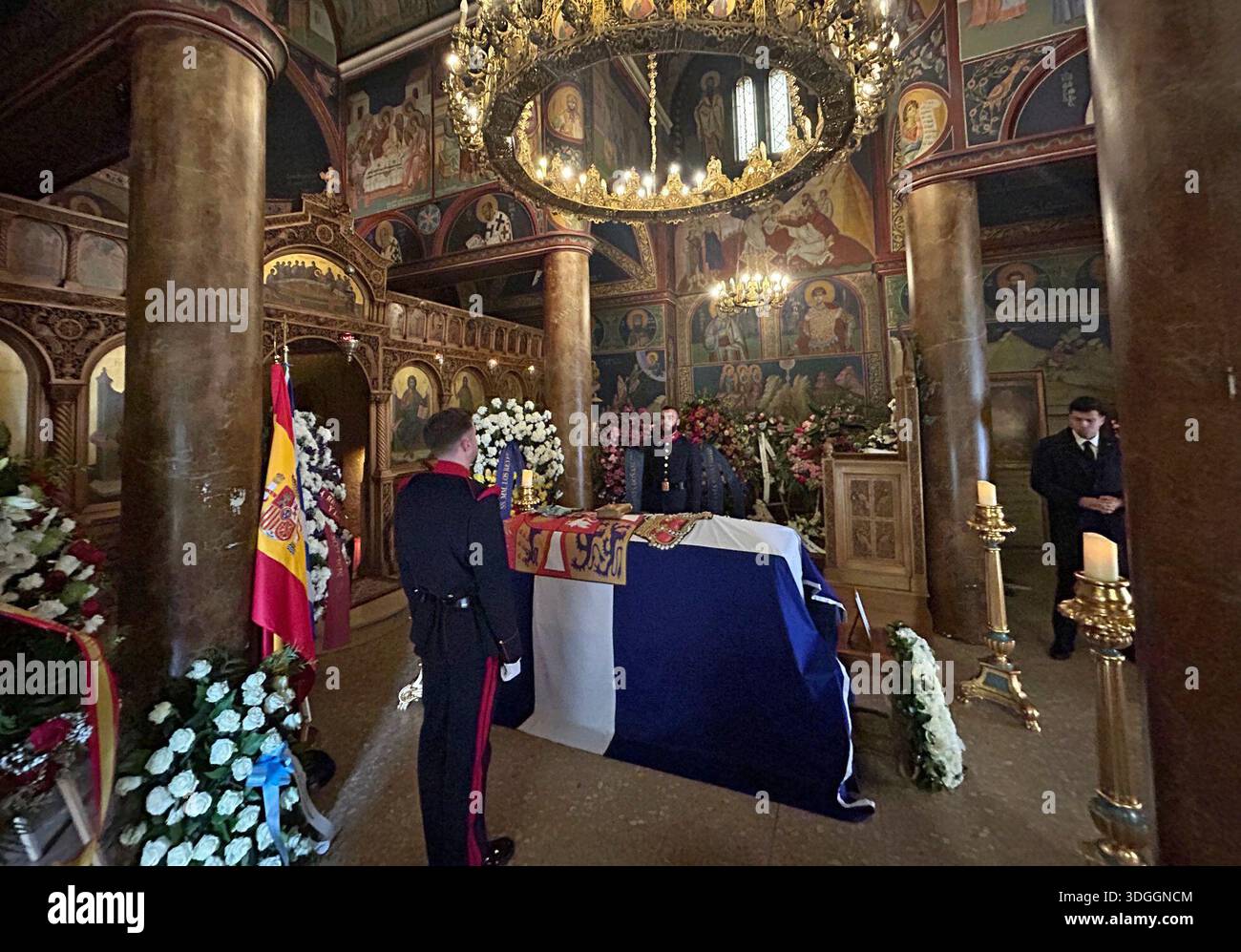
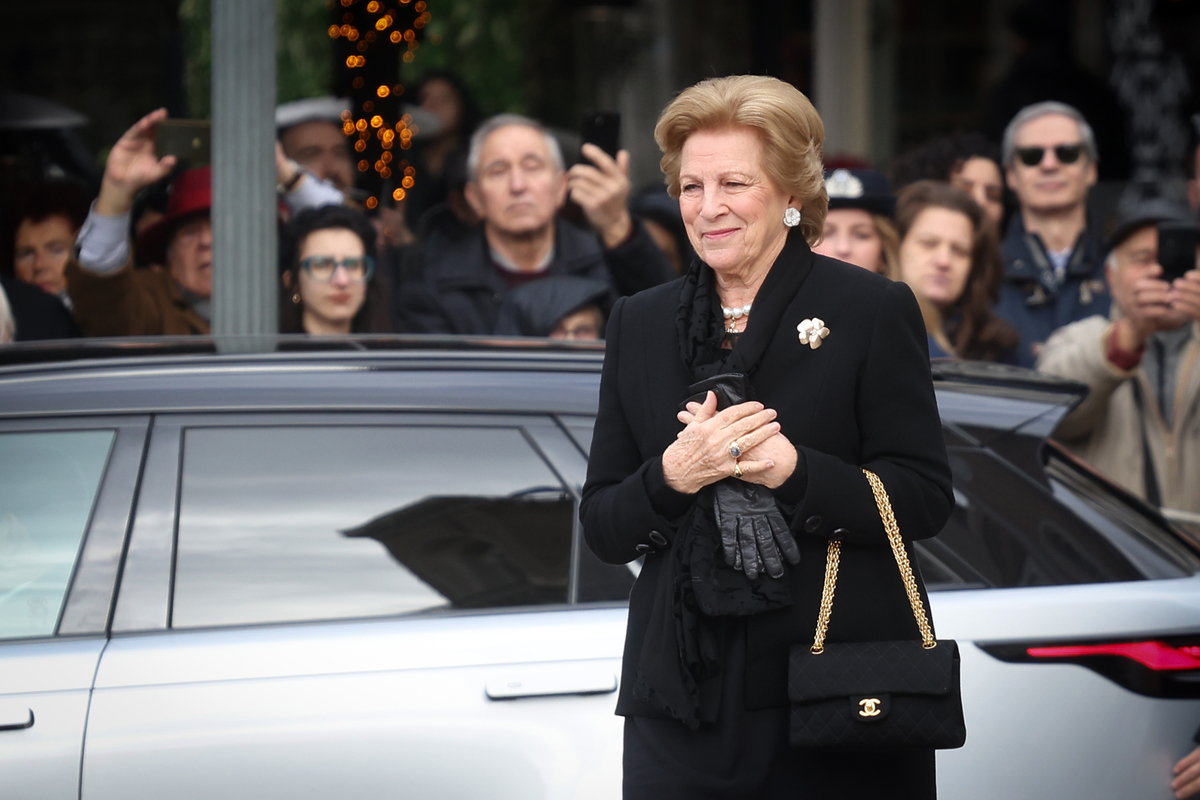
Princess Irene of Greece and Denmark never married due to a complex intersection of historical upheaval, royal exile, personal tragedy, and a profound lifetime commitment to humanitarian work and spiritual study. Unlike many of her royal contemporaries, her life was defined by the collapse of European monarchies, statelessness for periods of her youth, and an independent devotion to her family and global philanthropy.
The Royal Background and Upbringing of Princess Irene
Born on May 11, 1942, in Cape Town, South Africa, Princess Irene was the third and youngest child of King Paul of Greece and Queen Frederica. Her birth occurred during a turbulent period of World War II, while the Greek royal family was living in exile following the Axis invasion of Greece. Her early years were thus shaped by displacement, political instability, and the precarious nature of displaced European royalty.
As a member of the House of Glücksburg, her lineage connected her to nearly every major royal house in Europe. She was the younger sister of King Constantine II of Greece and Queen Sofia of Spain. However, this illustrious pedigree did not guarantee a traditional dynastic marriage. By the mid-20th century, the geopolitical landscape of Europe had shifted dramatically. Monarchies were falling, constitutional roles were shrinking, and the traditional marketplace of royal matchmaking was rapidly dissolving.
Growing up in exile and later returning to a politically fragile Greece during the reign of her father and subsequently her brother, Irene experienced a childhood and youth far removed from the stable luxury of 19th-century courts. These formative experiences instilled in her a sense of self-reliance and an outward-looking perspective that transcended the rigid expectations placed on princesses of earlier generations.
Historical Upheaval and Exile: The Greek Monarchy in Crisis
The political instability of Greece played a monumental role in shaping the personal lives of the Greek royal family. In 1967, a military junta overthrew the government, forcing King Constantine II, Queen Anne-Marie, and other members of the royal family, including Princess Irene, to flee Greece. This second major period of exile uprooted Irene in her mid-twenties—a critical window when many European royals married.
Living as stateless individuals or holders of foreign travel documents for extended periods stripped the Greek royals of their institutional power base. While dynastic marriages often relied on political alliances, territorial stability, and state-sanctioned legitimacy, the Greek royal family possessed none of these advantages during their decades in exile.
Without a country to call home or an official royal court to anchor her social circle, Irene’s prospects for a traditional political or high-society match diminished significantly. Instead of residing in a royal palace with diplomatic and social obligations geared toward coupling her with a foreign prince, she shared in the nomadic, expatriate life of her displaced family, eventually settling primarily in Madrid, Spain, alongside her sister, Queen Sofia.
Early Romances and Reported Suitors
Despite the narrative of lifelong singlehood, Princess Irene’s youth was not entirely devoid of romantic speculation by the European press. During the 1960s, gossip columns frequently linked her with various eligible bachelors of European nobility.
Most notably, she was frequently associated with Infante Carlos of Spain, Duke of Calabria, and other European princes. However, none of these rumored courtships materialized into an engagement. Historical accounts suggest several barriers:
- Dynastic and Religious Complications: Marriages among royalty often required delicate religious dispensations and political alignment, which were difficult to navigate amid the precarious status of the Greek crown.
- Personal Compatibility: Like many modern royals who witnessed the unhappy marriages of their parents and peers, Irene valued personal autonomy over political union.
- The 1967 Coup: The abrupt seizure of power by the Greek military junta disrupted personal plans, social networks, and royal calendars across Europe, abruptly halting potential matrimonial alliances.
Rather than forcing a match for the sake of dynastic continuity—a pressure largely alleviated by the births of children to her older siblings, Constantine and Sofia—Irene chose to chart an independent course.
| Family Member | Royal Status | Marital Status | Historical Context |
|---|---|---|---|
| King Constantine II | Monarch of Greece (Deposed) | Married to Princess Anne-Marie of Denmark | Exiled following the 1967 military junta; marriage anchored his dynastic branch. |
| Queen Sofia | Queen Consort of Spain | Married to King Juan Carlos I | Union solidified a prominent royal alliance bridging the Greek and Spanish crowns. |
| Princess Irene | Princess of Greece and Denmark | Never Married | Lived much of her life in exile and later in Spain, focusing on humanitarian and cultural pursuits. |
Dedication to Humanitarian Work and World Relief
As Princess Irene matured, her life's work shifted away from court ceremonies toward global philanthropy and animal welfare. In 1986, she established World in Harmony (Mundo en Armonía), a Madrid-based charitable organization designed to provide humanitarian aid to people in distress, regardless of their nationality, race, or religion.
Her philanthropic efforts spanned continents. She organized emergency relief supplies for famine victims in India, coordinated aid for impoverished communities in various developing nations, and dedicated significant time to animal rescue and environmental preservation. Operating these initiatives required immense personal commitment, administrative oversight, and frequent travel, leaving little room for the domestic expectations of a traditional marriage.
By dedicating her energy to large-scale charity, Irene found a profound sense of purpose that superseded the conventional domestic roles assigned to women of her generation and social rank. Her independence allowed her to act as a free agent in the philanthropic sector, unbound by the protocol of a consort or reigning monarch.
Spiritual Pursuits, Philosophy, and Personal Autonomy
Beyond her humanitarian endeavors, Princess Irene cultivated a deep interest in Eastern philosophy, metaphysics, and alternative spiritual traditions. Influenced in part by her mother, Queen Frederica, who developed a keen interest in Eastern mysticism and philosophy later in life, Irene immersed herself in the study of comparative religion and meditation.
She spent considerable time studying under various spiritual teachers and philosophers, developing a worldview centered on inner peace, universal compassion, and intellectual curiosity. This intellectual independence further distanced her from the rigid societal expectations of traditional royal life. For Irene, personal fulfillment was found in intellectual inquiry and spiritual discipline rather than marital status or social positioning.
Furthermore, her close relationship with her sister, Queen Sofia of Spain, provided her with a stable and affectionate familial anchor. Irene lived for decades in an apartment within the Zarzuela Palace in Madrid. This arrangement granted her complete autonomy while maintaining a secure family environment, eliminating any perceived social isolation that might otherwise accompany lifelong singlehood.
Legal, Financial, and Dynastic Realities of the Greek Crown
The legal and financial status of the Greek royal family underwent drastic transformations during Irene's adult life. Following the abolition of the Greek monarchy by referendum in 1974, the family lost their official state properties, civil lists, and official titles within Greece, though they retained their historic Danish royal titles.
The subsequent legal battles between the Greek state and the exiled royal family regarding private property and compensation further strained their resources and public standing. In this climate of reduced royal privilege and financial restructuring, traditional dowries or dynastic marriage settlements were non-existent. Irene's financial independence relied on personal family support, private assets, and her own resourcefulness, rendering her entirely self-determining in her personal life.
Frequently Asked Questions
Did Princess Irene of Greece ever come close to marrying?
While European gossip columns linked her to several eligible European princes—such as Infante Carlos of Spain—during the 1960s, none of these relationships resulted in a formal engagement. The political upheavals of the Greek monarchy and her own preference for independence prevented any formal matches from materializing.
What is Princess Irene's official title?
She is formally styled as Her Royal Highness Princess Irene of Greece and Denmark. Following the abolition of the Greek monarchy in 1974, her Greek titles are courtesy titles, though she remains a recognized member of the extended European royal houses.
What is World in Harmony?
World in Harmony (Mundo en Armonía) is a charitable foundation established by Princess Irene in 1986. Based in Madrid, the organization provides humanitarian aid, disaster relief, and support for vulnerable populations and animal welfare projects across the globe.
Where does Princess Irene live today?
Princess Irene has resided in Spain for decades, primarily maintaining apartments within the Zarzuela Palace complex in Madrid, where she has lived in close proximity to her sister, Queen Sofia.
Did the abolition of the Greek monarchy affect her life choices?
Yes. The 1967 military coup and the subsequent 1974 abolition of the monarchy stripped her family of institutional power and exiled them from Greece. This loss of a traditional royal court and established homeland liberated her from strict dynastic marriage protocols, enabling her to pursue a life focused entirely on philanthropy and spiritual studies.
Conclusion and Next Actions
Princess Irene of Greece never married because her life was shaped by historical exile, personal tragedy, and a deliberate choice to prioritize humanitarianism, family bonds, and spiritual study over traditional dynastic expectations. Rather than viewing her singlehood through the lens of missed opportunities, historians recognize it as a testament to her personal autonomy in an era of collapsing monarchies. For readers exploring modern European royal history, examining the post-monarchical lives of displaced royals like Irene offers deep insight into how members of royal houses adapted to the realities of the 20th and 21st centuries.