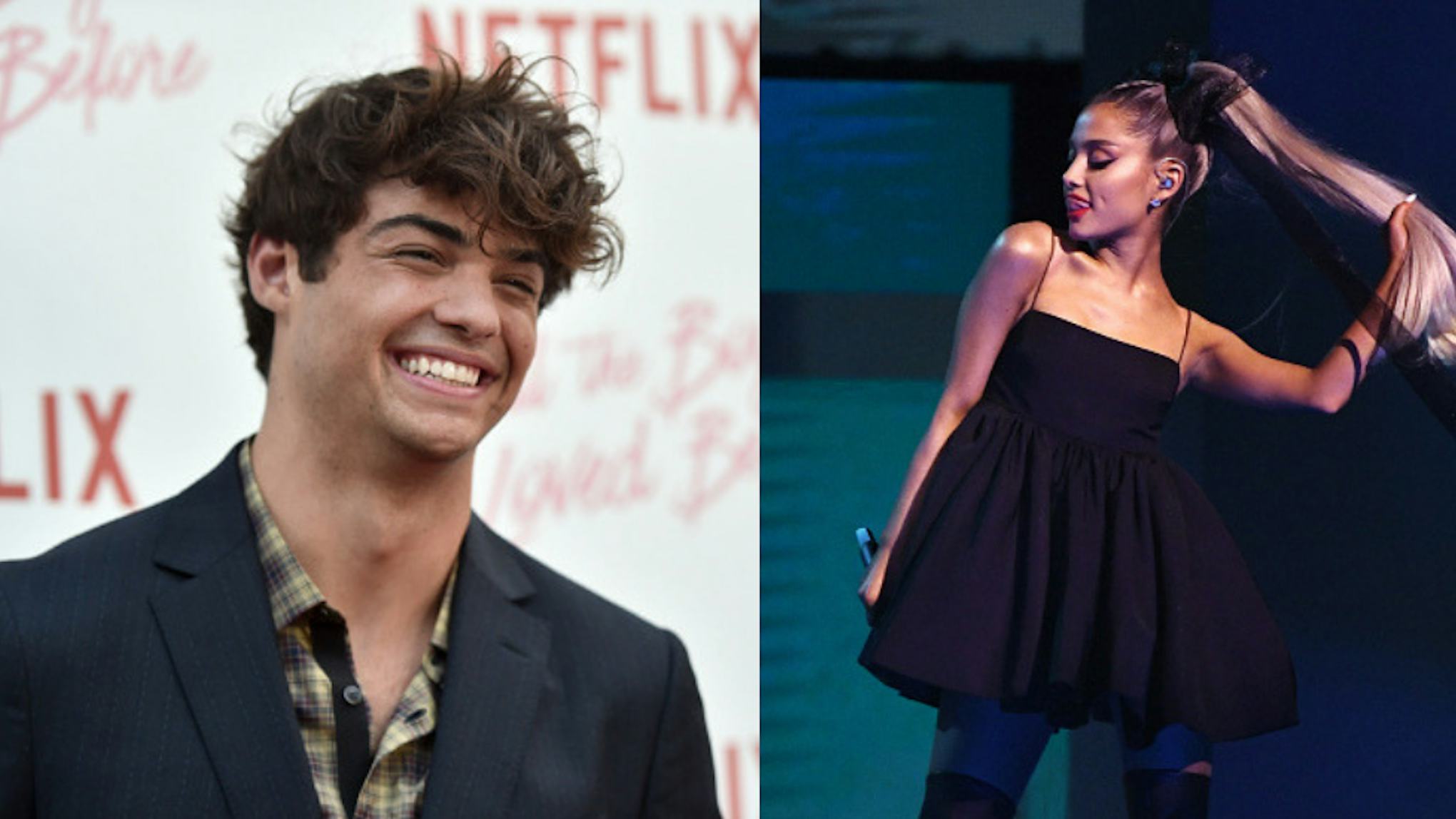
The enduring fascination with 2000s crushes stems from a unique intersection of pre-smartphone media culture, the rise of teen magazines, and a distinct era of pop culture where celebrity mystique was carefully guarded yet widely accessible. From the glossy pages of Tiger Beat and J-14 to blockbuster movie premieres and MTV Total Request Live, this era defined a specific blueprint for adolescent infatuation that continues to evoke intense nostalgia today.
The Cultural Landscape of 2000s Celebrity Infatuation
To understand why the concept of the 2000s crush holds such a powerful grip on collective memory, one must examine the media ecosystem of the decade. Unlike the algorithm-driven, hyper-personalized social media landscape of the 2020s, the 2000s relied on centralized media gatekeepers. Teen magazines, monthly subscription posters, Saturday morning television blocks, and limited-access interview circuits created a sense of collective longing.
During this period, fans did not have direct access to their idols via daily Instagram stories or TikTok lives. Instead, infatuation was fueled by carefully curated music videos, red-carpet appearances, and fictional roles in teen comedies or fantasy franchises. This distance cultivated a specific brand of yearning. The objects of affection felt both impossibly glamorous and intimately familiar, preserved in amber by low-resolution digital photography, frosted tips, cargo pants, and trucker hats.
Furthermore, the 2000s represented a golden age for teen-centric media. The explosion of cable television networks like Disney Channel and Nickelodeon, alongside broadcast networks like The WB and UPN, birthed a new class of young adult stars. These actors and musicians became the permanent fixtures of locker room walls and bedroom ceilings worldwide.
Categorizing the Icons: Archetypes of the Decade
The celebrity crushes of the 2000s can be broadly categorized into distinct archetypes that dominated film, television, and the Billboard charts. Each archetype appealed to different facets of adolescent fantasy, creating a diverse landscape of pop culture icons.
| Archetype | Defining Characteristics | Prominent Examples | Primary Media Vehicle |
|---|---|---|---|
| The Disney & Nickelodeon Royalty | Relatable charm, comedic timing, wholesome image transitioning into mainstream pop stardom | Hilary Duff, Lindsay Lohan, Zac Efron, Vanessa Hudgens, Raven-Symoné | Disney Channel Original Movies, sitcoms, Hollywood Records |
| The Pop-Punk & Alternative Heartthrobs | Eyeliner, band tees, rebellious attitudes, angsty lyrics | Chad Michael Murray, Adam Brody, Gerard Way, Pete Wentz | The WB dramas, Warped Tour, MTV TRL |
| The Pop Royalty & Boy Band Icons | High-energy choreography, synchronized styling, chart-topping romantic ballads | Justin Timberlake, Britney Spears, Nick Carter, Usher | MTV, radio airplay, world stadium tours |
| The Silver Screen & Franchise Leads | Cinematic allure, breakout fantasy roles, high-budget promotional campaigns | Orlando Bloom, Keira Knightley, Tobey Maguire, Kirsten Dunst | Blockbuster film franchises, fantasy epics |
The Disney and Nickelodeon Phenomenon
The mid-to-late 2000s marked the apex of the Disney Channel Original Movie and network sitcom boom. Stars like Hilary Duff (Lizzie McGuire) and Lindsay Lohan (Mean Girls, Freaky Friday) set the standard for relatable, down-to-earth charm combined with rising pop careers. Shortly after, the premiere of High School Musical in 2006 launched Zac Efron and Vanessa Hudgens into global superstardom.
These figures became quintessential crushes because viewers watched them grow up in real time. Their stylistic choices—low-rise jeans, oversized belts, and layered tank tops—became schoolyard uniforms.
The WB and Teen Drama Darlings
While Disney ruled the younger demographic, networks like The WB and UPN captured the older adolescent and teen market with serialized dramas. Shows like The O.C., One Tree Hill, and Gilmore Girls introduced characters whose romantic lives were dissected in weekly viewing sessions.
Adam Brody’s sarcastic wit as Seth Cohen or Chad Michael Murray’s brooding presence as Lucas Scott established new standards for romantic ideals. These characters were flawed, literary, and emotionally expressive, offering a distinct alternative to the untouchable action stars of previous decades.
The Psychology of 2000s Nostalgia
Nostalgia for the 2000s is not merely a longing for attractive public figures; it is a complex psychological yearning for a simpler era of digital engagement. As contemporary media consumers face information overload and algorithmic saturation, looking back at 2000s crushes provides comfort and emotional safety.
The Role of Mediated Intimacy
In the 2000s, fandom required patience. Waiting for a magazine to hit newsstands, recording a music video on a VHS tape, or calling into a radio station to vote for a favorite song created high investment levels. This delayed gratification fostered a deeper sense of emotional connection to the celebrity. When adults today revisit these figures, they are not just remembering the celebrity; they are remembering their own bedrooms, friendships, and emotional states during their formative years.
Aesthetics and Material Culture
The visual markers of 2000s celebrity culture—from frosted highlights and tinted sunglasses to premiere red-carpet fashion featuring handkerchief hems and studded belts—serve as powerful mnemonic triggers. These aesthetic elements act as temporal anchors, instantly transporting individuals back to a specific cultural moment before the ubiquity of smartphones and streaming services.
The Evolution and Legacy of Millennial Icons
Decades after their initial peak, many of these iconic figures have successfully transitioned into new phases of their careers, while maintaining their status as objects of affection for aging millennials and Gen Z internet culture alike.
Many former teen idols have embraced their nostalgic status, engaging with fans through dedicated convention circuits, throwback social media posts, and retrospective podcasts. This self-awareness has bridged the generational gap, allowing younger audiences to appreciate the camp, charm, and authenticity of 2000s media production. Furthermore, the revival of 2000s fashion—often referred to as Y2K style—has cemented these celebrities as permanent trendsetters whose influence continues to shape modern streetwear and haute couture.
Frequently Asked Questions
Why do 2000s celebrity crushes evoke such strong feelings of nostalgia today?
They represent a pre-smartphone era of media consumption where celebrity access was limited, making fandom feel more exclusive and deliberate. Revisiting these figures allows adults to reconnect with the comfort and simplicity of their youth.
Which media platforms were most responsible for creating 2000s crushes?
MTV’s Total Request Live (TRL), teen print magazines like Tiger Beat and J-14, Disney Channel Original Movies, and prime-time teen dramas on networks like The WB were the primary drivers of celebrity infatuation during this decade.
How has Y2K fashion influenced the perception of 2000s icons?
The resurgence of 2000s fashion trends, including low-rise denim, tracksuits, and statement accessories, has brought renewed attention to the original red-carpet looks of these stars, turning historical pop culture moments into contemporary style inspiration.
Did the lack of social media change how fans interacted with 2000s crushes?
Yes. Without direct, real-time access through platforms like Instagram or X, fans relied on print interviews, music videos, and fictional television roles, which preserved a greater sense of mystery and fueled imaginative idealism.
Conclusion
The enduring appeal of 2000s crushes lies in their ability to encapsulate a distinct cultural epoch defined by earnest storytelling, distinctive fashion, and a unique boundary between public celebrity and private fantasy. Whether through the lens of comforting nostalgia or contemporary stylistic appreciation, these iconic figures remain central pillars of modern pop culture memory. To fully appreciate this era, revisit classic media from the period, explore archival issues of vintage teen magazines, or examine how modern fashion draws direct inspiration from the turn of the millennium.