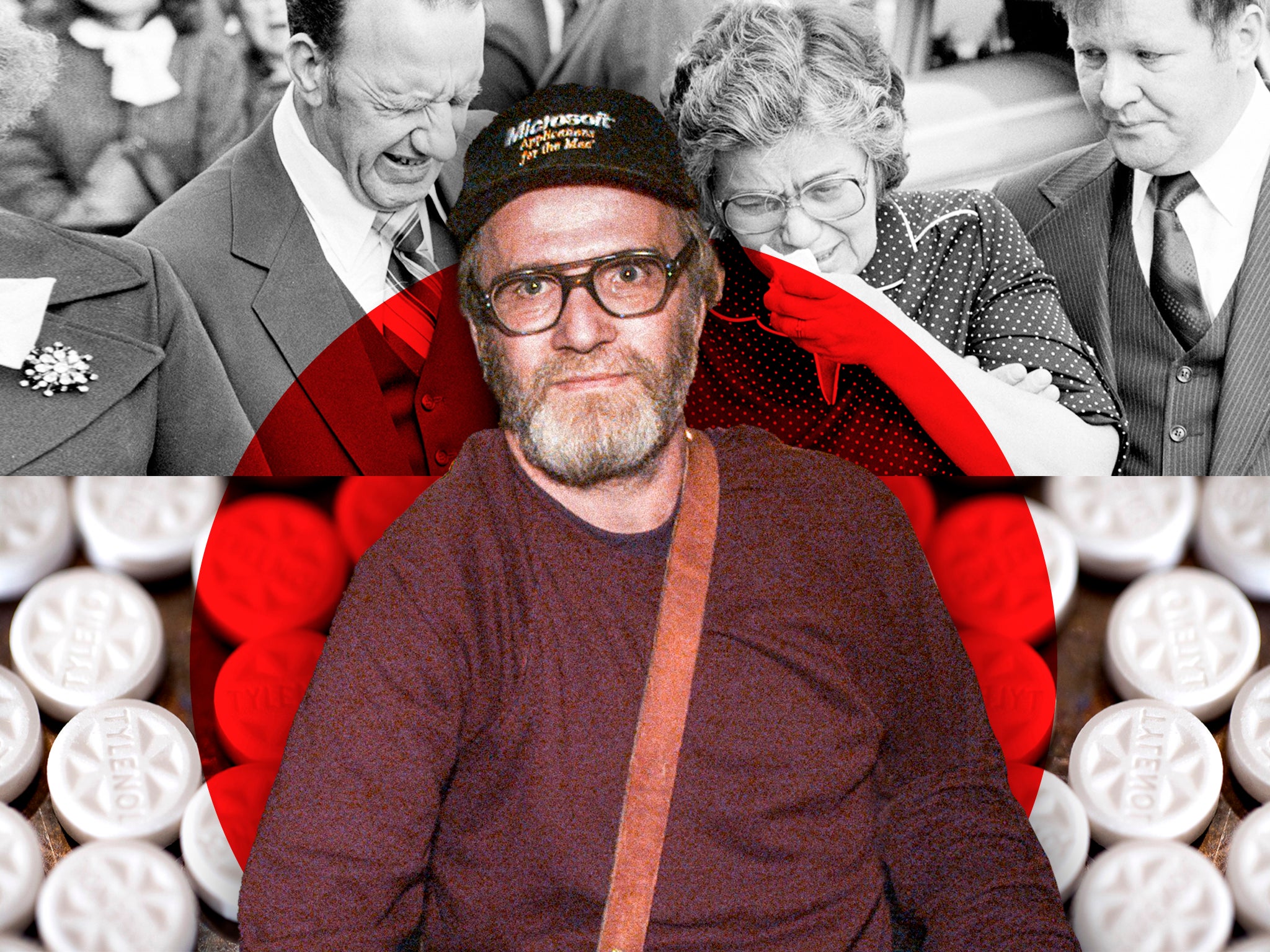
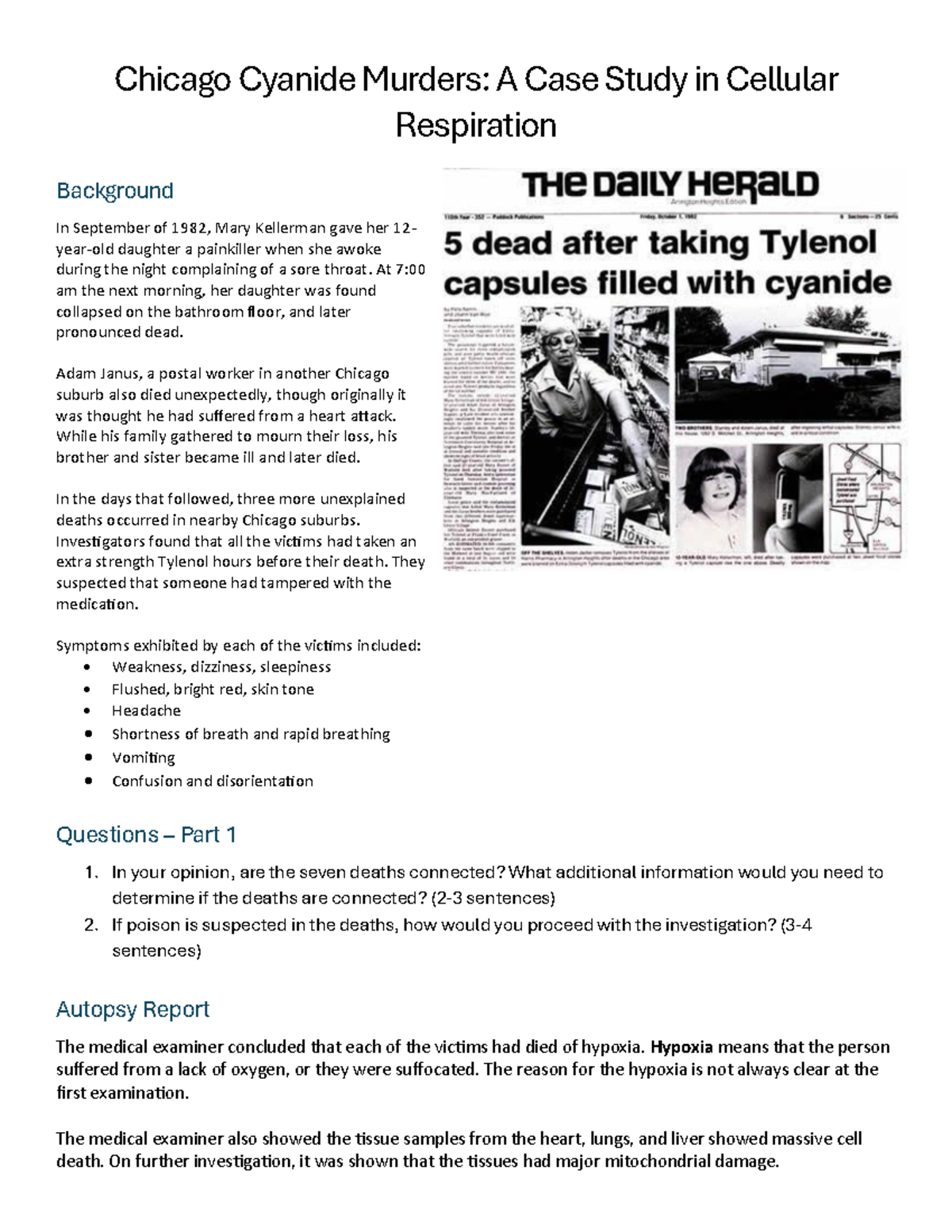
The 1982 Chicago cyanide poisonings refer to a series of malicious product tampering incidents in the autumn of 1982. Seven people died in the Chicago metropolitan area after consuming Extra-Strength Tylenol capsules that had been laced with potassium cyanide. The crisis prompted nationwide panic, triggered the recall of millions of bottles, and fundamentally transformed product safety, packaging standards, and federal law.
Historical Context and the Autumn 1982 Crisis
In late September 1982, a wave of sudden and unexplained deaths struck the Chicago area. The victims were individuals from diverse backgrounds who had one fatal element in common: shortly before falling ill, they had taken Extra-Strength Tylenol capsules to relieve minor aches and pains.
The first tragedy struck on the morning of September 29, 1982, when 12-year-old Mary Kellerman of Elk Grove Village took a capsule for a sore throat and died shortly thereafter. Later that same day, an entire family in Des Plaines—Stanley Janus, his wife Theresa, and their 27-year-old brother Adam—all perished after taking capsules from the same contaminated bottle. Additional victims included Mary Reiner, Mary McFarland, and Paula Prince.
Medical examiners quickly identified the cause of death as acute potassium cyanide poisoning. Authorities soon linked the fatalities to Extra-Strength Tylenol manufactured by McNeil Consumer Products, a subsidiary of Johnson & Johnson. Investigators gathered bottles from the victims' homes and local retail shelves, discovering that capsules in multiple stores across the Chicago area contained lethal doses of cyanide. The perpetrator had broken into retail stores, purchased or replaced capsules with poisoned versions, and returned them to the shelves, exposing unsuspecting consumers to lethal hazards.
The Immediate Response and Massive Recall
As the death toll reached seven, public health officials and law enforcement agencies launched an unprecedented emergency response. Local police departments, the Chicago Police Department, and the Federal Bureau of Investigation (FBI) mobilized to warn the public. Emergency broadcasts echoed across televisions and radios, urging citizens to immediately check their medicine cabinets and discard any Tylenol products.
Johnson & Johnson faced an immediate and existential corporate crisis. Under the leadership of Chairman James E. Burke, the company prioritized public safety above all financial considerations. Rather than attempting to minimize the scope of the problem or defending the integrity of specific production batches, Johnson & Johnson halted all advertising for Tylenol, issued a nationwide recall of approximately 31 million bottles of the pain reliever, and offered a public reward for information leading to the arrest and conviction of the culprit.
The recall was unprecedented in scale and cost the company an estimated $100 million at the time. However, this decisive transparency and consumer-first approach preserved the long-term reputation of the brand and set a new benchmark for crisis management in corporate history. Investigators confirmed that the tampering occurred at the retail level rather than during the manufacturing process, exonerating the factory lines but highlighting severe vulnerabilities in retail supply chains.
Investigative Efforts and the Search for the Culprit
Despite intensive investigations by federal, state, and local law enforcement agencies, the perpetrator behind the 1982 Chicago cyanide poisonings was never definitively identified or convicted for the murders.
Early in the investigation, law enforcement detained several suspects. A man named James W. Lewis sent a letter to Johnson & Johnson demanding $1 million to "stop the killings." While Lewis was tracked down and convicted of extortion—serving more than 12 years in federal prison—investigators found insufficient evidence to link him directly to the physical act of tampering with the capsules or administering the poison. He consistently denied committing the murders, and no physical evidence placed him at the crime scenes.
Over the decades, the FBI and local authorities revisited the case multiple times, employing advanced DNA testing and forensic techniques on preserved evidence from the 1982 bottles. Despite periodic renewed interest and tips, the investigation remains officially unsolved, leaving a lingering sense of incomplete justice for the victims' families and the public.
| Incident Aspect | Detail / Status |
|---|---|
| Date of Incidents | September–October 1982 |
| Location | Chicago metropolitan area, Illinois |
| Primary Substance | Potassium cyanide |
| Affected Product | Extra-Strength Tylenol capsules |
| Number of Fatalities | 7 individuals |
| Recall Volume | Approximately 31 million bottles |
| Primary Suspect / Conviction | James W. Lewis (convicted of extortion, not murders) |
Legislative and Regulatory Transformation
The 1982 poisonings exposed critical vulnerabilities in consumer packaging. Before the crisis, most over-the-counter (OTC) medications, food items, and cosmetics were sold in simple paper or cardboard boxes with cotton-packed glass or plastic bottles that offered no physical defense against unauthorized opening or tampering.
In response to public outcry and congressional hearings, the United States Food and Drug Administration (FDA) promulgated stringent new regulations. In 1983, the FDA issued federal rules requiring tamper-evident packaging for all over-the-counter human drug products. These regulations mandated packaging features that would visibly show whether a product had been opened or compromised prior to purchase.
Furthermore, the United States Congress passed the Federal Anti-Tampering Act in 1983, making product tampering a federal offense punishable by heavy fines and lengthy prison sentences, particularly when injuries or deaths result.
Evolution of Packaging Technologies and Industry Standards
The regulatory mandates of the early 1980s catalyzed rapid innovation across packaging and manufacturing industries. Companies moved away from standard capsules toward solid caplets and coated tablets, which are significantly more difficult to open, empty, and refill with foreign substances compared to traditional two-piece gelatin capsules.
Modern tamper-evident features became universal standards across global commerce. Consumers today rely on multiple layers of protection before accessing a pharmaceutical or food product:
- Induction-Sealed Foils: Inner aluminum seals glued securely across the mouth of a plastic or glass bottle under the cap.
- Neck Wraps and Shrink Bands: Plastic bands or sleeves bridging the cap and the neck of the container that tear or break upon initial opening.
- Blister Packs: Individual plastic bubbles backing foil sheets, requiring consumers to push a product through the barrier for every single dose.
- Carton Seals: Glued flaps or tape indicators on outer paperboard packaging.
Impact on Consumer Trust and Modern Safety Practices
The shadow of the 1982 Chicago cyanide poisonings reshaped consumer psychology regarding retail safety. Before 1982, shoppers rarely scrutinized the seals of everyday medical or grocery items. Afterward, inspecting packaging integrity became an ingrained habit for generations of consumers worldwide.
For the pharmaceutical industry, the tragedy redefined risk management. Companies learned that corporate survival during a crisis depends on absolute transparency, immediate cooperation with regulatory bodies, and swift containment measures. Johnson & Johnson's handling of the event became a textbook case study taught in business and public relations schools globally, demonstrating that acknowledging liability and prioritizing consumer welfare outweighs short-term damage control.
Frequently Asked Questions
What caused the 1982 Chicago cyanide poisonings?
The poisonings were caused by criminal product tampering. Unidentified individuals laced Extra-Strength Tylenol capsules with lethal amounts of potassium cyanide, returning the contaminated bottles to retail store shelves in the Chicago area where unsuspecting consumers purchased them.
Who were the victims of the Tylenol murders?
Seven people died during the incident: Mary Kellerman (12), Adam Janus (27), Stanley Janus (25), Theresa Janus (19), Mary Reiner (27), Mary McFarland (35), and Paula Prince (35). All consumed contaminated Extra-Strength Tylenol capsules purchased from different retail locations in Chicago and its northern suburbs.
Was anyone ever convicted for the poisoning deaths?
No one was ever convicted of the murders. Although James W. Lewis was convicted of extortion for sending a ransom letter to Johnson & Johnson demanding money to stop the deaths, investigators never found sufficient forensic evidence to charge him or any other suspect with the actual poisonings.
How did the crisis change over-the-counter medicine packaging?
The crisis led directly to the implementation of strict FDA regulations and the passage of the Federal Anti-Tampering Act of 1983. This resulted in the mandatory adoption of tamper-evident packaging technologies, such as induction seals, neck bands, blister packs, and the transition from loose capsules to solid caplets.
Is the 1982 Tylenol murders case still open?
Yes, the case remains an active, open investigation. Law enforcement agencies, including the FBI and local police departments, periodically review surviving evidence and utilize emerging forensic and DNA profiling technologies in attempts to identify the perpetrator.
Next Actions and Further Reading
For researchers and students examining the history of public health regulation, examining the primary legislative text of the Federal Anti-Tampering Act provides valuable insight into federal powers. Those interested in crisis communications can review business administration case studies detailing Johnson & Johnson's strategic execution of the 1982 product recall.