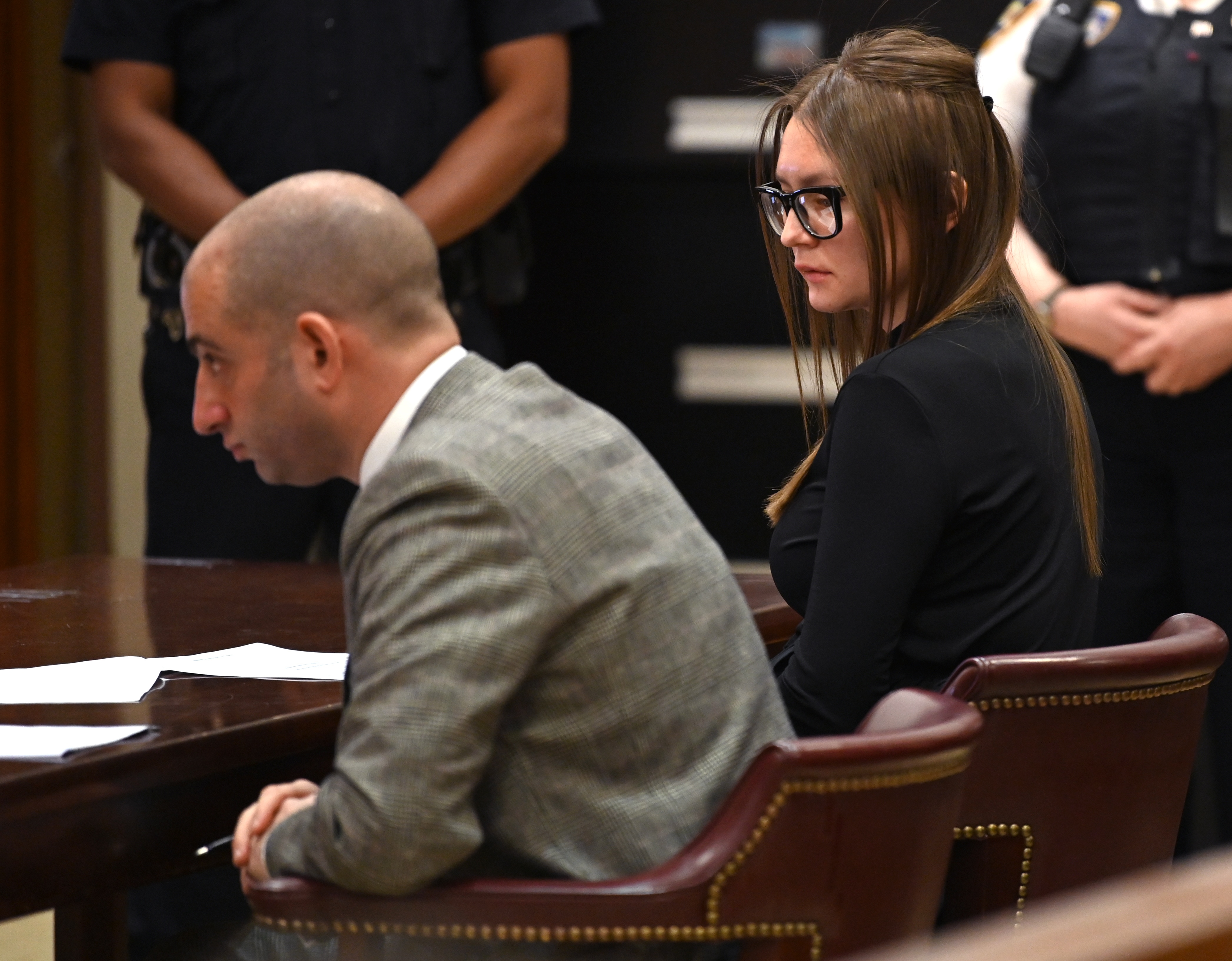
When Anna Sorokin—better known to the world as the high-society fraudster Anna Delvey—faced trial in 2019 for grand larceny and theft of services, her legal defense became nearly as publicized as the crimes themselves. The attorney tasked with navigating the complex web of her deceptions was Todd Spodek, a New York City-based criminal defense lawyer who took on the high-profile assignment of representing the woman who conned the Manhattan elite. Throughout the proceedings, Spodek became a central figure, not just as legal counsel, but as an interpreter of Sorokin’s motivations in a courtroom that seemed bewildered by her lack of remorse and commitment to her self-styled persona.
Understanding the Role of Todd Spodek
Todd Spodek is a partner at the law firm Spodek Law Group, P.C., headquartered in Brooklyn, New York. His involvement in the Anna Sorokin case began as the gravity of her alleged crimes—which included defrauding hotels, banks, and wealthy acquaintances out of hundreds of thousands of dollars—came to light. Spodek is a seasoned criminal defense attorney with experience handling complex white-collar crime, fraud, and high-stakes litigation. However, representing Sorokin presented a unique set of challenges that differed significantly from standard criminal defense work.
The primary difficulty Spodek faced was the nature of the defendant herself. Anna Sorokin was not merely a client; she was an active participant in her own defense narrative, often clashing with her attorney regarding how she was portrayed in the media and the courtroom. Spodek’s role was dual-fold: he had to provide a robust legal defense against the prosecution’s evidence, which included wire transfers, hotel records, and testimony from the people she had scammed, while simultaneously managing the public perception of a client who seemed more concerned with her fashion choices during the trial than the potential prison sentence looming over her.
The Trial: Strategy and Narrative
During the trial, which took place in the New York Supreme Court, Spodek adopted a controversial but legally calculated defense strategy. He leaned into the idea that Sorokin was not a traditional criminal, but rather a misguided "entrepreneur" who was simply attempting to manifest her vision of success. In his opening statement, Spodek famously referenced Frank Sinatra’s "New York, New York," arguing that Sorokin was trying to "fake it until she could make it" in a city that rewards such behavior.
This "fake it until you make it" defense was intended to frame Sorokin’s actions as part of the "hustle" culture of New York City, suggesting that her attempts to secure a loan for her namesake foundation were genuine efforts that simply went awry. By painting her as a visionary whose reach exceeded her grasp rather than a malicious con artist, Spodek hoped to secure leniency from the jury.
However, the prosecution, led by Catherine McCaw, presented a mountain of physical evidence that dismantled the "visionary entrepreneur" narrative. They detailed how Sorokin consistently moved between high-end hotels without paying, forged financial documents to inflate her perceived wealth, and lied to institutional lenders. Spodek had to navigate the fact that the evidence did not just suggest dishonesty; it proved a pattern of systematic deception that spanned years.
Legal Challenges and Client Management
Managing a high-profile defendant who consistently challenges your professional judgment is a significant burden for any attorney. Reports throughout the trial indicated that Sorokin was difficult to manage, often questioning Spodek’s decisions regarding witnesses, cross-examination, and even her courtroom wardrobe. For Spodek, the challenge was maintaining professional distance while ensuring that his client’s constitutional right to a fair defense was upheld, despite her attempts to steer the media narrative in directions that might have been detrimental to her legal standing.
His work was also complicated by the media frenzy surrounding the case. Because the trial was a sensation, every motion Spodek filed and every argument he made was scrutinized by the press. This external pressure often required Spodek to act as a publicist as much as a lawyer, balancing the internal needs of the defense with the external expectations of a public hungry for more details about the "Soho Grifter."
Comparison of Defense Dynamics
The following table highlights the differences between the prosecution's perspective and the defense strategy employed by Todd Spodek during the 2019 proceedings.
| Feature | Prosecution’s Case (McCaw) | Spodek’s Defense Strategy |
|---|---|---|
| Core Argument | Systematic criminal fraud | Misguided entrepreneurial ambition |
| Evidence Basis | Bank records, forged documents, testimonies | Character, intent, and "fake it till you make it" |
| Client Depiction | Deceptive thief targeting the wealthy | Visionary dreamer with poor execution |
| Legal Focus | Adherence to criminal statutes | Recontextualizing actions as business risks |
Life After the Trial: Sentencing and Beyond
When the jury returned a verdict finding Sorokin guilty on several counts of grand larceny and theft of services in April 2019, Spodek’s focus shifted toward sentencing mitigation. He argued for a sentence that accounted for her potential to contribute to society and highlighted the lack of physical harm caused by her crimes, despite the significant financial losses suffered by her victims. Ultimately, Sorokin was sentenced to 4 to 12 years in prison.
Post-trial, the relationship between Spodek and Sorokin evolved. The lawyer-client dynamic is, by definition, one that eventually reaches an end point, especially once sentencing is complete and appeals are filed. Throughout her time in prison and subsequent house arrest under ICE supervision, Sorokin has been represented by other legal counsel, particularly those specializing in immigration law, given the international complexities surrounding her status as a German national.
The Role of Counsel in High-Profile Fraud Cases
It is essential to understand why attorneys like Spodek take on such cases. High-profile fraud cases offer exposure, but they also require a specific skill set: the ability to manage the intersection of law, public relations, and human psychology. In defending a client like Anna Sorokin, an attorney must argue the merits of the law while acknowledging that the court of public opinion has often already rendered a verdict.
Spodek’s approach served as a case study for future lawyers: how to defend a client who refuses to accept the common perception of their own guilt. The "fake it until you make it" defense remains a subject of debate in legal circles, with some praising it as a creative effort to humanize an unpopular defendant, and others criticizing it for failing to address the objective reality of the evidence presented.
Prerequisites for Legal Defense in Fraud Cases
In cases involving complex financial crimes, the defense requires extensive preparation, including:
- Forensic Accounting: Reviewing every transaction to determine if the "intent to defraud" can be challenged.
- Witness Vetting: Analyzing the testimony of victims to see if they were truly deceived or if they participated in the transactions with their own incentives.
- Client Counseling: Preparing the defendant for the rigors of the courtroom, which often includes managing the defendant's emotional state and public outbursts.
- Evidence Management: Organizing thousands of pages of discovery, including emails, text messages, and financial logs, to ensure no exculpatory material is missed.
Common Misconceptions About the "Real" Defense
A common misconception is that the defense lawyer for a celebrity scammer shares the moral culpability of the client. This is a foundational error in understanding the legal system. Regardless of the public outcry against a defendant like Anna Sorokin, the lawyer’s duty is to ensure the government proves its case beyond a reasonable doubt. Spodek was not defending the morality of Anna Delvey; he was defending an individual’s right to a rigorous legal process.
Another misconception is that the lawyer controls the client’s public image. In the case of Sorokin, the client was an active, if not dominant, force in her own PR. The tension between lawyer-led defense and client-led branding is a recurring theme in modern high-profile trials, where social media often plays a role in how a defendant is perceived long before they enter the courthouse doors.
Frequently Asked Questions
Who was the primary lawyer for Anna Delvey? Todd Spodek was the lead criminal defense attorney for Anna Sorokin (Delvey) during her 2019 criminal trial in New York. He represented her against charges including grand larceny and theft of services.
Did Todd Spodek continue to represent Anna Sorokin after her conviction? Following the conclusion of her criminal trial and subsequent sentencing, Sorokin engaged other legal professionals, particularly those focused on immigration law, as her legal needs shifted toward addressing her visa status and potential deportation proceedings.
Why did the defense argue she was just "faking it until she made it"? The strategy aimed to reframe Sorokin’s criminal acts as entrepreneurial ambition. The defense suggested that in the culture of New York's elite, many people embellish their success to attract investment, and that Sorokin was essentially playing by those same, albeit flawed, rules.
Is it difficult for a lawyer to represent someone like Anna Delvey? Representing a high-profile, uncooperative, or media-savvy client is exceptionally difficult. It requires the lawyer to manage the legal defense while simultaneously mitigating the damage caused by the client's public behavior, which often complicates the case in the eyes of the jury.
What was the outcome of the legal efforts for Anna Delvey? Despite the defense's efforts, the jury convicted Sorokin on multiple counts. She was sentenced to 4 to 12 years in prison. Her legal team navigated the nuances of the case, but the evidence of financial fraud was deemed overwhelming by the jury.
Final Recommendation
When studying the case of Anna Delvey and her legal representation, it is important to distinguish between the theatrical elements of the trial—often amplified by media coverage—and the procedural requirements of the American legal system. For those interested in the intricacies of white-collar criminal defense, the 2019 trial serves as a textbook example of the conflict between legal strategy and the optics of a sensationalized defendant. To further understand the case, review the official trial transcripts or the findings published by the New York Supreme Court, which provide an objective account of the evidence that ultimately led to the verdict. The role of the lawyer, in this instance, underscores the necessity of professional advocacy even when public sentiment is overwhelmingly against the accused.