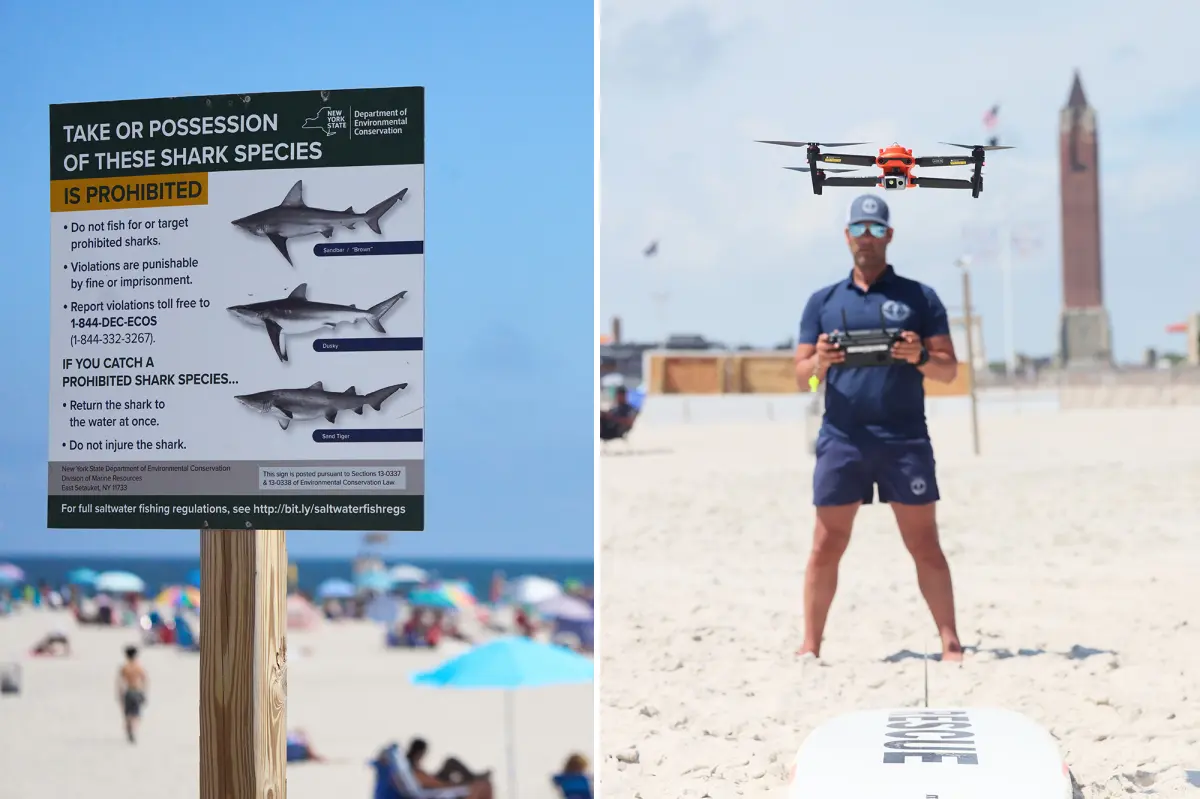
Treasure Island, a serene barrier island located on the Gulf Coast of Florida, maintains a statistically very low risk of shark encounters. While shark sightings are a natural occurrence in the Gulf of Mexico, unprovoked attacks on humans remain exceptionally rare in this specific coastal region. Understanding the environmental factors, shark behavior, and established safety protocols is the most effective way for residents and visitors to enjoy the Gulf waters with confidence.
Understanding the Regional Shark Environment
The waters surrounding Treasure Island are part of the broader Gulf of Mexico ecosystem. This area serves as a habitat for several shark species, including blacktip, spinner, nurse, and bull sharks. It is essential to recognize that these animals do not view humans as a natural food source. Most shark interactions are cases of mistaken identity, where a shark—often in murky water or during high-activity feeding periods—confuses a human movement or reflection for a fish or bait.
According to data maintained by the International Shark Attack File (ISAF), administered by the Florida Museum of Natural History, the state of Florida leads the nation in the number of reported unprovoked shark attacks. However, when analyzing these statistics, it is vital to distinguish between the highly active Atlantic coast (specifically Volusia County) and the relatively quiet Gulf coast. Treasure Island, situated in Pinellas County, reports a negligible number of incidents compared to the eastern shoreline of the state. The geographical layout of the barrier islands and the specific currents of the Gulf contribute to a environment where large predators are less likely to frequent the immediate surf zone used by recreational swimmers.
Distinguishing Fact from Myth
Public perception of shark activity is often influenced by media sensationalism, which rarely accounts for the actual probability of an incident. In the context of Treasure Island, the primary "safety data" is best viewed through the lens of human behavior. Many reported "shark encounters" are actually sightings of harmless species, such as sandbar sharks or juvenile blacktips, that are simply moving along the coastline.
The myth that sharks "patrol" specific beaches waiting for swimmers is scientifically inaccurate. Sharks are nomadic predators that follow seasonal migration patterns, water temperature shifts, and prey availability. On Treasure Island, the water is generally clear, allowing swimmers and surfers to maintain situational awareness. Furthermore, the absence of deep-water drop-offs immediately adjacent to the shoreline reduces the likelihood of larger, pelagic shark species coming into contact with shore-based recreational activities.
Safety Protocols for Swimmers and Water Enthusiasts
While the statistical risk of a shark encounter in Treasure Island is extremely low, practitioners of water sports and swimming should adopt a proactive safety mindset. These guidelines are recommended by marine biologists and ocean safety experts to further minimize an already infinitesimal risk.
- Avoid Dawn and Dusk: Sharks are most active during low-light hours when their predatory advantage is highest. Swimming during the middle of the day, when the sun is high and visibility is at its maximum, is the best way to avoid being in the water during periods of natural feeding.
- Remove Reflective Jewelry: Sharks possess electroreceptors called the Ampullae of Lorenzini, which are highly sensitive to electrical fields and light flashes. Shiny jewelry or watches can mimic the flash of scales on a baitfish, potentially attracting unwanted attention.
- Avoid Cloudy or Murky Water: If you have been swimming or surfing after a storm, wait until the water clarity returns to normal. In murky water, a shark may be unable to identify what you are, increasing the chances of a "test bite."
- Do Not Swim Near Fishing Activity: Avoid areas where people are fishing from piers or the shore. The presence of bait, hooked fish, or discarded fish waste in the water acts as a "chum line" that can attract sharks to the area.
- Group Swimming: Sharks are less likely to approach a group of people. Swimming with others provides an extra set of eyes to monitor the water and serves as a deterrent to marine life.
Data Comparison: Shark Interaction Context
To understand the safety landscape, it is helpful to compare the frequency of shark-related incidents with other potential environmental hazards in the Gulf of Mexico.
| Hazard Type | Relative Frequency in Pinellas County | Primary Mitigation Strategy |
|---|---|---|
| Shark Incident | Extremely Rare | Avoid dawn/dusk, stay in clear water |
| Rip Currents | Moderate to High | Swim near lifeguards, check flags |
| Jellyfish Stings | Frequent (Seasonal) | Wear protective clothing, vinegar wash |
| Heat Exhaustion | High (Summer Months) | Hydration, shade, electrolyte intake |
As illustrated by this comparison, the physical risks associated with current-based water safety and heat exposure far outweigh the risk posed by shark encounters. Lifeguard services on Treasure Island are highly trained to monitor for all of these risks, including the use of water condition flags that warn swimmers of rip currents or water quality issues.
Biological and Environmental Variables
Sharks are sensitive to water temperature. During the cooler winter months in Florida, shark populations in the Gulf may shift further south or into deeper, warmer offshore waters. Conversely, during the peak of summer, increased water temperatures can influence the movement of schools of fish, which in turn may bring sharks closer to the coast.
It is also important to note the role of local marine conservation. Because the ecosystem in the Gulf of Mexico is generally healthy, the presence of sharks is actually a positive indicator of a robust, functioning marine food web. The goal for visitors should not be the total eradication of these animals, but rather the development of a respectful and informed coexistence. When you enter the ocean, you are entering a wilderness; by respecting the natural environment and staying observant, you can navigate that space with a high degree of safety.
Frequently Asked Questions
Are there specific times of year when shark activity is higher in Treasure Island? While sharks are present year-round, increased activity typically aligns with the migration of baitfish. In the Gulf, this often happens during the spring and fall. However, even during these periods, the frequency of human interaction does not meaningfully increase because the sharks remain focused on their natural prey, not human bathers.
Should I be concerned about bull sharks in the Treasure Island area? Bull sharks are known for their ability to enter shallow water and even brackish environments. While they have been documented in the Gulf of Mexico, they are not more prevalent in Treasure Island than anywhere else along the Florida coast. Adhering to the "no swimming at dawn or dusk" rule is the most effective way to mitigate risk regarding all species, including bulls.
What should I do if I see a shark while swimming? Do not panic. Most sharks will lose interest in humans once they realize you are not prey. Maintain eye contact, move slowly toward the shore, and avoid splashing or erratic movements that could mimic a distressed fish. If possible, exit the water calmly and alert a lifeguard.
How accurate are the "shark attack" maps often seen online? Many online maps are misleading. They often aggregate data from the entire state or even the entire Gulf, giving the impression that activity is widespread. Always verify data through the official International Shark Attack File (ISAF) rather than relying on interactive maps hosted by non-scientific, third-party media outlets.
Are there lifeguard patrols that monitor for sharks? Yes. Lifeguards on Treasure Island are trained to scan the water for large marine life. If a shark of concern is spotted, lifeguards have the authority to clear the water until it is deemed safe to return. Always heed their instructions and observe the flag system posted at public beach access points.
Final Recommendations for Beachgoers
Safety on Treasure Island is a matter of preparation and awareness rather than fear. Before heading to the beach, check the local weather and beach safety reports provided by the city. These reports often include information on rip currents, which are the most statistically significant danger you will encounter. By focusing on fundamental water safety—swimming near a lifeguard, staying hydrated, and being aware of your surroundings—you eliminate the vast majority of risks associated with a day at the beach. Treat the ocean with the respect it deserves as a wild, natural environment, and your time on the sands of Treasure Island will remain a safe and enjoyable experience.