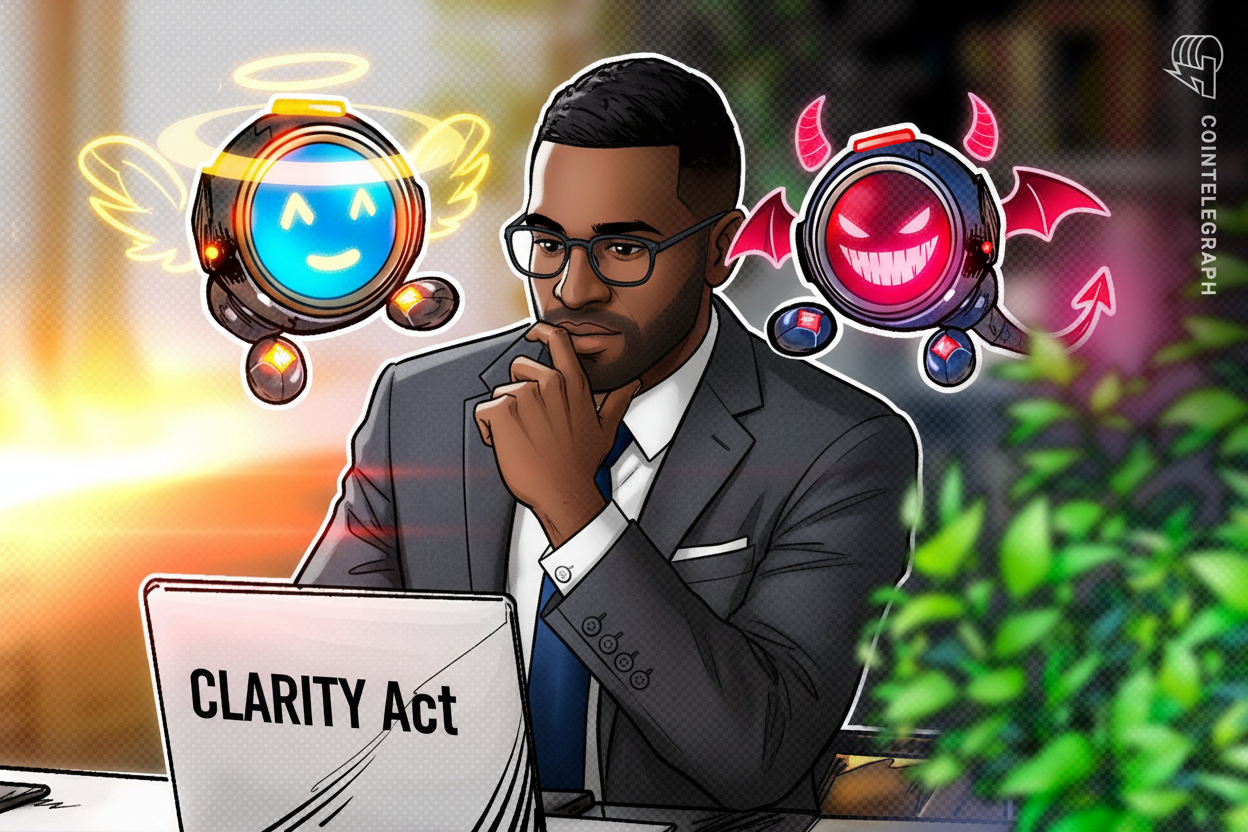
CEO ethics refers to the moral principles and professional standards that guide a Chief Executive Officer’s decision-making, behavior, and leadership style. It involves balancing the legal fiduciary duty to shareholders with the social and moral obligations to employees, customers, communities, and the environment to ensure long-term corporate sustainability.
The landscape of executive leadership has undergone a seismic shift as we move through 2026. The days when a CEO’s sole mandate was the maximization of short-term shareholder value have been replaced by a more complex, holistic framework. In the current business environment, a CEO’s ethical standing is not merely a "soft skill" but a core component of risk management, brand equity, and operational resilience. When the person at the helm operates with high ethical standards, it creates a "tonality from the top" that permeates the entire organizational structure, influencing everything from frontline sales tactics to high-level mergers and acquisitions.
The Evolution of Executive Accountability
The concept of CEO ethics has evolved from basic legal compliance to a proactive commitment to stakeholder capitalism. Historically, the 1970s and 80s were dominated by the "Friedman Doctrine," which suggested that a corporation's only social responsibility was to increase its profits. However, the early 21st century saw high-profile failures—ranging from Enron to the global financial crisis—that highlighted the catastrophic risks of ethically untethered leadership.
By 2026, the definition of success for a CEO has expanded significantly. Today's executives are evaluated through the lens of Environmental, Social, and Governance (ESG) criteria, which serve as quantifiable metrics for ethical performance. Modern CEOs are expected to navigate geopolitical tensions, address climate change, and manage the ethical implementation of artificial intelligence, all while maintaining financial viability. This evolution reflects a growing realization among institutional investors that ethical companies are generally less volatile and more profitable over the long term.
Core Pillars of Ethical CEO Conduct
To understand what constitutes ethical leadership at the executive level, it is necessary to break down the behavior into several foundational pillars. These are the non-negotiables that define an ethical CEO in 2026.
Integrity and Consistency
Integrity is the alignment of a CEO’s stated values with their actual actions. In a world of radical transparency, where internal memos can become public in seconds, any discrepancy between a CEO's public persona and their private decisions can be fatal to their career. Ethical CEOs do not just follow the letter of the law; they adhere to the spirit of it. This consistency builds trust with the workforce, which is essential for executing complex strategies.
Transparency and Communication
Ethical leadership requires a commitment to radical transparency. This means being honest about the company’s challenges, not just its successes. When a CEO is transparent about financial setbacks, security breaches, or strategic shifts, they maintain the trust of the market. Conversely, concealing information—a practice often referred to as "obfuscation"—is a primary indicator of ethical failure. Transparency also extends to clear communication regarding executive compensation, ensuring that pay structures are justifiable to both employees and shareholders.
Fiduciary Responsibility and Fairness
While the CEO must act in the best interests of the company, the ethical CEO interprets "best interests" broadly. This includes ensuring fair wages across the organization, maintaining ethical supply chains, and avoiding predatory market practices. Fairness also involves the equitable treatment of all stakeholders, ensuring that minority shareholders are not marginalized and that employees are provided with a safe, inclusive work environment.
The Role of the Board in Enforcing Ethics
A CEO does not operate in a vacuum; the Board of Directors serves as the primary check on executive behavior. For CEO ethics to be meaningful, the Board must be independent and empowered to hold the executive accountable.
- Compensation Alignment: The Board is responsible for designing incentive structures that reward ethical behavior and long-term stability rather than just quarterly earnings-per-share (EPS). If a CEO’s bonus is tied solely to stock price, they may be tempted to cut corners on safety or research and development.
- Succession Planning: Ethical leadership is maintained through rigorous succession planning that prioritizes character and integrity alongside technical competence.
- Whistleblower Protections: The Board must ensure that there are robust, anonymous channels for employees to report executive misconduct without fear of retaliation.
For more information on the standards for board oversight, the OECD Guidelines on Corporate Governance provide a comprehensive international framework.
Ethical Decision-Making Frameworks for CEOs
Faced with a dilemma, an ethical CEO uses a structured framework rather than relying on gut instinct alone. These frameworks help navigate the "gray areas" of business where the legal answer might not be the ethical one.
- The Utilitarian Approach: This asks which action will produce the greatest good for the greatest number of people. In a corporate context, this might involve weighing a plant closure's impact on a local town against the survival of the global company.
- The Rights Approach: This focuses on protecting the fundamental rights of those affected, such as the right to privacy or the right to a safe workplace.
- The Justice Approach: This ensures that the benefits and burdens of a decision are distributed fairly among stakeholders.
Managing AI and Digital Ethics
In 2026, one of the most pressing ethical challenges for any CEO is the governance of artificial intelligence. As AI becomes integrated into every facet of business operations—from hiring algorithms to autonomous logistics—the CEO is the ultimate arbiter of its ethical use.
Ethical CEOs must ensure that their AI systems are transparent, explainable, and free from bias. This requires a commitment to data privacy that goes beyond the requirements of the General Data Protection Regulation (GDPR). The ethical risk here is significant; an AI system that inadvertently discriminates against a protected group can lead to massive legal liabilities and irreparable brand damage.
Comparison: Traditional vs. Modern Ethical Standards
The following table highlights the shift in expectations for CEO behavior over the last several decades, culminating in the standards of 2026.
| Feature | Traditional Standard (Late 20th Century) | Modern Ethical Standard (2026) |
|---|---|---|
| Primary Objective | Shareholder Primacy (Profit only) | Stakeholder Capitalism (People, Planet, Profit) |
| Transparency | Restricted to required filings | Radical transparency and real-time disclosure |
| Accountability | Legal compliance only | Moral and social accountability |
| Compensation | High multiples of median pay | Justifiable, performance-linked pay ratios |
| Diversity/Inclusion | Viewed as a "compliance" issue | Viewed as a strategic and ethical necessity |
| Climate Change | Ignored or treated as an external cost | Integrated into core business strategy |
The High Cost of Ethical Failures
The consequences of an ethical lapse at the CEO level are more severe in 2026 than ever before. Social media and 24-hour news cycles ensure that misconduct is publicized instantly, often leading to rapid divestment by ESG-conscious funds.
Beyond the financial impact, ethical failures lead to "organizational rot." When employees perceive that the CEO is unethical, their engagement drops, turnover increases, and the company’s ability to attract top talent vanishes. High-performing individuals in the modern workforce, particularly those from younger generations, increasingly refuse to work for leaders who do not align with their personal values.
Furthermore, regulatory bodies like the Securities and Exchange Commission (SEC) have increased their focus on executive conduct, particularly regarding climate-related disclosures and cybersecurity transparency. A CEO who misleads the public on these issues faces not only dismissal by the board but potential criminal prosecution.
Implementing an Ethical Culture from the Top
For a CEO to truly embed ethics into their organization, they must move beyond platitudes. This requires concrete operational steps.
- Establish a Code of Conduct: This document should not be a dusty binder on a shelf but a living document that is referenced in every major meeting.
- Invest in Ethics Training: CEOs should participate in—and lead—ethics workshops for their management teams.
- Reward Ethical Behavior: Performance reviews should include "how" goals were achieved, not just "if" they were achieved. An executive who hits their numbers through intimidation or deception should be penalized, not promoted.
- Engage with Stakeholders: The CEO must regularly meet with community leaders, environmental groups, and labor representatives to understand the external impacts of their decisions.
Frequently Asked Questions
What is the difference between CEO ethics and corporate social responsibility (CSR)? CEO ethics refers specifically to the personal conduct and decision-making framework of the individual executive. CSR is a broader organizational strategy that involves the company’s efforts to give back to society. While they are related, CEO ethics is the foundation upon which CSR is built; without an ethical leader, CSR initiatives often appear insincere or "greenwashed."
Can a CEO be ethical and still prioritize profit? Yes. In fact, ethical leadership is often a prerequisite for sustainable profitability. By avoiding legal battles, maintaining a loyal workforce, and building a strong brand reputation, ethical CEOs often outperform their less scrupulous peers over a five-to-ten-year horizon. Ethics and profit are only in conflict when a CEO focuses exclusively on the short term.
How is CEO compensation related to ethics? Compensation becomes an ethical issue when the gap between the CEO's pay and the median worker's pay becomes so vast that it undermines morale and social cohesion. Additionally, the structure of the pay matters; ethical compensation plans are designed to discourage reckless risk-taking and encourage long-term health.
What should a CEO do if they are pressured by the board to act unethically? An ethical CEO must prioritize their integrity over their job security. This often involves presenting the board with the long-term risks of the unethical action. If the board persists, the ethical course of action is often to resign and, if the conduct is illegal, to report it to the appropriate authorities.
How does "greenwashing" fit into CEO ethics? Greenwashing—making misleading claims about a company’s environmental benefits—is a major ethical breach. In 2026, CEOs are expected to back up their environmental claims with audited data. Facilitating or ignoring greenwashing within an organization is a sign of a failure in executive integrity.
Practical Recommendation for Executives
To maintain a high standard of CEO ethics, leaders should establish an independent ethics advisory council. This group, composed of external experts in philosophy, law, and industry-specific standards, should meet quarterly with the CEO to review major strategic decisions. This provides the executive with a "moral mirror," helping them identify blind spots and cognitive biases that could lead to ethical lapses. Furthermore, CEOs should conduct an annual "Ethical Audit" of their own leadership, seeking anonymous feedback from their direct reports and the board specifically on their adherence to the company's core values.