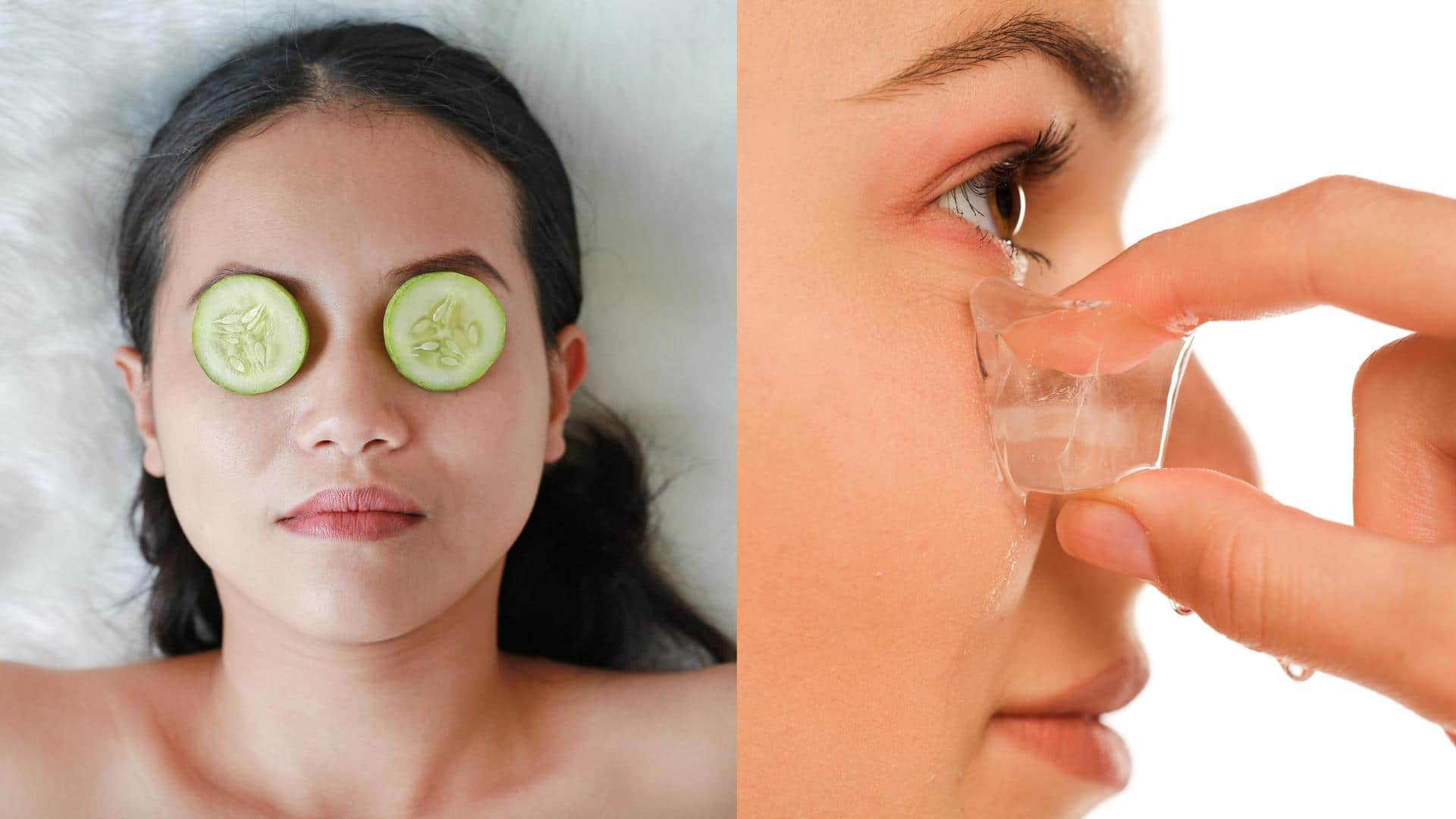
Under-eye bags are a common cosmetic concern caused by fluid retention, fat herniation, or weakening of the periorbital tissues, often exacerbated by aging, fatigue, and lifestyle factors. Achieving a refreshed look quickly often relies on safe, natural remedies that reduce inflammation, stimulate lymphatic drainage, and temporarily tighten the delicate skin around the eyes.
The quest for a brighter, more rested appearance is a universal skincare goal. Whether waking up after a late night or dealing with chronic morning puffiness, finding reliable methods to reduce swelling is essential. While surgical interventions like blepharoplasty offer permanent solutions, many individuals prefer non-invasive, home-based techniques. Implementing natural remedies requires an understanding of why under-eye swelling occurs in the first place, allowing you to select the right approach for your specific skin type and schedule.
Understanding the Anatomy of Under-Eye Bags
The skin surrounding the eyes is exceptionally thin, measuring only about 0.5 millimeters in thickness compared to an average of 2 millimeters across the rest of the body. Beneath this delicate dermal layer lies a minimal amount of subcutaneous fat and a dense network of superficial blood vessels. Because the skin is so thin and transparent, any changes in blood flow, fluid balance, or tissue integrity immediately manifest as puffiness, dark circles, or shadowing.
Fluid retention, medically known as periorbital edema, is a primary culprit behind temporary under-eye bags. This fluid accumulation can be triggered by high sodium intake, lack of sleep, allergies, crying, or hormonal fluctuations. When you lie horizontal for hours during sleep, gravity allows interstitial fluid to pool in the loose tissues beneath the eyes. Upon waking, this pooled fluid creates noticeable swelling.
Beyond fluid retention, structural changes contribute significantly to under-eye bags as people age. The orbital septum—a fibrous membrane that holds fat in place within the eye socket—weakens over time. When this barrier degrades, the fat pads beneath the eyes herniate forward, creating a permanent bulge or shadow. While natural remedies cannot reverse structural fat herniation or genetic predispositions, they can dramatically mitigate temporary fluid retention and reduce surface inflammation for a smoother, tighter appearance.
1. Cold Compresses and Cryotherapy
Applying cold temperatures to the periorbital area remains one of the fastest and most reliable ways to constrict blood vessels and reduce localized swelling. When coldness contacts the skin, it causes vasoconstriction, meaning the local capillaries narrow. This reduces blood flow to the area, which immediately minimizes fluid leakage into the surrounding tissues and tightens slack skin.
Several household items can serve as effective cold compresses. Stainless steel spoons placed in the refrigerator for ten to fifteen minutes provide an ergonomic curve that fits perfectly against the eye socket. Gently pressing the curved back of the chilled spoons under the eyes for three to five minutes offers instant relief. Alternatively, specialized gel eye masks kept in the fridge or freezer deliver consistent, uniform cold therapy.
| Remedy | Preparation Time | Primary Mechanism |
|---|---|---|
| Chilled Spoons | 10-15 minutes (fridge) | Vasoconstriction & pressure |
| Gel Eye Masks | 15-30 minutes (freezer) | Uniform cold exposure |
| Cucumber Slices | 5-10 minutes (fridge) | Hydration & astringent cooling |
| Chilled Tea Bags | 10 minutes (steep/chill) | Caffeine & antioxidant action |
When utilizing cold therapy, exercise caution to avoid freezing or damaging the ultra-thin skin. Never apply raw, unwrapped ice directly to the face, as extreme cold can cause ice burns or rupture fragile capillaries, worsening redness and irritation. Always use a clean cloth barrier if employing ice cubes, and limit cold compress sessions to ten minutes at a time.
2. Caffeinated Tea Bags
Caffeine is a powerful vasoconstrictor commonly found in skincare formulations, and it can be easily harnessed at home using steeped tea bags. Green tea and black tea are particularly effective because they contain high concentrations of caffeine alongside potent antioxidants called flavonoids and tannins.
To use this remedy, steep two tea bags in hot water for three to five minutes to activate the beneficial compounds. Remove the bags and allow them to cool completely in the refrigerator until they are cold to the touch. Once chilled, recline and place the tea bags over closed eyes for ten to fifteen minutes.
The caffeine absorbs through the skin, constricting blood vessels and diminishing the appearance of vascular puffiness. Simultaneously, the tannins act as a mild astringent, tightening the skin and reducing fluid accumulation. Green tea adds an extra layer of anti-inflammatory benefits, helping to calm irritated tissue and neutralize free radicals that accelerate skin aging.
3. Hydration and Electrolyte Balance
Paradoxically, one of the most effective natural defenses against fluid retention is increasing water consumption. When the body is dehydrated, it panics and hoards water, storing excess fluid in extracellular spaces like the under-eye area as a survival mechanism. Drinking adequate water throughout the day signals the body that it does not need to retain fluids.
Maintaining electrolyte balance is equally crucial. Consuming excessive sodium leads to osmotic imbalances, drawing water out of the bloodstream and into surrounding tissues, which heavily contributes to morning puffiness. Limiting salty foods, particularly in the evening, prevents overnight fluid accumulation.
Integrating potassium-rich foods—such as bananas, avocados, and leafy greens—helps regulate sodium levels within the body. Aim for the standard recommendation of eight glasses of water daily, adjusted for activity level and climate, to ensure proper internal drainage and prevent the sluggish circulation that causes bags to form.
4. Lymphatic Drainage Massage
The lymphatic system is responsible for clearing waste and excess fluid from body tissues, but unlike the cardiovascular system, it lacks a central pump like the heart. It relies entirely on muscle movement and external physical manipulation to circulate lymph fluid. When lymph stagnates around the eyes, it manifests as morning puffiness.
Performing a gentle lymphatic drainage massage can manually push trapped fluid away from the periorbital region toward the lymph nodes near the ears and neck. Always apply a slip agent, such as a drop of pure jojoba oil or rosehip oil, to prevent tugging on the fragile skin. Using your ring finger—which naturally exerts the least pressure—start at the inner corner of the eye and gently glide outward along the orbital bone toward the temples.
Repeat this motion five to ten times per eye. Next, tap lightly around the orbital bone using a pitter-patter motion to stimulate microcirculation. This simple routine takes less than two minutes and can be incorporated into your morning skincare application to rapidly depuff the eye area.
5. Raw Cucumber Slices
The classic spa trope of placing cucumber slices over the eyes is backed by genuine dermatological science. Cucumbers possess a high water content, which provides intense surface hydration, along with ascorbic acid (vitamin C) and caffeic acid. Both acids act as natural astringents that prevent water retention and soothe inflamed tissue.
To maximize this remedy, chill a fresh cucumber in the refrigerator. Slice two thick rounds and place them over closed eyes for ten to fifteen minutes while resting. The cool temperature provides the benefits of cryotherapy, while the natural juices help nourish and lighten the under-eye area.
Cucumbers are also naturally hypoallergenic and gentle, making them suitable for individuals with sensitive skin who might react poorly to commercial skincare ingredients or essential oils. Regular use helps soften the skin and reduce mild discoloration alongside puffiness.
6. Cold Rosewater Soaks
Rosewater has been utilized for centuries in traditional skincare for its balancing, anti-inflammatory, and soothing properties. It acts as a mild astringent that tightens pores and firms loose skin without causing dryness or irritation.
Pour pure, organic rosewater into a bowl and chill it in the refrigerator. Soak two cotton makeup pads in the cold liquid, then lie down and place the pads over your eyes for ten to fifteen minutes. The combination of the cooling temperature and the natural botanical compounds works to calm tired, swollen eyes instantly.
Rosewater also contains natural antioxidants that support skin barrier repair. Ensure you purchase 100% pure rosewater free from synthetic fragrances, artificial dyes, and alcohol, as added chemicals can easily irritate the mucous membranes of the eyes and trigger further inflammation.
7. Strategic Elevation During Sleep
Gravity plays a major role in how fluid distributes across the body while resting. When you sleep flat on your back or stomach, fluid has an unobstructed path to pool in the facial tissues, leading to pronounced bags upon waking.
Adjusting your sleeping position by elevating your head can prevent this accumulation. Add an extra pillow or use a wedge pillow to elevate your head by approximately 10 to 15 degrees. This subtle incline keeps gravity working in your favor, allowing excess fluid to drain downward naturally throughout the night rather than collecting around the eyes.
Ensure your pillow provides adequate neck support to prevent strain. Beyond reducing under-eye bags, sleeping with an elevated head can also assist with sinus drainage, making it particularly beneficial for individuals who suffer from morning congestion-related puffiness.
8. Potato Slices for Enzyme Action
Raw potatoes are an unconventional yet highly effective remedy for under-eye bags and dark circles due to the presence of an enzyme called catecholase. Catecholase is a natural skin-lightening agent, while the potato starch acts as an anti-inflammatory agent that draws out excess fluid.
Wash a raw potato, peel it, and cut two thin, flat slices. Lie down and place the potato slices over your eyes for ten to fifteen minutes. Alternatively, grate a chilled potato, wrap the shavings in clean gauze or cheesecloth, and place the compresses over the eyes.
The starch and enzymes work in tandem to soothe swelling and brighten shadowed areas. Rinse the skin thoroughly with cool water afterward to remove any residual starch that might dry out the skin surface.
9. Dietary Adjustments and Allergen Management
Internal triggers often manifest externally as chronic under-eye bags. Food sensitivities, seasonal allergies, and high alcohol or sodium intake cause systemic inflammation that frequently targets the thin skin around the eyes.
Allergies trigger the release of histamines, which cause blood vessels to dilate and leak fluid into surrounding tissues. This phenomenon is commonly known as "allergic shiners." Identifying and managing allergens through air purifiers, hypoallergenic bedding, or consulting an allergist can permanently reduce chronic puffiness.
Similarly, moderating alcohol consumption is vital. Alcohol causes systemic dehydration, which prompts the body to retain water, and it dilates blood vessels, making under-eye swelling and dark circles much more prominent the morning after consumption. Pairing alcoholic drinks with glasses of water and limiting intake can prevent this effect.
10. Cold Spoon or Gua Sha Stone Massage
In addition to manual finger massage, tools like stainless steel facial spoons or jade/quartz Gua Sha stones offer structured lymphatic drainage. These tools should be kept in the refrigerator to combine the mechanical benefits of massage with sustained cold therapy.
Using the rounded edge or the small tip of a chilled Gua Sha tool, very gently sweep from the inner corner of the eye outward toward the hairline, following the contour of the orbital bone. Apply virtually zero downward pressure; the weight of the stone alone is often sufficient to encourage fluid movement.
This technique stimulates micro-circulation, relieves muscle tension around the brow and eye socket, and sculpts the face. Always sanitize your tools before and after each use with rubbing alcohol to prevent introducing bacteria to the delicate eye area.
Troubleshooting and Professional Considerations
While natural remedies offer excellent temporary relief for fluid retention and mild fatigue, they have distinct limitations. It is important to distinguish between transient puffiness and true structural changes. If under-eye bags are caused by herniated orbital fat or significant skin laxity due to aging, topical remedies and massages will only provide short-term cosmetic improvements.
Furthermore, sudden, severe swelling in only one eye, accompanied by pain, redness, or vision changes, requires immediate medical evaluation rather than home care. This can indicate an infection, blocked tear duct, or acute allergic reaction. For persistent cosmetic concerns that do not respond to lifestyle adjustments, dermatologists and plastic surgeons offer advanced options such as laser resurfacing, chemical peels, dermal fillers, or lower blepharoplasty.
| Concern Type | Typical Cause | Best Approach |
|---|---|---|
| Morning Puffiness | Fluid pooling during sleep | Cold compresses, elevation |
| Vascular Dark Circles | Thin skin, visible capillaries | Caffeinated tea bags, rosewater |
| Chronic Swelling | Allergies, high sodium, genetics | Dietary changes, antihistamines |
| Permanent Bulges | Fat herniation, tissue sagging | Dermatological procedures |
Always patch-test new natural ingredients, such as botanical extracts or essential oils, on your inner forearm before applying them near the eyes. The periorbital skin is highly reactive, and preventing an allergic contact dermatitis reaction is far easier than treating one.