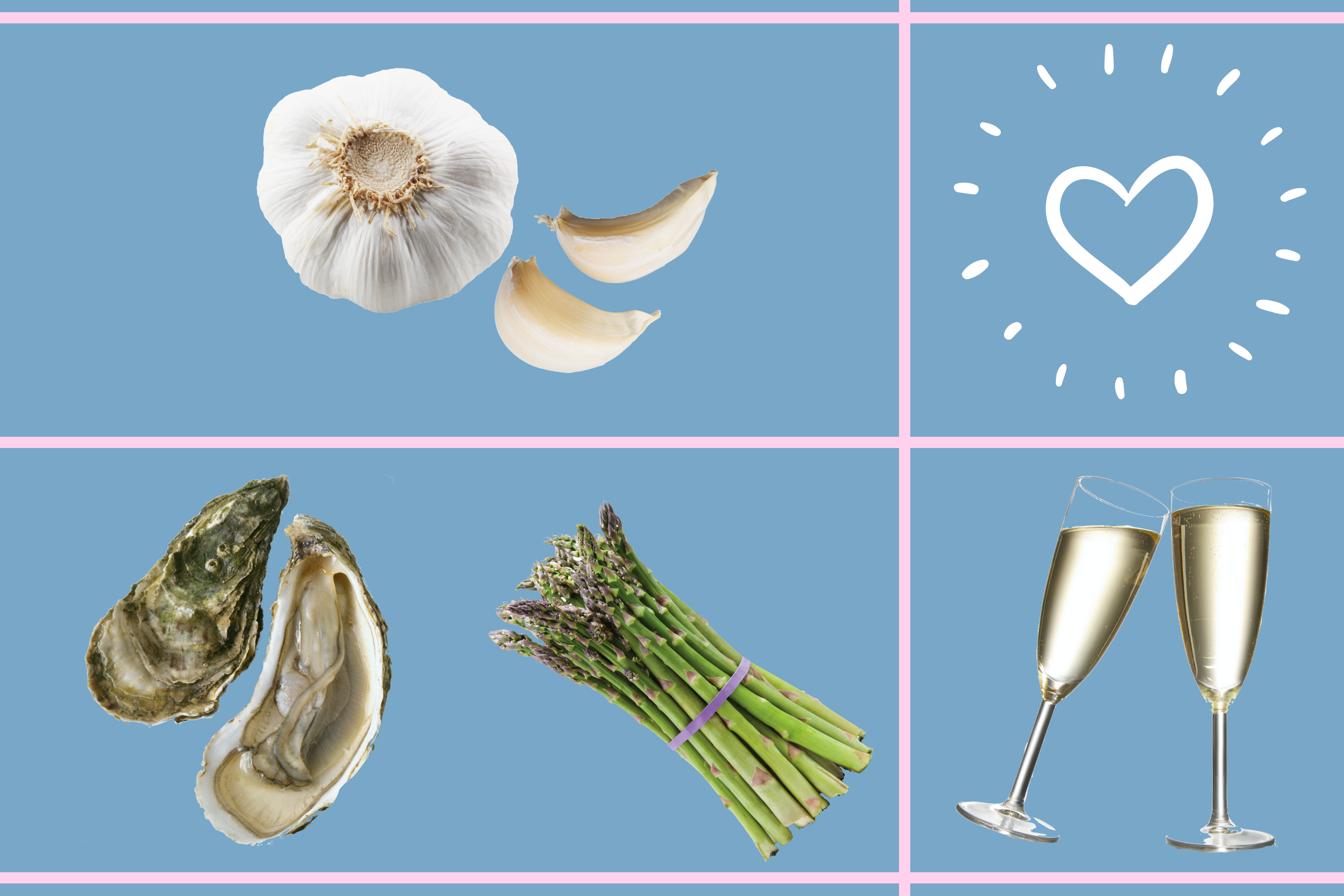
Throughout human history, societies across the globe have sought natural ways to enhance romantic desire, physical stamina, and overall vitality. While modern medicine offers pharmaceutical solutions for sexual wellness, many people prefer a holistic, nutritional approach. Incorporating specific nutrient-dense foods into your regular diet can naturally support hormonal balance, improve blood circulation, and elevate energy levels. Understanding how these ingredients function biochemically allows you to make informed dietary choices that support long-term sexual health without relying on quick fixes or unverified supplements.
An aphrodisiac is broadly defined as any food, drink, or substance that can arouse sexual desire, induce physical readiness, or enhance sexual performance. Rather than acting as magic potions, powerful aphrodisiac foods work by optimizing physiological mechanisms. They target three main pillars of sexual health: hormonal regulation (such as testosterone and estrogen production), nitric oxide synthesis for enhanced vascular blood flow, and nervous system stimulation for improved mood and sensitivity.
When evaluating these foods, it is important to maintain realistic expectations. Dietary adjustments build momentum over time rather than providing an instantaneous reaction. By pairing these nutrient-dense ingredients with an active lifestyle, adequate hydration, and balanced nutrition, you can build a sustainable foundation for lasting vitality.
The Biological Mechanisms Behind Natural Aphrodisiacs
To understand why certain foods earn a reputation as natural enhancers, one must examine the human circulatory and endocrine systems. Sexual arousal and physical stamina rely heavily on two primary physiological processes: adequate blood flow to peripheral tissues and the stable production of sex hormones.
Vascular Health and Nitric Oxide
Blood flow is the cornerstone of physical arousal. Many traditional and modern performance-boosting foods are rich in dietary nitrates or specific amino acids, such as L-arginine. Once consumed, these compounds convert into nitric oxide within the body. Nitric oxide acts as a powerful vasodilator, relaxing the inner muscles of blood vessels and causing them to widen. This increased vascular efficiency ensures that oxygen and nutrients circulate effectively throughout the entire body, supporting physical responsiveness and endurance.
Hormonal Support and Micronutrients
Zinc, magnesium, Vitamin D, and B-complex vitamins play vital roles in hormone synthesis. For instance, zinc is a fundamental building block for testosterone production in both men and women. Deficiencies in these key micronutrients can lead to fatigue, low libido, and reduced stamina. Incorporating whole foods rich in these vitamins and minerals helps correct minor nutritional gaps, thereby supporting natural hormonal equilibrium.
10 Powerful Aphrodisiac Foods for Daily Vitality
Integrating nutrient-rich foods into your meal planning does not require exotic or expensive ingredients. The following ten scientifically backed foods offer profound benefits for circulation, energy, and desire.
| Food Item | Primary Active Compound | Main Physiological Benefit |
|---|---|---|
| 1. Oysters | Zinc & Rare Amino Acids | Boosts testosterone & dopamine levels |
| 2. Dark Chocolate | Flavanols & Phenethylethylamine | Improves blood flow & elevates mood |
| 3. Maca Root | Macamides & macamides | Enhances libido & physical endurance |
| 4. Pomegranate | Polyphenols & Nitrates | Increases nitric oxide & circulation |
| 5. Watermelon | Citrulline | Relaxes blood vessels & stamina |
| 6. Ginseng | Ginsenosides | Reduces fatigue & nervous energy |
| 7. Avocado | Healthy Fats & Vitamin E | Supports hormone production & energy |
| 8. Chili Peppers | Capsaicin | Stimulates heart rate & endorphins |
| 9. Walnuts | Omega-3 Fatty Acids & Arginine | Improves endothelial function |
| 10. Fenugreek | Saponins | Supports healthy testosterone levels |
1. Oysters
Long celebrated as the quintessential aphrodisiac, oysters owe their reputation to an exceptionally high concentration of zinc. Zinc is crucial for maintaining optimal testosterone levels and producing healthy reproductive cells. Furthermore, oysters contain rare amino acids—D-aspartic acid and N-methyl-D-aspartate—which trigger a temporary spike in sex hormone production. Consuming them raw or lightly cooked preserves their delicate micronutrient profile.
2. Dark Chocolate
Dark chocolate contains flavanols, which are antioxidants that improve vascular health and lower blood pressure. More importantly, it contains phenethylethylamine (PEA), a neuromodulator often associated with the feelings of excitement and attraction that accompany falling in love. Eating high-cacao dark chocolate (70% or higher) also stimulates the release of serotonin and endorphins, reducing stress and opening the mind to relaxation and intimacy.
3. Maca Root
Originating from the high altitudes of the Peruvian Andes, maca root is an adaptogenic plant traditionally used to combat fatigue and improve fertility. Modern research suggests that specific compounds within maca, known as macamides, help regulate hormonal pathways without directly altering hormone levels. Regular supplementation with maca powder or capsules has been linked to significant improvements in self-reported sexual desire and physical stamina over several weeks of consistent use.
4. Pomegranate Juice
Pomegranates are packed with potent antioxidants known as polyphenols, which protect blood vessels from oxidative stress and support cardiovascular health. Studies indicate that regular consumption of pomegranate juice can significantly increase plasma antioxidant activity and improve arterial elasticity. This leads to better overall blood circulation, which is essential for both sustained energy and physical responsiveness.
5. Watermelon
Watermelon is one of nature’s best sources of L-citrulline, a non-essential amino acid. When you eat watermelon, your body converts L-citrulline into L-arginine, which stimulates the production of nitric oxide. This process relaxes blood vessels in a manner similar to performance medications, albeit through a much milder, natural pathway. The white inner rind contains the highest concentration of citrulline, making it beneficial to blend into smoothies if possible.
6. Ginseng (Panax Ginseng)
Often referred to as the "king of herbs" in traditional herbalism, Panax ginseng has centuries of documented use for vitality and rejuvenation. Active compounds called ginsenosides help the central nervous system adapt to physical and mental stress. Clinical studies suggest that red ginseng can improve erectile function, enhance energy metabolism, and combat chronic fatigue, making it a powerful ally for endurance.
7. Avocado
Avocados were actually named ahuacatl (testicle tree) by the ancient Aztecs due to their shape and growth pattern on trees. Nutritionally, they are rich in monounsaturated fats, which are essential for heart health and efficient blood circulation. Avocados also supply high amounts of Vitamin E and potassium, both of which prevent arterial stiffening and support the cellular production of sex hormones.
8. Chili Peppers
If you enjoy spicy food, you are already experiencing a natural metabolic boost. Chili peppers contain capsaicin, the compound responsible for their fiery heat. Capsaicin stimulates nerve endings, increases heart rate, and triggers the release of endorphins—the body's natural feel-good chemicals. This sudden rush of adrenaline and circulation mimics the physiological markers of intense physical attraction and arousal.
9. Walnuts
Walnuts stand apart from other nuts due to their exceptional concentration of alpha-linolenic acid, a plant-based omega-3 fatty acid. They also provide large amounts of L-arginine. Regular consumption of walnuts has been shown in clinical trials to improve endothelial function—the thin membrane lining the inside of the heart and blood vessels—resulting in smoother, more efficient blood flow throughout the body.
10. Fenugreek
Fenugreek is a common spice used in Mediterranean and Indian cuisine, frequently utilized as a natural testosterone booster. It contains high concentrations of furostanolic saponins, compounds that help prevent testosterone from converting into estrogen. Clinical studies involving both men and women have shown that standardized fenugreek extracts can noticeably improve arousal, sexual vitality, and overall physical energy.
Practical Dietary Integration and Lifestyle Factors
Simply adding these foods to your diet on an isolated occasion will yield minimal results. To experience meaningful improvements in desire and stamina, these ingredients should form part of a broader, nutrient-dense eating pattern, such as a Mediterranean diet rich in vegetables, lean proteins, and healthy fats.
Hydration and Circulation
Water is the primary transport medium for blood plasma, hormones, and cellular nutrients. Dehydration thickens the blood, forcing the cardiovascular system to work harder and reducing peripheral circulation. Drinking adequate water throughout the day ensures that your vascular system can respond efficiently when physical stamina is required.
Stress Management and Sleep
Dietary interventions cannot compensate for chronic stress and sleep deprivation. High cortisol—the body's primary stress hormone—directly suppresses testosterone and estrogen production while constricting blood vessels. Prioritizing seven to nine hours of quality sleep each night and practicing stress-reduction techniques will amplify the benefits of these aphrodisiac foods.
Frequently Asked Questions
How long does it take for aphrodisiac foods to work?
Unlike pharmaceutical medications designed for immediate action, nutritional aphrodisiacs work cumulatively. Foods that improve nitric oxide production, such as watermelon and pomegranate, can show minor circulatory effects within a few hours. However, systemic benefits related to hormonal balance and stamina—such as those from maca, fenugreek, or zinc-rich foods—typically require two to four weeks of consistent daily consumption.
Can these foods help both men and women?
Yes. While marketing often targets male performance, the underlying physiology of sexual wellness applies equally to all genders. Enhanced nitric oxide production improves sensitivity and blood flow in all individuals, while micronutrients like zinc and healthy fats support baseline hormone regulation across both male and female endocrine systems.
Are there any side effects to consuming these foods in large quantities?
Most whole foods are safe when consumed as part of a balanced diet. However, overconsumption can lead to digestive discomfort. For example, excessive chili peppers can cause gastric irritation, and very high doses of certain herbal extracts like ginseng or fenugreek may interact with blood-thinning medications or blood sugar regulators. Consult a healthcare professional if you take prescription medications.
Do cooking methods alter the effectiveness of these foods?
Yes. Heat-sensitive nutrients, such as Vitamin C and certain antioxidants found in pomegranates and dark leafy greens, can degrade when exposed to high temperatures. Whenever possible, consume items like dark chocolate, walnuts, fruits, and raw or lightly steamed vegetables in their least processed states to maximize their nutritional potency.
Conclusion and Next Action
Boosting your desire and physical stamina does not require complex protocols or unverified supplements. By systematically incorporating nutrient-dense staples like dark chocolate, pomegranates, walnuts, and maca root into your daily meals, you actively support healthy circulation, hormonal equilibrium, and sustained energy.
Begin by selecting two or three items from this list that align with your current dietary preferences. Introduce them consistently over the next month while ensuring adequate hydration and rest. Monitor how your energy levels and overall vitality respond, and gradually build a sustainable, health-focused routine that supports your long-term wellness goals.