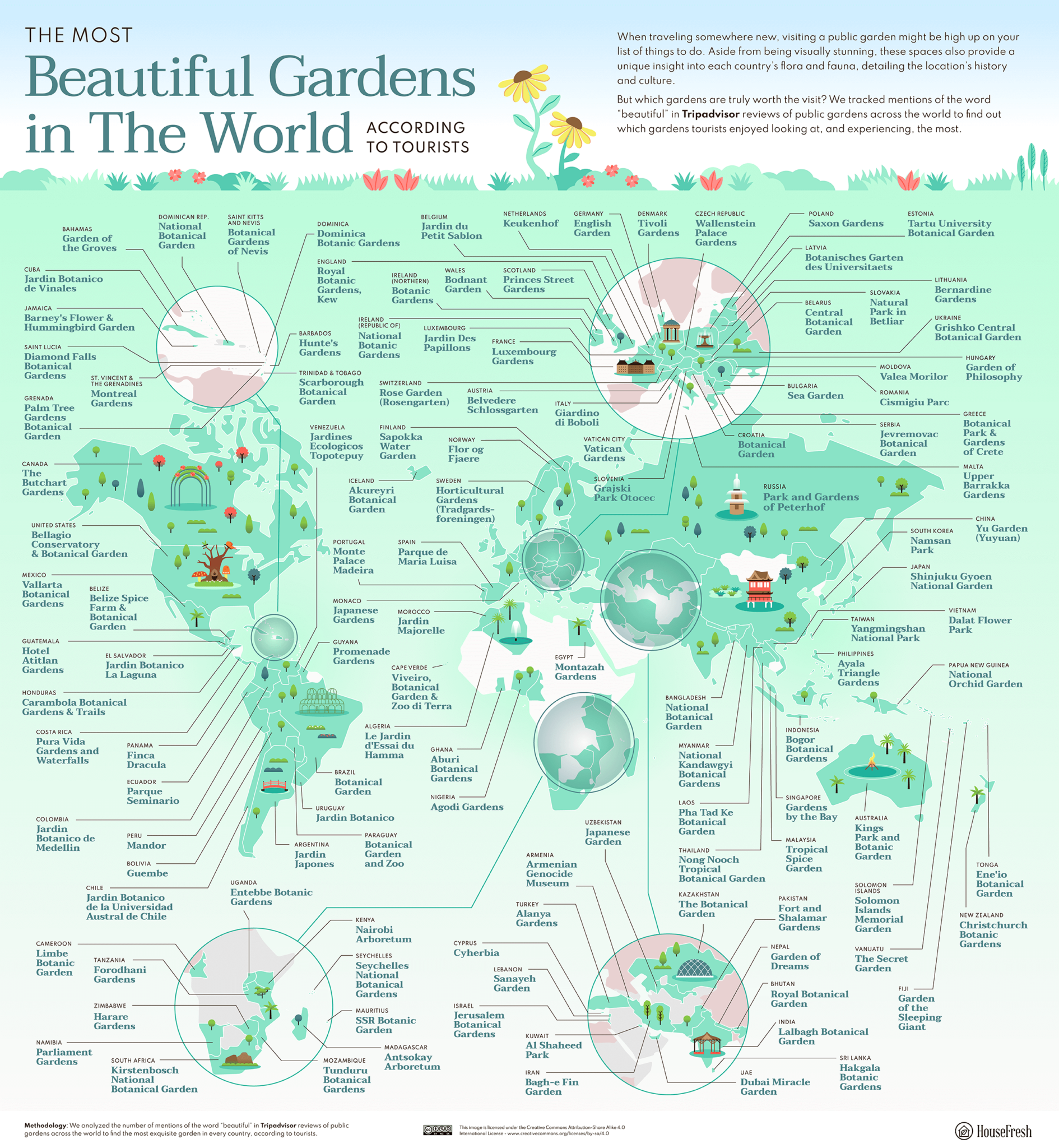
The most beautiful gardens in the world include the tulip-filled landscapes of Keukenhof in the Netherlands, the regal symmetry of the Gardens of Versailles in France, and the futuristic vertical forests of Gardens by the Bay in Singapore. These sites represent the pinnacle of horticultural artistry, conservation, and historical preservation.
Botanical gardens and managed landscapes serve as more than just aesthetic retreats; they are living museums of biodiversity and masterpieces of human engineering. Whether you are a professional landscaper or a dedicated traveler, visiting these world-class locations in 2026 offers a unique look at how traditional gardening techniques have integrated with modern sustainability practices. This guide provides a detailed analysis of the top ten gardens globally, examining their history, botanical significance, and practical visiting requirements for the current year.
1. Keukenhof: The Garden of Europe (Lisse, Netherlands)
Located in the heart of the "Dune and Bulb Region" of the Netherlands, Keukenhof is widely considered the premier spring garden on the planet. Covering approximately 32 hectares, the park is famous for its annual display of more than seven million flower bulbs, including over 800 varieties of tulips.
Historical Context and Design
Keukenhof dates back to the 15th century when the grounds served as a "kitchen garden" (hence the name) for the Countess of Bavaria's castle. The modern garden was established in 1949 as an exhibition for bulb growers to showcase their hybrids. The design is primarily in the English Landscape style, characterized by winding paths, water features, and surprise vistas.
What to Expect in 2026
For the 2026 season, Keukenhof continues its tradition of rotating themes. The garden is only open for approximately eight weeks between late March and mid-May. Visitors must navigate strict entry windows, as the park utilizes a "timeslot" ticketing system to manage the millions of tourists who arrive during the peak bloom. The focus remains on the "Tulipomania" exhibition in the Juliana Pavilion, which details the history of the 17th-century Dutch tulip craze.
2. Gardens of Versailles (Versailles, France)
The Gardens of Versailles are the ultimate expression of the Jardin à la Française (French Formal Garden) style. Commissioned by Louis XIV and designed by André Le Nôtre starting in 1661, these gardens emphasize order, symmetry, and the triumph of man over nature.
Engineering and Layout
The gardens span 800 hectares and feature 50 fountains, hundreds of statues, and the famous Grand Canal. One of the most technically impressive aspects is the water management system. Even in 2026, the estate utilizes a complex network of pipes and reservoirs that, while modernized, still echoes the hydraulic engineering of the 17th century.
Essential Features
- The Orangerie: Housing over 1,000 trees, including lemon, pomegranate, and palms, some of which are centuries old.
- The Musical Fountains Show: A scheduled event where the fountains "dance" to Baroque music, a must-see for visitors during the warmer months.
- The Grand Trianon: A more intimate garden setting designed for the King's relaxation away from the court.
3. Gardens by the Bay (Singapore)
Representing the future of urban horticulture, Gardens by the Bay is a 101-hectare sanctuary in the heart of Singapore. It is a prime example of the "City in a Garden" initiative, blending high-tech architecture with tropical flora.
Sustainable Innovations
The most iconic features are the Supertrees—vertical gardens ranging from 25 to 50 meters tall. These structures are equipped with environmental technologies that mimic the ecological functions of real trees, such as photovoltaic cells that harness solar energy and air intake/exhaust functions for the conservatory cooling systems.
The Conservatories
The Cloud Forest and Flower Dome are cooled conservatories that house plants from Mediterranean and Tropical Montane environments. In 2026, the Cloud Forest remains a global leader in showcasing rare plants threatened by climate change, featuring a 35-meter-tall indoor waterfall that provides the necessary humidity for epiphytes and ferns.
4. Butchart Gardens (Victoria, Canada)
Located on Vancouver Island, Butchart Gardens is a National Historic Site of Canada that originated from a reclaimed limestone quarry. Jennie Butchart began the transformation in the early 1900s, turning an industrial eyesore into what is now the world-famous Sunken Garden.
Seasonal Transitions
Butchart Gardens is unique for its year-round appeal. While the Sunken Garden is the centerpiece, the Rose Garden, Japanese Garden, and Italian Garden offer distinct atmospheres. In 2026, the site remains a model for private garden management, maintaining over a million bedding plants each year.
Key Highlights
- The Sunken Garden: Descending into the quarry floor reveals a lush landscape of flowering shrubs and trees.
- Ross Fountain: A massive water display installed in 1964 to celebrate the garden's 60th anniversary.
- Night Illuminations: During the summer and holiday seasons, the gardens are lit with thousands of lights, highlighting the textures of the foliage.
5. Jardin Majorelle (Marrakech, Morocco)
A masterpiece of color and light, Jardin Majorelle was created by French painter Jacques Majorelle over nearly 40 years. In 1980, the garden was purchased and restored by fashion designer Yves Saint Laurent and Pierre Bergé, ensuring its preservation.
The Majorelle Blue
The garden is famous for its vibrant "Majorelle Blue" buildings and structures, a specific shade of cobalt that provides a striking contrast to the lush green plants. The plant collection focuses on cacti, succulents, palms, and bamboo, many of which are native to arid regions around the world.
Cultural Significance
Beyond the plants, the site houses the Pierre Bergé Museum of Berber Arts and the Yves Saint Laurent Museum nearby. In 2026, the garden remains one of Morocco's most visited sites, requiring advance online booking due to its relatively compact size and high demand.
6. Kenroku-en (Kanazawa, Japan)
Recognized as one of the "Three Great Gardens of Japan," Kenroku-en exemplifies the aesthetics of the Edo period. The name translates to "Garden of the Six Sublimities," referring to the six attributes required for a perfect garden: spaciousness, seclusion, artifice, antiquity, use of water, and panoramic views.
Architectural Harmony
The garden is famous for the Kotoji-toro, a two-legged stone lantern that has become the symbol of Kanazawa. The use of water is masterful, featuring Japan's oldest fountain, which operates by natural water pressure.
Winter Protection
If visiting in the late autumn or winter, you will see the yukizuri—ropes attached to the trees in a conical shape to protect the branches from heavy snow. This practice is a fascinating display of traditional horticultural skill that continues to be practiced meticulously in 2026.
7. Royal Botanic Gardens, Kew (Richmond, UK)
A UNESCO World Heritage site, Kew Gardens is much more than a beautiful landscape; it is a global leader in botanical research and conservation. Spanning 132 hectares, it contains the largest and most diverse botanical and mycological collections in the world.
Iconic Glasshouses
- The Palm House: A Victorian masterpiece of iron and glass housing tropical plants from around the globe.
- The Temperate House: The world's largest Victorian glasshouse, recently restored to its former glory.
- The Princess of Wales Conservatory: A modern facility featuring ten different climate zones.
Conservation in 2026
Kew's role in 2026 is critical, as it manages the Millennium Seed Bank, an international effort to store seeds from every plant species on Earth. Visitors can explore the "Great Broad Walk Borders," which provide a stunning example of perennial garden design.
8. Villa d’Este (Tivoli, Italy)
A pinnacle of Italian Renaissance garden design, Villa d’Este is celebrated for its incredible use of water. Located in Tivoli, near Rome, the garden was commissioned by Cardinal Ippolito II d'Este in the 16th century.
The Theatre of Water
The garden is built on a series of terraces and features an array of fountains, cascades, and water music. The Hundred Fountains (Le Cento Fontane) and the Organ Fountain, which plays music using the pressure of water moving through pipes, are engineering marvels that have been functional for centuries.
Mannerist Design
The layout reflects Mannerist principles, emphasizing surprise and complex symbolism. In 2026, the villa remains a UNESCO site, and evening visits during the summer are highly recommended to see the fountains illuminated.
9. Nong Nooch Tropical Botanical Garden (Pattaya, Thailand)
Spanning over 200 hectares, Nong Nooch is one of the largest and most varied gardens in Southeast Asia. It combines scientific research with tourist attractions, featuring a massive collection of cycads, orchids, and palms.
Distinct Garden Styles
Nong Nooch is organized into themed areas, including a 17th-century French garden, a European Renaissance garden, and the "Cactus and Succulent Garden." The site is also famous for its "Dinosaur Valley," which integrates life-sized sculptures of prehistoric creatures with the landscaping.
Research and Breeding
The garden is a major center for cycad research and hosts international conferences on the subject. For visitors in 2026, the sheer scale of the property often necessitates the use of the garden's internal shuttle system or the elevated skywalk.
10. Claude Monet’s Garden (Giverny, France)
For fans of Impressionism, a visit to Claude Monet’s house and gardens in Giverny is a pilgrimage. Monet lived here from 1883 until his death in 1926, and he spent decades shaping the land to serve as his primary artistic subject.
The Water Garden
The Japanese-inspired water garden, with its famous green bridge and water lilies, was the inspiration for Monet’s "Nymphéas" series. The garden is split into two parts: the Clos Normand (the flower garden in front of the house) and the Jardin d'Eau (the water garden).
Aesthetic Philosophy
Unlike the formal gardens of Versailles, Giverny is characterized by controlled wildness. Monet mixed rare flowers with common ones and focused on how light and color interacted at different times of the day. In 2026, the garden continues to be maintained exactly as Monet intended, providing a living snapshot of 19th-century artistic vision.
Comparative Overview of World-Class Gardens
| Garden Name | Location | Primary Style | Best Time to Visit |
|---|---|---|---|
| Keukenhof | Netherlands | Dutch Bulb/English | Late March to Mid-May |
| Versailles | France | French Formal | April to October |
| Gardens by the Bay | Singapore | Futuristic/Tropical | Year-round |
| Butchart Gardens | Canada | Reclaimed Quarry/Mixed | May to September |
| Jardin Majorelle | Morocco | Moorish/Modernist | Spring and Autumn |
| Kenroku-en | Japan | Japanese Stroll | All Seasons (Variable) |
| Kew Gardens | UK | Victorian/Scientific | Spring to Summer |
| Villa d’Este | Italy | Renaissance/Mannerist | May to September |
| Nong Nooch | Thailand | Tropical/Themed | November to February |
| Claude Monet's Garden | France | Impressionist | April to October |
The Science of Maintaining World-Class Gardens in 2026
The upkeep of these gardens requires more than just traditional weeding and pruning. In 2026, many of these institutions have adopted advanced technological solutions to ensure the longevity of their plant collections while adhering to environmental regulations.
Precision Irrigation and AI
Gardens like Singapore's Gardens by the Bay and Kew Gardens now utilize AI-monitored soil sensors. These devices measure moisture levels, nutrient density, and pH levels in real-time, allowing for precision irrigation that saves water and prevents nutrient runoff. This data-driven approach is essential for managing delicate ecosystems within glasshouses.
Integrated Pest Management (IPM)
Rather than relying on synthetic pesticides, world-class gardens have largely shifted to Integrated Pest Management. This involves the use of predatory insects (like ladybugs or lacewings) to control pests, and the selection of disease-resistant plant varieties. At Versailles, for instance, there is a significant push toward organic maintenance of the vast lawns and groves to protect local groundwater.
Climate Adaptation Strategies
As global temperatures fluctuate, gardens are forced to adapt. This includes migrating certain species to more favorable microclimates within the garden or installing advanced shading systems. In 2026, the Royal Botanic Gardens, Kew, is at the forefront of this, testing how different "climate-resilient" tree species fare in urban environments.
Practical Tips for Your 2026 Garden Tour
- Advance Booking is Mandatory: Most of these gardens, especially Keukenhof, Majorelle, and Giverny, require online tickets purchased weeks in advance. Many no longer sell tickets at the gate.
- Respect the Photography Rules: While photography is encouraged, many gardens have restricted the use of tripods and professional equipment during peak hours to ensure the flow of foot traffic.
- Check Local Bloom Calendars: For gardens like Keukenhof or Monet’s Garden, the timing is critical. Use official social media accounts or websites to check "peak bloom" reports before you travel.
- Wear Appropriate Footwear: These sites often span hundreds of hectares. Comfortable, closed-toe walking shoes are essential for navigating gravel paths and steep terraces.
- Sustainability Compliance: Be aware of local environmental rules. For example, some gardens may have bans on single-use plastics or specific requirements for disposing of waste.
Frequently Asked Questions
Which garden is the largest on this list?
The Gardens of Versailles occupy the largest area at approximately 800 hectares. However, Nong Nooch in Thailand is also vast, covering over 200 hectares, while Kew Gardens covers about 132 hectares.
Are these gardens accessible for individuals with mobility issues?
Yes, most of these world-class gardens have made significant strides in accessibility by 2026. Gardens by the Bay, Keukenhof, and Kew are almost entirely accessible. However, historical gardens like Villa d’Este or the terraced areas of Versailles may have challenging inclines or gravel paths where manual assistance or specific routes are required.
Can I visit all 10 gardens in a single year?
While possible, it would require significant international travel. A more practical approach is to group them by region: visit Versailles and Giverny during a trip to France, or see the Italian and Dutch gardens during a broader European tour.
What is the most expensive garden to enter?
Pricing fluctuates, but Gardens by the Bay (the conservatories) and Nong Nooch tend to have higher entry fees due to the high costs of maintaining their technological and entertainment infrastructures. Always check official websites for 2026 pricing as seasonal surcharges may apply.
Why was Claude Monet’s garden included?
Monet's Garden is included because of its unique status as a "living painting." It is one of the best examples of how a gardener’s artistic vision can influence world-famous art, and it remains a standard for color-focused horticultural design.
As you plan your visits in 2026, prioritize the gardens that align with your interests—whether that is the historical grandeur of Versailles or the scientific marvels of Kew. Each of these locations offers a different perspective on the relationship between humanity and the natural world, serving as a testament to the enduring beauty of botanical design.