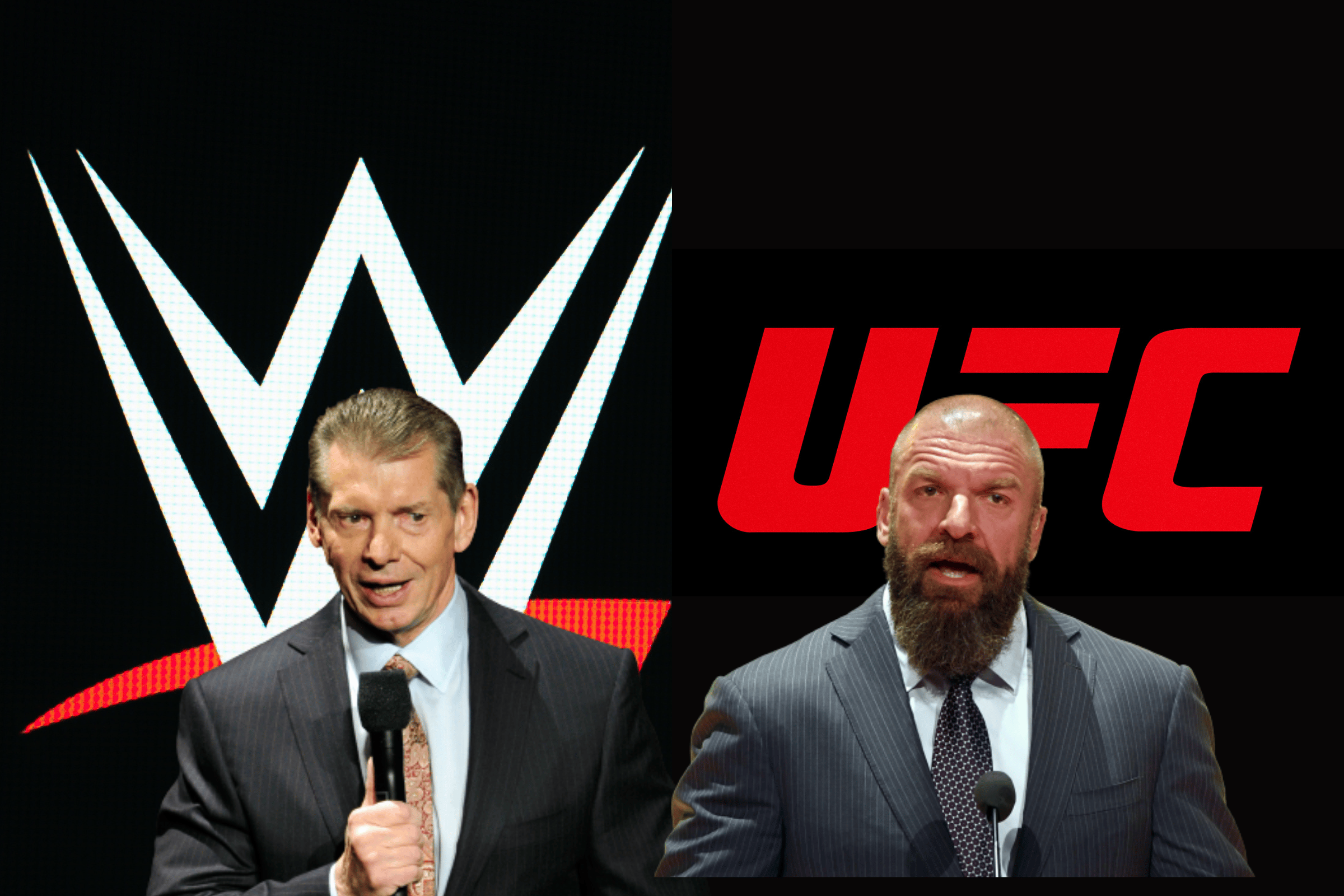
The UFC acquisition refers to the landmark corporate buyout of the Ultimate Fighting Championship by WME-IMG (later renamed Endeavor) in 2016, along with its subsequent corporate restructuring, major mergers, and public offering milestones that permanently transformed professional mixed martial arts.
Evolution of the Ultimate Fighting Championship
To understand the magnitude of the 2016 corporate acquisition, one must first look at the origins and early struggles of the Ultimate Fighting Championship (UFC). Founded in 1993 by Art Davie, Rorion Gracie, and others, the organization was originally envisioned as a one-night tournament to pit different martial arts disciplines against each other. Early events operated with minimal rules and regulations, leading to heavy political scrutiny, bans from athletic commissions, and a severe lack of mainstream broadcasting partners.
In 2001, casino executives Lorenzo and Frank Fertitta, alongside business partner Dana White, purchased the struggling promotion for $2 million through their parent company, Zuffa, LLC. Under Zuffa's stewardship, the organization underwent a massive operational overhaul. The company worked closely with state athletic commissions to establish the Unified Rules of Mixed Martial Arts, shedding the "human cockfighting" label that had severely hindered its growth.
Zuffa invested heavily in televised content, culminating in the breakout success of The Ultimate Fighter reality television series on Spike TV in 2005. This cultural and commercial resurgence propelled the organization from a near-bankrupt novelty into a multi-billion-dollar global sports entertainment powerhouse, setting the stage for its eventual blockbuster sale.
The 2016 WME-IMG Acquisition: Structure and Valuation
By the mid-2010s, Zuffa owners Lorenzo and Frank Fertitta sought an exit strategy, leading to one of the largest transactions in combat sports history. In July 2016, a consortium led by William Morris Endeavor (WME-IMG), alongside strategic financial partners Silver Lake Partners, KKR, and MSD Capital, finalized a deal to acquire the UFC.
| Transaction Metric | Details |
|---|---|
| Acquisition Date | July 2016 |
| Buyer Consortium | WME-IMG (Endeavor), Silver Lake, KKR, MSD Capital |
| Sellers / Founders | Frank and Lorenzo Fertitta, Dana White (retained equity/role) |
| Purchase Price | Approximately $4.021 billion |
| Financing Structure | Combination of institutional equity and heavy debt leveraging |
This multi-billion-dollar valuation shattered previous records for sports franchise sales. The transaction signaled a shift in perception: mixed martial arts was no longer viewed as a fringe blood sport, but as premium, highly monetizable intellectual property with a massive global demographic footprint. Following the buyout, WME-IMG rebranded its entire parent umbrella to Endeavor in 2017 to reflect its diversified portfolio, which spanned talent representation, fashion, events, and sports media.
Corporate Integration and the TKO Group Holdings Merger
Following the 2016 purchase, the new ownership group implemented aggressive monetization strategies to maximize return on investment. These initiatives included securing a landmark five-year exclusive media rights deal with ESPN in 2018 (renewed and expanded later), optimizing live gate revenues, expanding international events, and developing lucrative global sponsorship portfolios with brands like Crypto.com, Venum, and Bud Light.
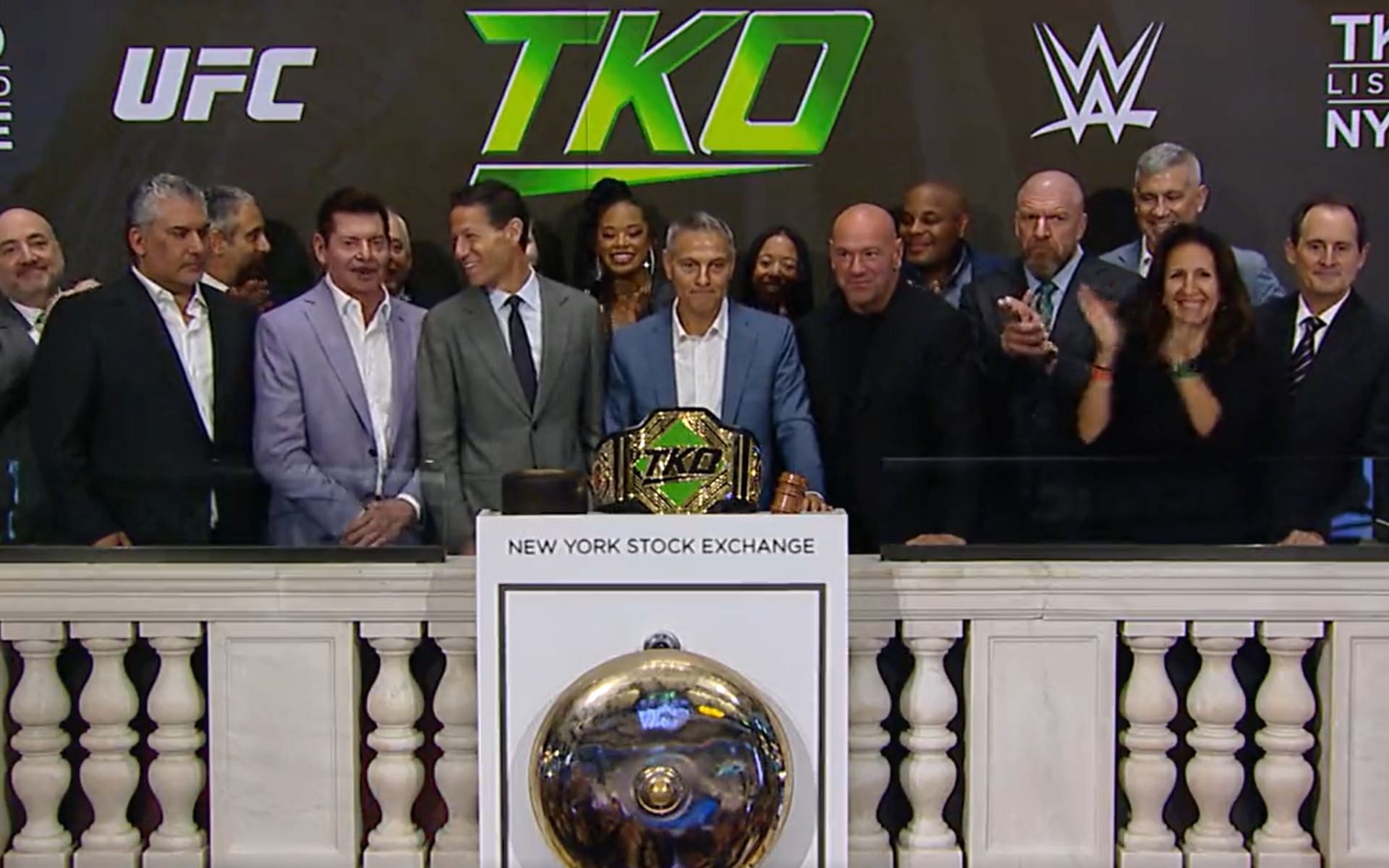
The corporate evolution reached another major milestone in 2023. Endeavor Group Holdings engineered a transaction to merge the UFC with World Wrestling Entertainment (WWE) to form a new publicly traded entity named TKO Group Holdings (NYSE: TKO).
Under this corporate structure:
- Endeavor retained a controlling 51% majority stake in TKO Group Holdings.
- WWE shareholders held the remaining 49% stake.
- Dana White transitioned from his role under private ownership to become the CEO of the UFC under the TKO banner, while Vince McMahon assumed the role of Executive Chairman of TKO until his subsequent departure in early 2024.
This merger combined two of the world's most dominant combat sports and sports-entertainment properties under a single corporate umbrella, yielding significant operational synergies in media distribution, ticket sales, live event production, and corporate sponsorships.
Financial Impact and Market Valuation
The financial trajectory following the 2016 acquisition has been characterized by consistent revenue growth, high profit margins, and increased institutional investor confidence.
Revenue Drivers
- Media Rights Fees: Transitioning from traditional pay-per-view (PPV) models to hybrid models incorporating subscription streaming services (such as ESPN+) provided a stable, recurring baseline of media rights revenue.
- Live Events and Sponsorships: Post-pandemic stadium shows, international tourism partnerships, and high-value global sponsorships significantly expanded corporate income streams.
- Consumer Products and Licensing: Global merchandising, video game licensing agreements, and fitness center franchises extended the brand's commercial reach far beyond live fight nights.
When Endeavor announced plans to take TKO Group Holdings public, market analysts valued the combined sports empire at over $21 billion. This valuation underscored how a disciplined operational approach and strategic media distribution transformed the $2 million investment made by the Fertitta brothers in 2001 into one of the most lucrative assets in modern sports business history.
Frequently Asked Questions
Who bought the UFC in 2016?
The UFC was purchased in July 2016 by a consortium led by talent agency WME-IMG (later renamed Endeavor), alongside private equity firms Silver Lake Partners, KKR, and MSD Capital.
How much was the UFC sold for in 2016?
The 2016 acquisition valued the organization at approximately $4.021 billion, making it one of the largest corporate sports buyouts of its era.
What is TKO Group Holdings?
TKO Group Holdings is a publicly traded sports and entertainment company formed in 2023 through the merger of the UFC and World Wrestling Entertainment (WWE), controlled primarily by Endeavor Group Holdings.
Did Dana White stay with the company after the acquisition?
Yes. Dana White retained an equity stake in the organization and remained in his leadership role, eventually transitioning to UFC CEO following the formation of TKO Group Holdings.
How has the corporate acquisition changed the fan experience?
While core live event production and athletic competition remain largely unchanged, corporate ownership modernized digital streaming distribution, expanded global sponsorship activations, and increased ticket and pay-per-view pricing to align with major tier-one global sports leagues.
Conclusion and Next Steps
The UFC acquisition stands as a watershed moment in sports business history. What began as a high-risk, privately held fighting promotion evolved into a publicly traded corporate asset under Endeavor and TKO Group Holdings. For analysts, sports executives, and business historians, tracking the operational strategies, media rights negotiations, and structural mergers surrounding this transaction provides vital insight into the commercialization of modern combat sports. To explore further, examine SEC filings for TKO Group Holdings or review independent financial analyses of sports media rights inflation over the past decade.