The Weeknd’s headlining performance at the 2018 Coachella Valley Music and Arts Festival stands as a watershed moment in modern pop and R&B history, anchoring the release of his critically acclaimed EP, My Dear Melancholy,. Delivered on the heels of major personal milestones and a distinct sonic transition from his dark, narcotic-laced early mixtapes to cinematic, stadium-ready pop, the set showcased Abel Tesfaye at the height of his vocal powers and emotional vulnerability. Performing under the desert night sky in Indio, California, he used the massive festival stage to debut new, heartbreak-inspired material while weaving in a decade-defining catalog of chart-topping anthems, cementing his status as a premier live performer of his generation.
The Context and Buildup: From Starboy to My Dear Melancholy,
The road to Coachella 2018 was marked by high-stakes creative reinvention and intense media speculation surrounding The Weeknd's personal life. Following the massive commercial success of his 2016 album Starboy, which solidified his crossover into global pop superstardom, Abel Tesfaye retreated from the relentless promotional cycle to process significant life changes, including high-profile public breakups.
On March 30, 2018—just weeks before his Friday night headline slot at the Empire Polo Club—he unexpectedly dropped a six-track EP titled My Dear Melancholy,. This concise project marked a dramatic departure from the sleek, synth-heavy production of Starboy. Instead, it returned to the brooding, atmospheric, and emotionally raw alternative R&B that characterized his 2011 breakout trilogy (House of Balloons, Thursday, and Echoes of Silence).
This sudden tonal shift created immense anticipation among fans and critics. Festival-goers and music industry insiders alike wondered how the glossy stadium anthems would mesh with these new, deeply personal, and melancholic tracks. The surprise release served as a masterclass in pre-festival hype, ensuring that the Coachella audience would not merely receive a greatest-hits package, but a narrative-driven performance documenting a specific, raw chapter in the artist's life.
Setlist Breakdown and Musical Progression
The 2018 Coachella setlist was meticulously sequenced to bridge The Weeknd’s various eras, moving seamlessly from moody deep cuts to inescapable radio smashes. Stepping onto the stage to the haunting strains of "Call Out My Name," the lead single from My Dear Melancholy, Tesfaye immediately established an intimate emotional connection with a crowd numbering in the tens of thousands.
The performance progressed through distinct thematic movements:
- *The Heartbreak Era (My Dear Melancholy,):* Opening with raw, acoustic-driven laments like "Call Out My Name" and "Wasted Times," showcasing his soaring, unedited vocal capabilities.
- The Pop Crossover (Starboy): Transitioning into high-energy bangers such as "Starboy," "Party Monster," and "I Feel It Coming," backed by dynamic lighting and laser arrays.
- The Cinematic Nostalgia (Beauty Behind the Madness): Delivering massive sing-alongs with "The Hills," "Can't Feel My Face," and "Often," which transformed the desert polo fields into a massive chorus.
- The Early Underground Roots: Nodding to his initial underground fandom with selections like "Crew Love" and "Low Life," reminding longtime supporters of his indie-R&B origins.
This progression demonstrated his versatility, proving that he could command an arena-sized crowd with minimalist balladry just as effectively as with high-octane electronic pop production.
| Era / Album | Key Tracks Performed | Sonic Character | Emotional Tone |
|---|---|---|---|
| My Dear Melancholy, (2018) | "Call Out My Name," "Wasted Times" | Minimalist R&B, raw basslines | Vulnerable, heartbroken, direct |
| Starboy (2016) | "Starboy," "I Feel It Coming," "Party Monster" | Sleek pop, electronic, funk-inflected | Confident, futuristic, polished |
| Beauty Behind the Madness (2015) | "The Hills," "Can't Feel My Face," "Earned It" | Dark pop, cinematic soul | Hedonistic, dramatic, intense |
| Trilogy / Early Work (2011) | "The Morning," "Wicked Games" | Atmospheric, nocturnal, slow-tempo | Mysterious, decadent, raw |
Stage Production, Visuals, and Aesthetic Choices
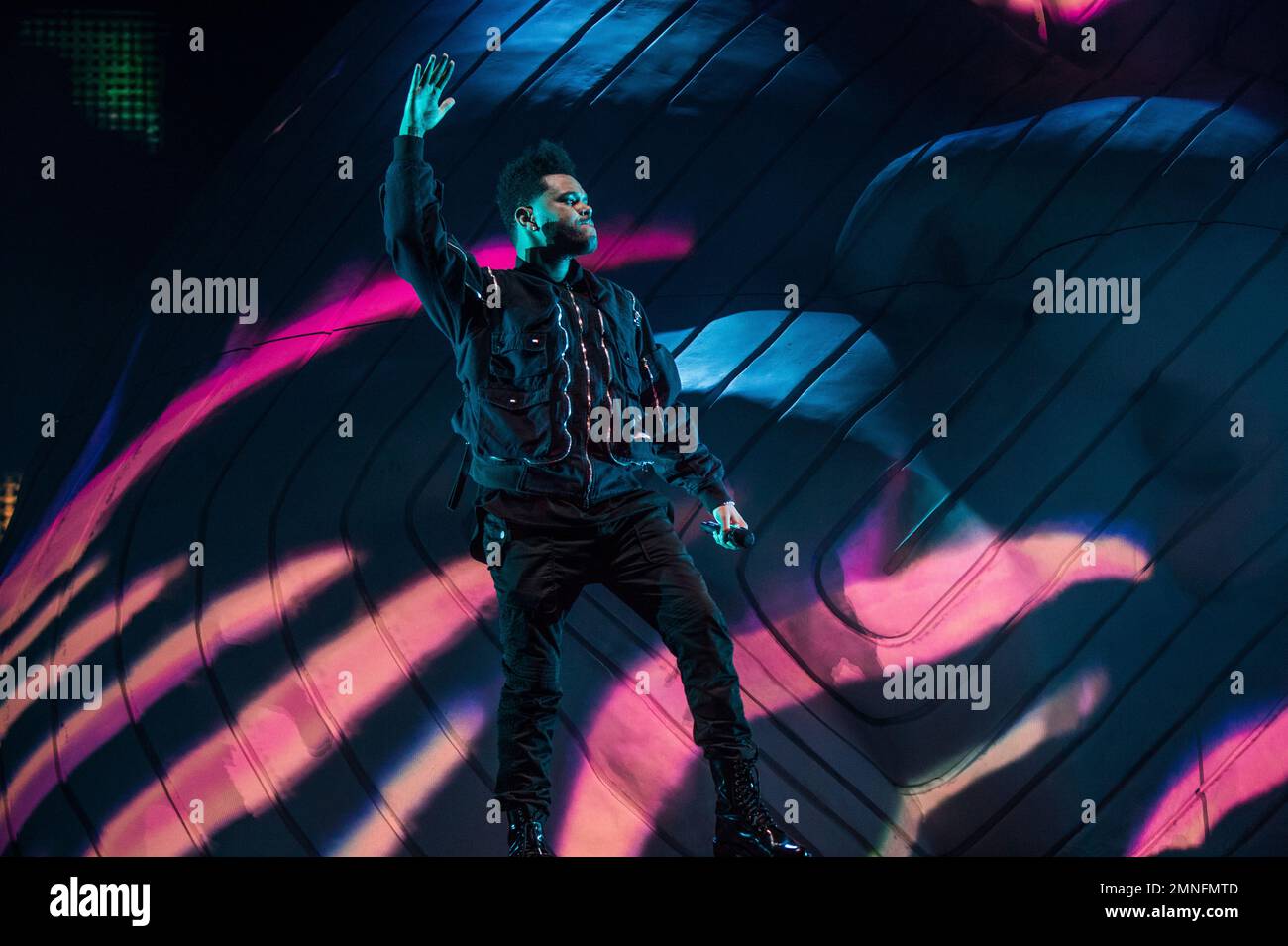
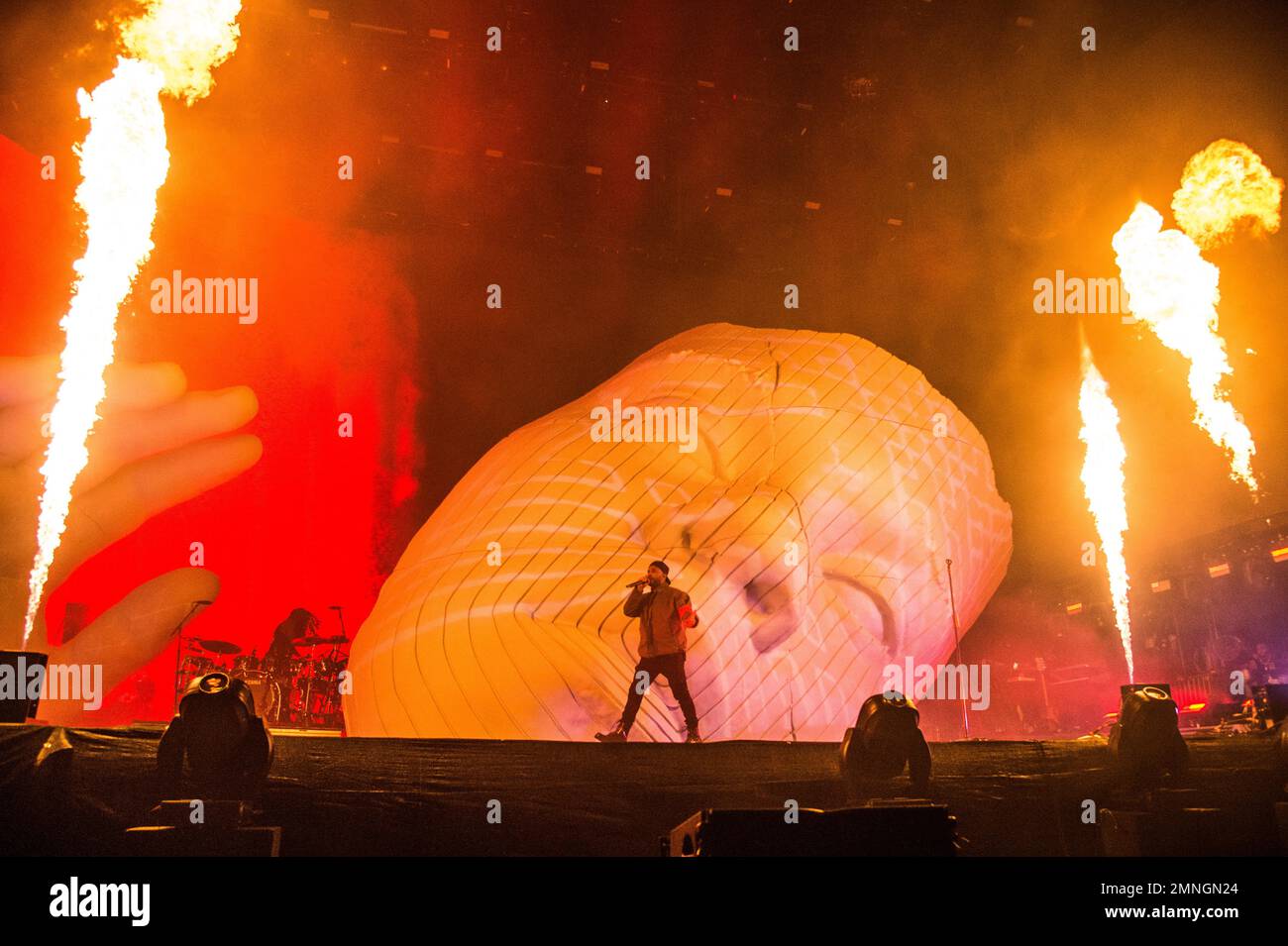
Coachella is renowned as much for its visual spectacle as its musical curation, and The Weeknd’s 2018 production set a high benchmark for contemporary festival design. Eschewing the traditional reliance on pyrotechnics alone, the creative direction leaned heavily into high-contrast lighting, brutalist architectural elements, and striking minimalist imagery that mirrored the stark cover art of My Dear Melancholy,.
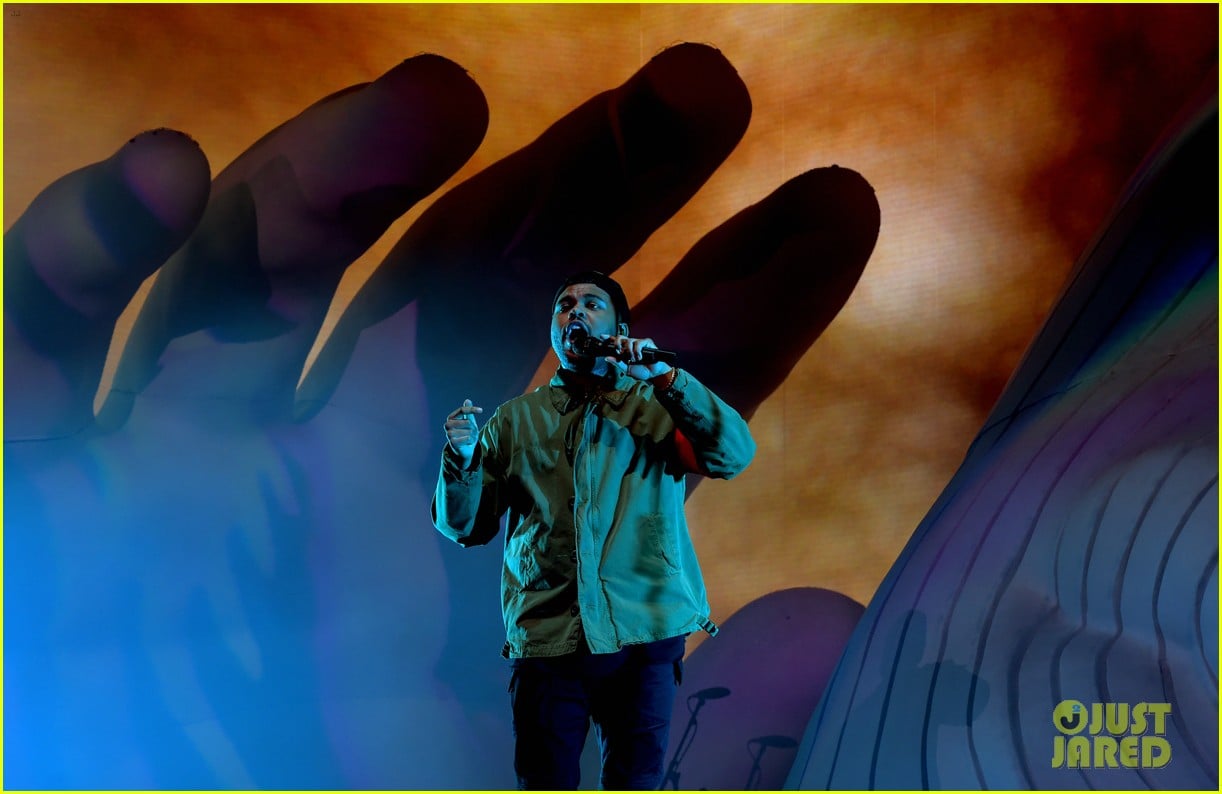
A massive, looming LED screen served as the centerpiece, casting deep shadows and dramatic silhouettes across the stage. Rather than relying on constant, dizzying motion graphics, the visual palette utilized moody blues, blood reds, and blinding white spotlights. This choice emphasized the emotional weight of the songs, making an open-air desert festival feel as intimate as a dark, subterranean club.
Furthermore, Tesfaye's performance style shifted away from excessive stage choreography toward raw vocal delivery and intense eye contact with the audience and camera lenses. This stripped-back physical performance amplified the emotional honesty of the lyrics, creating a compelling contrast against the monumental scale of the Coachella main stage.
Cultural Impact and Critical Reception
Music critics and culture publications widely praised The Weeknd’s 2018 Coachella performance as one of the standout sets of the weekend, particularly highlighting his vocal control and emotional authenticity. In an era where major festival headliners often rely on heavy backing tracks and over-produced spectacles, Tesfaye’s willingness to stand center stage and lean into raw, unmasked heartbreak was viewed as a bold and refreshing artistic choice.
The performance also served as a vital commercial catalyst. Following his Coachella appearance, My Dear Melancholy, surged back up streaming charts, proving that live performance remains one of the most powerful tools for driving consumer engagement in the streaming era. It bridged the gap between his 2016 commercial peak and his subsequent 2020 masterpiece, After Hours, demonstrating that he could successfully look backward into his artistic origins while continuing to push forward creatively.
Frequently Asked Questions
When did The Weeknd perform at Coachella in 2018?
The Weeknd headlined the main stage on Friday nights during both weekends of the Coachella Valley Music and Arts Festival in April 2018 (specifically, April 13 and April 20, 2018).
What new music did The Weeknd debut at Coachella 2018?
He debuted several tracks live from his surprise EP My Dear Melancholy,, which had been released just two weeks prior to the festival, most notably the lead single "Call Out My Name."
Why was The Weeknd’s 2018 Coachella set considered significant?
The performance marked a sonic pivot away from the upbeat pop of Starboy back to the dark, vulnerable alternative R&B of his early career, coinciding with a deeply personal creative period following his split from Selena Gomez.
Did The Weeknd bring out any special guests during his 2018 Coachella set?
Unlike many headliners who pack their sets with surprise guest appearances, The Weeknd performed entirely solo, choosing to anchor the 75-minute set entirely on his own vocal performance and catalog.
How does the 2018 set compare to his later festival appearances?
While later tours—such as the After Hours Til Dawn stadium tour—featured elaborate conceptual storylines, pyrotechnics, and dystopian cityscapes, the 2018 Coachella set was defined by its emotional rawness, minimalist staging, and focus on acoustic and vocal intensity.
Conclusion and Legacy
The Weeknd’s headlining slot at Coachella 2018 remains a masterclass in festival programming and artistic transition. By refusing to rest on the comfortable pop formulas of Starboy and instead leaning directly into the pain and introspection of My Dear Melancholy,, Abel Tesfaye proved his resilience as an artist. The performance captured a pivotal juncture where underground mystique met mainstream stadium dominance, leaving an indelible mark on the history of the world's most famous desert festival.