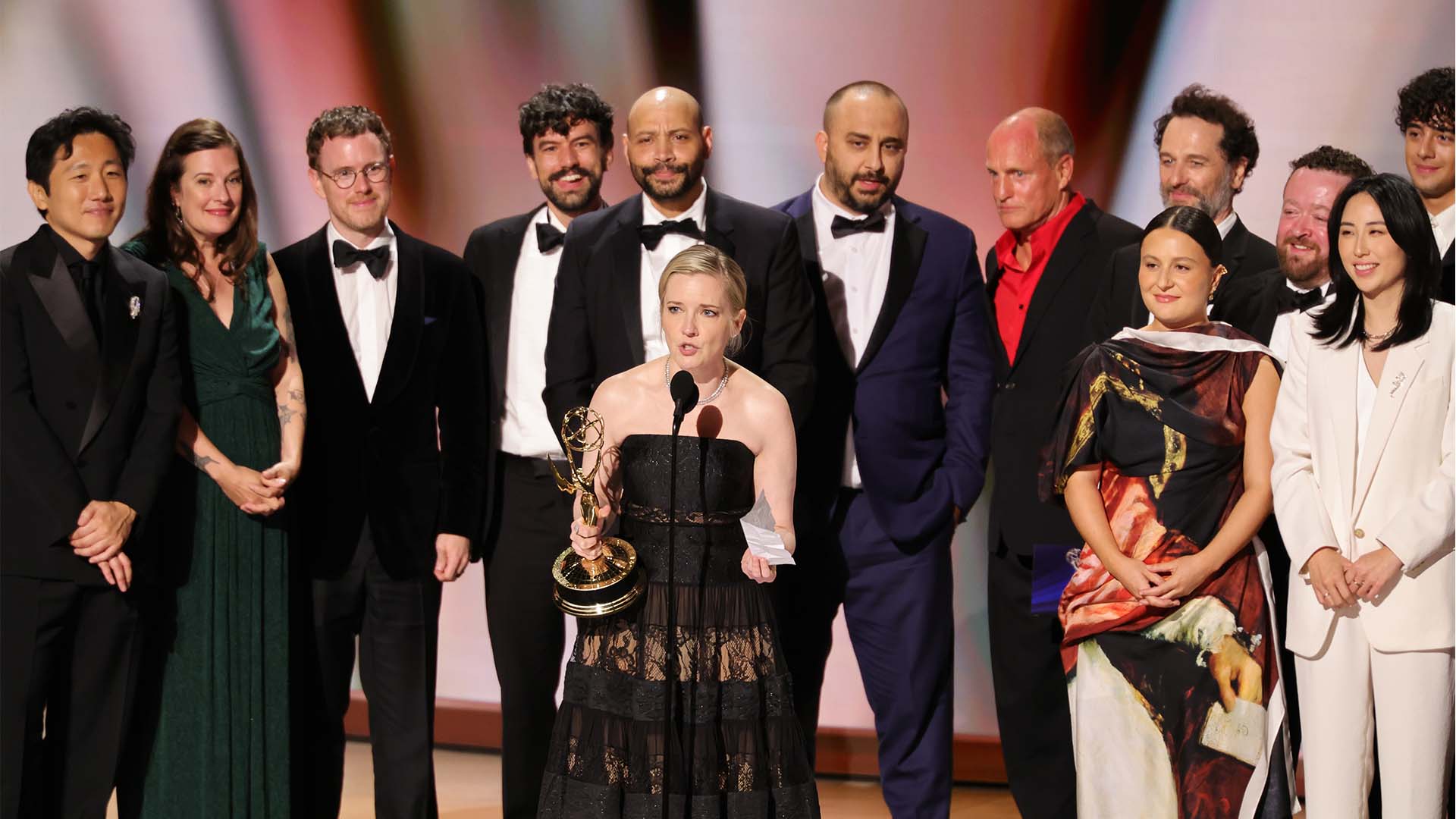
The 71st Primetime Emmy Awards, held on September 22, 2019, at the Microsoft Theater in Los Angeles, served as a definitive moment in television history. By highlighting the final season of HBO’s Game of Thrones alongside breakthrough performances in limited series and comedies, the ceremony offered a complex mix of predictable accolades and genuine shocks that defied critical expectations and betting odds.
Historical Context of the 71st Primetime Emmys
The 2019 television landscape was characterized by a massive influx of content, often referred to as "Peak TV." HBO dominated the narrative, primarily due to the cultural gravity of the final season of Game of Thrones. However, beneath the surface of the marquee category winners, the ceremony highlighted a shift in how the Television Academy approached comedy and limited series, signaling a move toward shorter, punchier, and more diverse storytelling formats.
Unlike previous years, the 2019 ceremony proceeded without a host, following a decision by the Fox network and the Television Academy to forgo a traditional master of ceremonies. This structural change allowed for a faster-paced delivery of awards, putting the focus entirely on the winners and the surprising upsets that punctuated the evening.
The Major Victories and Predictable Outcomes
As anticipated by most industry analysts, the "Big Four" categories—Drama, Comedy, Limited Series, and Variety Sketch—saw several heavy favorites reach the podium.
- Outstanding Drama Series: Game of Thrones secured the win, cementing its legacy as one of the most awarded series in Emmy history. Despite a divisive final season among fans, the Academy leaned into the show’s technical and cultural scale.
- Outstanding Comedy Series: Fleabag achieved a stunning victory. While the show was critically acclaimed, many pundits expected a repeat win for The Marvelous Mrs. Maisel or a final nod to Veep.
- Outstanding Limited Series: Chernobyl captured the award, a predictable result given its massive critical praise and historical weight.
- Outstanding Variety Sketch Series: Saturday Night Live continued its long-standing dominance in the category.
Breakdown of Surprising Upsets
While the top-line categories provided some expected results, the individual acting and writing categories were riddled with upsets that left viewers and industry insiders stunned. These moments defined the conversation for weeks following the event.
The Fleabag Phenomenon
The biggest surprise of the night was undeniably Phoebe Waller-Bridge’s sweep. Entering the night, the consensus suggested that Julia Louis-Dreyfus would win one final Emmy for her role as Selina Meyer in Veep. However, Waller-Bridge took home the award for Outstanding Lead Actress in a Comedy Series. Shortly thereafter, Fleabag also secured the Emmy for Outstanding Comedy Series, effectively blocking both Veep and The Marvelous Mrs. Maisel from winning the top prize.
Bill Hader and Barry
In the category of Outstanding Lead Actor in a Comedy Series, Bill Hader’s win for Barry was a significant victory over veteran contenders. While Barry was highly regarded, many analysts leaned toward the sentimentality surrounding The Kominsky Method or the established comedy giants in the field.
Jharrel Jerome and When They See Us
In the category of Outstanding Lead Actor in a Limited Series or Movie, Jharrel Jerome’s victory for his performance as Korey Wise in When They See Us was both emotional and unexpected. He faced stiff competition from legendary actors like Benicio del Toro and Mahershala Ali. His win served as a high-water mark for the evening’s representation of powerful, socially conscious storytelling.
Comparative Overview of 2019 Emmy Winners
| Category | Winner | Notable Competitor(s) |
|---|---|---|
| Outstanding Drama Series | Game of Thrones | Succession, Better Call Saul |
| Outstanding Comedy Series | Fleabag | The Marvelous Mrs. Maisel, Veep |
| Outstanding Limited Series | Chernobyl | When They See Us, Fosse/Verdon |
| Lead Actress (Comedy) | Phoebe Waller-Bridge | Julia Louis-Dreyfus |
| Lead Actor (Comedy) | Bill Hader | Michael Douglas, Ted Danson |
| Lead Actress (Drama) | Jodie Comer | Sandra Oh, Laura Linney |
| Lead Actor (Drama) | Billy Porter | Jason Bateman, Kit Harington |
Analyzing the Shift in Academy Voting
The 2019 ceremony demonstrated a clear preference for short-form, writer-driven content. The success of Fleabag and Chernobyl suggested that Academy voters were prioritizing narrative cohesion and auteur-led projects over traditional, long-running sitcoms or procedurals.
This shift also reflected the changing demographics of the Television Academy itself. Efforts to diversify the voting body over the previous five years began to materialize in the awards, with more international talent and younger creators receiving recognition. Jodie Comer’s win for Killing Eve was a prime example of this, as she beat out several domestic titans, marking a significant win for British-produced television.
Impact on Television Industry Trends
The results of the 2019 Emmys significantly influenced production strategies in the years following. Networks and streaming services began prioritizing "prestige" limited series that could compete during the awards season, leading to a rise in star-studded projects designed specifically for critical acclaim.
- The Rise of Auteur Television: Following Waller-Bridge’s win, platforms aggressively sought out singular creative voices rather than relying solely on large writers' rooms.
- Streaming Dominance: The 2019 results signaled that streaming services (like Amazon Prime Video and HBO) were no longer just participants but the primary leaders of the industry, outpacing traditional broadcast networks in both nominations and wins.
- Historical Dramatizations: The success of Chernobyl and When They See Us highlighted a public appetite for high-production-value dramatizations of recent history, prompting a surge in similar biographical and historical limited series.
Frequently Asked Questions
Why did Fleabag win over Veep in 2019? Fleabag captured the cultural zeitgeist in 2019 with its second season. While Veep was a legacy favorite, the Academy often rewards shows during their "peak" creative momentum. Fleabag was widely considered the most innovative and sharply written show of the cycle, leading to its historic upset.
Did Game of Thrones win because of its quality or legacy? The win for Game of Thrones is widely considered a "legacy award." While technical categories were deserved, the win for Best Drama Series in a year with critically superior shows like Succession suggests that the Academy intended to recognize the show's massive cultural impact and overall scope over its final, controversial season.
Why was there no host for the 2019 Emmy Awards? Fox and the Television Academy opted for a host-less ceremony to prioritize pacing. This decision followed a similar move by the Academy Awards earlier in 2019, which saw improved ratings and a more streamlined broadcast. The goal was to provide more time for tribute montages and acceptance speeches.
Which networks took home the most awards in 2019? HBO led the night, largely driven by Game of Thrones, Chernobyl, and Barry. Amazon Prime Video followed closely behind due to the runaway success of Fleabag and The Marvelous Mrs. Maisel.
How did the 2019 winners influence future awards? The 2019 results set a precedent for shorter, limited-run series to dominate the major acting categories. It discouraged the idea that an actor needed a decade-long sitcom role to achieve industry recognition, instead favoring singular, impactful performances in limited or streaming-native content.
Conclusion and Next Steps
The 2019 Primetime Emmy Awards were a watershed moment for the medium of television. For those researching the history of the awards, the best approach is to examine the full list of winners alongside the specific categories for writing and directing, as these technical categories often explain why an upset occurred in the major acting races.
If you are interested in analyzing these trends further, review the full archives hosted on the official Television Academy website. Comparing the nominations list from 2019 against the final winners reveals the specific disconnect between industry expectations and the final voting tally, providing deep insight into the internal mechanics of the television industry.