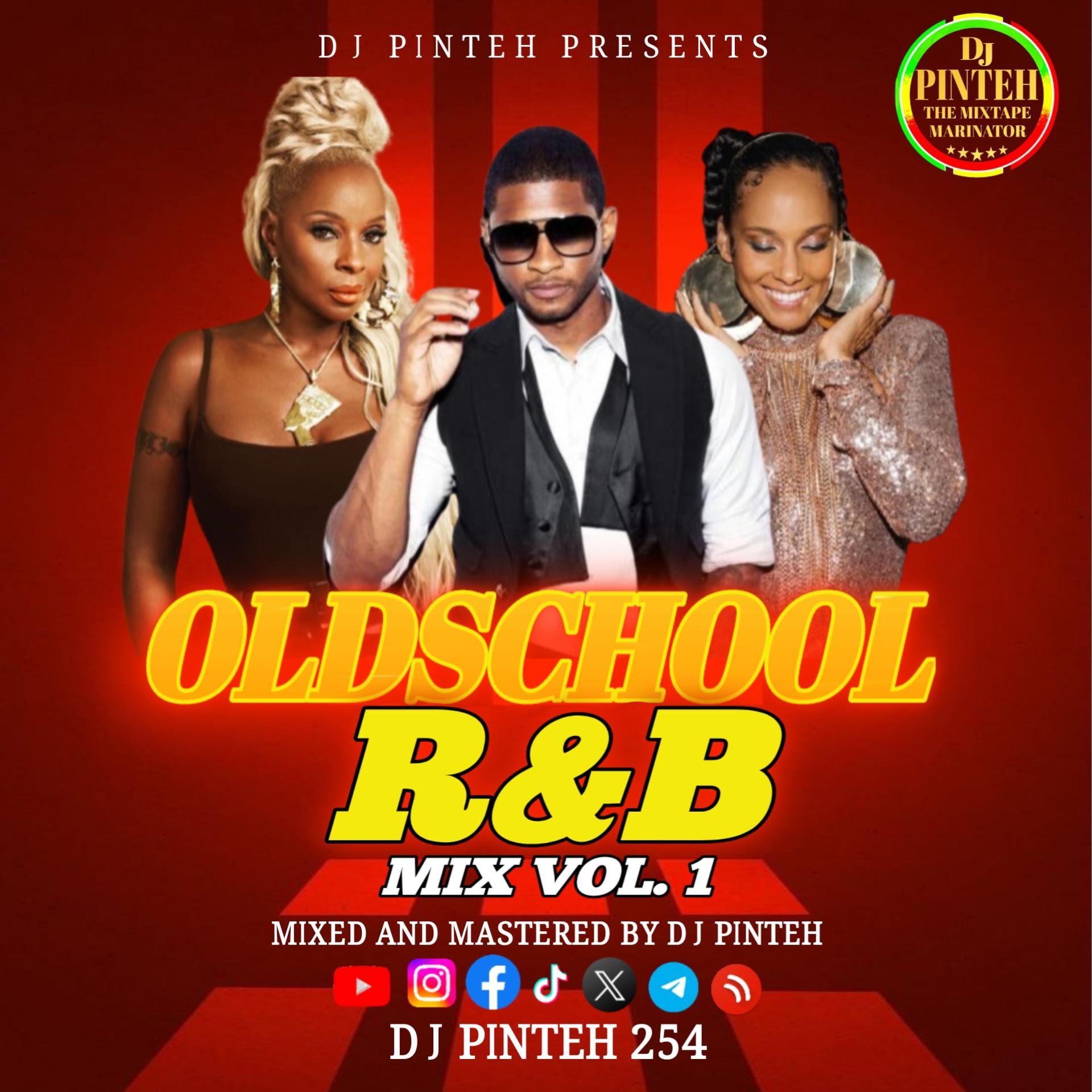
The 2000s R&B era represents a golden age of mainstream dominance, technological transition, and stylistic reinvention, defined by the shift from soulful neo-soul and lush hip-hop soul to futuristic, synthesizer-driven electronic pop and smooth club ballads. This definitive era bridged the gap between analog-era vocal performance and the dawn of digital production, leaving an indelible mark on modern popular music.
Introduction to the 2000s R&B Landscape
The landscape of rhythm and blues during the 2000s was characterized by an unprecedented commercial boom and stylistic diversity. As the music industry transitioned from physical compact disc sales to early digital downloading platforms, R&B artists adapted their sound to capture both intimate radio listeners and energetic club crowds. Producers began incorporating heavy electronic elements, innovative software synthesizers, and intricate drum programming, moving away from the purely organic instrumentation of the late 1990s while retaining deeply emotional vocal delivery.
Understanding this era requires examining the technological shifts, production techniques, and powerhouse vocalists who defined the decade. From the rise of the producer-artist to the dominance of southern crunk-and-B, 2000s R&B was a dynamic ecosystem that continually reinvented itself. This comprehensive exploration details the core sounds, landmark albums, technical innovations, and lasting cultural impact of a transformative musical decade.
The Technological and Production Evolution
The production aesthetics of 2000s R&B were shaped heavily by the evolution of digital audio workstations (DAWs) like Pro Tools, as well as hardware staples such as the Akai MPC and various Roland synthesizers. These tools allowed producers to craft crystalline mixes, heavily compressed vocal tracks, and futuristic soundscapes that sounded entirely distinct from previous decades.
The Rise of Digital Synthesizers and Drum Programming
Early 2000s production often featured crisp, meticulously programmed drum loops paired with warm sub-bass lines. As the decade progressed, producers embraced heavier electronic textures. Synthesizer patches from workstations like the Korg Triton and Yamaha Motif became ubiquitous.
Key production characteristics of the era included:
- Stutter Effects and Vocal Slices: Editing vocal takes into rhythmic, repetitive chops to create hypnotic hooks.
- Layered Harmonies: Stacking dozens of vocal tracks to create thick, choir-like choruses, a technique heavily utilized by vocal arrangers and artists alike.
- Spatial Effects: Extensive use of long reverb tails and sidechain compression to make vocals punch through dense electronic instrumentals.
The Auto-Tune Revolution
The introduction and popularization of Antares Auto-Tune as both a pitch-correction utility and an overt stylistic effect fundamentally altered R&B. While initially used subtly to polish vocal takes, artists and producers soon began experimenting with extreme settings. This technique created the distinct metallic, robotic vocal texture that influenced countless tracks in the latter half of the decade and paved the way for modern melodic trap and cloud rap.
Sub-Genres and Regional Sounds
The breadth of 2000s R&B is best understood through its distinct regional movements and sub-genres. While major label boardrooms pushed for broad commercial appeal, underground scenes and regional producers forged unique sonic identities.
Neo-Soul and Organic R&B
Running parallel to the commercial pop-R&B machine, the neo-soul movement championed organic instrumentation, live bands, jazz-infused chord progressions, and socially conscious lyricism. Artists drawing heavily from 1970s soul traditions rejected the hyper-polished sheen of mainstream radio in favor of raw acoustics and emotional vulnerability. This movement proved that traditional musicianship could still find commercial success in a rapidly digitalizing market.
Crunk-And-B and Southern Influence
As hip-hop from the American South achieved mainstream supremacy, R&B adopted its heavy basslines, aggressive tempo, and club-oriented energy. Known colloquially as "crunk-and-B," this sub-genre combined traditional vocal melodies with the booming 808 bass drums and snappy snares characteristic of southern rap. This fusion produced high-energy club anthems that dominated charts throughout the mid-2000s.
The Blueprint of 2000s R&B Sub-Genres
| Sub-Genre | Primary Characteristics | Notable Proponents | Defining Instruments / Elements |
|---|---|---|---|
| Pop-R&B | Glossy production, catchy hooks, crossover appeal | Usher, Beyoncé, Rihanna | Synths, drum machines, polished vocal layers |
| Neo-Soul | Live instrumentation, jazz chords, organic feel | Erykah Badu, Jill Scott, D'Angelo | Fender Rhodes, acoustic drums, upright bass |
| Crunk-and-B | Up-tempo beats, heavy 808 bass, club focus | Ciara, Mario, Chris Brown | Roland TR-808, synthesized brass, handclaps |
| Alternative R&B (Early) | Moody atmosphere, introspective lyrics, early electronic experimentation | Frank Ocean (early era), Miguel, The-Dream | Ambient pads, filtered vocals, minimal percussion |
Landmark Albums and Defining Releases
The commercial apex of the decade was anchored by a series of landmark albums that set new benchmarks for songwriting, vocal performance, and conceptual cohesion. These releases did not merely generate chart-topping singles; they established cohesive artistic statements that continue to influence contemporary artists.
Usher’s Confessions (2004)
Widely regarded as a defining masterpiece of the decade, Usher’s Confessions dominated the global charts with its blend of confessional lyricism, immaculate vocal runs, and forward-thinking production by teams like Jimmy Jam and Terry Lewis, Lil Jon, and Jermaine Dupri. The album explored themes of infidelity, commitment, and personal accountability, resonating deeply with listeners and selling millions of physical copies worldwide.
Beyoncé’s Dangerously in Love (2003) and B'Day (2006)
Transitioning from group stardom in Destiny's Child to a solo powerhouse, Beyoncé established her signature blend of fierce empowerment and vulnerable balladry. Her solo debut and its follow-up showcased an immense vocal range and an aggressive work ethic that redefined what a pop-R&B superstar could achieve, blending live horn arrangements with hard-hitting hip-hop beats.
Alicia Keys’s Songs in A Minor (2001)
Bridging classical piano training with contemporary urban radio, Alicia Keys introduced a raw, soulful aesthetic that eschewed heavy vocal processing in favor of piano-driven melodies and raspy, emotive delivery. The album earned critical acclaim and multiple Grammy Awards, proving that traditional musicianship remained a potent force in commercial music.
The Songwriting and Vocal Craft
The vocal standards of 2000s R&B were exceptionally high, characterized by intricate runs, powerful belt registers, and complex ad-lib arrangements that played out during song fadeouts. Vocalists were expected to demonstrate both technical agility and emotional resonance.
Melodic Architecture and Hook Construction
Songwriting during this era relied heavily on the "top-line" method, where vocal melody and lyrics were written over a completed instrumental track. This often resulted in tightly wound, rhythmic vocal phrasing that mirrored the syncopation of the underlying drum beats. Bridges served as crucial emotional pivots, building tension before explosive final choruses featuring layered harmonies and soaring descants.
The Evolution of the R&B Duet
Collaboration defined the decade's radio landscape. The formula of pairing a smooth male tenor or baritone with a powerhouse female vocalist—or combining an R&B singer with a prominent hip-hop lyricist—produced some of the era's most memorable recordings. These collaborations effectively bridged urban radio formats and pop crossover charts, maximizing exposure and cultural impact.
Common Misconceptions About 2000s R&B
When looking back at the decade, casual listeners and commentators often mischaracterize the era based solely on its biggest commercial hits, overlooking its underlying complexity.
- The Myth of Uniformity: Critics sometimes argue that 2000s R&B was overly mechanized and lacked soul. In reality, the era encompassed everything from ultra-raw neo-soul to complex, jazz-inflected alternative recordings.
- The Overstatement of Auto-Tune's Dominance: While vocal pitch correction became ubiquitous, the vast majority of core vocal performances across the decade relied on traditional, unassisted vocal talent, breath control, and multi-track harmony stacking.
- The Separation of Hip-Hop and R&B: Some assume the two genres existed in separate silos. The 2000s actually represented the deepest integration of the two, with almost every major R&B track featuring a rap verse, and vice versa.
Cultural Impact and Modern Legacy
The legacy of 2000s R&B extends far beyond nostalgia playlists; it serves as the foundational DNA for modern alternative R&B, bedroom pop, and contemporary trap soul. Producers and artists working today frequently sample, interpolate, or directly recreate the sonic textures of this era.
Furthermore, the visual aesthetics of 2000s R&B—characterized by high-budget cinematic music videos, trend-setting fashion, and elaborate choreography—established a blueprint for modern multimedia pop culture. As streaming platforms continue to drive nostalgic revivals, the catalog of 2000s R&B remains a vital reference point for vocal production and songcraft, ensuring its enduring relevance in the twenty-first-century musical canon.
Frequently Asked Questions
What defined the primary sound of 2000s R&B?
The primary sound of 2000s R&B was characterized by polished digital production, synthesizer-heavy beats, intricate vocal harmonies, and a seamless fusion with hip-hop rhythms. It bridged the gap between traditional soulful performance and early electronic pop production techniques.
How did technology change R&B production in the 2000s?
The widespread adoption of digital audio workstations like Pro Tools, advanced hardware samplers, and pitch-correction software like Auto-Tune allowed producers to achieve unprecedented vocal clarity, complex editing, and futuristic sonic textures that defined the decade's radio hits.
What is the difference between neo-soul and pop-R&B in this era?
Neo-soul emphasized organic instrumentation, live bands, jazz-inspired chord progressions, and traditional acoustic arrangements. In contrast, pop-R&B favored slick, synthesized production, electronic drum programming, and high-gloss commercial crossover appeal.
Why are 2000s R&B duets so prominent in music history?
Duets and cross-genre collaborations during this era successfully merged urban radio formats with mainstream pop charts. By pairing smooth vocalists with prominent hip-hop artists, record labels maximized cross-over potential and created enduring cultural touchstones.
How does 2000s R&B influence modern music today?
Contemporary genres like alternative R&B, trap soul, and bedroom pop draw heavy inspiration from the vocal arrangements, synthesizer textures, and rhythmic pacing pioneered during the 2000s, often utilizing direct samples and stylistic interpolations from the era.
Conclusion and Next Actions
To truly appreciate the depth and craftsmanship of 2000s R&B, listeners and aspiring producers should move beyond surface-level greatest hits collections and explore full-length albums from both mainstream hitmakers and underground neo-soul pioneers. Analyzing the multi-track vocal arrangements, studying the evolution of DAW production techniques, and examining the crossover collaborations of the decade provide invaluable insights into modern popular music structure. Dive into comprehensive album deep-dives, study the production credits of key beatmakers, and explore the foundational records that continue to shape the contemporary soundscape.