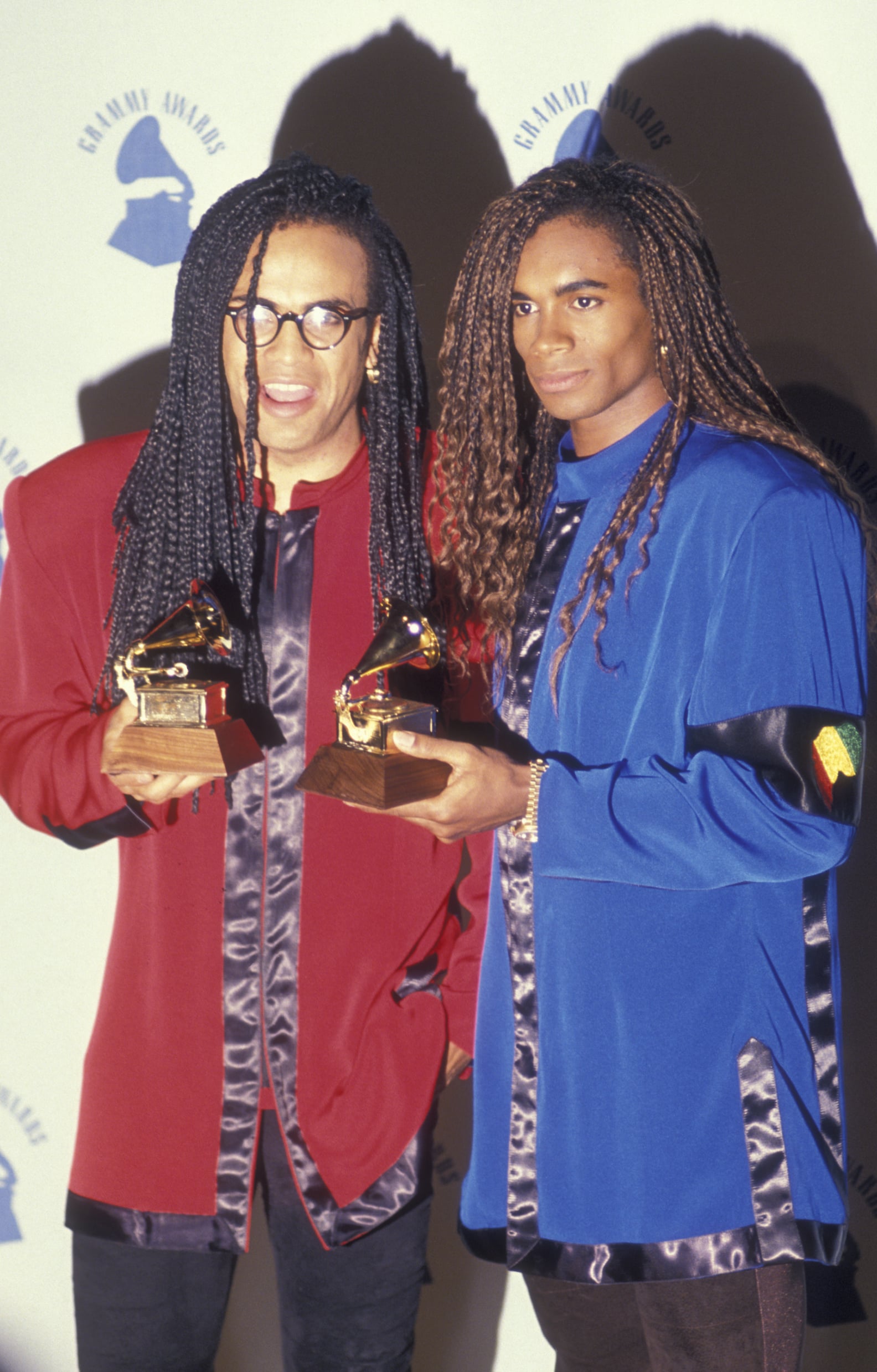
The 32nd Annual Grammy Awards ceremony, held on February 21, 1990, spotlighted a transitional era in popular music by honoring Milli Vanilli as the Best New Artist winner over notable nominees like Tone Loc, Indigo Girls, Neneh Cherry, and Soul II Soul—a legacy later reshaped by the infamous lip-syncing scandal and the subsequent revocation of the award.
Introduction to the 1990 Grammy Landscape
The 1990 Grammy Awards (recognizing achievements released primarily between late 1988 and late 1989) captured a volatile intersection of pop, hip-hop, R&B, and folk-rock. The Academy was under mounting pressure to acknowledge emerging youth-driven genres that commercial radio and MTV had championed throughout the decade.
The Best New Artist category serves as a historical barometer of how the Recording Academy perceives contemporary relevance. In 1990, the nominees represented a diverse cross-section of musical innovation, ranging from transatlantic dance-pop sensations and underground hip-hop crossover acts to roots-oriented acoustic singer-songwriters. However, the legacy of this specific class of nominees is inextricably linked to one of the greatest controversies in Grammy history, altering how the Academy and the public viewed artistic authenticity.
The Winner: Milli Vanilli and the Unraveling of an Icon
Rise to Prominence
In 1989 and early 1990, the duo known as Milli Vanilli—consisting of Fabrice Morvan and Rob Pilatus—dominated global charts with multi-platinum singles like "Girl You Know It's True," "Blame It on the Rain," and "Baby Don't Forget My Number." Assembled by German music producer Frank Farian, the duo presented a dynamic visual and performance package that captured the aesthetic of late-1980s dance-pop. Their energetic stage presence and striking visual appeal made them heavy favorites for the Best New Artist trophy at the 32nd Grammy Awards.
The Controversy and Revocation
Months after accepting the award, rumors that Morvan and Pilatus did not actually sing on their debut album culminated in a public confession by Farian in November 1990, revealing that studio session singers had provided all the vocals.
The fallout was swift and unprecedented in the history of the Recording Academy:
- The Grammys: On November 21, 1990, the National Academy of Recording Arts and Sciences made the historic decision to rescind Milli Vanilli’s Best New Artist Grammy Award. This marked the first time in Grammy history that a winning award was revoked.
- The Legal Aftermath: Consumers filed numerous class-action lawsuits under consumer protection laws in various U.S. states, leading to refunds for ticket holders and album purchasers.
- Career Impact: The brand effectively collapsed overnight, halting what had been a runaway commercial juggernaut.
The Nominees: A Snapshot of 1989–1990 Music
While Milli Vanilli dominated the headlines, the other four nominees in the Best New Artist category represented enduring artistic movements that left a lasting imprint on modern music history.
1. Tone Loc
Tone Loc (born Anthony Smith) brought underground West Coast rap into the mainstream pop consciousness with his raspy baritone and infectious beats. His 1989 debut album Loc-ed After Dark made history by becoming only the second rap album to reach number one on the Billboard 200 chart.
- Key Hits: "Wild Thing" and "Funky Cold Medina."
- Impact: Tone Loc proved that hip-hop could achieve massive crossover commercial viability without losing its street-level appeal, paving the way for the broader commercialization of rap music in the 1990s.
2. Indigo Girls
Comprising Amy Ray and Emily Saliers, the folk-rock duo Indigo Girls brought a raw, socially conscious, acoustic-driven sound to a mainstream music industry otherwise dominated by glossy synthesizers and drum machines. Their self-titled 1989 major-label debut earned critical acclaim and a dedicated grassroots following.
- Key Hits: "Closer to Fine" and "Kid Fears."
- Impact: The duo became enduring icons of contemporary folk-rock and trailblazers for LGBTQ+ representation in mainstream music, maintaining a decades-long recording and touring career.
3. Neneh Cherry
Swedish-born singer, rapper, and songwriter Neneh Cherry defied easy categorization, blending hip-hop, post-punk, dance, and soul into a distinct urban pop hybrid. Her debut album Raw Like Sushi challenged traditional gender roles and musical boundaries in hip-hop.
- Key Hits: "Buffalo Stance" and "Manchild."
- Impact: Cherry’s avant-garde approach anticipated the trip-hop and alternative R&B movements of the mid-to-late 1990s, earning her critical respect that has endured across multiple decades.
4. Soul II Soul
Led by British producer and DJ Jazzie B, Soul II Soul revolutionized British R&B and club culture with a sophisticated, soulful collective sound that combined reggae, dance, and ambient soul aesthetics. Their debut album Club Classics Vol. One (released in the U.S. as Keep On Movin') defined the late-80s soul revival.
- Key Hits: "Keep On Movin'" and "Back to Life (However Do You Want Me)."
- Impact: Soul II Soul exerted a massive influence on the development of UK garage, neo-soul, and modern electronic dance music, emphasizing collective artistry over individual pop stardom.
Comprehensive Nominee Comparison Table
| Nominee | Primary Genre | Breakthrough Hit / Album | Ultimate Fate / Grammy Status | Lasting Legacy |
|---|---|---|---|---|
| Milli Vanilli | Dance-Pop / Euro-Dance | "Girl You Know It's True" | Won, then revoked in Nov 1990 | Symbol of 1980s pop artifice and lip-syncing controversy |
| Tone Loc | Hip-Hop / Rap | "Wild Thing" / Loc-ed After Dark | Nominee (Lost) | Early pioneer of mainstream rap chart success |
| Indigo Girls | Folk-Rock / Acoustic | "Closer to Fine" / Indigo Girls | Nominee (Lost) | Enduring folk-rock mainstays and LGBTQ+ music pioneers |
| Neneh Cherry | Alternative Hip-Hop / Pop | "Buffalo Stance" / Raw Like Sushi | Nominee (Lost) | Precursor to trip-hop, alternative R&B, and genre-blending |
| Soul II Soul | R&B / Soul / Dance | "Back to Life" / Club Classics | Nominee (Lost) | Foundational architects of UK soul, dance, and neo-soul |
The Lasting Impact on the Grammy Awards and Industry Standards
The 1990 Best New Artist race remains a watershed moment that permanently altered internal voting practices, industry skepticism, and public perception of the Grammys.
Increased Scrutiny of Production Authenticity
The Milli Vanilli scandal forced the Recording Academy and the broader music industry to examine how credits are attributed and whether nominated acts actually perform their recorded material. While session musicians have always been a staple of the recording industry, the total disconnect between the visual performers and the vocalists crossed an ethical line that consumer fraud laws and Academy rules could not ignore.
Rule Adjustments and Eligibility Reform
In the wake of the incident, the Academy implemented stricter documentation requirements for performance credits in categories where individual artistry and vocal delivery are paramount. Although Best New Artist criteria have continued to evolve—particularly regarding how commercial success, streaming metrics, and prior independent releases are evaluated—the 1990 debacle remains the cautionary tale against prioritizing hype over verified artistic contribution.
Shifts in Public Trust
The revocation temporarily dented the prestige of the Grammy brand, leading critics to question the rigor of the vetting process. In response, the Academy adopted more rigorous auditing procedures for entry submissions, ensuring that subsequent winners could withstand public and legal scrutiny.
Frequently Asked Questions
Who originally won the 1990 Grammy Award for Best New Artist?
Milli Vanilli (Rob Pilatus and Fabrice Morvan) was originally announced as the winner at the 32nd Grammy Awards on February 21, 1990. However, following revelations that they did not sing on their album, the Recording Academy revoked the award in November 1990, making it the only time in Grammy history that a Best New Artist award has been stripped.
Was the Best New Artist award given to someone else after Milli Vanilli was stripped?
No. Following the revocation of the award, the Recording Academy did not reassign or redistribute the Best New Artist trophy to any of the other nominees (Tone Loc, Indigo Girls, Neneh Cherry, or Soul II Soul). The 1990 category technically remains without an official winner in the official Grammy archives.
How did the 1990 nominees reflect the musical shifts of the era?
The nominees captured a pivotal turning point where traditional pop and rock were being challenged by emerging urban and alternative sounds. While Milli Vanilli represented slick, manufactured Euro-dance-pop, nominees like Tone Loc and Neneh Cherry brought hip-hop into the mainstream, Soul II Soul redefined British R&B, and the Indigo Girls championed acoustic, grassroots folk-rock.
Did Fabrice Morvan and Rob Pilatus ever record again after the scandal?
Yes, though their major commercial career as Milli Vanilli ended. They attempted several comebacks under various names (such as Rob & Fab and later trying to repair the Milli Vanilli brand), but widespread industry blacklisting and legal issues prevented them from reclaiming mainstream success. Fabrice Morvan has since continued to work in the music industry as an independent singer and songwriter.
What are the current criteria for the Grammy Best New Artist category?
To be eligible for Best New Artist, an artist, duo, or group must release a recording that establishes their public identity and achieves a breakthrough during the eligibility year. The Academy looks for a breakthrough in public awareness or a significant commercial impact rather than simply releasing a debut recording, as many artists release independent EPs or albums years before being nominated.
Conclusion and Historical Takeaway
The 1990 Grammy Best New Artist category remains one of the most fascinating micro-histories in modern music. Beyond the tabloid sensationalism of the Milli Vanilli scandal, the category showcased a diverse group of artists whose collective works—from hip-hop milestones to folk-rock anthems—helped define the sonic landscape of the 1990s. For music historians and fans alike, the 1990 ceremony serves as a permanent reminder of the complex tension between commercial packaging and genuine artistic integrity.