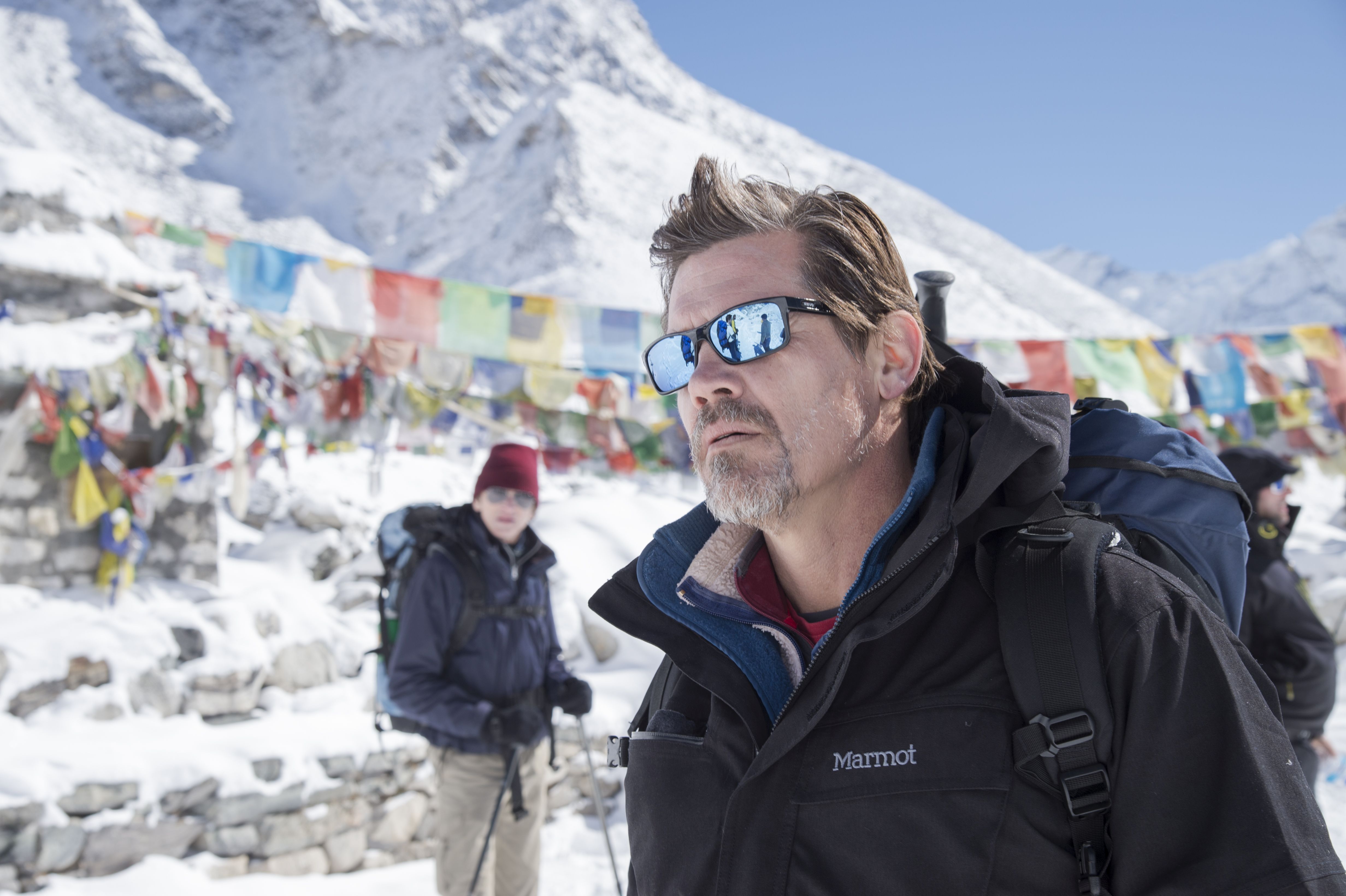
The 1996 Mount Everest disaster remains one of the most thoroughly documented tragedies in mountaineering history, capturing global attention through first-person accounts, journalistic investigations, and cinematic interpretations. Among these, the most notable visual projects include the 1998 IMAX film Everest, David Breashears’ documentary efforts, and various subsequent television features that examined how commercialization, weather, and human error converged on the mountain's upper slopes.
Understanding the 1996 Everest Disaster Context
To understand the visual and journalistic documentation of the 1996 season, one must first examine the events of May 10–11, 1996. During this period, a sudden and severe blizzard struck Mount Everest, trapping multiple commercial expeditions near the summit ridge. Eight climbers lost their lives over the course of those two days, making it one of the deadliest single incidents in the mountain's history up to that time.
The tragedy involved two major commercial guiding operations: Mountain Madness, led by Scott Fischer, and Adventure Consultants, led by Rob Hall. Clients on these expeditions had paid substantial fees—often tens of thousands of dollars—to be guided up the world's highest peak. The commercialization of Everest, which had accelerated dramatically in the early 1990s, brought inexperienced climbers onto the mountain, relying heavily on the strength and decision-making of elite guides to manage high-altitude risks.
The 1998 IMAX Film Everest: A Dual Mission
The most famous contemporary cinematic document of the 1996 season is the large-format IMAX film Everest, released in 1998 by MacGillivray Freeman Films in association with the Smithsonian Institution. Codirected by David Breashears, Ed Viesturs, Stephen Judson, and Greg MacGillivray, the production was uniquely positioned because the IMAX crew was on the mountain when the disaster unfolded.
Production Goals and Technical Challenges
Initially conceived as a dramatic large-format feature about the human drive to reach the summit, the film's scope shifted dramatically during the expedition. Shooting on IMAX format required carrying cameras, lenses, and film stock weighing upwards of 40 pounds (nearly 18 kilograms) per unit, far heavier than standard 35mm or digital equipment of the era.
- Camera Weight and Portability: Operating massive 65mm cameras in the thin air of the "Death Zone" required extraordinary physical exertion from the entire climbing and production team.
- Oxygen Management: Cinematographers had to balance the physical demands of handling heavy gear with the critical need for supplemental bottled oxygen.
- Logistical Coordination: Film stock had to be carefully protected from extreme cold, moisture, and high-altitude radiation.
The Interruption and Pivot
When the blizzard struck on May 10, the IMAX team temporarily suspended their summit ambitions to assist with rescue and recovery efforts. Members of the film crew, including David Breashears, utilized their high-altitude climbing expertise and communication resources to help bring survivors down from the high camps. Following the tragedy, the production team consulted closely with surviving expedition members and families to ensure the film honored the victims while maintaining journalistic and artistic integrity. Upon its release, the film became one of the highest-grossing documentary films of all time, bringing the stark realities of high-altitude mountaineering to mainstream audiences worldwide.
Literary and Journalistic Milestones
While visual documentaries captured the raw scale and emotional resonance of the landscape, print journalism and memoirs provided the granular analytical framework that defines public understanding of 1996 today.
| Title | Author / Creator | Medium | Primary Focus |
|---|---|---|---|
| Into Thin Air | Jon Krakauer | Book (1997) | Personal narrative and investigative journalism by a journalist-climber on Rob Hall's team. |
| The Climb | Anatoli Boukreev & G. Weston DeWalt | Book (1997) | Counter-perspective focusing on Mountain Madness guide Anatoli Boukreev's actions during the storm. |
| Everest | David Breashears et al. | IMAX Film (1998) | Large-format visual documentation of the mountain environment and the 1996 rescue efforts. |
| Storm Over Everest | David Breashears | PBS Frontline (2008) | In-depth television documentary featuring interviews with survivors and archival footage. |
Jon Krakauer’s Into Thin Air, originally commissioned as an article for Outside magazine before expanding into a book, ignited widespread debate regarding the ethics of commercial guiding, the use of supplemental oxygen, and the psychological pressures of high-altitude tourism. Anatoli Boukreev’s subsequent book, The Climb, offered an alternative interpretation of events, emphasizing the professional rationale behind guide decisions and highlighting the heroism displayed during the rescue operations.
Evolution of Visual Coverage: Storm Over Everest (2008)
A decade after the IMAX release, director David Breashears returned to the subject with Storm Over Everest, a two-hour documentary broadcast on PBS Frontline in 2008. This production adopted a more reflective and analytical approach than the 1998 film.
Key Elements of the 2008 Retrospective
- Comprehensive Interviews: The film gathered surviving clients and guides from both Adventure Consultants and Mountain Madness, many of whom had not spoken extensively on camera for years.
- Archival Reintegration: It utilized recovered radio transcripts, photographs, and personal video logs to reconstruct the timeline of May 10 with forensic precision.
- Psychological Analysis: The documentary explored the phenomenon of "summit fever"—the psychological compulsion to push upward despite deteriorating weather conditions or missed turnaround times.
Ethical Debates and Mountain Management
The visual documentation of 1996 catalyzed ongoing debates within the global mountaineering community regarding safety regulations, commercial ethics, and environmental impact.
Commercialization and Regulation
Before 1996, climbing Everest was largely the domain of national teams and highly experienced alpine clubs. The disaster exposed the risks of running commercial tours akin to high-altitude travel agencies. In the years following, the Nepalese government and various guiding organizations implemented stricter regulations regarding guide-to-client ratios, mandatory radio communications, and the maintenance of fixed ropes.
The Ethics of Filming and Witnessing
Documentary teams operating in extreme environments face profound ethical questions regarding their responsibilities as witnesses versus rescuers. The 1996 IMAX crew demonstrated that human safety superseded production goals, a precedent that continues to guide high-altitude media production. Modern documentary projects on Everest must navigate complex permits, relations with local Sherpa communities, and the delicate balance between adventure storytelling and respectful memorialization.
Frequently Asked Questions
What is the official 1996 Everest documentary?
There is no single "official" documentary, but the 1998 IMAX film Everest, codirected by David Breashears, is the primary cinematic document produced during that season. Additionally, the 2008 PBS Frontline documentary Storm Over Everest serves as the definitive retrospective on the disaster.
Did the IMAX crew witness the 1996 disaster?
Yes. The IMAX film crew was stationed at Base Camp and Camp II when the storm struck on May 10, 1996. Crew members actively halted their filming schedules to assist with triage, communications, and rescue operations for injured climbers coming down from the mountain.
How accurate are the 1996 Everest documentaries compared to books like Into Thin Air?
The documentaries generally align with the core factual timeline presented in books like Jon Krakauer’s Into Thin Air and Anatoli Boukreev’s The Climb. However, visual media naturally emphasize the scale, physical beauty, and environmental hostility of the mountain, whereas print accounts delve deeper into interpersonal dynamics and post-event controversies.
Where can I watch the 1998 Everest IMAX film?
The 1998 film has been distributed across various streaming platforms, digital rental services, and educational distribution networks over the years. Availability fluctuates depending on regional licensing and digital storefront updates.
What caused the high death toll during the 1996 disaster?
The disaster was caused by a combination of factors, including a sudden and unpredicted blizzard, bottleneck congestion at the Hillary Step causing severe delays, exhaustion among climbers, missed turnaround times, and communication failures between teams.
Practical Guidance for Researchers and Viewers
For those studying the 1996 Everest disaster through visual media, a multi-source approach provides the most balanced perspective. Viewers should combine the high-definition visual immersion of the 1998 IMAX film with the analytical interviews found in Storm Over Everest. Cross-referencing these visual accounts with primary literary sources ensures a comprehensive understanding of the operational realities, human errors, and environmental hazards that shaped one of mountaineering's most significant historical events.