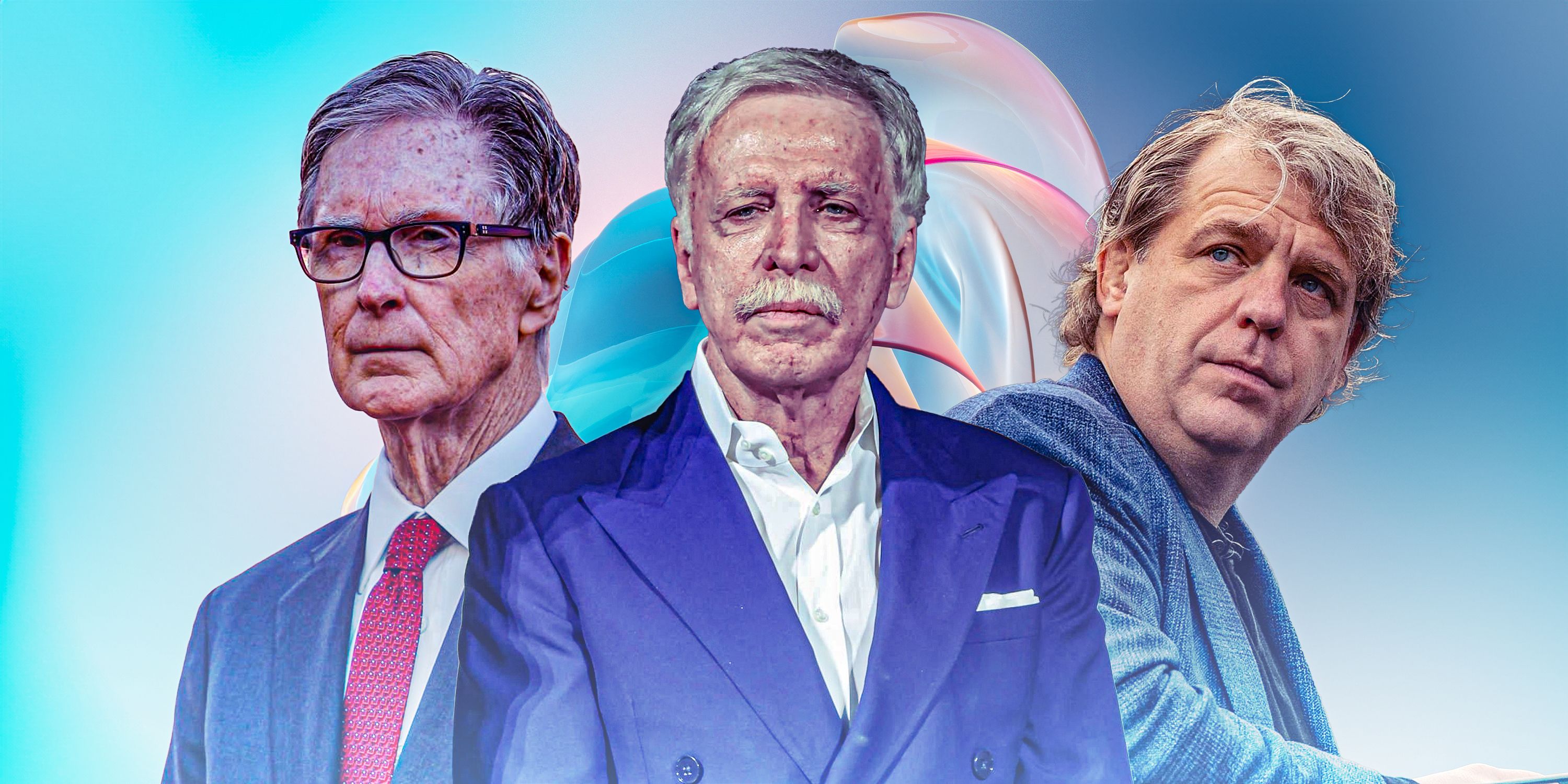
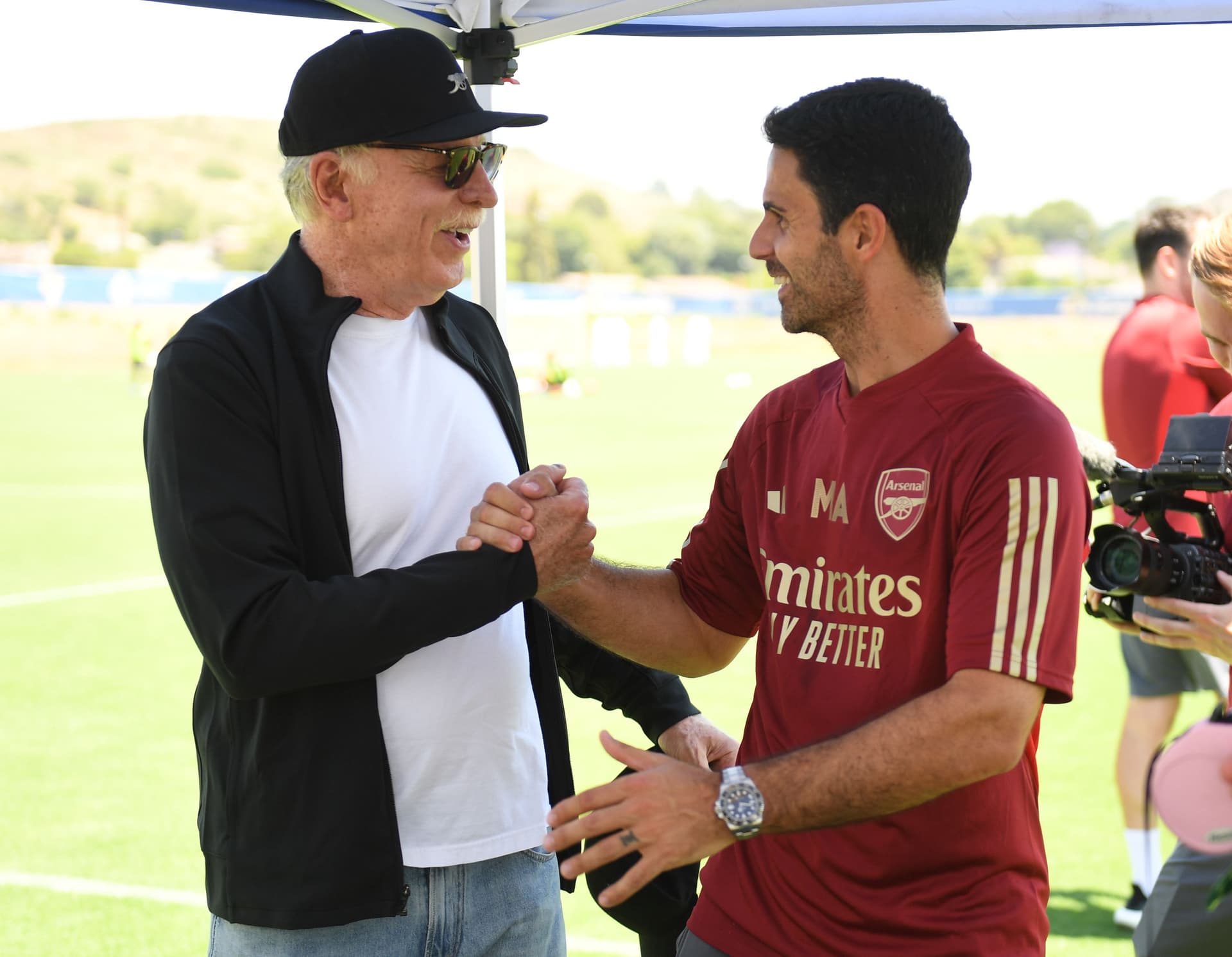
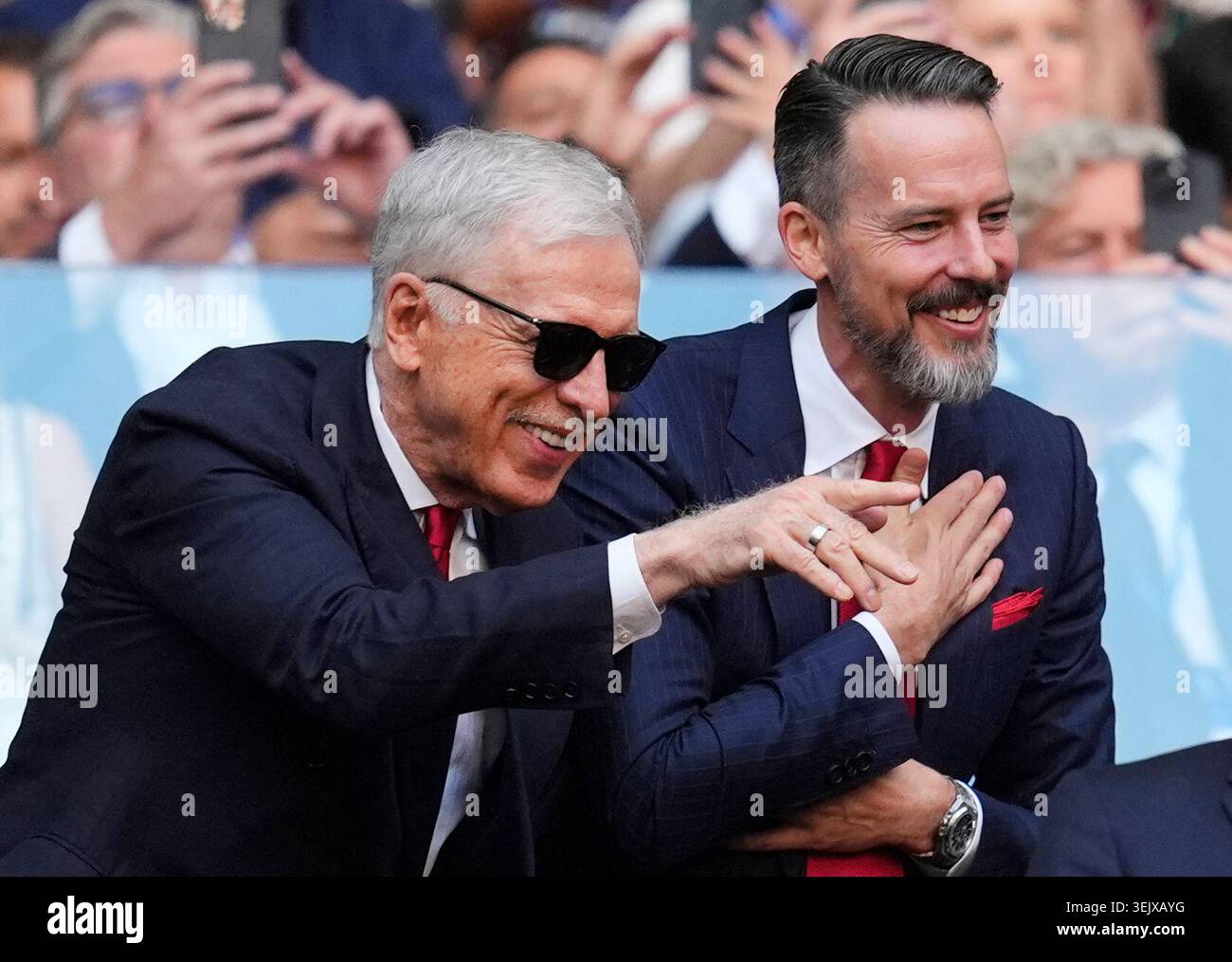
Arsenal Football Club is owned by American billionaire Stan Kroenke through his sports and entertainment holding company, Kroenke Sports & Entertainment (KSE). Kroenke gradually increased his stake in the North London club over several years before achieving full ownership in 2018, operating as the ultimate controlling authority behind the Premier League institution's strategic, financial, and operational decisions.
Introduction to Arsenal Football Club's Corporate Identity
Understanding the ownership of a major English Premier League football club requires looking beyond a single name into the complex corporate structures that govern modern sports business. Arsenal Football Club, founded in 1886 as Dial Square in Woolwich, has transitioned over more than a century from a modest works team into a globally recognized commercial and athletic enterprise. Along this journey, the club evolved from a private limited company owned by local business figures and founding families into a publicly traded entity on the former OFEX market, before ultimately returning to private ownership under a single billionaire investor.
In contemporary football, ownership models vary significantly across the globe. While some clubs operate under fan-ownership models like the German 50+1 rule, or are backed by sovereign wealth funds and multi-club conglomerates, Arsenal sits firmly within the category of privately held billionaire-backed assets. The governance of the club is managed through a board of directors that answers directly to the primary owner, balancing the historic traditions of a proud North London institution with the immense financial demands of modern elite European football. To fully answer who owns Arsenal Football Club, one must examine the timeline of acquisitions, the corporate vehicle utilized, the role of key family members, and the regulatory framework governing English football clubs.
The Principal Owner: Stan Kroenke and Kroenke Sports & Entertainment
The sole ultimate owner of Arsenal Football Club is Enos Stanley Kroenke, widely known as Stan Kroenke. Kroenke is an American billionaire businessman whose wealth spans real estate, retail plazas, and a vast portfolio of professional sports franchises. Through his holding company, Kroenke Sports & Entertainment (KSE), he controls a diverse stable of sports teams across North America and Europe.
KSE's portfolio includes several high-profile franchises:
- Los Angeles Rams (National Football League)
- Denver Nuggets (National Basketball Association)
- Colorado Avalanche (National Hockey League)
- Colorado Rapids (Major League Soccer)
- Colorado Mammoth (National Lacrosse League)
- Arsenal Football Club (English Premier League)
Kroenke's approach to sports ownership typically emphasizes long-term asset appreciation, self-sustainability where possible, and integration within local real estate developments. While early years of his involvement with Arsenal drew criticism from supporters over a perceived lack of financial ambition and communication, his stance evolved following full acquisition. In recent years, KSE has backed significant capital expenditure, supporting sustained investment in the men's and women's playing squads, stadium infrastructure upgrades, and the modernization of the club's London Colney training facilities.
The Path to Full Ownership: A Timeline of Shares
Stan Kroenke did not acquire Arsenal overnight. The club's transition to sole ownership was the result of a multi-year gradual accumulation of shares, navigating complex rivalries among wealthy investors and protecting the club from competing takeover bids.
Early Investment and the Red and White Holdings Era
Kroenke first purchased a notable stake in Arsenal in April 2007, acquiring a 9.9% shareholding from ITV plc. Shortly thereafter, he joined the club's board of directors as a non-executive director in September 2008. Concurrently, Russian billionaire Alisher Usmanov entered the picture through his investment vehicle, Red and White Holdings, steadily buying up shares alongside his business partner Farhad Moshiri. This created a two-way dynamic between the Kroenke camp and the Usmanov camp, with both factions actively courting independent shareholders.
The 2011 Threshold and Mandatory Offer
By April 2011, Kroenke crossed the 30% ownership threshold after purchasing the substantial shareholdings of former directors Nina Bracewell-Smith and Danny Fiszman. Under UK takeover rules, crossing this threshold triggered a mandatory cash offer for the remaining shares of the club. Although the offer did not result in a total buyout at that exact moment—as many small shareholders and major blocks retained their holdings—it cemented Kroenke's position as the dominant majority shareholder, holding approximately 62.2% of the club's equity.
The 2018 Buyout of Alisher Usmanov
The definitive turning point in Arsenal's modern corporate history occurred in August 2018. At the time, Stan Kroenke held roughly 67% of the club, while Alisher Usmanov owned approximately 30%. Kroenke extended a formal cash offer of £550 million to buy out Usmanov’s entire stake. Usmanov ultimately accepted the offer, allowing KSE to secure over 90% of the club's shares immediately. This triggered compulsory acquisition rights under the UK Companies Act 2006, enabling KSE to squeeze out the remaining minority shareholders. By late summer 2018, Arsenal Football Club became a 100% privately owned subsidiary of Kroenke Sports & Entertainment, and the club's shares were delisted from the ICAP Securities and Derivatives Exchange (ISDX).
Key Figures: Josh Kroenke and Operational Governance
While Stan Kroenke is the legal owner, day-to-day oversight and football governance involve his son, Josh Kroenke, who plays a highly visible and active role within the organization. Josh Kroenke holds the title of Co-Chair of Arsenal and spends significant time in London engaging with club executives, coaching staff, players, and supporter groups.
The leadership structure of Arsenal Football Club blends family oversight with experienced football administrators:
| Name | Role | Primary Responsibilities |
|---|---|---|
| Stan Kroenke | Ultimate Owner / Director | Strategic vision, overall financial backing, corporate governance via KSE. |
| Josh Kroenke | Co-Chair | Direct oversight of club operations, bridging ownership and executive management, fan engagement. |
| Tim Lewis | Executive Vice-Chair | Legal and administrative oversight, representing ownership interests in London, regulatory compliance. |
| Edu Gaspar (Historical/Contextual) / Executive Team | Sporting Director & Management | Transfer strategy, player recruitment, academy development, technical football operations. |
The involvement of Josh Kroenke and executive vice-chair Tim Lewis marked a distinct shift toward proactive communication with Arsenal supporters. Following the turbulent fallout of the failed European Super League project in April 2021—an event that triggered intense protests outside the Emirates Stadium—KSE invested heavily in rebuilding trust. This included establishing a Fan Advisory Board, granting supporters a financial stake through fan share options where applicable, and increasing transparency regarding club strategy.
Financial Architecture and Self-Sustainability
A common point of discussion among football analysts and supporters is how Arsenal is financed under KSE ownership. Unlike certain clubs that rely on continuous capital injections from billionaire owners to cover operating losses, Arsenal's business model under Kroenke is structured around financial self-sustainability.
The club generates substantial revenue streams from three primary pillars:
- Matchday Revenue: Ticket sales, corporate hospitality, and stadium tours at the 60,704-capacity Emirates Stadium.
- Broadcast Revenue: Domestic Premier League television rights distributions and European competition payouts (UEFA Champions League).
- Commercial Revenue: Global sponsorship agreements, kit manufacturing partnerships (such as Adidas), and merchandise retail operations.
While KSE maintains a hands-off approach regarding day-to-day operational subsidies, the ownership group provides crucial financial backing through structural guarantees, debt restructuring, and equity funding when major capital expenditures are required. For instance, KSE has refinanced stadium-related debt obligations and provided equity to fund significant investments in the transfer market, ensuring the club complies with both Premier League Profitability and Sustainability Rules (PSR) and UEFA Financial Sustainability Regulations.
Regulatory Framework and Ownership Rules in English Football
Owning a professional football club in England is subject to strict regulatory oversight. Arsenal Football Club, as a participant in the Premier League, must adhere to the league's Owners' and Directors' Test (OADT). This regulatory mechanism assesses prospective and existing owners and directors to ensure they meet stringent integrity, financial soundness, and legal criteria.
Key aspects of these regulations include:
- Disqualifying Conditions: Individuals convicted of certain criminal offenses, banned from acting as a company director, or associated with entities subject to international financial sanctions are prohibited from owning a club.
- Source of Wealth Verification: Prospective owners must transparently demonstrate the legitimate origin of the funds used to acquire and support the club.
- Transparent Corporate Chains: Holding companies, such as Kroenke Sports & Entertainment, must provide full disclosure of ultimate beneficial ownership to prevent hidden stakeholders or obscured financial backing.
Because Stan Kroenke cleared these regulatory hurdles decades ago and has maintained continuous compliance, KSE's ownership of Arsenal operates fully within the legal frameworks established by the English football authorities and national corporate law.
Frequently Asked Questions
Who owns Arsenal Football Club?
Arsenal Football Club is wholly owned by American billionaire Stan Kroenke through his holding company, Kroenke Sports & Entertainment (KSE). KSE acquired 100% of the club's shares in 2018.
When did Stan Kroenke take complete control of Arsenal?
Stan Kroenke became the majority shareholder in 2011 after crossing the 30% threshold and launching a mandatory buyout offer. However, he achieved complete 100% ownership in August 2018 by buying out his fellow major investor, Alisher Usmanov.
Is Arsenal publicly traded on the stock exchange?
No. Arsenal was previously listed on the ISDX (formerly OFEX) exchange as Arsenal Holdings PLC. Following the completion of the 2018 buyout by KSE, the club was taken private, and its shares were delisted.
What is Josh Kroenke's role at Arsenal?
Josh Kroenke is the Co-Chair of Arsenal Football Club. He represents his father and KSE in London, working closely with executive leadership to manage strategic decisions, club operations, and supporter relations.
Does Kroenke Sports & Entertainment own other sports teams?
Yes. Alongside Arsenal, KSE owns several major sports franchises in North America, including the Los Angeles Rams (NFL), Denver Nuggets (NBA), Colorado Avalanche (NHL), and Colorado Rapids (MLS).
How is Arsenal funded under KSE ownership?
Arsenal operates primarily on a self-sustaining financial model, generating revenue through matchdays, broadcasting rights, and commercial partnerships. However, KSE provides financial backing and guarantees for major structural investments and squad-building initiatives when necessary.
Conclusion and Next Actions
Arsenal Football Club's ownership structure is defined by complete private control under Stan Kroenke and Kroenke Sports & Entertainment. Transitioning from a fragmented public company with competing billionaire factions into a unified, wholly owned asset, the club has stabilized its corporate governance. For supporters, researchers, and financial analysts monitoring the club, understanding this structure clarifies how strategic decisions, transfer budgets, and infrastructure projects are financed and executed. To verify ongoing corporate updates or official filings regarding the club, consult official corporate registries such as Companies House in the United Kingdom or statements issued directly through the official Arsenal corporate portal.