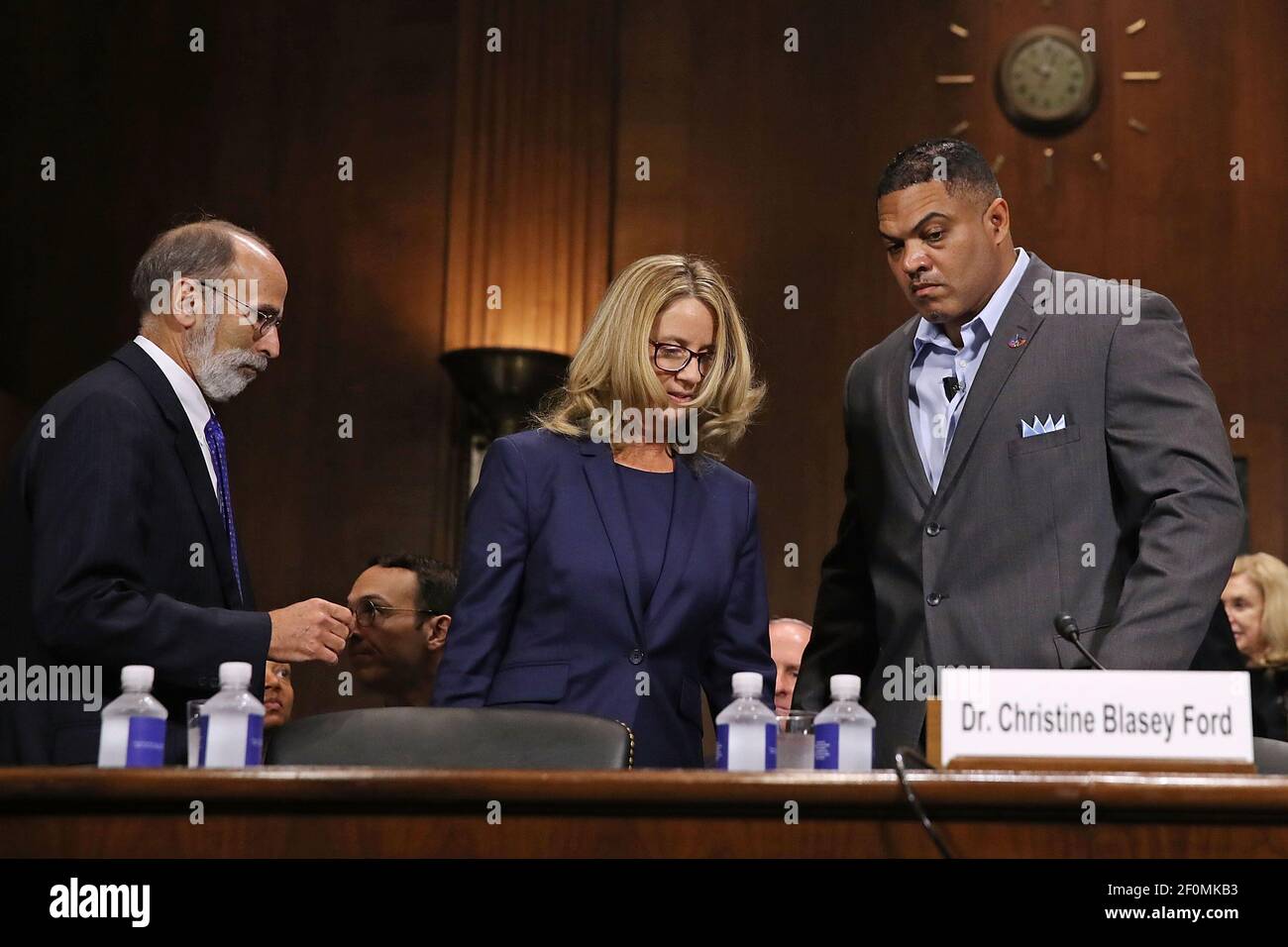
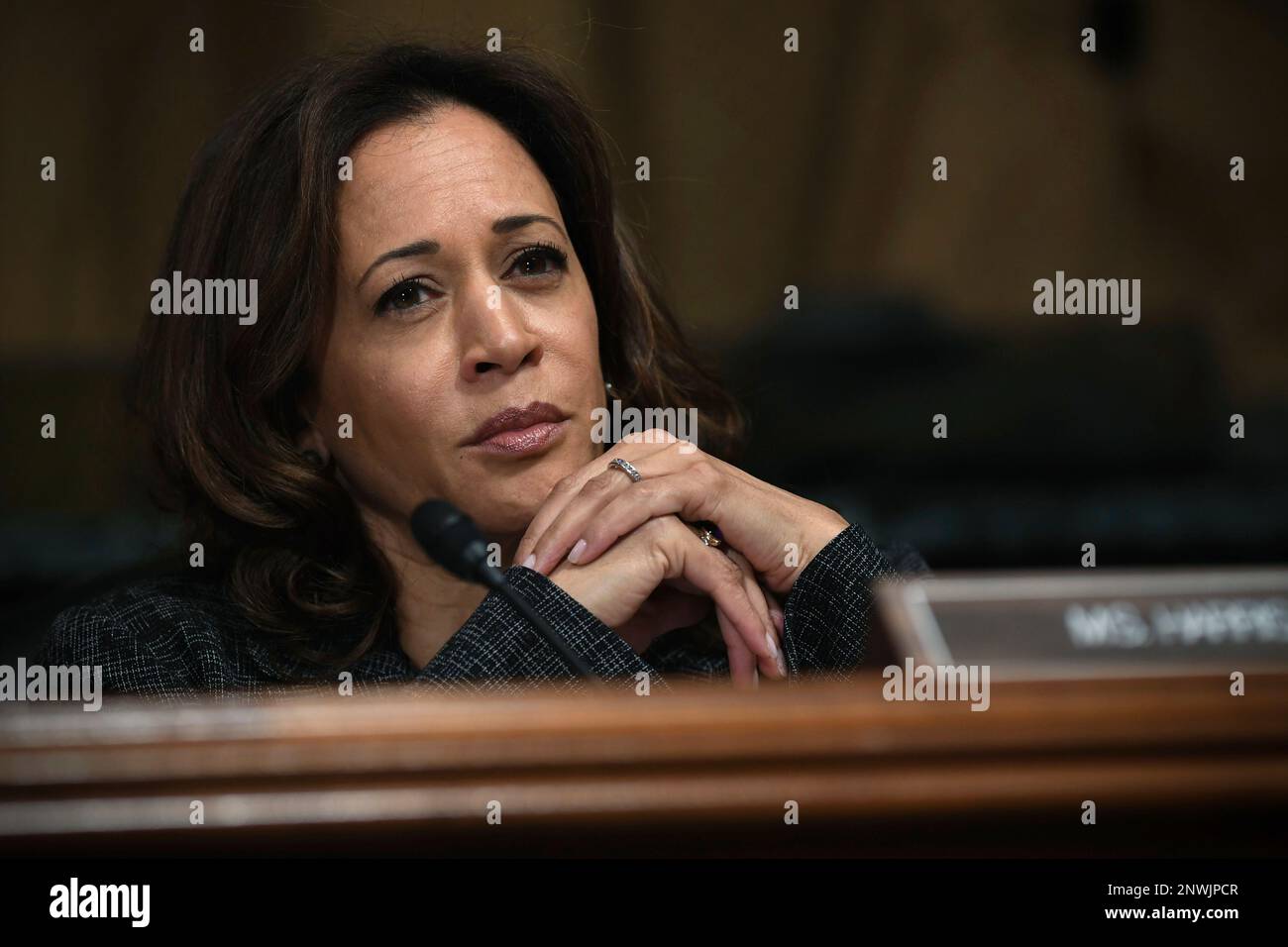
Christine Blasey Ford’s decision to testify before the United States Senate Judiciary Committee in September 2018 stands as one of the most consequential and scrutinized moments in modern American political history. Her appearance addressed allegations of sexual assault against then-Supreme Court nominee Brett Kavanaugh, capturing a global audience and reshaping discussions surrounding judicial confirmations, the treatment of sexual assault survivors, and congressional investigative procedures. While the phrase "will Christine Ford testify" is phrased in the future tense, it refers to a specific, highly publicized historical event that occurred on September 27, 2018. Understanding the dynamics of that proceeding requires examining the timeline, the intense negotiations leading up to her appearance, the procedural framework of Senate confirmations, and the lasting institutional impacts of the hearing.
Historical Timeline and the Path to the Hearing
The question of whether Christine Blasey Ford would testify arose in September 2018 during the contentious Senate confirmation process for Supreme Court nominee Brett Kavanaugh. Ford, a research psychologist and professor at Palo Alto University, had previously sent a confidential letter to her representative, Congresswoman Anna Eshoo, detailing an alleged assault by Kavanaugh in the early 1980s when both were high school students in Maryland.
When the contents of the letter leaked to the media in mid-September 2018, public pressure mounted immediately. Senators, legal analysts, and the public grappled with competing demands: the Senate Judiciary Committee's desire to expedite the confirmation vote and the insistence from Ford and her legal counsel that a thorough, fair investigation and a safe environment for her testimony were absolute prerequisites.
Initially, Ford’s legal team indicated she was willing to come forward to tell her story, but negotiations over the terms of her appearance stalled for days. Key sticking points included:
- The date and time of the hearing, which her lawyers argued was being rushed without adequate time to prepare or ensure security.
- The format of the questioning, specifically whether senators would directly question her or if outside, experienced prosecutors would be hired to conduct the questioning to mitigate partisan grandstanding.
- The scope of the investigation by the Federal Bureau of Investigation (FBI) prior to the testimony.
Ultimately, after intense back-and-forth negotiations and public appeals, an agreement was reached. Ford agreed to travel to Washington, D.C., and testify publicly before the Senate Judiciary Committee on September 27, 2018, just one day after Kavanaugh was scheduled to appear.
The Mechanics of Senate Judiciary Committee Hearings
To understand why Ford’s testimony generated such immense logistical and political friction, it is necessary to examine how Senate confirmation hearings operate, particularly for lifetime appointments to the highest court in the United States.
| Hearing Phase | Primary Purpose & Operational Details |
|---|---|
| Initial Nomination & Questioning | Committee reviews nominee's background, judicial philosophy, and previous rulings. |
| Late-Stage Allegation Disclosure | Unforeseen background issues or confidential letters surface, pausing standard workflow. |
| Negotiation of Terms | Legal counsel for witnesses negotiate security, questioning format, and timing. |
| Public Testimony | Witnesses and nominees give sworn statements and face questioning by committee members. |
| Supplemental Investigation | Limited FBI background check or committee review ordered to address specific claims. |
Under Senate rules, the Judiciary Committee holds discretionary authority over how it handles witness testimony during confirmation proceedings. Unlike a criminal trial governed by strict rules of evidence and presided over by a neutral judge, a Senate hearing is fundamentally a political and legislative proceeding. Senators act as both investigators and inquisitors, dividing their time evenly based on party lines.
When Ford’s allegations came to light, the committee structure presented unique challenges. The Republican majority and Democratic minority held contrasting views on how to proceed. While Democrats called for a full FBI investigation before any hearings were scheduled, Republicans sought to proceed swiftly with scheduled committee votes, offering Ford the opportunity to testify voluntarily. The resulting compromise set a precedent for how high-stakes, highly sensitive personal allegations are handled in modern legislative bodies, highlighting the tension between legislative expediency and thorough fact-finding.
Security, Logistics, and Personal Impact
The decision to testify carried profound personal consequences for Christine Blasey Ford. Following the public disclosure of her name, she and her family faced severe security threats, forcing them to temporarily leave their home and hire private security details.
When evaluating whether to proceed with the testimony, her legal team prioritized several critical logistical safeguards:
- Physical Safety: Coordination with local and federal law enforcement agencies to secure transit to and from Capitol Hill.
- Anonymity Management: Mitigating immediate doxxing and online harassment risks while preparing for a globally televised proceeding.
- Psychological Preparation: Readying a witness who had no prior experience with political media storms or congressional interrogation for an intense, high-pressure environment.
The hearing itself was broadcast live across major news networks worldwide, watched by tens of millions of viewers. Ford testified under oath, detailing her memories of the alleged incident with specific focus on the psychological and emotional impacts she carried for decades. Her testimony was followed immediately by Kavanaugh, who vehemently denied the allegations under oath, resulting in a dramatic split narrative that galvanized the American electorate.
Subsequent Investigations and the Senate Vote
Ford’s testimony did not halt the confirmation process entirely, but it forced a temporary procedural pause. Following the dramatic day of hearings, which also featured emotionally charged questioning from various senators, then-Senator Jeff Flake called for a one-week delay in the final full Senate vote to allow the FBI to conduct a supplemental background investigation.
This supplemental investigation had strict boundaries:
- Scope: Limited by the White House and Senate leadership to specific individuals and potential corroborating witnesses identified by the committee.
- Timeframe: Imposed a strict, non-negotiable deadline of one week for completion.
- Access: The resulting report was made available to senators in a secure reading room, with partisan interpretations of its thoroughness emerging almost immediately upon its release.
Upon the conclusion of the supplemental FBI report, the Senate proceeded to a final vote. Brett Kavanaugh was confirmed to the United States Supreme Court by a narrow 50-48 margin on October 6, 2018.
Long-Term Institutional and Cultural Impacts
The events surrounding Christine Blasey Ford’s testimony left an indelible mark on American legal, political, and cultural landscapes. The proceedings prompted significant institutional introspection across multiple sectors.
Changes in Congressional Procedure
The hearing reignited debates over the use of outside legal counsel in legislative inquiries. Many legal scholars argued that utilizing specialized, neutral prosecutors to question witnesses in sensitive sexual assault cases prevents partisan polarization and elicits more reliable testimony than direct questioning by politically motivated senators. However, Senate rules remain unchanged, leaving the format largely up to the discretion of the majority party in future proceedings.
Cultural and Societal Shifts
In the broader cultural context, Ford’s testimony became a watershed moment for the broader MeToo movement. It amplified national conversations regarding trauma, memory, the credibility of survivors, and the institutional barriers that discourage individuals from reporting historical misconduct. For millions of survivors, her calm demeanor under intense public scrutiny became a powerful symbol, while critics of the proceeding raised counter-concerns regarding due process, the weaponization of allegations, and the protection of the reputations of accused individuals.
Frequently Asked Questions
Did Christine Blasey Ford ultimately testify before the Senate?
Yes. After days of negotiations regarding security and procedural ground rules, Christine Blasey Ford testified publicly under oath before the Senate Judiciary Committee on September 27, 2018.
What was the primary subject of Christine Blasey Ford's testimony?
Her testimony focused on an alleged sexual assault committed by Supreme Court nominee Brett Kavanaugh in the early 1980s when both were teenagers in Maryland, as well as the lasting psychological impacts of the alleged incident.
Did the Senate delay the confirmation vote after her testimony?
Yes. Following the hearing, the Senate instituted a one-week delay to allow the Federal Bureau of Investigation to conduct a supplemental background investigation before proceeding to a final confirmation vote on October 6, 2018.
Were other witnesses called during the hearing?
Yes. Brett Kavanaugh testified later the same day, vehemently denying the allegations. Additionally, academic researcher Leland Keyser, whom Ford identified as being at the gathering, submitted statements through her lawyer indicating she had no recollection of the event.
What were the legal consequences of the hearing?
The hearing was a legislative and political proceeding rather than a criminal trial. No criminal charges were filed, and the proceeding concluded with the confirmation of Brett Kavanaugh to the Supreme Court.
Conclusion and Next Actions
For those examining the historical record of the 2018 Supreme Court confirmation hearings, consulting official transcripts, committee reports, and primary legal analyses provides the most objective understanding of the events. Researchers, students, and citizens can access the complete unredacted transcripts through the Government Publishing Office or official U.S. Senate archives to review the exact statements, procedural motions, and committee exchanges without partisan filtration.